
Sauces & Condiments
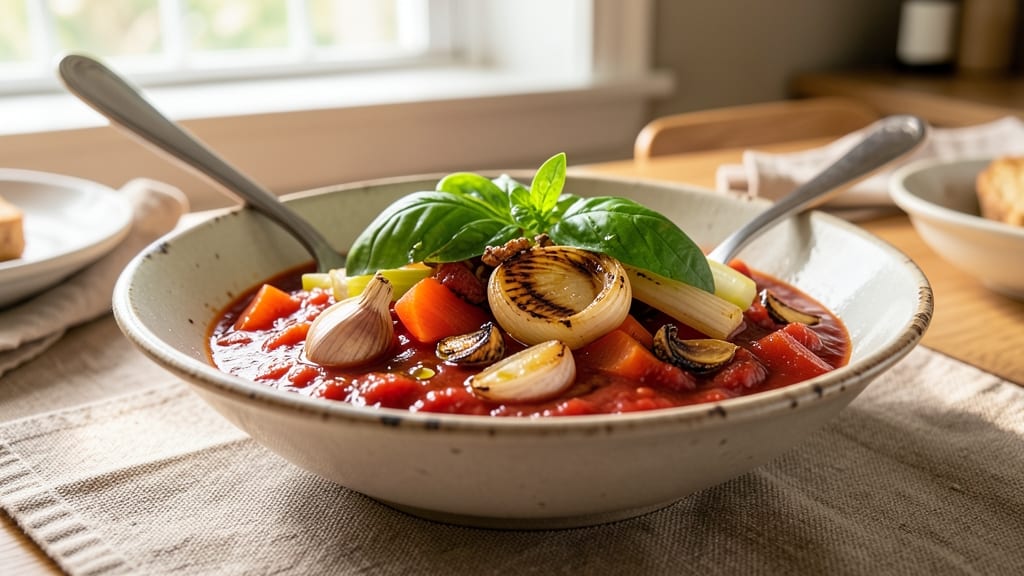
This awesome spaghetti sauce recipe transforms simple ingredients into a rich, flavorful base that elevates any meal. The secret lies in slow-roasting garlic until deeply caramelized, which adds a sweet, aromatic depth that store-bought sauces can't match.
I developed this recipe after years of experimenting with homemade sauces, and it consistently delivers restaurant-quality results with minimal effort.
The sauce builds flavor through a 30-minute simmer, allowing the tomatoes to break down into a velvety consistency while absorbing the roasted garlic's intensity. A touch of red wine adds brightness, and fresh herbs at the end keep the sauce vibrant.
What makes this sauce truly versatile is its ability to pair perfectly with pasta, meatballs, or even as a marinade for grilled chicken.
By the time you're done, you'll have a sauce that's rich yet balanced, with layers of sweetness from the garlic and tomatoes, acidity from the wine, and freshness from the herbs.
The best part? It tastes even better the next day, making it ideal for meal prep. This isn't just spaghetti sauce—it's a flavor foundation that transforms ordinary dinners into something special.
Whether you're serving it over al dente pasta or using it as a topping for bruschetta, this sauce delivers depth and complexity that's hard to find in store-bought versions. The roasted garlic technique alone sets it apart, creating a sauce that's both comforting and sophisticated. Let's get cooking!
Ingredients for awesome spaghetti sauce
Twelve ingredients transform into a restaurant-quality spaghetti sauce with roasted garlic's sweet depth.
| Ingredient | Amount | Notes |
|---|---|---|
| Extra-Virgin Olive Oil 🫒 | ½ cup | High-quality, fruity variety preferred |
| Whole Garlic Bulbs 🧄 | 2 whole | Roasted whole for deep sweetness |
| San Marzano Crushed Tomatoes 🍅 | 2 cups | High-acid, low-seed variety |
| Carrots 🥕 | 1 whole | Peeled, chopped into small pieces |
| Celery Stalks 🧅 | 2 whole | Chopped into small dice |
| Yellow Onion 🧅 | 1 whole | Diced into fine pieces |
| Dry Red Wine 🍷 | ½ cup | Bold, dry variety like Cabernet |
| Tomato Paste 🍅 | 2 tbsp | High-quality, no sugar added |
| Fresh Basil Leaves 🌿 | ½ cup | Packed, stems removed |
| Fresh Oregano Leaves 🌿 | ¼ cup | Chopped, or 1 tbsp dried |
| Kosher Salt 🧂 | 1 ½ tsp | Diamond Crystal preferred |
| Freshly Ground Black Pepper 🌶️ | ½ tsp | Coarsely ground |
| Granulated Sugar 🍚 | 1 tsp | Balances acidity |
The roasted garlic is non-negotiable. Whole bulbs caramelize perfectly, creating that sweet, jammy texture that elevates the sauce. Trader Joe's sells pre-peeled garlic bulbs if you're short on time, but I prefer whole bulbs for that authentic roasted flavor. For the tomatoes, San Marzano is worth the splurge—its low acidity and sweetness make all the difference. If you can't find it, any high-quality crushed tomatoes will work, but avoid those with added salt or preservatives. The carrots and celery form the aromatic base, so chop them small for even cooking. Organic produce from the farmers market has more flavor, but conventional works fine if you're on a budget.
No red wine? Substitute with extra tomato paste plus a splash of balsamic vinegar—it mimics the acidity and depth. Fresh herbs are ideal, but dried oregano at one-third the amount works in a pinch. The tomato paste can be the squeeze-tube kind from Trader Joe's if you hate measuring—just use 2 tablespoons. For the sugar, it's purely for balancing acidity, so don't skip it if your tomatoes are particularly tart. The olive oil should be extra-virgin—you can taste the difference in the final sauce. If you're making a big batch, double the garlic bulbs and tomatoes—the extra effort is worth it for that restaurant-quality depth.
This sauce tastes even better the next day as flavors meld. Store in airtight glass containers for up to 5 days in the fridge or 6 months in the freezer. Portion into ice cube trays before freezing for easy single-serving use. The roasted garlic bulbs can be prepped ahead and refrigerated for 3 days before roasting. Fresh herbs should be added just before serving to preserve their brightness. For meal prep, make a double batch—it's perfect over pasta, as a marinade, or even as a pizza sauce base.
Why You'll Love This Recipe
- Sofa-To-Stove Simple: I swear by this one—just chop the carrots and celery into rough chunks, toss them in olive oil, and let the garlic sizzle whole. No fancy knife skills, no stress, and honestly? The sauce tastes better for the lazy approach.
- Garlic Bomb Depth: Roasting those whole garlic bulbs until they’re caramelized and sweet? That’s the magic. One bite and you’ll understand why I buy bulbs by the bunch—it turns this sauce from good to dangerously addictive in minutes.
- Meal Prep MVP: Double the batch, freeze half, and thank me later. The San Marzano tomatoes hold up perfectly, so you’ve got a ready-to-heat dinner for when you’re too tired to cook—or when your partner’s out-of-town friends crash for dinner.
- Budget That Pops: Fresh veggies and a big can of tomatoes? This sauce costs pennies but tastes like you spent hours simmering. Between us, I’ve served it at potlucks, game nights, and even my in-laws’ house—and no one’s ever questioned the price tag.
Step-by-step instructions for deep roasted garlic and tomato spaghetti sauce
This method transforms simple ingredients into a rich, layered sauce with caramelized garlic and balanced acidity.
Roast Whole Garlic Bulbs for Sweet Depth
Preheat your oven to 400°F. Cut the tops off the 2 whole garlic bulbs, exposing the cloves but leaving the skins intact. Drizzle each bulb with 1 teaspoon of the extra-virgin olive oil, then place them cut-side down on a parchment-lined baking sheet. Roast for 30-40 minutes until the cloves are golden brown and easily pierced with a fork.
The roasting process caramelizes the natural sugars in the garlic, creating a sweet, mellow flavor that's far more complex than raw garlic. When they're done, squeeze the roasted cloves out of their skins directly into your sauce pot—this preserves all their flavorful oils. If any skins remain, simply press them through a fine-mesh strainer.
Sauté the Vegetable Base Until Softened
In a large, heavy-bottomed pot, heat the remaining 0.5 cup extra-virgin olive oil over medium heat. Add the diced yellow onion, chopped celery stalks, and chopped carrots, cooking for 8-10 minutes until the vegetables soften and the onion becomes translucent. Stir occasionally to prevent burning.
This foundational step develops the sauce's depth. The vegetables should release their moisture and begin to caramelize slightly at the edges. If the oil starts to smoke excessively, reduce the heat to medium-low—you want gentle cooking that builds flavor without burning. This is where the sauce's umami richness begins to form.
Deglaze with Red Wine and Incorporate Tomatoes
Pour in the 0.5 cup dry red wine and scrape up any browned bits from the bottom of the pot with a wooden spoon. Let it simmer for 3-4 minutes until the alcohol aroma dissipates. Stir in the 2 tbsp tomato paste and cook for another 2 minutes to deepen its flavor.
Next, add the 2 cups San Marzano crushed tomatoes and the 1 tsp granulated sugar. The sugar balances the tomatoes' natural acidity while allowing their bright flavor to shine. Bring the mixture to a gentle simmer and cook uncovered for 20 minutes, stirring occasionally. This reduction phase intensifies the sauce's concentration and develops its complex flavor profile.
Season and Simmer for Maximum Flavor Development
Add the roasted garlic cloves, 1.5 tsp kosher salt, and 0.5 tsp freshly ground black pepper. Stir in the 0.5 cup fresh basil leaves and 0.25 cup fresh oregano leaves. Reduce heat to low and let the sauce simmer uncovered for 30-40 minutes, stirring occasionally. The sauce should thicken slightly and develop a glossy sheen.
This long, slow simmer allows all the flavors to meld together harmoniously. You'll notice the sauce darkens slightly and its aroma becomes rich and inviting. Taste periodically and adjust seasoning if needed—you may need to add a pinch more salt or a splash of water to reach your desired consistency. The sauce should coat the back of a spoon but remain smooth and velvety.
Finish and Prepare for Serving
Remove the sauce from heat and let it cool slightly. Taste and make any final adjustments to seasoning. The sauce should be well-balanced with bright tomato acidity, sweet roasted garlic, and aromatic herbs. If you prefer a smoother texture, you can blend it briefly with an immersion blender, though I prefer to leave it slightly rustic with visible herb flecks.
This sauce keeps beautifully in the refrigerator for up to 5 days or can be frozen for 3 months. When ready to serve, gently reheat it over low heat, stirring occasionally. The sauce will thicken as it cools, so you may want to add a splash of water or pasta water when reheating. Serve over freshly cooked spaghetti with additional fresh basil and a sprinkle of grated Parmesan cheese for an authentic finish.
Pro Tips For Making Awesome Spaghetti Sauce
- CRUSH GARLIC BULBS FIRST: I learned this the hard way—peeling whole garlic bulbs before crushing them is a nightmare. Slice off the top, smash the cloves with the flat side of your knife, then peel them right off the stem. You’ll save 10 minutes and avoid garlic flying everywhere when you finally toss it in the oil.
- SWEAT VEGETABLES LOW AND SLOW: High heat turns carrots and celery into mush. Instead, cook them over medium-low with a splash of water (yes, even if you’re impatient like me) until they’re soft but still hold their shape—about 12-15 minutes. This builds flavor without turning your sauce into a puree.
- USE SAN MARZANO JUICE: Drain those crushed tomatoes, but don’t dump the juice—it’s liquid gold. Pour it into the pot after the vegetables soften. The acidity balances the sweetness, and you’ll get a richer, more cohesive sauce without adding extra water.
- SALT THE TOMATOES BEFORE COOKING: This isn’t just seasoning—it’s flavor extraction. Sprinkle a teaspoon of salt over the crushed tomatoes and let them sit for 10 minutes before adding them to the pot. The salt breaks down the cell walls, releasing more juice and deepening the tomato flavor. (Your future self will thank you.)
Storing and reheating your awesome spaghetti sauce
Fridge Storage Tips
Transfer your cooled sauce to airtight glass containers—I love using Pyrex with snap-on lids for easy stacking. Store in the fridge for up to 5 days, but I find the flavors actually deepen overnight as the roasted garlic and tomatoes meld together beautifully. 🌱
Freezer Prep
For longer storage, freeze in quart-sized freezer bags with 1-inch headspace to prevent expansion cracks. Portion into ice cube trays first if you want single-serving portions—just pop them into a bag once frozen.
This sauce keeps its quality for 6 months in the freezer, though I recommend using it within 3 months for peak flavor. ❄️
Thawing Methods
For fridge thawing, transfer the bag to the fridge 24 hours before use. For quicker results, use the cold water bath method: seal the frozen sauce in a zip-top bag, submerge in cold water, and change the water every 30 minutes until thawed.
Never microwave—it destroys the delicate garlic and herb flavors. 💧
Reheating Perfection
Gently reheat on the stovetop over low heat with a splash of water or pasta water to restore the perfect consistency. Avoid boiling—just simmer until warmed through (165°F internal temp).
For microwave reheating, use 50% power in 1-minute intervals, stirring between each. The sauce will thicken as it cools, so adjust with water as needed. 🔥
Herb Refresh
Add fresh basil and oregano right before serving to preserve their vibrant flavors. Store dried herbs separately if you prefer to add them during reheating. A sprinkle of freshly grated Parmesan just before eating elevates the dish to restaurant quality. 🌿
Sauce Consistency
If your reheated sauce seems too thick, thin with pasta water or broth—never water, as it dilutes the flavor. For extra richness, stir in 1 tablespoon butter or olive oil during reheating. The sauce should coat the back of a spoon but remain smooth and velvety. ✨
Nutrition facts
Frequently asked questions
Can I substitute red wine in this sauce?
Yes! If you don't have red wine, use ½ cup tomato paste plus 1 tablespoon balsamic vinegar for similar depth. For a non-alcoholic version, try ½ cup beef or vegetable broth with an extra pinch of salt to balance the flavor. The key is maintaining acidity—never skip it completely or the sauce will taste flat.
How do I make this sauce thicker or thinner?
For a thicker sauce, simmer uncovered for 10-15 extra minutes to reduce. If it's too thick after reheating, stir in pasta water or broth (never plain water) until smooth. For a thinner consistency during initial cooking, add ¼ cup water while simmering. The sauce should coat the back of a spoon but remain silky.
Can I add meat to this sauce?
Brown ½ pound ground beef, Italian sausage, or pancetta first in the olive oil before adding vegetables. For chicken, poach 1 cup diced chicken breast separately and stir it in at the end. Just be sure to drain excess fat from meats to keep the sauce velvety. The roasted garlic flavor still shines through beautifully.
Why does my sauce taste bitter?
Bitterness usually comes from overcooking the vegetables or using too much tomato paste. To fix it: Add 1 teaspoon sugar or 1 tablespoon honey to balance, or stir in 1 tablespoon fresh lemon juice. For prevention, reduce heat when sautéing vegetables and don't let the sauce boil vigorously during simmering.
Can I make this sauce in a slow cooker?
Yes! Follow the same steps but transfer everything to a slow cooker after the wine deglazing. Cook on low for 6-8 hours or high for 3-4 hours. The long cook time enhances the roasted garlic flavor even more. Stir occasionally and add water if needed to maintain consistency. The sauce will thicken further as it cools.