
Sauces & Condiments
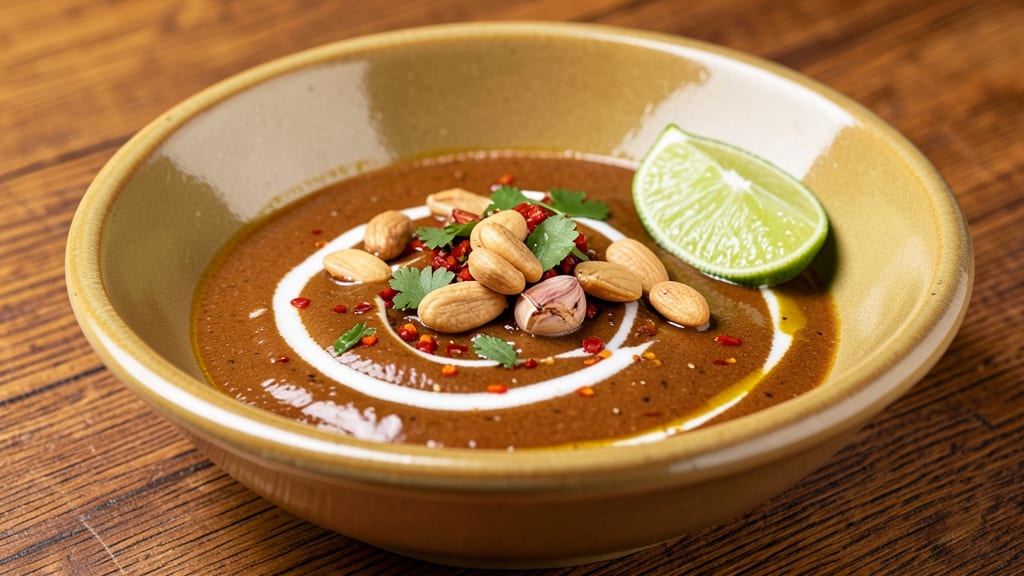
This ayam satay sauce transforms simple ingredients into a velvety, aromatic masterpiece that elevates skewered meats to restaurant-quality. The secret lies in balancing rich peanut butter with tangy lime and sweet coconut milk, creating a sauce that's both bold and harmonious.
I've perfected this recipe after countless batches, ensuring every spoonful delivers that signature satay depth without overpowering the dish.
The magic happens when you simmer the sauce just until it thickens slightly—15 minutes of gentle heat transforms raw ingredients into something deeply flavorful. A touch of tamarind adds that signature tang, while chili paste brings heat that lingers on the palate.
This isn't just a dipping sauce; it's the star of your meal, clinging perfectly to grilled meats and adding layers of complexity with every bite.
What makes this sauce truly special is its versatility. Use it as a dipping sauce for satay skewers, drizzle it over rice dishes, or even toss it with noodles for an instant flavor upgrade.
The recipe yields about 2 cups, enough to generously coat a batch of skewers or serve as a condiment for a crowd. Best of all, it keeps well in the refrigerator for up to 5 days, making it perfect for meal prep.
Once you taste this sauce, you'll never go back to store-bought versions. The nutty peanut butter base provides richness, while the lime brightens every bite, creating a perfect balance of sweet, tangy, and spicy. Let's get started on this sauce that will become your new kitchen essential.
Ingredients for ayam satay sauce
Eight simple ingredients transform into this velvety, aromatic satay sauce that's restaurant-quality magic.
| Ingredient | Amount | Notes |
|---|---|---|
| Smooth Natural Peanut Butter 🥜 | ¾ cup | No added sugar or oil |
| Coconut Milk 🥥 | 1 can | Full-fat for creaminess |
| Fresh Lime Juice 🍋 | ½ cup | About 4-5 limes |
| Red Chili Paste 🌶️ | 2 tbsp | Like sambal oelek |
| Tamarind Paste 🍈 | 1 tbsp | Adjust for tanginess |
| Garlic Cloves 🧄 | 4 cloves | Minced for depth |
| Ginger Root 🌿 | 1 tbsp | Freshly grated |
| Soy Sauce 🍶 | 1 tbsp | Light or regular |
| Brown Sugar 🍬 | 2 tbsp | Packed firmly |
| Vegetable Oil 🫒 | 1 tbsp | For smooth texture |
Peanut butter is the star here—natural, no-sugar-added is key. Trader Joe's or Smucker's Natural are my go-tos, but any smooth peanut butter works. The coconut milk? Full-fat canned gives you that signature creaminess—none of that watery stuff. Tamarind paste can be tricky to find, but Asian markets or the international aisle at Whole Foods usually have it. If you can't find it, a mix of lime juice and brown sugar works in a pinch. Fresh ginger and garlic? Don't skip these—they're what makes this sauce sing.
No red chili paste? Fresh chili blended with a little oil works beautifully. Short on tamarind? Extra lime juice plus a teaspoon of vinegar gets you close. The soy sauce adds umami—low-sodium works fine—but don't skip it. Brown sugar is non-negotiable for that perfect balance of sweet and tangy. If you're worried about the sauce being too thick, just add a splash of water or coconut milk. And trust me, the peanut butter doesn't need to be fancy—any good-quality jar will do the trick.
This sauce keeps like a dream—5 days in the fridge, 3 months frozen. To store, let it cool completely, then transfer to a jar. The peanut butter might separate a bit, but just stir it back together when you're ready to use it. Freezing? Portion it into ice cube trays for perfect single-use servings. And pro tip: Make a double batch. You'll want it on hand for everything from satay to noodles.
Why You'll Love This Recipe
- Five-Ingredient Magic: I swear, this sauce comes together faster than you can say "skewer." Just stir peanut butter, coconut milk, lime juice, chili paste, and tamarind—no fancy techniques, no stress. Honestly, I’ve made it while waiting for chicken to grill.
- Tangy-Sweet Balance: That tamarind and lime juice cut through the richness of peanut butter like a knife. The chili paste adds heat without overpowering, and the coconut milk keeps it smooth—like a hug for your taste buds. (Yes, even on a Tuesday night.)
- Dips, Glazes, Sauces: Slather it on grilled chicken, toss it with noodles, or serve it as a dip for veggies. I’ve used it for everything from weeknight dinners to potlucks, and it never disappoints. Between us, it’s my secret weapon for lazy Sundays.
- Pantry Staple Power: No last-minute grocery runs needed—just raid your cupboards. The ingredients last forever, so you’re not scrambling for replacements. Plus, a little goes a long way, so it’s budget-friendly without sacrificing flavor. Not the prettiest, but the taste makes up for it.
Step-by-step instructions for ayam satay sauce
Here's how to create this rich, nutty, and tangy sauce that makes satay unforgettable.
Sauté Aromatics Until Fragrant
Heat the 1 tablespoon vegetable oil in a medium saucepan over medium heat. Add the 4 cloves garlic cloves and 1 tablespoon freshly grated ginger root, stirring constantly for 1-2 minutes until the garlic turns golden and fragrant. You'll smell that sweet, pungent aroma—this is your signal the aromatics are ready.
Watch the heat carefully—ginger burns faster than garlic. If it starts to darken, reduce the heat slightly. These aromatics form the flavor foundation for the entire sauce, so don't rush this step. The mixture should sizzle gently without smoking.
Add Chili Paste and Tamarind
Stir in the 2 tablespoons red chili paste and 1 tablespoon tamarind paste, cooking for 30 seconds until the chili paste darkens slightly and the tamarind begins to dissolve. You'll notice the sauce thicken just a bit and develop a deep, complex aroma where sweet, spicy, and tangy notes blend together.
This is where the sauce starts to come together. The tamarind adds that signature Indonesian tang while the chili paste brings the heat. Don't be tempted to add more chili paste yet—let the flavors meld first. The sauce should be smooth but still slightly grainy from the tamarind.
Incorporate Coconut Milk and Simmer
Pour in the 1 can coconut milk and bring the mixture to a gentle simmer over medium-low heat. Stir occasionally for 5-7 minutes until the coconut milk reduces slightly and the sauce begins to thicken. You'll see the surface develop a glossy sheen and the aroma become richer and creamier.
This simmering step is crucial for developing depth. The coconut milk should reduce enough to coat the back of a spoon but still remain smooth. If it starts to separate, stir vigorously to recombine. The sauce should smell like tropical paradise with hints of spice and sweetness.
Blend in Peanut Butter and Sweeten
Reduce the heat to low and gradually whisk in the 0.75 cup smooth natural peanut butter, breaking it up into small pieces as it melts. Add the 2 tablespoons brown sugar and 1 tablespoon soy sauce, stirring constantly for 2-3 minutes until completely smooth and creamy.
Here's where the sauce transforms—suddenly rich, nutty, and perfectly balanced. The peanut butter gives that signature satay creaminess while the brown sugar rounds out any sharpness. The soy sauce adds umami depth that ties everything together. You'll notice the sauce thicken dramatically as it emulsifies.
Finish with Lime Juice and Adjust Seasoning
Remove the sauce from heat and stir in the 0.5 cup fresh lime juice. Taste immediately and adjust seasoning if needed—you might want to add a pinch more brown sugar to balance the acidity or a splash more soy sauce for saltiness. The sauce should be vibrant, tangy, and perfectly balanced between sweet, spicy, and nutty.
Let the sauce sit for 5 minutes before using—this allows all the flavors to fully meld. The texture should be thick enough to coat satay skewers but still flow smoothly. If it thickens too much, whisk in 1-2 tablespoons warm water to reach your desired consistency. This sauce is best served warm over your grilled satay skewers!
Pro Tips For Making Ayam Satay Sauce
- STIR CONSTANTLY AT FIRST: The first 2 minutes after adding peanut butter and coconut milk are when lumps form fastest—especially if you’re using powdered peanut butter or cold coconut milk. Grab a wooden spoon and keep it moving until everything’s silky, or you’ll end up with a sauce that’s more texture than smoothness.
- TOAST THE PEANUT BUTTER: I used to skip this, but now I always dry-toast the peanut butter in the pan for 30 seconds before adding liquids. It deepens the nutty flavor and cuts through the coconut milk’s richness—just don’t let it brown, or it’ll turn bitter.
- DILUTE THE TAMARIND PASTE: Tamarind paste is thick and stubborn. Mix it with 2 tablespoons of warm water first, then let it sit for 5 minutes before adding it to the sauce—this guarantees it dissolves completely instead of clumping like glue.
- SIMMER LOW AND LONG: Rushing the sauce by boiling it hard will split the coconut milk and make it separate. Keep the heat at a gentle simmer for 10-12 minutes—just enough to meld flavors without curdling. (Yes, even if you’re impatient like me.)
Serving suggestions for this recipe
Satay Skewer Pairing
This sauce was designed to cling perfectly to grilled satay skewers, so serve it warm as the ultimate dipping sauce. I like to arrange skewers on a platter with toothpicks and let guests dip them directly into small bowls of sauce.
For extra presentation, garnish with crushed peanuts and fresh cilantro—the crunch contrasts beautifully with the smooth sauce. 🥜
Rice Bowl Upgrade
Transform simple steamed rice into a restaurant-worthy dish by drizzling this sauce generously over the top. I recommend using jasmine rice for its delicate flavor that lets the sauce shine.
Add grilled chicken or tofu, sliced cucumbers, and a fried egg for a complete meal. The peanut sauce adds richness that balances the lightness of rice perfectly.
Noodle Stir-Fry Magic
Toss this sauce with cooked noodles for an instant flavor upgrade. I love using rice noodles or udon noodles because they absorb the sauce beautifully. Add steamed veggies like bell peppers and broccoli, then top with crispy fried shallots for texture.
The sauce's natural stickiness coats every strand of noodle, making every bite irresistible. 🍜
Asian-Inspired Wraps
Spread a generous layer of this sauce on rice paper wraps before adding fillings like shredded chicken, lettuce, and mint. The sauce acts as a natural adhesive while adding incredible flavor.
For extra richness, drizzle a little more sauce on top before serving. These wraps are perfect for lunch or as appetizers at your next gathering.
Grilled Protein Glaze
Brush this sauce onto grilled meats like chicken thighs or pork chops during the last 5-7 minutes of cooking. The peanut base caramelizes slightly, creating a beautiful glaze that locks in moisture.
I recommend using a pastry brush for even application. The result is juicy, flavorful meat with that signature satay taste. 🍗
Dessert Twist
Yes, you read that right! This sauce works surprisingly well with desserts. Drizzle it over vanilla ice cream or banana slices for a sweet-savory contrast. The peanut and coconut flavors complement fruit beautifully, while the chili adds a subtle kick.
It's a crowd-pleasing dessert that feels both indulgent and balanced. 🍦
Nutrition facts
Frequently asked questions
Can I make this satay sauce without peanut butter?
Yes! For a nut-free version, substitute ½ cup smooth cashew butter or ¼ cup tahini mixed with 2 tablespoons coconut oil. The sauce will still be creamy but with a slightly different texture. For a non-nut option, try ¼ cup coconut cream plus 1 tablespoon soy sauce to maintain richness.
How do I adjust the spice level?
Start with 1 tablespoon chili paste for mild heat, then increase to 3 tablespoons for extra spice. For a smoky depth, add ½ teaspoon smoked paprika. Always taste as you go—you can't remove heat once added, but you can balance it with more brown sugar or lime juice.
What's the best way to store leftover sauce?
Let the sauce cool completely, then store in an airtight container in the fridge for up to 5 days. For longer storage, freeze in ice cube trays—pop out cubes and transfer to a freezer bag for up to 3 months. Thaw overnight in the fridge before using. Stir well before serving as the peanut butter may separate slightly.
Can I use this sauce for non-meat dishes?
It's perfect for tofu stir-fries, vegetable curries, or even as a marinade for grilled halloumi. The peanut-coconut base works beautifully with plant-based proteins. For extra richness, drizzle it over steamed dumplings or use it as a dipping sauce for spring rolls.
Why did my sauce separate?
This happens when peanut butter and coconut milk aren't fully emulsified. Fix it by whisking in 1 tablespoon warm water or coconut milk while heating gently on low. For prevention, stir constantly when adding peanut butter and avoid overheating. The sauce should be smooth but still pourable—like thick honey.