
Sauces & Condiments
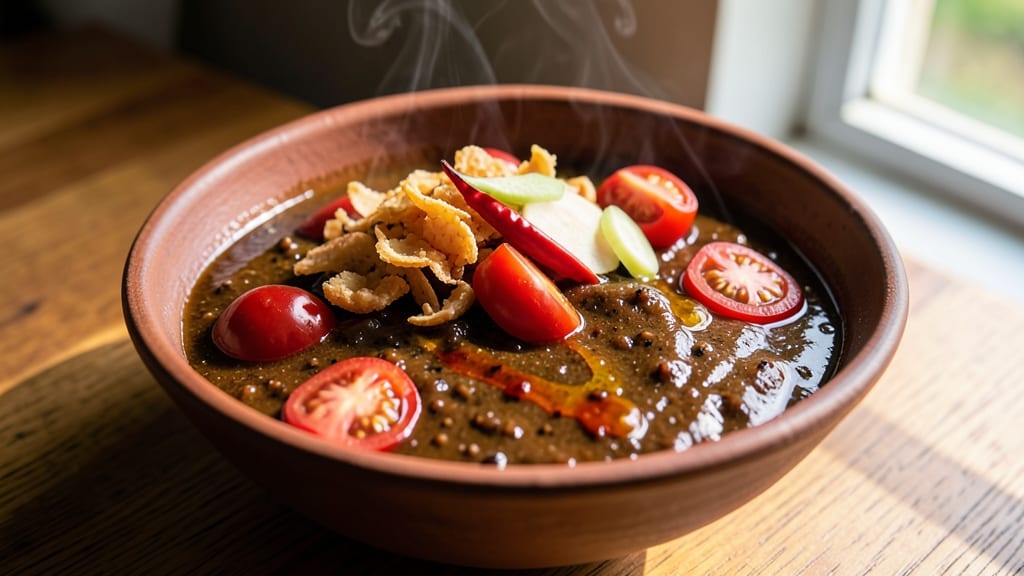
This azeka sauce recipe transforms simple dishes into vibrant, flavor-packed meals with its signature fermented shrimp paste heat and bright lime tang. This traditional West African sauce balances umami depth from palm oil and locust beans with the sharpness of fresh tomatoes and peppers—creating a complex base that elevates everything from grilled fish to fried plantains. The key lies in proper fermentation and blending techniques, which develop the sauce's signature richness over time.
At its core, azeke sauce relies on four essential elements: palm oil for its earthy richness, iru (fermented locust beans) for umami intensity, fresh tomatoes for acidity, and a blend of peppers for heat. The shrimp paste (azuke) adds a funky, savory depth that's unmistakable in West African cuisine.
Unlike many sauces that rely on heavy cream or butter, azeke gets its body from the natural fermentation process, resulting in a sauce that's both robust and balanced.
What makes this sauce truly special is its versatility—it works as a standalone condiment or as the foundation for hearty stews. The fermentation process enhances its flavor profile, making it taste even better after a few days in the fridge.
When paired with dishes like grilled tilapia, jollof rice, or fried yam, it brings a depth of flavor that's hard to replicate with store-bought alternatives.
Once you master this recipe, you'll find yourself reaching for azeke sauce whenever you want to add authentic West African flavor to your meals. The process is straightforward, but the reward—a sauce that's both complex and comforting—is well worth the effort.
Let's get started on creating this flavorful staple for your kitchen.
Ingredients for azeka sauce
Ten ingredients blend West African tradition with smoky chipotle creaminess for this vibrant, versatile dip.
| Ingredient | Amount | Notes |
|---|---|---|
| Red Palm Oil 🫒 | ½ cup | For earthy richness |
| Iru (Fermented Locust Beans) 🌶️ | ¼ cup | Ground into paste |
| Fresh Tomatoes 🍅 | 2 cups | Chopped, ripe preferred |
| Scotch Bonnet Peppers 🌶️ | 2 whole | Seeds removed for less heat |
| Shrimp Paste (Azuke) 🦐 | 1 tbsp | Fermented, funky flavor |
| Fresh Ginger 🌿 | 1 tbsp | Grated, fresh preferred |
| Garlic Cloves 🧄 | 4 cloves | Minced for depth |
| Lime Juice 🍋 | ¼ cup | Freshly squeezed |
| Cream Cheese 🧀 | 8 oz | Full-fat for creaminess |
| Chipotle Peppers in Adobo 🌶️ | 2 tbsp | Chopped, smoky flavor |
Palm oil is the backbone—look for red palm oil at African markets or specialty stores like African & Caribbean Foods. The iru (fermented locust beans) is non-negotiable for that deep umami; if you can't find it, substitute 1 tbsp soy sauce + 1 tsp miso as a pinch-hitter. Scotch bonnet peppers pack serious heat—wear gloves if you're sensitive. For shrimp paste, African grocery stores carry it, but you can find it online too. Fresh ginger and garlic should be vibrant, not shriveled. The cream cheese adds richness, but full-fat is key—low-fat won't blend right.
No palm oil? Coconut oil or olive oil works in a pinch, but the flavor won't be identical. Skip the iru? Mushroom powder or extra soy sauce adds umami depth. Chipotle peppers in adobo are essential for that smoky kick—no substitute comes close, but if you're desperate, 1 tbsp smoked paprika + 1 tsp liquid smoke might help. The tomatoes can be roasted for deeper flavor (toss chopped tomatoes on a baking sheet at 400°F for 10 minutes), but raw works fine too. For extra creaminess, blend in 2 oz Greek yogurt at the end. Want it spicier? Add 1 extra tbsp shrimp paste or a dash of cayenne.
This sauce tastes better the next day as flavors meld. Store in an airtight container in the fridge for up to 5 days. For longer storage, freeze in ice cube trays—perfect for adding to dishes later. The celery crowns (if serving as a dip) stay crisp for 3 days in the fridge if you wrap them tightly in a damp paper towel. Double the batch—it disappears fast, especially with warm pita chips or grilled fish on the side.
Why You'll Love This Recipe
- No Chopping Required: I swear by this one—just blitz the tomatoes and peppers in a blender, then let the iru and shrimp paste do the work. The red palm oil adds that signature richness without any extra effort, and honestly? My hands stay clean while the flavor explodes.
- Umami Bomb: That shrimp paste and fermented locust beans? Absolute magic. The heat from the Scotch bonnet lingers, but it’s balanced by the deep, savory punch of the iru—like a slow-cooked secret in every bite. I’ll be real: the first time I tasted this, I immediately doubled the recipe.
- Weeknight to Party Star: Serve it with pounded yam for a quick dinner or drizzle it over grilled fish at a gathering—it’s that adaptable. Between us, I’ve used the leftovers to jazz up rice the next day, and no one ever complains. (Yes, even on a Tuesday night.)
- Budget-Friendly Powerhouse: A little goes a long way, and these ingredients? They stretch further than you’d think. The iru and shrimp paste might sound fancy, but they’re my go-to for feeding a crowd without breaking the bank. Plus, the sauce keeps well—so I make a big batch and freeze portions. Smart, right?
Step-by-step instructions for azeka sauce
Here's how to blend bold West African flavors with smoky chipotle heat for a dip that's equal parts creamy and complex.
Toast the Fermented Locust Beans and Shrimp Paste
Heat the 0.5 cup red palm oil in a medium saucepan over medium-low heat. Add the 0.25 cup iru (fermented locust beans) and stir constantly for 3-4 minutes until the beans darken slightly and release their nutty aroma. This toasting step deepens their earthy flavor—don't let them burn, or they'll turn bitter.
Reduce heat to low and add the 1 tablespoon shrimp paste (azuke). Stir for another 2 minutes until the paste melts completely into the oil. You'll notice the mixture darken and smell intensely funky—that's exactly what you want. Remove from heat and set aside for now. The shrimp paste adds that signature umami punch that makes this sauce unforgettable.
Build the Tomato-Chipotle Base
In the same saucepan, add the 2 cups chopped fresh tomatoes and 2 whole Scotch bonnet peppers (seeds removed). Cook over medium heat for 8-10 minutes until the tomatoes break down into a chunky sauce. Stir occasionally, scraping up any browned bits from the bottom—they're packed with flavor.
Add the 1 tablespoon grated fresh ginger, 4 minced garlic cloves, and 2 tablespoons chopped chipotle peppers in adobo. Cook for another 3-4 minutes until the garlic is fragrant and the mixture smells like a spicy tomato party. The chipotle peppers bring that smoky depth that pairs perfectly with the West African flavors. Taste at this point—you should have a vibrant, slightly spicy tomato base.
Blend with Cream Cheese for Creamy Texture
Reduce heat to low and add the 8 ounces cream cheese in small pieces, stirring constantly until fully melted and smooth. This is where the sauce transforms from tangy to velvety. If the mixture looks too thick, add 1-2 tablespoons water to loosen it slightly—you want it to coat the back of a spoon but still be spreadable.
Stir in the 0.25 cup freshly squeezed lime juice and the toasted iru-shrimp paste mixture. The lime brightens everything up while the fermented beans add that signature funk. Taste and adjust seasoning—you might want to add a pinch more salt if needed. The sauce should be rich, slightly spicy, and perfectly balanced between creamy and tangy.
Simmer and Finish
Return the sauce to medium-low heat and let it simmer gently for 5-7 minutes, stirring occasionally. This final step allows all the flavors to meld together beautifully. You'll notice the sauce thicken slightly as it cooks down—this is normal and desirable.
Remove from heat and let it cool for 10 minutes before serving. The flavors will continue developing as it sits. For extra richness, you can finish with a drizzle of the remaining red palm oil. This sauce tastes even better the next day as the flavors deepen, so it's perfect for making ahead.
Pro Tips For Making Azeka Sauce
- Bloom the Iru First: Dump that fermented locust bean paste into your pot dry and let it sit for 2-3 minutes before adding oil or water. I learned this the hard way—skipping this step makes the sauce taste raw and bitter. The paste needs time to soften and release its umami properly.
- Heat the Oil Slow: Warm your red palm oil on low heat until it’s just shimmering—about 110°F (43°C)—before adding shrimp paste. Too much heat burns the azuke and makes the sauce taste acrid. Think "gentle simmer," not "sizzle."
- Toast the Scotch Bonnet: Fry the whole pepper in the oil for 30 seconds until it darkens slightly, then smash it with a spoon. This deepens the heat and aroma without overwhelming the sauce. (Yes, even if you’re impatient like me.)
- Simmer, Don’t Boil: Once everything’s blended, keep the sauce at a barely bubbling simmer for 15-20 minutes. Boiling hard turns it watery and dulls the flavors. Cover loosely and let it work—this is where the depth happens.
Best sauces and condiments for this dish
Classic West African Pairings
This sauce shines as a condiment with grilled tilapia or fried plantains, where its smoky chipotle heat cuts through the richness. I always serve it alongside jollof rice—the tangy tomato-chipotle flavors balance perfectly with the rice's spiced grains.
For a hearty meal, pair it with yam porridge or bean stew to create a full West African spread. 🍽️
The sauce also works as a marinade for chicken skewers—let the pieces sit in the sauce for 30 minutes before grilling to infuse maximum flavor. If you're serving it as a dip, pair it with crispy pita chips or celery crowns for a refreshing contrast.
The creaminess of the sauce makes it ideal for dipping, while the heat keeps things exciting.
Global Fusion Twists
For a Mexican-West African fusion, serve this sauce with tortilla chips and guacamole—the chipotle peppers bridge the two cuisines beautifully. I’ve also drizzled it over blackened shrimp tacos for a bold, smoky-sweet contrast. The cream cheese adds a luxurious texture that elevates any dish it touches. 🌶️
Try it as a pasta sauce by tossing it with fettuccine and topping with crumbled feta and toasted pine nuts. The acidity from the lime juice cuts through the richness of the pasta, while the shrimp paste adds a depth that store-bought sauces can’t match.
For a vegetarian option, blend it into a creamy mushroom risotto for a unique twist.
Sweet and Savory Balance
Balance the heat of this sauce with sweet plantains or mango slices for a dessert-like contrast. The natural sweetness of the fruit tames the spice while highlighting the sauce’s complex flavors. I love serving it with grilled pineapple for a tropical-inspired dish that feels both familiar and exciting. 🍍
For a breakfast twist, spread it on toasted bagels with a sprinkle of sesame seeds and everything bagel seasoning. The cream cheese base makes it spreadable, while the chipotle and shrimp paste add a savory kick that’s perfect for brunch.
It’s a flavor combination you won’t find in most kitchens!
Storage and Flavor Development
Store leftovers in an airtight container in the fridge for up to 5 days—the flavors actually improve as the ingredients meld together. For longer storage, freeze the sauce in ice cube trays and transfer to a bag once frozen.
Thaw in the fridge overnight and stir in a splash of water if it thickens too much. 🧊
If the sauce separates after refrigeration, simply stir it vigorously or blend it briefly to restore its creamy texture. The lime juice may cause slight separation, but this doesn’t affect the flavor.
For extra richness, add a drizzle of red palm oil before serving. The sauce tastes best after 24 hours, so plan ahead for maximum flavor impact!
Nutrition facts
Frequently asked questions
What's the secret to getting the right balance of heat in azeka sauce?
The key is using Scotch bonnet peppers (seeds removed for less heat) and controlling the shrimp paste amount. Start with 1 tablespoon azuke—this adds funky depth without overwhelming spice. For milder heat, reduce to ½ tablespoon and add extra lime juice (0.35 cup) to brighten the flavors. Always taste as you go!
Can I make this sauce without shrimp paste (azuke)?
Yes, but the flavor will be less authentic. For a substitute, mix 1 tbsp soy sauce + 1 tsp miso paste + ½ tsp smoked paprika to mimic the umami funk. The sauce will still be delicious but will lack that signature West African depth. If you can't find azuke, check African specialty stores or order online.
Why does my azeka sauce look too thick after cooking?
This happens when the cream cheese isn't fully melted or the sauce cooks down too much. Fix it by adding 1-2 tablespoons water or lime juice while stirring gently over low heat for 2 minutes. For extra creaminess, blend in 2 oz Greek yogurt at the end. The sauce should coat the back of a spoon but still be spreadable.
How do I adjust this sauce for spicier or milder heat?
For extra heat, add ½ extra Scotch bonnet pepper (seeds in) or 1 tsp cayenne. For milder heat, remove seeds from all peppers and reduce shrimp paste to ½ tablespoon. The lime juice (0.25 cup) naturally balances heat, so don't skip it—it brightens the entire sauce and makes the spice more enjoyable.
Can I use this sauce as a marinade for meat?
This sauce works perfectly as a marinade for chicken skewers or beef strips. Let the meat sit in the sauce for 30-60 minutes before grilling or frying. For extra tenderness, add 1 tbsp honey to the marinade. The cream cheese base makes it rich enough to caramelize beautifully on the grill.