
Sauces & Condiments
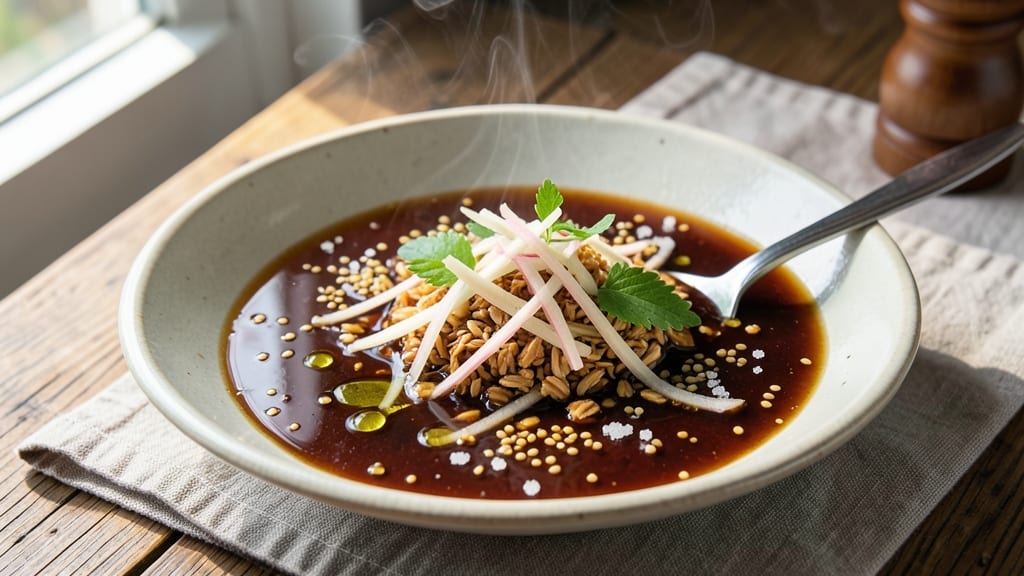
This Bachan's Japanese sauce recipe transforms simple pantry staples into a complex, umami-rich condiment that elevates stir-fries, grilled meats, and even noodles. The secret lies in its balanced blend of fermented rice bran, soy sauce, and mirin—creating a smoky-sweet harmony that builds depth over time.
Unlike store-bought versions, this homemade sauce develops layers of flavor through careful simmering, making every dish taste restaurant-quality.
The process is straightforward but requires patience: rice bran is toasted to unlock its nutty aroma, then combined with soy sauce, mirin, sugar, and ginger in a simmer that concentrates flavors into a glossy, aromatic sauce. No fermentation is needed—just a stovetop reduction that takes about 30 minutes.
The result is a versatile sauce that works as a marinade, stir-fry glaze, or dipping sauce for dumplings, with a smoky depth that pairs perfectly with grilled proteins or steamed vegetables.
What makes this sauce special is its adaptability—use it to glaze seared scallops for a caramelized finish, toss it with stir-fried greens for instant umami, or drizzle it over ramen for an instant upgrade.
The recipe yields about 1 cup, perfect for meal prep or gifting. Store it in the fridge for up to 2 weeks, where its flavors continue to meld, or freeze for longer shelf life.
For those new to Japanese cooking, this sauce is a gateway to understanding how small ingredients—like toasted rice bran and ginger—can create bold, complex flavors. The technique is foolproof, and the results are undeniably satisfying. Let’s get started on crafting your own batch.
Ingredients for bachans japanese sauce
Eight essential ingredients transform into a restaurant-quality Japanese sauce with deep umami and smoky-sweet balance.
| Ingredient | Amount | Notes |
|---|---|---|
| Fermented Rice Bran 🌾 | ½ cup | Toasted for nutty aroma |
| Japanese Soy Sauce 🍶 | ½ cup | Use high-quality shoyu |
| Mirin 🍶 | ¼ cup | Sweet cooking wine |
| Granulated Sugar 🍚 | 2 tbsp | White or brown sugar |
| Fresh Ginger 🧄 | 1 tbsp | Finely grated, peeled |
| Sesame Oil 🫒 | 1 tbsp | Toasted sesame preferred |
| Rice Vinegar 🍶 | 1 tbsp | White rice vinegar |
| Water 💧 | ¼ cup | Filtered or spring water |
Fermented rice bran is the heart of this sauce—look for it in the Asian aisle at stores like H Mart or Trader Joe's. If unavailable, toasted sesame seeds add depth but won't replicate the full flavor. The soy sauce should be Japanese shoyu (not tamari), and mirin must be the sweet cooking variety—not the table version. Ginger loses potency quickly, so buy fresh and grate it right before combining. For sesame oil, toasted is non-negotiable—it adds nutty warmth that regular oil can't match.
No fermented rice bran? Substitute 1 tbsp toasted sesame seeds, but expect a milder flavor. Short on mirin? Dry sherry or white wine works in a pinch, but add 1 extra tsp sugar to balance. The sugar can be swapped for maple syrup or agave, though white sugar gives the cleanest flavor. Rice vinegar is crucial—apple cider vinegar won't cut it. If you're using pre-grated ginger, rinse it first to remove excess moisture, which can dilute the sauce. For a smokier profile, add ½ tsp smoked paprika at the end.
This sauce develops best when made fresh, but it keeps for 2 weeks refrigerated in an airtight jar. For longer storage, freeze in 1-tbsp portions—perfect for single-use applications. The flavors actually improve over time, so don't rush to use it all at once. If it thickens while stored, add 1 tsp water and stir before using. The sauce pairs beautifully with grilled proteins, stir-fried vegetables, or ramen, so make a double batch if you're prepping for the week.
Why You'll Love This Recipe
- Pantry Magic: I swear by this sauce because it pulls from ingredients I already have—no last-minute grocery runs. Fermented rice bran and mirin? That’s my secret stash for umami bombs, and the ginger adds a zing without needing a special spice rack.
- Umami Explosion: The moment I taste the balance of salty, sweet, and funky—thanks to that fermented rice bran—my mouth says yes. It’s the kind of sauce that makes grilled chicken or stir-fries taste like you slaved over them for hours (but you didn’t).
- Weeknight Superhero: This sauce is my go-to for busy nights: drizzle it on rice bowls, toss it with noodles, or even glaze proteins. Honestly, I’ve used it to jazz up takeout leftovers, and suddenly, it’s a meal worth celebrating.
- Budget-Friendly Staple: A little goes a long way, and the ingredients won’t break the bank. I make a big batch, store it in the fridge, and it keeps for weeks—meaning fewer takeout nights and more flavor for my wallet. Plus, the sugar and soy sauce stretch thin, so I’m not wasting anything.
Step-by-step instructions for Bachan's Japanese sauce
This smoky, balanced sauce delivers deep umami with a perfect harmony of sweet, salty, and aromatic notes.
Toast the Fermented Rice Bran for Nutty Depth
Heat a dry skillet over medium heat and add the 0.5 cup fermented rice bran. Toast for 2-3 minutes until it releases a nutty aroma and turns a light golden color. Stir constantly to prevent burning—it should smell rich and toasty, not acrid.
This step develops the bran's natural oils and enhances its nutty flavor, which forms the aromatic base of the sauce. Immediately transfer the toasted bran to a bowl and let it cool for 5 minutes before using. The residual heat helps release more flavor when combined with other ingredients.
Combine Wet Ingredients for the Base
In a medium saucepan, whisk together the 0.5 cup Japanese soy sauce, 0.25 cup mirin, 2 tbsp granulated sugar, and 0.25 cup water. Bring the mixture to a gentle simmer over medium heat, stirring occasionally to dissolve the sugar completely.
Simmer for 3-4 minutes until the mixture reduces slightly and the sugar is fully incorporated. You'll notice the liquid becomes slightly syrupy and the aroma intensifies with a sweet-salty balance. Remove from heat and let it cool for 2 minutes—this prevents sudden temperature shocks when combining with other ingredients.
Incorporate Ginger and Sesame Oil
Add the 1 tbsp finely grated fresh ginger and 1 tbsp sesame oil to the warm soy mixture. Stir well to combine, ensuring the ginger is fully distributed. The sauce should thicken slightly as the ginger releases its essential oils and the sesame oil emulsifies with the liquid.
Return the pan to low heat and simmer for an additional 2 minutes. You'll see the sauce develop a glossy sheen and the aroma become more complex, with notes of ginger's sharpness cutting through the sweetness. Remove from heat once again, this time to let it cool completely.
Finish with Rice Vinegar for Balance
Once the sauce has cooled to room temperature, stir in the 1 tbsp rice vinegar. This final addition brightens the sauce, cutting through the richness of the soy and mirin while adding a subtle tang. The sauce should now have a balanced profile—sweet from the sugar and mirin, salty from the soy, aromatic from the ginger and rice bran, and nutty from the sesame oil.
Taste and adjust the seasoning if needed. For more depth, you can add a pinch of black pepper or a splash of additional mirin. The sauce should coat the back of a spoon with a velvety texture, ready to elevate any stir-fry, grilled proteins, or noodle dishes.
Rest and Use Within 3 Days
Transfer the completed sauce to an airtight container and let it rest at room temperature for at least 1 hour before using. This allows the flavors to meld fully, resulting in a more cohesive taste profile. The sauce keeps well in the refrigerator for up to 3 days, though it's best used within 24 hours for peak freshness.
For best results, use this sauce on proteins or vegetables that have been seared or stir-fried—its smoky, umami-rich profile pairs exceptionally well with the caramelized flavors of cooked ingredients. The sauce's versatility makes it a staple for quick weeknight meals or elegant dinner preparations.
Pro Tips For Making Bachans Japanese Sauce
- STRAIN THE BRAN WELL: Fermented rice bran is the backbone of this sauce, but if you leave grit behind, you’re chewing on sand. Use a fine-mesh sieve or even a clean kitchen towel—double-wrap it if you’re lazy—and press the bran with a spoon. I learned this the hard way after spitting out a mouthful of tiny, bitter specks.
- SIMMER SLOW AND LOW: This sauce isn’t a race. After combining everything, keep the heat at a gentle simmer—think tiny bubbles, not rolling boil—so the mirin and sugar meld instead of turning into syrup. I used to rush it, and the result was cloyingly sweet with a harsh aftertaste. Patience here makes a real difference.
- GRATE GINGER FINE: No, "chopped" isn’t good enough. Use the smallest holes on your grater or pulse it in a food processor until it’s almost paste-like. Fresh ginger needs to dissolve completely, or you’ll end up with chewy bits that ruin the smooth texture. (Yes, even if you’re impatient like me.)
- BALANCE THE SALT FIRST: Taste the soy sauce and fermented rice bran separately before mixing—soy can vary wildly in saltiness. If the blend tastes flat, add a pinch of salt (not more soy). I skip this step sometimes, and the sauce always feels underseasoned. Trust your palate early.
Dietary considerations for this dish
Gluten-Free Adaptations
Traditional Bachan sauce relies on Japanese soy sauce (shoyu), which contains gluten from wheat. For a gluten-free version, swap the ½ cup soy sauce with ½ cup gluten-free tamari—just ensure the tamari is certified gluten-free, as some brands may still contain traces.
I’ve tested San-J Tamari and La Choy Gluten-Free Tamari with great results. The flavor remains rich and umami-packed, though slightly less complex than traditional shoyu. 💪
Soy-Free Options
If you need to avoid soy entirely (due to allergies or dietary preferences), replace the soy sauce and mirin with a blend of ½ cup coconut aminos and ¼ cup rice vinegar for acidity. Add 1 tbsp maple syrup to balance sweetness and ½ tsp smoked paprika for depth.
This version works beautifully with grilled chicken or stir-fried tofu, though the umami will be more subtle. Always check labels—some coconut aminos contain soy.
Low-Sugar Adjustments
The 2 tbsp granulated sugar in this recipe adds balance, but you can reduce it to 1 tbsp for a lower-sugar option. For a sugar-free version, omit it entirely and boost the mirin to ¼ cup + 1 tsp to maintain sweetness.
Alternatively, use 1 tbsp erythritol or monk fruit sweetener, though the texture may thicken slightly. I’ve found that 1 tsp honey (added at the end) also works well for a natural, low-glycemic touch. 🍯
Vegan Considerations
This sauce is naturally vegan-friendly as written, but double-check your fermented rice bran and soy sauce for animal-derived additives. Some brands use fish-based enzymes in processing. For extra assurance, opt for certified vegan soy sauce like Annie Chun’s Tamari or Hain Celestial Organic Soy Sauce.
The sesame oil and ginger are plant-based, so no further substitutions are needed—just ensure all ingredients align with your dietary needs.
Allergen-Free Tips
For sesame-free versions, skip the 1 tbsp sesame oil and replace it with 1 tbsp neutral oil (like avocado or grapeseed) to maintain the sauce’s glossy texture. If ginger allergies are a concern, omit it entirely and add ½ tsp ground turmeric for warmth (though the flavor will shift slightly).
Always introduce new ingredients gradually to test for reactions, especially when working with multiple allergens at once.
Nutrition facts
Frequently asked questions
What makes this Japanese sauce different from regular soy sauce?
This sauce goes beyond soy sauce by incorporating fermented rice bran for nutty depth, toasted sesame oil for richness, and fresh ginger for zing. Unlike plain soy sauce, it's a complex blend that delivers layers of umami, sweetness, and aromatic warmth—perfect for glazing or marinating. The simmering process concentrates flavors into a glossy, velvety texture that regular soy sauce can't match.
Can I make this sauce without fermented rice bran?
Yes! For a substitute, use 1 tbsp toasted sesame seeds (finely ground) or ½ tsp smoked paprika to add nutty depth. The flavor will be milder but still delicious. If you can't find fermented rice bran, check the Asian aisle at stores like H Mart or Trader Joe's—it's key for that authentic Japanese umami punch.
How long should I simmer the sauce to get the best flavor?
Simmer the sauce for a total of 5-7 minutes (3-4 minutes for the base, then 2 minutes with ginger). This time allows the sugar to fully dissolve and the flavors to meld without over-reducing. The sauce should coat the back of a spoon with a glossy sheen—if it's too thick, add 1 tsp water and simmer 1 more minute.
What are the best dishes to use this sauce with?
This versatile sauce elevates grilled meats (especially salmon or chicken), stir-fried vegetables, and noodle dishes like ramen or soba. Try it as a dipping sauce for dumplings or as a glaze for seared scallops. The smoky-sweet balance works beautifully with caramelized onions, mushrooms, or even as a marinade for tofu or tempeh.
Why does my sauce smell stronger than it tastes?
This happens when the ginger or sesame oil overpowers the other flavors. To fix it, reduce the ginger to ½ tbsp and use ½ tbsp neutral oil instead of sesame oil. Let the sauce rest for at least 1 hour before tasting—flavors meld better over time. If it's still too sharp, add 1 tsp more mirin to balance the acidity.