
Sauces & Condiments
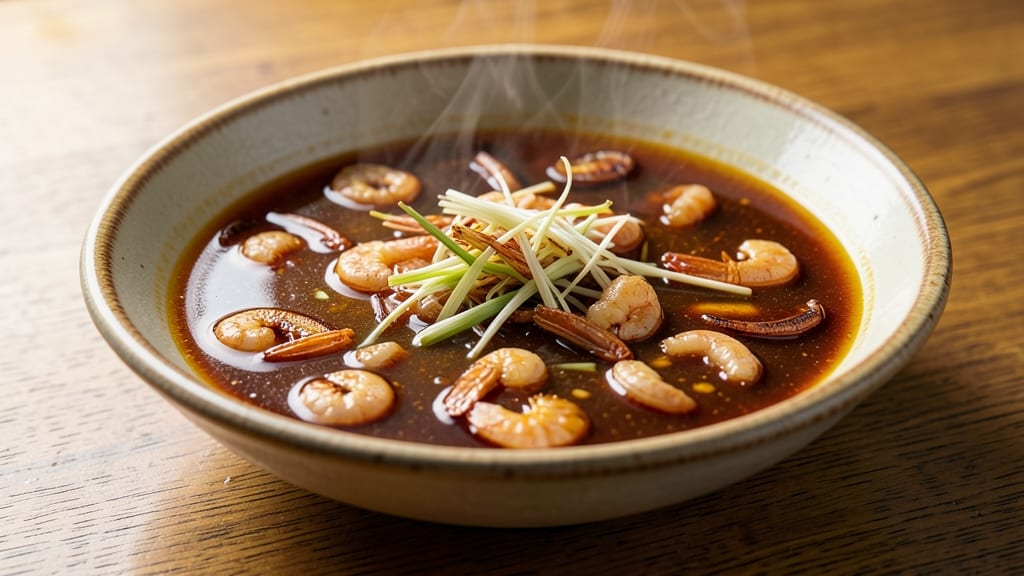
This Bak Kut Teh sauce recipe transforms simple ingredients into a rich, aromatic infusion that defines Singaporean comfort food. The deep fermentation of shrimp and lemongrass creates layers of umami and citrus brightness, a balance that elevates humble pork bones into something extraordinary.
What makes this sauce special is its complexity—simmered slowly with spices, soy sauce, and fermented shrimp paste to develop that signature depth.
The process begins with a fragrant paste of shrimp, lemongrass, and galangal, which infuses the broth with its signature flavor. As it simmers for hours, the sauce reduces to a concentrated, velvety consistency that clings to every bite.
This isn't just a condiment; it's the soul of Bak Kut Teh, turning simple ingredients into a restaurant-worthy experience with minimal effort.
What you’ll end up with is a deeply aromatic, slightly sweet-savory sauce that’s perfect for braising meats, drizzling over noodles, or serving as a dip. The fermentation process unlocks flavors that store-bought versions can’t replicate, making this a sauce worth the time investment.
Once you taste the difference, you’ll never go back to instant packets.
Whether you’re preparing a traditional Bak Kut Teh or using it as a marinade, this sauce delivers restaurant-quality depth in every spoonful. The best part? It keeps well in the fridge, so you can make a big batch and enjoy it all week.
Let’s get started on creating this flavorful foundation.
Ingredients for bak kut teh sauce
Eleven ingredients transform into a deeply aromatic, restaurant-quality sauce that defines Bak Kut Teh.
| Ingredient | Amount | Notes |
|---|---|---|
| Dried Shrimp 🦐 | ½ cup | Fermented for umami depth |
| Lemongrass Stalks 🌿 | 4 whole | Bruised for maximum aroma |
| Galangal Root 🥕 | 2 oz | Fresh, peeled, chopped |
| Shrimp Paste (Kapi) 🧂 | 2 tbsp | Fermented, pungent flavor |
| Light Soy Sauce 🍶 | ½ cup | For balance and depth |
| Dark Soy Sauce 🍶 | 1 tbsp | For rich color and sweetness |
| Pork Bones 🍖 | 2 lb | Marbled for extra flavor |
| Garlic Cloves 🧄 | 4 cloves | Minced for aromatic punch |
| Shallots 🧅 | 4 whole | Peeled, sliced thin |
| Cinnamon Sticks 🌿 | 2 whole | For subtle warmth |
| Star Anise Pods 🌶️ | 2 whole | Crushed lightly |
| Bay Leaves 🌿 | 2 whole | Fresh preferred |
| Sugar 🍯 | 2 tbsp | Balances acidity |
| Water 💧 | 4 cups | Filtered preferred |
The shrimp paste and lemongrass are non-negotiable for that signature depth. Shrimp paste (kapi) should be the fermented kind—it's what gives the sauce its funky, umami-rich foundation. Asian markets carry it in jars, and it's worth hunting down if you want that authentic flavor. Fresh galangal and lemongrass make all the difference too—skip the dried versions unless you're desperate. I always grab extra galangal because it's the backbone of the flavor, and you'll want some left over for future batches. The pork bones? Marbled ones are key—they add richness that store-bought broths can't match.
No shrimp paste? Double the fermented shrimp and add a dash of fish sauce, but you'll miss that funk. Dried lemongrass or galangal? Soak them in hot water for 20 minutes first to revive their flavor. Star anise and cinnamon are optional but add complexity—skip them if you prefer a cleaner taste. The soy sauces can be swapped for tamari if you're gluten-free, but light and dark soy together create that perfect balance. Sugar substitutes? Coconut sugar or honey work, but they'll change the texture slightly. And if you're short on time, pre-minced garlic from the jar is fine, though fresh is always better.
This sauce gets better with time—ferment in the fridge for 24 hours before using if possible. Keeps for 2 weeks in the fridge or 3 months frozen. I always make a big batch because it's so versatile—braise meats, toss with noodles, or use as a marinade. For freezing, portion into ice cube trays first, then transfer to a bag. Thaw overnight in the fridge before using—never microwave it directly, or you'll break the emulsion.
Why You'll Love This Recipe
- Pantry Magic: I swear by this sauce—no fresh herbs needed. Those dried shrimp and lemongrass stalks sit in my cupboard for months, ready to transform a pot of pork (or chicken, or tofu) into something ridiculously good with just a quick soak and simmer.
- Umami Bomb: The shrimp paste and galangal? That’s the flavor trifecta. Light soy sauce ties it all together—deep, salty, with this bright citrusy kick that makes every bite taste like a hug from a Singaporean grandma.
- Leftovers’ Best Friend: This sauce begs to be made in bulk. Simmer it down, store it in jars, and drizzle it over rice, noodles, or even grilled fish later. My freezer’s always stocked with it—because nothing beats reheating a jar of this golden, aromatic goodness.
- Budget Flex: Honestly, the ingredients won’t break the bank. Dried shrimp and galangal last forever, and a tiny block of shrimp paste stretches across multiple batches. It’s the kind of recipe where you spend more on the pork than the sauce—and still feel like you’re dining out.
Step-by-step instructions for bak kut teh sauce
Here's how to build this aromatic, fermented base that defines Singapore's most beloved pork soup.
Prepare the Aromatics and Pork Base
Start by crushing the 4 whole lemongrass stalks with the flat side of a knife to release their essential oils. This step is crucial—it unlocks the bright citrusy notes that define bak kut teh. In the same pot, add the 2 oz galangal root (peeled and chopped) and the 2 tbsp shrimp paste (kapi). The shrimp paste will develop its signature pungent aroma as it cooks.
Add the 2 lb pork bones to the pot and toast them over medium-high heat for 5-7 minutes, stirring occasionally, until they develop a deep golden crust. This caramelization builds foundational flavor. Remove the bones and set aside for later. In the same pot, add the 4 whole shallots (peeled and sliced thin) and 4 cloves garlic (minced). Sauté for 3-4 minutes until the shallots soften and the garlic becomes fragrant.
Build the Spice Infusion
Return the pork bones to the pot and add the 4 cups water, bringing everything to a boil. Once boiling, reduce heat to low and add the 2 whole cinnamon sticks, 2 whole star anise pods, and 2 whole bay leaves. These spices will gently steep, infusing the broth with subtle warmth and complexity. Let the mixture simmer uncovered for 30 minutes to allow the spices to release their flavors without overpowering the broth.
After 30 minutes, add the 0.5 cup dried shrimp and 2 tbsp sugar. The sugar helps balance the acidity from the soy sauces we'll add later. Let this simmer for another 15 minutes, stirring occasionally. You'll notice the dried shrimp rehydrating and the broth developing a rich, amber hue.
Develop the Umami Depth
Increase heat to medium and add the 0.5 cup light soy sauce and 1 tbsp dark soy sauce. The dark soy sauce will give the broth its signature deep color, while the light soy sauce adds balance. Stir well and let the mixture simmer for 20-25 minutes, reducing the liquid slightly. You're looking for a concentrated, aromatic broth with a thick, syrupy consistency—this is where the sauce's complexity develops.
Taste the broth and adjust seasoning if needed. It should be rich, slightly sweet, and deeply savory with notes of lemongrass and galangal. If it needs more depth, add a splash of water and simmer for another 5 minutes. The sauce is ready when it coats the back of a spoon and has a glossy, velvety texture.
Finish and Strain
Remove the pot from heat and let the sauce steep for 10 minutes to allow all the flavors to meld. Strain the sauce through a fine-mesh sieve, pressing gently on the solids to extract every last drop of flavor. Discard the solids—you don't want any fibrous or woody bits in your final sauce.
Your bak kut teh sauce should now have a deep amber color and a rich, layered aroma. It should be thick enough to coat the back of a spoon but still pour smoothly. Let it cool to room temperature before storing in an airtight container in the refrigerator for up to 5 days, or freeze for up to 3 months. This sauce is the heart of your bak kut teh—use it as a base for the pork broth or as a marinade for the meat.
Pro Tips For Making Bak Kut Teh Sauce
- Bloom the Shrimp Paste: Toss the shrimp paste (kapi) into the hot oil before adding lemongrass or galangal—it needs 30 seconds to sizzle and release its aroma. I used to add it last, and the sauce smelled flat until I realized the paste’s magic happens when it hits the oil first.
- Slice Galangal Thinly: Skip the thick chunks—grate or slice galangal paper-thin so it dissolves into the sauce instead of sitting as chewy bits. A microplane works best, and trust me, your sauce will taste deeper if you do this step.
- Simmer Slow and Low: After adding soy sauce, drop the heat to the lowest setting and let the sauce bubble gently for at least 15 minutes. Rushing this step makes the flavors one-dimensional—patience here makes all the difference.
- Toast Dried Shrimp First: Dry-roast the dried shrimp in a dry pan for 1-2 minutes until fragrant before adding them to the sauce. This removes the fishy edge and concentrates their umami punch—no need to soak them, just toast and toss.
Creative variations of this bak kut teh sauce
Classic vs. Fermented
The traditional bak kut teh sauce relies on a 24-hour fermentation of shrimp paste and lemongrass, creating a funky, umami-rich depth. For a quicker version, skip fermentation and simmer the paste with the broth for 30 minutes instead.
The fermented version has a more complex, tangy edge, while the quick version delivers bright, citrusy notes immediately. 💫
Spicy Heat Boost
Add 1 tbsp chili paste or 1-2 dried chilies to the simmering broth for a fiery kick. For a smoky twist, include ½ tsp smoked paprika when adding the soy sauces. Balance the heat with an extra ½ tbsp sugar to prevent overpowering the delicate lemongrass and galangal flavors.
Vegetarian Adaptation
Replace pork bones with mushroom stems or kelp for umami depth. Use vegan shrimp paste (available at Asian markets) and soy sauce alternatives like tamari. The sauce will still develop rich layers, though the texture may be slightly lighter. Ferment for 12 hours to intensify flavors without meat.
Sweet-Savory Balance
Adjust the sugar-to-soy ratio to your taste: reduce sugar by ½ tbsp for a more savory profile or add 1 tsp honey for a caramelized finish. For a tropical touch, stir in ½ cup coconut milk at the end and simmer for 5 minutes.
This works beautifully with seafood-based dishes like fish or shrimp.
Regional Twists
In Johor Bahru, add 1 tbsp belacan (shrimp paste) and 1 stalk lemongrass for a stronger Peranakan flavor. For a Penang-inspired version, include 1 tsp turmeric and ½ tsp coriander seeds during the spice infusion. Both variations deepen the sauce’s aromatic complexity while keeping the signature sweet-savory balance.
Storage Hacks
For longer shelf life, freeze the sauce in ice cube trays—thaw individual cubes as needed for precise measurements. To revive stale sauce, reheat with 1 tbsp water and ½ tsp soy sauce over low heat for 5 minutes.
The sauce thickens as it cools, so adjust consistency with a splash of water if needed. ✨
Nutrition facts
Frequently asked questions
Can I substitute shrimp paste if I can't find it?
Yes, but the flavor will differ slightly. Double the dried shrimp to 1 cup and add 1 tbsp fish sauce to replicate the umami depth. The sauce will lose some of its funky complexity, but it'll still taste delicious. For authenticity, hunt for shrimp paste at Asian markets or online.
How long should I ferment the sauce for the best flavor?
For maximum depth, ferment the sauce in an airtight container in the fridge for 24 hours before using. This allows the shrimp paste and lemongrass to develop their signature funky, tangy notes. If you're short on time, simmer the aromatics for 30 minutes instead, but the flavor won't be as complex.
Why does my bak kut teh sauce look too thin?
If your sauce is too thin, simmer it uncovered for another 10-15 minutes to reduce the liquid. For a quicker fix, mix 1 tbsp cornstarch with 2 tbsp water, stir into the sauce, and simmer for 2-3 minutes until thickened. Avoid over-reducing, or the sauce may become too concentrated.
Can I make this sauce without pork bones?
For a vegetarian version, replace pork bones with mushroom stems or kelp to add umami depth. Use vegan shrimp paste and ferment for 12 hours to intensify flavors. The texture will be slightly lighter, but the aromatic profile will remain rich and complex.
How do I store leftover sauce?
Store in an airtight container in the fridge for up to 5 days, or freeze for 3 months. For easy portioning, freeze in ice cube trays—thaw individual cubes as needed. To revive frozen sauce, reheat gently with 1 tbsp water and ½ tsp soy sauce over low heat for 5 minutes.