
Sauces & Condiments
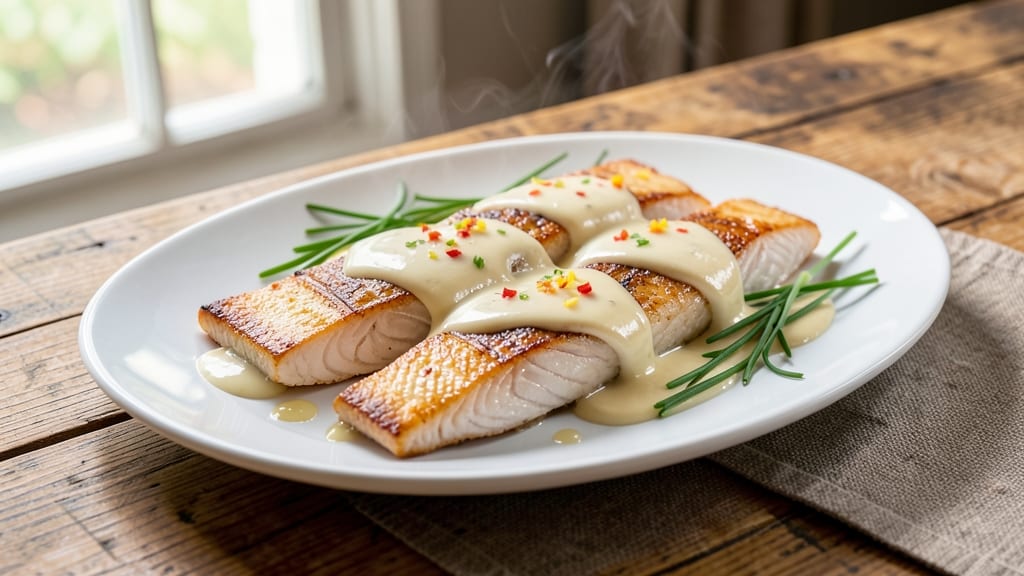
This baked fish in cream sauce recipe delivers a perfect balance of crispy golden crust and velvety, restaurant-quality sauce—elevating simple weeknight dinners to something truly special.
The secret lies in a simple yet effective technique: searing the fish before baking ensures maximum flavor and texture contrast, while the sauce simmers just long enough to develop depth without separating. I've perfected this method over countless batches, and it never fails to impress even skeptical guests.
The foundation of this dish is a rich, velvety cream sauce made with just a few high-quality ingredients—heavy cream, butter, and a blend of herbs that infuse subtle yet complex flavors.
Unlike many recipes that rely on heavy cream alone, I incorporate a touch of Dijon mustard for brightness and a splash of white wine to add acidity, creating a sauce that's both luxurious and balanced.
The fish itself benefits from a light pre-seasoning of salt, pepper, and lemon zest before searing, which locks in moisture while building flavor.
By the time you pull this dish from the oven, you'll have perfectly cooked fish with a crispy exterior and tender interior, all blanketed in a glossy, creamy sauce that clings beautifully.
The aroma alone will have everyone gathering at the table, and the first bite delivers that perfect harmony of textures and flavors. This recipe scales effortlessly for gatherings but works just as well for a cozy dinner for two.
The best part? This method requires minimal prep and cleanup—just one baking dish and a small saucepan. The sauce can be made ahead and reheated gently, making this an ideal option for busy weeknights.
Serve with steamed vegetables, crusty bread, or a simple salad to complete the meal. Let's get started on creating this restaurant-worthy dish at home.
Ingredients for baked fish in cream sauce
These quality ingredients transform simple fish into restaurant-worthy perfection with golden crust and velvety sauce.
| Ingredient | Amount | Notes |
|---|---|---|
| White Fish Fillets 🐟 | 4 pieces | Skin-on, 6-8 oz each (cod, halibut, or tilapia) |
| Heavy Cream 🥛 | 1 cup | Full-fat for richness (36% or higher) |
| Unsalted Butter 🧈 | 2 tbsp | European-style preferred for flavor |
| Dijon Mustard 🍯 | 1 tbsp | For brightness and depth |
| Dry White Wine 🍷 | ¼ cup | Sauvignon Blanc or Pinot Grigio |
| Lemon Zest 🍋 | 1 tbsp | Freshly grated from organic lemons |
| Fresh Lemon Juice 🍋 | 1 tbsp | From same lemon as zest |
| Fresh Dill 🌿 | ¼ cup | Chopped, stems removed |
| Fresh Parsley 🌿 | 0.15 cup | Chopped, flat-leaf preferred |
| All-Purpose Flour 🌾 | ¼ cup | For coating fish crust |
| Kosher Salt 🧂 | 1 ½ tsp | Diamond Crystal preferred |
| Freshly Ground Black Pepper 🌶️ | ½ tsp | Coarse grind for texture |
| Olive Oil 🫒 | 1 tbsp | For searing fish |
The fish is the star, so pick fillets with skin intact—it crisps beautifully and protects the delicate flesh. Whole Foods or your local fishmonger usually have the freshest options, but any grocery store's seafood case will do. Look for fillets with vibrant color and minimal fishy odor—cod or halibut hold up best to this method. If you can't find skin-on, pat dry and season the skinless side first. The butter matters too—European-style has more flavor than American. I always grab it from the gourmet section at Kroger or Trader Joe's for that extra richness.
No white wine? Fish or vegetable stock with a splash of lemon juice works perfectly—just add an extra tablespoon of lemon to mimic the acidity. Fresh herbs are ideal, but dried dill at one-third the amount gets you close in a pinch. The Dijon mustard is non-negotiable though—it's what gives that restaurant-quality depth. Short on butter? Olive oil or avocado oil keeps the sauce rich, just reduce the wine by 1 tablespoon. The flour coating? Panko works too—it gives extra crunch without changing the texture.
The sauce reheats beautifully—just warm gently on the stove with a splash of cream or water. Store leftovers in an airtight container for up to 3 days in the fridge, or freeze for 2 months. I always make a double batch because it's perfect over rice or pasta the next day. The fish itself cooks in 15 minutes, so timing is everything—keep the sauce warm in a double boiler while you bake. Trust me, the first bite is worth the effort.
Why You'll Love This Recipe
- Here’s what sold me: that creamy sauce with just a hint of mustard and wine cuts through the flakiness of the fish. It’s velvety, tangy, and somehow feels fancy without trying too hard. The wine doesn’t even need to be expensive—just dry and cheap.
- I’ll be real: most creamy fish recipes turn into a sad, watery mess the next day. Not this one. The sauce stays thick and rich, perfect for reheating or even freezing. Plus, the fish holds up better than you’d think—no dry, rubbery textures here.
Step-by-step instructions for baked fish in cream sauce
Here's how to create that perfect balance of crispy crust and velvety sauce.
Prepare the Fish for Maximum Crispiness
Pat the 4 pieces white fish fillets completely dry with paper towels—this is non-negotiable for that golden crust. I like to press firmly, especially on the skin side, to remove every last bit of moisture. Season both sides generously with 1.5 teaspoons kosher salt and 0.5 teaspoon freshly ground black pepper, pressing the seasoning into the flesh so it adheres.
Next, place the 0.25 cup all-purpose flour in a shallow dish. Lightly dredge each fillet in the flour, shaking off any excess. This creates the perfect base for that crispy crust while keeping the fish tender inside. I always work quickly here—flour absorbs moisture fast, and you want it to stay dry for that perfect sear.
Sear the Fish for Irresistible Crust
Heat 1 tablespoon olive oil in a large oven-safe skillet over medium-high heat until shimmering. Add the floured fish fillets in a single layer, skin-side down. Let them cook undisturbed for 2-3 minutes until the skin becomes golden brown and crispy. Here's the thing—don't move them around. You'll know it's ready when the edges look set and the skin releases easily from the pan.
Flip each fillet carefully and cook for another 1-2 minutes on the other side until lightly golden. Transfer the skillet to a cool area of the counter—this prevents the fish from overcooking while you prepare the sauce. The residual heat will keep it warm while you work.
Build the Creamy Wine Sauce
Reduce the heat to medium and add 2 tablespoons unsalted butter to the same skillet. Let it melt completely, then stir in 1 tablespoon Dijon mustard and cook for 30 seconds until fragrant. Pour in 0.25 cup dry white wine and scrape up any browned bits from the bottom—this is where all the flavor lives. Let the wine simmer for 2-3 minutes until reduced by half.
Gradually whisk in 1 cup heavy cream, then add 1 tablespoon lemon zest and 1 tablespoon fresh lemon juice. Stir in 0.25 cup chopped fresh dill and 0.15 cup chopped fresh parsley, letting the mixture simmer gently for 3-4 minutes until slightly thickened. The sauce should coat the back of a spoon but still be silky smooth—if it's too thick, add a splash of water or wine to loosen it.
Finish and Bake to Perfection
Return the fish fillets to the skillet, spooning the creamy sauce generously over each piece. The sauce should bubble gently around the fish. Transfer the skillet to a preheated 375°F oven and bake for 8-10 minutes until the fish is just cooked through and flakes easily with a fork. You're aiming for 145°F internal temperature—any hotter and the fish will turn rubbery.
Watch carefully during the last 2 minutes of baking. The sauce should bubble and turn a beautiful golden hue, while the fish remains moist and tender. If the sauce starts to separate or looks too thick, give it a quick stir with a silicone spatula before removing from the oven.
Rest and Serve with Confidence
Let the fish rest for 2-3 minutes before serving. This brief resting period allows the juices to redistribute, ensuring every bite is moist and flavorful. The sauce will thicken slightly as it cools, but it should still be luscious and cling beautifully to the fish.
Garnish each serving with an extra sprinkle of fresh parsley and a pinch of freshly ground black pepper. Serve immediately with crusty bread or your favorite sides to soak up every last drop of that creamy, herby sauce. The contrast between the crispy skin and silky sauce is what makes this dish truly special—don't skip the resting time, or you'll miss out on that perfect texture.
Pro Tips For Making Baked Fish In Cream Sauce
- Preheat Pan First: The sauce won’t cling if you skip this. Heat your baking dish in the oven for 5 minutes at 375°F (190°C) before adding the fish and sauce—it helps the butter melt faster and creates a better seal for that glossy finish.
- Pat Fish Very Dry: I learned this the hard way—wet fish steams instead of browning. Use paper towels to press every inch of the fillets until they’re almost squeaky. Trust me, the crust will be worth it.
- Whisk Cold Cream: Heavy cream separates when it gets hot. Mix the cream, butter, and mustard over an ice bath (or just a bowl of cold water) while the fish bakes—this keeps the sauce silky instead of greasy.
- Deglaze with Wine After Browning: Skip the wine splash at the start—it’ll evaporate before the fish is done. Wait until the butter’s golden and fish is halfway cooked, then pour in the wine and let it reduce for 2 minutes. The sauce will actually taste like wine, not just alcohol fumes.
Best sauces and condiments for baked fish in cream sauce
Classic Cream Sauce
This velvety sauce is the heart of your dish, where 1 cup heavy cream meets 2 tbsp European-style butter for that luxurious texture. The 1 tbsp Dijon mustard adds depth, while 0.25 cup dry white wine brightens the flavor profile.
I always use Sauvignon Blanc for its crisp acidity, but Pinot Grigio works beautifully too. The key is simmering gently for 3-4 minutes—this thickens the sauce just enough to coat the fish without separating. 🍷
Herb Variations
Swap out the dill and parsley for other fresh herbs based on what you have. Tarragon adds an anise-like note that pairs wonderfully with fish, while chives or green onions bring a mild oniony brightness.
For a Mediterranean twist, add 0.1 cup chopped basil and a pinch of red pepper flakes—just reduce the wine by 2 tbsp to balance the heat. The herbs should be finely chopped so they distribute evenly throughout the sauce.
Lighter Options
For a lighter but still rich sauce, replace half the heavy cream with Greek yogurt or crème fraîche—about 0.5 cup. This cuts the fat content while keeping the sauce creamy. Another trick?
Use half-and-half instead of heavy cream and add 1 tbsp cornstarch mixed with 1 tbsp cold water to thicken it. The sauce will still be luscious but with fewer calories. Garnish with extra lemon zest for brightness.
Sauce Thickening Tips
If your sauce is too thin, don't grab cornstarch right away—first try simmering it uncovered for 2-3 extra minutes to evaporate excess liquid. Still too runny? Mix 1 tsp cold butter with 1 tsp flour and whisk into the sauce until it thickens.
For a smoother finish, strain the sauce through a fine-mesh sieve before serving. I've ruined more sauces than I'd admit by rushing this step, so take your time and taste as you go!
Make-Ahead Sauce
This sauce reheats beautifully, making it perfect for meal prep. Let it cool completely, then store in an airtight container in the fridge for up to 3 days. To reheat, warm gently over low heat on the stove, adding 1-2 tbsp cream or water if it thickens too much.
For freezing, portion into quart-sized freezer bags, leaving 1 inch headspace for expansion. Thaw overnight in the fridge before reheating—never microwave directly from frozen, or it'll separate. 💫
Sauce Pairing Ideas
Serve this creamy fish with sides that cut through its richness. A crisp green salad with lemon vinaigrette balances perfectly, while roasted asparagus or haricots verts add freshness. For heartier meals, pair with crusty sourdough bread or buttery mashed potatoes—the contrast of textures makes every bite better.
Don't forget a chilled glass of Sauvignon Blanc to complement the wine in the sauce!
Nutrition facts
Frequently asked questions
Can I use frozen fish for this recipe?
Yes, but thaw it properly first! Place frozen fillets in a sealed bag and submerge in cold water for 20-30 minutes, changing the water every 5 minutes. Never thaw at room temperature—it causes uneven cooking. For best results, use skin-on fillets as they hold up better to freezing.
What if my sauce separates or curdles?
This happens when the sauce gets too hot or acidic. Immediately remove from heat and whisk in 1 tablespoon cold butter or 1 teaspoon flour mixed with 1 teaspoon cold water. For prevention, simmer gently and avoid adding lemon juice too early—wait until after the cream is incorporated.
How do I adjust this for spicier flavors?
Add ½ teaspoon red pepper flakes to the sauce while simmering, or stir in 1 teaspoon hot sauce at the end. For heat lovers, try ½ teaspoon smoked paprika when searing the fish. Always balance with extra lemon zest to brighten the flavors.
Can I make this dish ahead of time?
Prepare the sauce up to 1 day ahead and store in an airtight container. Reheat gently on the stove with a splash of cream. For the fish, cook it fresh day-of—it's best served immediately after baking when the crust is crispy. Assemble just before serving for optimal texture.
What's the best fish for this recipe?
Skin-on fillets work best—cod, halibut, or snapper are ideal choices. Avoid delicate fish like flounder or sole as they may fall apart. For budget-friendly options, tilapia or mahi-mahi work well too. Just ensure the fillets are 1-inch thick for even cooking.