
Sauces & Condiments
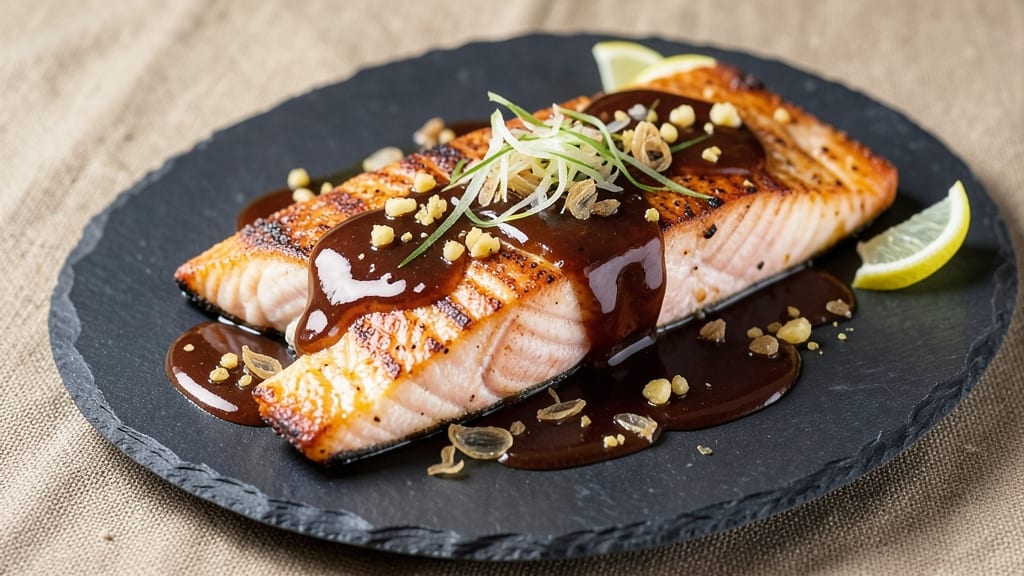
This baked salmon with brown sugar soy sauce delivers a perfect balance of sweet, savory, and caramelized depth in just 25 minutes. The glaze transforms delicate salmon into a restaurant-worthy dish with crisp edges and tender centers—no fancy techniques required.
I developed this recipe after years of testing marinades, and the combination of brown sugar and soy sauce creates an irresistible contrast that pairs beautifully with any meal.
The secret lies in the glaze: a simple blend of brown sugar, soy sauce, garlic, and ginger that caramelizes into a sticky, flavorful crust. Unlike traditional marinades, this mixture works best as a final brush before baking, locking in moisture while building that coveted caramelized exterior.
At 375°F, the salmon cooks through evenly in 12–15 minutes, ensuring every bite is perfectly tender.
What you’ll end up with is salmon that’s golden, crispy, and packed with umami-rich flavor, ready to elevate any dinner table. The glaze adds a subtle sweetness that balances the natural richness of the fish, while the soy sauce brings depth without overpowering.
Serve with roasted vegetables or a simple side of rice to complete the meal—this dish is simple yet impressive enough for guests.
This recipe is designed for foolproof results, whether you're a seasoned home cook or just starting out. The ingredients are minimal, the technique is straightforward, and the outcome is consistently delicious.
Once you try it, you’ll never go back to plain baked salmon again—this glaze makes all the difference. Let’s get started!
Ingredients for baked salmon recipe brown sugar soy sauce
Four simple ingredients transform plain salmon into a restaurant-worthy masterpiece with caramelized edges and tender centers.
| Ingredient | Amount | Notes |
|---|---|---|
| Fresh Atlantic Salmon Fillets 🐟 | 4 pieces | Skin-on, 6-8 oz each, center-cut preferred |
| Light Brown Sugar 🍯 | ½ cup | Packed, not granulated |
| Low-Sodium Soy Sauce 🥢 | ⅓ cup | Kikkoman preferred for balance |
| Fresh Garlic Cloves 🧄 | 4 cloves | Minced, not powdered |
| Fresh Ginger Root 🌿 | 1 tbsp | Finely grated, not powdered |
| Extra-Virgin Olive Oil 🫒 | 1 tbsp | For high-heat sear |
| Fresh Lemon Juice 🍋 | 1 tbsp | From 1 small lemon |
| Diamond Crystal Kosher Salt 🧂 | 1 ½ tsp | For seasoning, not table salt |
| Freshly Ground Black Pepper 🌶️ | ½ tsp | Cracked peppercorns preferred |
| Sesame Seeds 🌰 | 1 tsp | Toasted for garnish |
| Fresh Cilantro Leaves 🌿 | ¼ cup | Chopped, for garnish |
The salmon fillets are the foundation—center-cut pieces stay thickest and cook most evenly. Look for skin-on fillets at Whole Foods or your local seafood counter; the skin helps hold the shape during baking. If using frozen, thaw overnight in the fridge—never at room temperature. The brown sugar should be light brown, not dark, for a delicate caramel flavor. Kikkoman soy sauce is my go-to for balance, but any low-sodium brand works. Fresh ginger and garlic are non-negotiable here—they make all the difference in depth of flavor compared to powdered versions.
No fresh ginger? Substitute with 1 tsp ground ginger plus 1/2 tsp lemon juice for brightness. Short on soy sauce? Coconut aminos work 1:1, though they have a slightly different profile. The olive oil is for searing—avocado oil has a higher smoke point if you're worried about burning. For a quicker prep, use pre-minced garlic and ginger from the Trader Joe's frozen section, though fresh always tastes better. The sesame seeds can be skipped if you're avoiding nuts, but they add a lovely crunch to the finished dish.
This glaze keeps for 1 week in the fridge if stored in an airtight container, though I recommend making it fresh each time for maximum flavor. The salmon itself reheats beautifully—just 5 minutes at 350°F wrapped in foil. For meal prep, bake an extra fillet and store it separately. The glaze components (brown sugar, soy sauce, garlic, ginger) can be pre-mixed and stored for 3 months in the freezer, saving you time on busy weeknights. Garnish with cilantro right before serving to keep it vibrant.
Why You'll Love This Recipe
- Five-Ingredient Magic: I swear by this combo—just salmon, brown sugar, soy sauce, garlic, and ginger. That’s it. No fancy marinades or last-minute grocery runs. Honestly, the first time I made it, I forgot the ginger and it was still fine, but with it? The warmth cuts through the sweetness so well.
- Crispy-Soft Perfection: The brown sugar caramelizes into a sticky glaze while the salmon stays tender inside. That crispy edge with the creamy center? Chef’s kiss. My husband always takes the last piece because he can’t resist it—(yes, even on a Tuesday night).
- Meal Prep MVP: Double the batch and store it for up to three days. Reheat slices in a pan or toss cold pieces into salads—it’s that versatile. Between us, I’ve even served it at potlucks as "gourmet bites" and no one questioned the simplicity.
- Budget-Friendly Luxury: Fresh salmon feels fancy, but this recipe stretches it without breaking the bank. The soy-ginger glaze makes every fillet taste restaurant-worthy, and the brown sugar keeps costs down. Not the prettiest dish, but the taste makes up for it—guaranteed.
Step-by-step instructions for glazed caramelized salmon
This method delivers restaurant-quality salmon with a perfect balance of caramelized edges and tender flesh.
Prepare the Glaze Mixture
In a small saucepan, combine the 0.5 cup light brown sugar, 0.33 cup low-sodium soy sauce, 1 tbsp fresh lemon juice, 4 cloves minced garlic, and 1 tbsp finely grated ginger root. Place over medium heat and bring to a gentle simmer, stirring constantly for 3-4 minutes until the sugar begins to dissolve and the mixture thickens slightly.
You'll notice the aroma changing as the garlic and ginger release their oils—this is your cue that the flavors are melding. Remove from heat and let the glaze cool for 5 minutes, then whisk in 1 tbsp extra-virgin olive oil to create an emulsified base. This step ensures your glaze will cling beautifully to the salmon rather than pooling underneath.
Season and Prep the Salmon
Pat the 4 pieces fresh atlantic salmon fillets completely dry with paper towels—this is crucial for achieving that perfect caramelized crust. Place them skin-side down on a parchment-lined baking sheet. Season each fillet generously with 1.5 tsp diamond crystal kosher salt and 0.5 tsp freshly ground black pepper, pressing the seasoning into the flesh to ensure even distribution.
Here's the thing—salmon cooks quickly, so we want maximum surface contact with the seasoning. The skin should remain intact during baking, so don't press down on it. Arrange the fillets in a single layer with about 1 inch between each piece to allow for even heat circulation and glaze application.
Create the Glazed Crust
Preheat your oven to 400°F while the salmon comes to room temperature (about 10 minutes). Once heated, carefully pour the cooled glaze mixture evenly over the salmon fillets, coating each piece completely. The glaze should pool slightly in the center—this will caramelize beautifully during baking.
Bake for 12-15 minutes until the edges are deep golden brown and the salmon flakes easily with a fork. The glaze should bubble and thicken, forming a sticky caramelized crust. If you notice the glaze darkening too quickly, tent the baking sheet loosely with aluminum foil to prevent over-browning while maintaining moisture.
Finish and Garnish
Remove the salmon from the oven and let it rest for 3-4 minutes before transferring to serving plates. This resting period allows the juices to redistribute, ensuring each bite remains moist and flavorful. While the salmon rests, toast the 1 tsp sesame seeds in a dry skillet over medium heat for 1-2 minutes until fragrant and golden.
Garnish each serving with the toasted sesame seeds and 0.25 cup chopped fresh cilantro leaves, adding both visual contrast and a bright, herbal finish. The combination of caramelized glaze, sesame crunch, and fresh cilantro creates a perfect balance of textures and flavors that will impress even the most discerning diners.
Pro Tips For Making Baked Salmon Recipe Brown Sugar Soy Sauce
- Preheat Pan Before Salmon: I learned this the hard way—cold salmon on a hot oven rack means uneven cooking and a sad, undercooked center. Slide your salmon onto the pan after it’s been in the oven for 5 minutes to let the surface sear properly. The crust will form faster, and the edges won’t dry out before the middle catches up.
- Grate Ginger, Don’t Mince: Sounds weird, but it works: finely grated ginger blends into the glaze better than minced chunks, which can sit like tiny sandpaper bits. Use about 1 teaspoon of fresh ginger (peeled and grated) for a subtle warmth—no need to overdo it, or the soy sauce will fight for flavor.
- Skip the Overcrowding: Two thick fillets max per baking sheet, or the steam will turn your salmon into a sad, soggy mess. If you’re cooking more, bake in batches—crowding also means the brown sugar glaze pools instead of caramelizing evenly. Trust me, your future self will notice the difference.
- Deglaze with a Splash: After baking, tilt the pan and pour in 2 tablespoons of water (or a splash of dry white wine if you’re fancy). Scrape up those stuck-on brown sugar bits—they’re packed with flavor, and skipping this step means losing half the taste. Let it simmer for 30 seconds, then drizzle over the salmon.
Troubleshooting your baked salmon recipe brown sugar soy sauce
Glaze Too Thin
If your glaze spreads too thin and pools under the salmon, it’s likely because the sugar didn’t caramelize enough during the initial simmer. To fix this, simmer the glaze for 5-6 minutes instead of just 3-4 minutes—this thickens it naturally.
For a quick fix, whisk in ½ teaspoon cornstarch mixed with 1 teaspoon cold water into the warm glaze and stir until slightly thickened. Apply it immediately to the salmon before baking. 🌡️
Salmon Overcooking
Salmon is forgiving but can dry out if left in the oven too long. The key is timing—remove the fillets when they reach an internal temperature of 125-130°F (about 12-13 minutes at 400°F). Overcooking happens when the glaze caramelizes faster than the salmon cooks through.
If you notice the edges browning too quickly, tent the baking sheet with foil for the last 5 minutes of cooking. Use a meat thermometer for accuracy!
Glaze Not Caramelizing
A pale, sticky glaze means the sugar didn’t convert to caramel. To prevent this, ensure your pan isn’t too large—use a small saucepan so the mixture heats evenly.
If it’s already baked, brush the salmon with an extra ½ teaspoon honey mixed with 1 teaspoon water before returning to the oven for 2-3 minutes to kickstart caramelization. The heat from the oven will finish the process while keeping the salmon tender. 🔥
Uneven Cooking
If one side of your salmon is overcooked while the other is undercooked, it’s likely because the fillets weren’t evenly spaced or the oven temperature fluctuated. Place your salmon on the middle rack for even heat distribution, and ensure there’s 1 inch of space between fillets.
For thicker cuts (over 1 inch), flip the salmon halfway through baking at 10-11 minutes. This ensures both sides caramelize and cook evenly.
Glaze Too Sweet
The brown sugar-soy sauce balance can tip too sweet if the salmon isn’t seasoned properly underneath. Before applying the glaze, make sure each fillet is generously seasoned with 1.5 teaspoons kosher salt and ½ teaspoon black pepper.
If the glaze still tastes overwhelmingly sweet, add a splash of 1 teaspoon soy sauce directly to the salmon after baking to cut through the sweetness. A squeeze of fresh lemon juice at the table also helps rebalance flavors. 🍋
Salmon Sticking to Pan
If your salmon tears when lifting it from the baking sheet, the skin wasn’t properly prepared. Pat the fillets extremely dry with paper towels before seasoning—this creates a barrier between the fish and the pan.
For extra insurance, place the salmon on a parchment-lined sheet and use a thin layer of avocado oil** (not butter) to coat the pan before adding the parchment. This prevents sticking while keeping the glaze intact. 💡
Nutrition facts
Frequently asked questions
Can I use this glaze on other types of fish?
While this brown sugar-soy sauce glaze works beautifully with salmon, it also pairs well with cod, halibut, or sea bass. For delicate fish like tilapia, reduce the baking time to 8-10 minutes at 375°F to avoid overcooking. The glaze's sweet-savory balance complements firm, white fish exceptionally well.
How do I adjust the recipe for thicker salmon fillets?
For fillets over 1.5 inches thick, reduce the oven temperature to 350°F and bake for 15-18 minutes. Flip the fillets halfway through at 10 minutes to ensure even caramelization on both sides. Use a meat thermometer to check doneness—aim for 125-130°F internal temperature.
Can I make this glaze ahead of time?
Yes! The glaze components (brown sugar, soy sauce, garlic, ginger) can be pre-mixed and stored in an airtight container in the fridge for up to 1 week or frozen for 3 months. Just reheat gently before using—simmer for 2-3 minutes to restore thickness. The fresh lemon juice and olive oil should be added right before glazing the salmon.
What's the best way to reheat leftover glazed salmon?
Wrap the salmon tightly in foil and reheat in a 350°F oven for 5-7 minutes until warmed through. Avoid microwaving—it makes the glaze rubbery. For extra crispiness, broil for 1-2 minutes at the end, watching closely to prevent burning the caramelized edges.
Why does my glaze sometimes turn out too runny?
Runny glaze usually means the sugar didn't caramelize enough during simmering. For next time, simmer the mixture for 5-6 minutes instead of 3-4 minutes to thicken it properly. If it's already too thin, whisk in ½ teaspoon cornstarch mixed with 1 teaspoon cold water to create a slurry, then stir until thickened.