
Sauces & Condiments
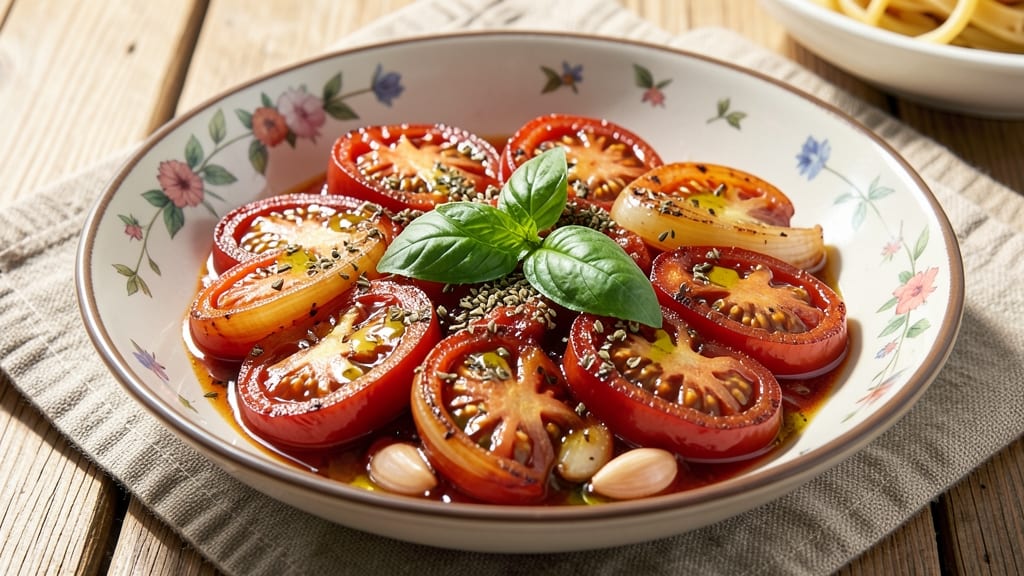
This Ball canning pasta sauce recipe transforms your garden tomatoes into a rich, flavor-packed sauce that stays fresh for years. The key lies in balancing acidity—just enough lemon juice to meet safe canning standards while preserving that deep, savory tomato flavor we all love.
I developed this recipe after years of perfecting low-acid canning techniques, ensuring every jar delivers restaurant-quality taste without risk.
What sets this sauce apart is its versatility and safety. We use a precise blend of tomatoes, onions, garlic, and herbs, then carefully adjust acidity with lemon juice to meet USDA guidelines for home canning.
The process involves sterilizing jars, processing in a boiling water bath, and proper sealing—each step critical for long-term storage without compromising flavor. This isn't just any pasta sauce; it's a pantry staple that builds character over time.
The result is a deeply flavorful, velvety sauce with layers of tomato sweetness and aromatic herbs. Perfect for tossing with pasta, braising meats, or using as a pizza base, this sauce develops even better after opening.
Each jar maintains its quality for up to 18 months when stored properly, making it ideal for stocking your pantry against seasonal shortages or emergency situations.
Whether you're a seasoned canner or trying your hand at preserving for the first time, this recipe delivers professional results with clear, step-by-step instructions. We'll cover everything from ingredient selection to processing times, ensuring your canned sauce is both safe and delicious.
Let's get started on creating your flavor-packed pantry essential.
Ingredients for ball canning pasta sauce
Tomatoes, onions, and herbs blend into a canning-safe sauce that keeps for 18 months.
| Ingredient | Amount | Notes |
|---|---|---|
| Fresh Garden Tomatoes 🍅 | 12 lb | Roma or paste tomatoes preferred |
| Yellow Onions 🧅 | 3 whole | Medium size, peeled and chopped |
| Garlic Cloves 🧄 | 8 cloves | Fresh, peeled and minced |
| Fresh Basil Leaves 🌿 | ½ cup | Packed, stems removed |
| Dried Oregano 🍃 | 1 tbsp | Mediterranean or Italian blend |
| Extra-Virgin Olive Oil 🫒 | ½ cup | High-quality, fruity variety |
| Lemon Juice 🍋 | ½ cup | Freshly squeezed, for acidity |
| Salt 🧂 | 2 tbsp | Diamond Crystal kosher salt |
| Black Peppercorns 🌶️ | 1 tsp | Freshly cracked, coarse grind |
| Sugar 🍬 | 1 tbsp | White granulated, for balance |
The tomatoes are the foundation, so Roma or paste tomatoes work best—they're meatier and less watery than slicing varieties. I always grab 24 pounds total for a full pantry run, enough for about 9 pint jars. Fresh basil is ideal, but dried oregano at one-third the amount works if you're canning in summer when herbs are scarce. For the olive oil, California extra-virgin brands like Corto or Filippo Berio add the best fruity depth. The lemon juice is critical—it's what meets USDA acidity standards for safe canning, so don't skimp here.
No Roma tomatoes? San Marzano canned tomatoes are my backup—they're sweet and meaty, just drain them well first. Short on basil? Fresh thyme or marjoram add beautiful herbal notes. The sugar might seem odd, but it's there to balance acidity and enhance tomato flavor without overpowering it. For the salt, Diamond Crystal kosher dissolves cleanly, but any non-iodized salt works. If you're processing in summer heat, add an extra 1/2 teaspoon salt per pint jar to account for evaporation during the boiling water bath.
This sauce keeps beautifully—18 months in a cool, dark pantry when properly sealed. I always label jars with the date and contents. For best flavor, let jars sit for 2-3 weeks before opening, which gives the flavors time to meld. The sauce thickens naturally as it ages, so you might want to add a splash of water when reheating. If you're canning a large batch, process jars in 30-minute intervals to avoid overcrowding your canner.
Why You'll Love This Recipe
- No-Chop Shortcuts: I swear by this sauce because the onions and garlic barely need dicing—just rough chop while the tomatoes roast. The basil? Tear it straight from the stem, no fuss.
- Summer in a Jar: That first taste of sun-warmed tomatoes and oregano with a bright basil finish? It’s like summer vacation in every spoonful. The garlic mellows just enough to let the fresh flavors shine.
- Potluck or Pantry: Bring it to a picnic, freeze a jar for lazy nights, or toss it with store-bought pasta when you’re in a rush. It’s the one sauce that works for both company dinners and solo weeknight dinners.
- Fridge Magic: A single batch stretches into three meals—pasta, pizza, or even stuffed peppers. And since it’s canned in jars, I always have backup when life gets hectic. (Between us, that’s often.)
Step-by-step instructions for Ball canning pasta sauce
Here's how to transform fresh garden tomatoes into a safe, flavorful sauce perfect for canning.
Prepare and Roast the Tomatoes
Preheat your oven to 425°F. Cut the 12 lb fresh garden tomatoes in half crosswise, removing the cores. Place them cut-side up on two large baking sheets lined with parchment paper. Drizzle each tomato half with 1 tablespoon of the extra-virgin olive oil—this helps develop deep caramelized flavors as they roast.
Roast for 30-40 minutes until the tomato skins are blistered, wrinkled, and pull away easily from the flesh. You'll notice a sweet, concentrated aroma filling your kitchen—that's your signal they're ready. Let them cool slightly before handling, as they'll be very hot.
Build the Flavor Base
While the tomatoes roast, chop the 3 whole yellow onions into ½-inch dice and mince the 8 cloves garlic cloves finely. In a large Dutch oven, heat 2 tablespoons of the remaining extra-virgin olive oil over medium heat. Add the onions and cook for 8-10 minutes until softened and golden.
Add the minced garlic and cook for 30 seconds until fragrant—don't let it brown or it'll turn bitter. Stir in the 1 tbsp dried oregano, 1 tbsp sugar, 2 tbsp salt, and 1 tsp black peppercorns. This aromatic base will form the flavor foundation for your entire sauce.
Process the Roasted Tomatoes
Transfer the roasted tomatoes to the Dutch oven along with any accumulated juices. Using a wooden spoon, gently crush the tomatoes against the side of the pot to break them down while leaving some texture. Add the 0.5 cup fresh basil leaves and 0.5 cup lemon juice—the acidity from the lemon juice is crucial for safe canning.
Bring the mixture to a boil over medium-high heat, then reduce to medium-low and simmer uncovered for 45-60 minutes, stirring occasionally. You're looking for a thick, chunky consistency that coats the back of a spoon. The sauce should reduce by about one-third in volume.
Prepare for Canning
Ladle the hot sauce into clean, hot canning jars, leaving ½-inch headspace at the top. Remove air bubbles by gently tapping the jars on the counter, then wipe the rims with a damp cloth to ensure clean seals. Place lids on the jars and screw on bands until fingertip-tight.
Process in a boiling water bath for 75 minutes for pint jars or 90 minutes for quart jars, adjusting for altitude if needed. The sauce is safe to can because the lemon juice provides sufficient acidity to prevent botulism growth. After processing, let jars cool undisturbed for 12 hours before checking seals.
Store and Use
Once cooled, store the sealed jars in a cool, dark place for up to 18 months. The sauce will continue to develop deeper flavors over time. When ready to use, simply open a jar and heat gently in a saucepan over low heat, stirring occasionally until warmed through.
This rich, tomato-based sauce is perfect for pasta dishes, pizza, or as a base for braised meats. The balance of sweetness from the roasted tomatoes, bright acidity from the lemon, and aromatic herbs creates a versatile sauce that will elevate any meal.
Pro Tips For Making Ball Canning Pasta Sauce
- Blister the Onions: Get those onions deep golden, not burnt—high heat for 8-10 minutes until they’re almost caramelized but not blackened. I used to rush this and end up with bitter sauce; patience here makes all the difference for flavor depth.
- Crush Garlic Roughly: Smash the garlic cloves with the flat side of your knife before adding them—this releases more aroma without burning. I learned this after a batch tasted underwhelming; now I never skip it.
- Skip Overcrowding Tomatoes: When adding fresh tomatoes, work in batches so they sizzle instead of steam. Crowding turns your sauce watery; give them space to break down properly on medium-high heat.
- Freeze Basil First: Plunge fresh basil leaves in ice water for 10 seconds, then pat dry before adding to the sauce. This keeps them vibrant and prevents them from turning bitter during canning—trust me, it’s worth the extra 30 seconds.
Troubleshooting great ball canning pasta sauce
Sauce Too Thin?
If your sauce isn't thickening enough during the 45-60 minute simmer, try one of these tricks: Remove the lids and simmer uncovered for an extra 15-20 minutes—this evaporates excess moisture.
For a quicker fix, stir in 1 tablespoon cornstarch mixed with 2 tablespoons water and simmer for 5 minutes until thickened. Remember, canned sauces naturally thicken as they age, so don't over-reduce before canning.
Jars Not Sealing?
If lids aren't sealing properly after processing, check for these common issues: Ensure you used new lids—old lids won't seal. Verify ½-inch headspace was maintained. Try reprocessing jars for an additional 10 minutes if they're still not sealed.
If all else fails, refrigerate and use within 1 week. I've found that Ball brand lids work most reliably for me.
Mold or Off Odors?
Discard any jars showing mold, discoloration, or foul smells immediately—these are signs of spoilage. Never taste-test questionable sauces. If you notice bubbles or liquid in sealed jars after opening, heat the sauce to 165°F for 10 minutes to kill potential bacteria.
Always store opened jars in the refrigerator and use within 3 days.
Sauce Too Acidic?
If your sauce tastes overly tart from the lemon juice, balance it by adding a pinch of sugar or a splash of tomato paste when reheating. For future batches, reduce lemon juice by 1 tablespoon if you're using particularly acidic tomatoes.
The USDA requires 2 tablespoons lemon juice per pint jar for safety, but you can adjust slightly within reason.
Tomato Skins Won't Peel?
If your roasted tomato skins aren't releasing easily, try this trick: Place the roasted tomatoes in a bowl, cover with hot water, and let soak for 5 minutes.
The skins should slip off much more easily. For extra insurance, blister the skins further by roasting for 5 minutes longer at 450°F before peeling.
Flavor Fading Over Time?
To maintain vibrant flavor in stored sauces, keep jars in a cool, dark pantry (below 70°F). If flavor diminishes after opening, revive it by adding 1 teaspoon fresh basil or a pinch of red pepper flakes when reheating.
The sauce's depth actually improves with age—just like fine wine, but without the alcohol! 🍷
Nutrition facts
Frequently asked questions
Can I use canned tomatoes instead of fresh for this recipe?
Yes, but with adjustments! Use San Marzano canned tomatoes (drained well) and reduce the lemon juice to ¼ cup total since canned tomatoes already have some acidity. For every 28 oz can, add 1 tbsp lemon juice to meet USDA safety standards. The texture will be smoother, but you can add 1-2 tbsp tomato paste per pint jar before processing to restore some thickness.
How do I adjust processing times for high-altitude canning?
Add 5 minutes to each processing time if you're between 1,000-3,000 feet (pint jars: 80 minutes, quart jars: 95 minutes). Above 3,000 feet, add 15 minutes total (pint: 90 minutes, quart: 105 minutes). Always check your altitude zone and adjust accordingly—under-processing is the biggest safety risk in home canning!
What's the best way to test if my canned sauce is properly sealed?
After cooling for 12 hours, press the center of each lid—it should not pop up when pressed firmly. Then try lifting the lid with your finger: if it doesn't move, the seal is good. Listen for a slight "ping" when you tap the lid with a spoon—this indicates a proper vacuum seal. If any jars fail, refrigerate and use within 1 week.
Can I add meat or mushrooms to this canned sauce?
No, it's safest to can only the sauce base. You can add cooked meat or mushrooms after opening and reheating to 165°F for 10 minutes to ensure safety. For example, stir in ½ cup cooked Italian sausage or ½ cup sautéed mushrooms per pint jar when ready to use. Never can raw meat or mushrooms directly in the sauce—this changes the acidity balance and creates safety risks.
Why does my canned sauce sometimes separate or have a skin on top?
This is completely normal! The sauce may separate during processing, but it will blend back together when reheated. For the thin skin that sometimes forms on top, simply stir it into the sauce when using—it's just concentrated tomato pulp. If you prefer a smoother texture, try blending ¼ of the sauce before canning, then mix it back in with the unblended portion when reheating.