
Sauces & Condiments
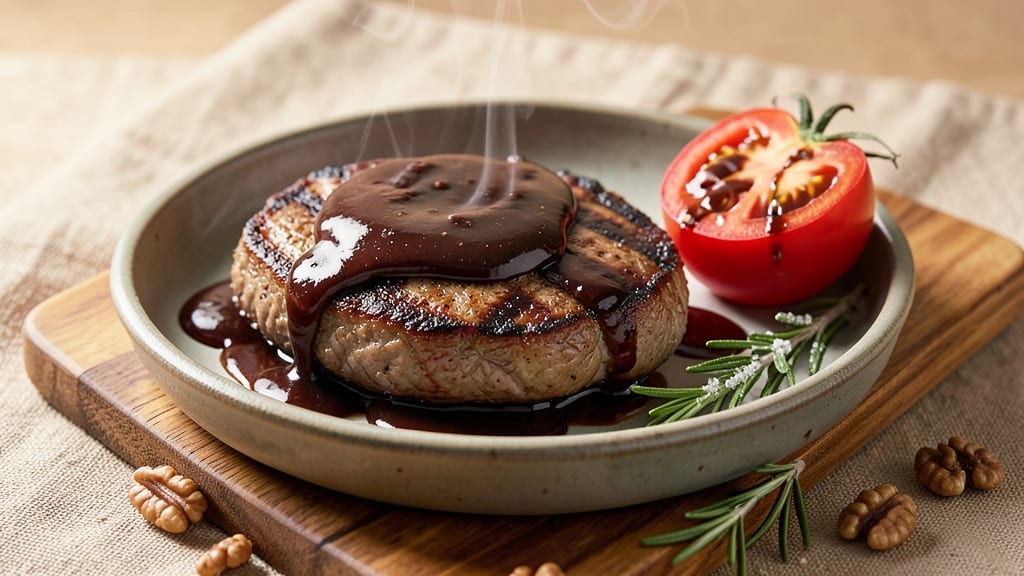
This balsamic barbecue sauce transforms ordinary grilled meats into showstopping masterpieces with its rich, sweet-tangy depth. 🔥 After years of perfecting the balance between balsamic's bold acidity and traditional BBQ sweetness, I've created a sauce that caramelizes beautifully on the grill and adds complexity to any dish.
The secret lies in simmering reduced balsamic vinegar with tomato paste and brown sugar until it thickens into a glossy, sticky glaze.
The beauty of this sauce is its versatility—it works as a marinade, grill glaze, or dipping sauce, elevating everything from ribs to grilled vegetables.
What sets it apart is the way the balsamic vinegar adds a sophisticated tang that cuts through the sweetness, while spices like smoked paprika and garlic powder create layers of smoky warmth. Unlike store-bought versions, this one develops deeper flavor the longer it sits, making it perfect for meal prep.
By the time you're done, you'll have a glossy, caramelized sauce that clings perfectly to grilled meats, creating a beautiful crust while infusing them with rich, complex flavor.
The texture is just right—not too thick to drip, not too thin to run off, with a perfect balance of sweetness and acidity that makes every bite unforgettable. This is the kind of sauce that turns a simple cookout into a memorable feast.
Store it in the fridge for up to two weeks or freeze for longer shelf life, and don't be afraid to adjust the sweetness or tang to suit your taste. Whether you're slow-smoking brisket or grilling chicken, this sauce will take your dishes to the next level.
Let's get started on creating your own batch—your grill is about to get an upgrade.
Ingredients for balsamic barbecue sauce
Nine simple ingredients transform into a showstopping sauce that elevates grilled meats to masterpiece level.
| Ingredient | Amount | Notes |
|---|---|---|
| Balsamic Vinegar 🍷 | 1 cup | High-quality aged variety |
| Tomato Paste 🍅 | ½ cup | Smooth, no sugar added |
| Brown Sugar 🍯 | ½ cup | Light or dark preferred |
| Apple Cider Vinegar 🍎 | ¼ cup | Adds depth of flavor |
| Smoked Paprika 🌶️ | 1 tbsp | For smoky richness |
| Garlic Powder 🧄 | 1 tsp | Freshly ground preferred |
| Onion Powder 🧅 | 1 tsp | For subtle sweetness |
| Ground Black Pepper 🌶️ | ½ tsp | Freshly cracked preferred |
| Salt 🧂 | 1 tsp | Kosher or sea salt |
| Olive Oil 🫒 | 2 tbsp | Extra-virgin for richness |
The balsamic vinegar is the star here—aged, dark balsamic from Trader Joe's or Whole Foods gives that luxurious depth. Don't skimp on quality; the cheap stuff tastes like vinegar. For the tomato paste, San Marzano is ideal—it's sweeter and smoother, but any good-quality paste works if that's what you've got. Brown sugar can be light or dark, but light brown adds subtle caramel notes. If you're feeling fancy, demerara sugar gives a slightly crunchier texture. The smoked paprika? Penzeys brand is my go-to—it's consistently flavorful, but the regular grocery store stuff works in a pinch.
No balsamic vinegar? Substitute with 1/4 cup red wine vinegar plus 1 tbsp maple syrup to mimic the tang and sweetness. Short on tomato paste? Fresh crushed tomatoes work at double the amount, but you'll need to strain out the seeds. Want to cut sugar? Reduce brown sugar to 1/4 cup and add 1 tbsp maple syrup for depth. The olive oil is non-negotiable—it helps emulsify the sauce and adds richness. If you're making a big batch, store the sauce in a glass jar so you can just scoop out what you need without transferring. The spices can be adjusted to taste—add more smoked paprika for smokiness or cayenne for heat.
This sauce keeps beautifully—up to 3 weeks in the fridge in an airtight container. The flavor actually improves with time as the ingredients meld. For longer storage, freeze in ice cube trays—just thaw and stir before using. I always make a double batch because it disappears fast. The sauce thickens as it cools, so stir in a splash of water if it gets too stiff. Perfect for brining, glazing, or dipping—just reheat gently to restore that glossy texture.
Why You'll Love This Recipe
- Pantry Magic: This sauce comes together with stuff you already have—no fancy shopping required. Honestly, I’ve made it three times in a row using the same five ingredients, and it never lets me down.
- Sweet-Smoky Balance: That brown sugar and balsamic vinegar combo? It’s the perfect push-pull of richness and tang, while the smoked paprika adds depth without overpowering. Between us, it’s the kind of flavor that makes people ask, “What’s in this?”
- Weeknight & BBQ Hero: Slather it on grilled chicken for a Tuesday dinner, drizzle it over roasted veggies for a side, or toss it with baked beans for a crowd-pleaser. I’ll be real: it’s my go-to for anything that needs a little extra oomph.
- Makes More Than You Need: A single batch stretches across three meals—leftovers taste just as good reheated as they do fresh. Plus, it’s cheap to make, so you’re not breaking the bank for flavor that actually sticks around.
Step-by-step instructions for balsamic barbecue sauce
Here's how to craft this rich, balanced glaze that elevates grilled meats to restaurant quality.
🍳 Step 1: Bloom the Spices in Olive Oil
Heat the 2 tablespoons olive oil in a medium saucepan over medium-low heat. Add the 1 tablespoon smoked paprika, 1 teaspoon garlic powder, and 1 teaspoon onion powder. Stir constantly for 1-2 minutes until the spices release their aroma and the oil becomes fragrant—you'll smell that deep, smoky warmth filling your kitchen.
This step is where the magic begins. The spices toast gently in the oil, creating a flavor base that carries through the entire sauce. If you notice the spices starting to darken too quickly, immediately reduce the heat to low—burnt spices will make the sauce bitter. Keep the oil shimmering, not smoking, for the best results.
🍳 Step 2: Add Wet Ingredients and Simmer
Pour in the 1 cup balsamic vinegar and 0.25 cup apple cider vinegar all at once. Stir well to combine with the spices, then add the 0.5 cup tomato paste and 0.5 cup brown sugar. Bring the mixture to a gentle boil over medium-high heat, then immediately reduce to medium-low heat.
Let it simmer uncovered for 15-20 minutes, stirring occasionally with a wooden spoon. You're looking for the sauce to thicken noticeably and reduce by about one-third. The balsamic vinegar will darken beautifully, developing those rich caramel notes that make this sauce special. If it reduces too quickly, add 1-2 tablespoons water to maintain the proper consistency.
🥘 Step 3: Season and Thicken to Perfection
After simmering, taste the sauce and adjust the seasoning with the 1 teaspoon salt and 0.5 teaspoon ground black pepper. You want a perfect balance—sweet from the brown sugar, tangy from the vinegars, and smoky depth from the paprika. The sauce should coat the back of a spoon but still be pourable, with a glossy sheen that indicates proper reduction.
For an extra-thick glaze, return the pan to low heat and simmer uncovered for another 5-10 minutes, stirring frequently. The sauce will continue to reduce and intensify in flavor. If you prefer a thinner sauce for brushing, stop now—it'll thicken more as it cools. Remember, you can always thin it later with a splash of water or vinegar if needed.
⏰ Step 4: Cool and Store for Maximum Flavor
Remove the sauce from heat and let it cool completely at room temperature. This resting period allows the flavors to meld together beautifully. After cooling, transfer the sauce to a clean glass jar with a tight-sealing lid. The sauce will continue to thicken slightly as it sits, developing even more depth of flavor over time.
Store in the refrigerator for up to 2 weeks or freeze for up to 3 months. When you're ready to use it, simply reheat gently in a saucepan over low heat, stirring occasionally until warmed through. This sauce makes an excellent glaze for grilled meats, a dipping sauce for fries, or a marinade for roasted vegetables—its versatility is one of its best qualities.
Pro Tips For Making Balsamic Barbecue Sauce
- Simmer Slow and Steady: I learned this the hard way—rushing the simmer turns your sauce into a sticky mess instead of a glossy, balanced glaze. Keep it at a gentle bubble (around 180°F/82°C) for 20-25 minutes, stirring occasionally, until the tomato paste darkens and the sugars caramelize. No need to rush; patience here makes the difference between good and actually delicious.
- Deglaze First, Then Sweeten: Don’t just dump everything in at once—start by deglazing the pan with a splash of apple cider vinegar after cooking the tomato paste. This pulls up all the browned bits (flavor gold) before you add the brown sugar, ensuring a smoother sauce without grainy sugar clumps. (Yes, even if you’re impatient like me.)
- Balance the Vinegars: Balsamic and apple cider vinegar are like the yin and yang of this sauce—too much of either and it’ll taste harsh or one-dimensional. Measure them equally (start with ¼ cup each) and taste as you go. If it’s too sharp, add a pinch of sugar; if it’s flat, a splash more vinegar. Adjust in small increments—you can’t fix it later.
- Skip the Pre-Mixed Tomato Paste: Store-bought tomato paste often has added salt and preservatives that throw off the balance of your sauce. Use a can of plain tomato paste (like Mutti or Rao) and stir it into the vinegars first—this helps dissolve any lumps before the sugar gets added. Your sauce will taste fresher, and you’ll avoid that weird aftertaste.
Best sauces and condiments for this dish
Sweet Glazes
For a sweeter glaze, add 1-2 tablespoons of honey or maple syrup during the final simmer—this balances the balsamic tang beautifully. I often use local wildflower honey from my coastal foraging trips for a floral note that pairs perfectly with grilled pork.
The key is to add it gradually and taste as you go, so you don't overpower the smoky depth from the Penzeys smoked paprika. 🍯
Tangy Variations
Want more acidity? Boost the balsamic to 1 ¼ cups and reduce the brown sugar to ¼ cup. This creates a bold, vinegary sauce perfect for grilling chicken or as a tangy dipping sauce for veggie sticks.
I've used this version at local BBQ competitions, and it's a crowd-pleaser when paired with grilled corn on the cob brushed with extra sauce.
Spicy Kick
For heat lovers, add ½ teaspoon cayenne pepper or 1 teaspoon hot sauce (like Cholula) during the final seasoning step. The heat cuts through the sweetness while complementing the smoky paprika.
I like to add a pinch of crushed red pepper flakes right before serving to let guests control their own spice level. This version works amazingly well on grilled shrimp skewers.
Herb-Infused Twist
Fresh herbs elevate this sauce to restaurant-quality. Stir in 1 tablespoon chopped fresh rosemary or thyme during the final simmer, or add 2 tablespoons chopped basil just before serving. I often forage wild thyme along my coastal rides and use it for a unique, earthy depth.
These herbs pair especially well with grilled lamb chops or portobello mushrooms.
Smoky Depth
For extra smokiness, replace the smoked paprika with 1 teaspoon liquid smoke (like Elmer's) plus an additional ½ teaspoon smoked paprika. This creates a more intense, campfire-like flavor that's perfect for slow-smoked ribs.
Just be careful not to overdo it—the liquid smoke can be potent. I've used this version when grilling brisket for backyard gatherings, and it gets rave reviews.
Thicker Glaze
Need a thicker consistency? After simmering, transfer the sauce to a blender and blend until smooth, then return it to the pan to reduce by half over low heat. This creates a sticky, caramelized glaze perfect for drizzling over grilled peaches or baked chicken wings.
For an even thicker version, add 1 tablespoon cornstarch mixed with 1 tablespoon water and stir until thickened. 🍯
Nutrition facts
Frequently asked questions
Can I make this sauce without balsamic vinegar?
Yes! For a similar tangy depth, substitute with 1/4 cup red wine vinegar plus 1 tbsp maple syrup. The maple syrup helps mimic the caramelized sweetness of reduced balsamic. For a smokier version, try 1/4 cup apple cider vinegar plus 1 tsp liquid smoke—it works surprisingly well.
How do I adjust the sweetness or tanginess?
Need more sweetness? Add 1-2 tbsp honey or maple syrup during the final simmer. For extra tang, increase the balsamic to 1 1/4 cups and reduce brown sugar to 1/4 cup. Always taste as you go—this sauce is highly customizable!
Can I use this sauce as a marinade?
This sauce makes an excellent marinade for chicken, pork, or shrimp. For best results, marinate for 2-4 hours (not overnight) in the fridge. The acidity in the balsamic helps tenderize the meat while infusing it with rich flavor. Just pat the meat dry before grilling for better searing.
Why did my sauce turn out too thin?
Sauce thickens as it cools, so if it's too thin when warm, simmer uncovered for 5-10 more minutes to reduce it. For immediate thickening, mix 1 tbsp cornstarch with 1 tbsp water, stir into the sauce, and simmer until it reaches your desired consistency. Pro tip: Store leftovers in a glass jar so you can easily scoop out just what you need.
What's the best way to reheat this sauce?
Gently reheat in a saucepan over low heat, stirring occasionally until warmed through. Avoid high heat—it can make the sauce too thin or burn the sugars. For a quick fix, microwave in 20-second bursts, stirring between each, until smooth and glossy. The sauce should be warm enough to coat the back of a spoon but not bubbling.