
Sauces & Condiments
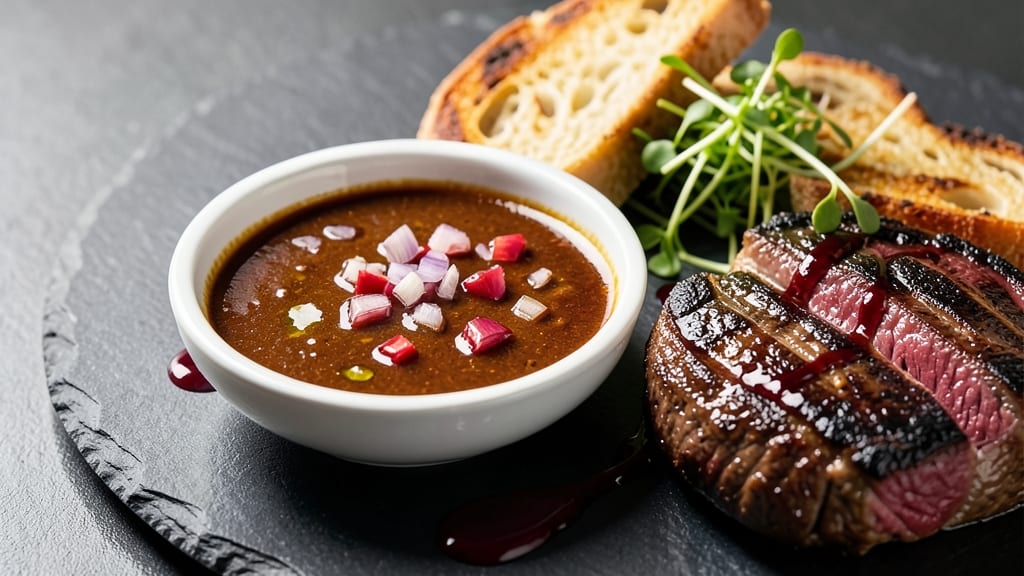
This Baltaire steak sauce recipe delivers the same bold, wine-infused richness you'd find in a high-end restaurant—just made at home with simple pantry staples. 💛 The secret lies in reducing red wine with vinegar, Worcestershire, and spices until it develops that signature deep, umami-packed consistency perfect for drizzling over steaks or eggs.
What sets this sauce apart is the balance of tangy, slightly sweet, and savory flavors achieved through careful reduction. Unlike store-bought versions, this homemade recipe builds complexity through proper cooking techniques—simmering until thick and glossy while preserving that authentic Baltaire profile.
The result? A sauce that's versatile enough for weeknight dinners but impressive enough for special occasions.
With just a handful of ingredients and 20 minutes of active time, you'll create a sauce that elevates any protein—steak, chicken, or even roasted vegetables. The key is patience during reduction; rushing this step means losing that restaurant-quality depth.
Store it in the fridge for up to 2 weeks or freeze for longer shelf life.
This isn't just another steak sauce—it's a flavor multiplier that transforms simple meals into something extraordinary. The rich, wine-forward taste makes it perfect for classic steakhouse dishes while also working beautifully as a finishing sauce for breakfast eggs or even grilled mushrooms. Let's make it.
Ingredients for baltaire steak sauce
Nine essential ingredients transform simple pantry staples into luxurious Baltaire-style richness.
| Ingredient | Amount | Notes |
|---|---|---|
| Dry Red Wine 🍷 | 1 cup | Bold Cabernet Sauvignon preferred |
| Red Wine Vinegar 🍶 | ½ cup | High-quality for tangy depth |
| Worcestershire Sauce 🧂 | 2 tbsp | Lea & Perrins brand recommended |
| Granulated Sugar 🍬 | 2 tbsp | Light brown sugar for caramel notes |
| Dijon Mustard 🌶️ | 1 tbsp | Moutard à l'ancienne preferred |
| Fresh Shallots 🧅 | 2 whole | Finely minced for aromatic base |
| Garlic Cloves 🧄 | 3 cloves | Peeled and smashed for intensity |
| Fresh Thyme Leaves 🌿 | ¼ cup | Stems removed for delicate flavor |
| Black Peppercorns 🌶️ | ½ tsp | Freshly cracked for robust heat |
| Unsalted Butter 🧈 | 2 tbsp | Cold, cubed for glossy finish |
| Diamond Crystal Kosher Salt 🧂 | 1 tsp | Adjust to taste at the end |
The wine and vinegar form the sauce's backbone—bold Cabernet Sauvignon delivers the deepest umami, while high-quality red wine vinegar adds bright acidity. Lea & Perrins Worcestershire brings that signature savory depth, but any quality brand works. For the shallots, freshly minced beats pre-chopped every time—they caramelize beautifully during reduction. The thyme should be bright green, not wilted, and the peppercorns must be freshly cracked to release their full aroma. Whole Foods or specialty grocers carry the best quality for these ingredients, though your local market's fresh section will suffice for weeknight cooking.
No red wine? Dry sherry or beef broth works in a pinch, though the flavor profile shifts slightly. Substitute white wine vinegar for red, but reduce it by half to maintain balance. The sugar can be swapped for honey or maple syrup, though it may alter the caramelization. If you're avoiding mustard, yellow mustard at half the amount provides similar tang. For the butter, vegan butter maintains the glossy finish without compromising texture. The sauce's versatility means these swaps won't ruin the dish—just adjust the final salt to taste.
This sauce develops deeper flavor over time—24 hours in the fridge lets the components meld perfectly. Store in an airtight jar with a thin layer of oil on top to preserve freshness for up to 2 weeks. For longer storage, freeze in ice cube trays—3 months of restaurant-quality sauce ready to drizzle. The sauce thickens as it cools, so reheat gently with a splash of water if it becomes too stiff. Portion into small jars for single-use applications—perfect for steak dinners, breakfast eggs, or even grilled vegetables.
Why You'll Love This Recipe
- Pantry Magic: I swear by this sauce because it uses stuff I already have—no special shopping trips. The dry red wine and vinegar cut through the richness of steak, while the Worcestershire adds that umami punch without extra effort.
- Rich Without Fuss: That balance of sweet sugar and tangy Dijon mustard? It’s what makes this sauce dangerously good. The wine vinegar brightens it up so it doesn’t feel heavy, even when I make it in a rush.
- Weeknight Hero: Slather it on grilled steak, toss it with roasted potatoes, or drizzle it over a burger—it’s my go-to for when I need flavor fast. Honestly, I’ve used it on everything from meatloaf to eggs, and it never lets me down.
- Budget Booster: A little goes a long way, and it keeps for weeks in the fridge. Between us, I’ve made a big batch, stored it, and still had enough for leftovers that tasted just as good as day one. No wasted ingredients here.
Step-by-step instructions for Baltaire-inspired steak sauce
This rich, wine-reduced sauce delivers the same depth and complexity as Baltaire's signature blend.
🍳 Step 1: Build the Aromatic Base
Heat a medium saucepan over medium heat and add the 2 whole fresh shallots and 3 cloves garlic cloves. Cook for 3-4 minutes until the shallots soften and become translucent, stirring occasionally to prevent burning. You'll smell their sweet aroma intensify—this is your cue they're ready.
Add the 0.25 cup fresh thyme leaves and 0.5 tsp black peppercorns (cracked between two spoons for maximum flavor). Cook for another 30 seconds until fragrant. This aromatic foundation will carry through the entire sauce, so don't rush this step. The thyme should perfume the air noticeably while the peppercorns add subtle heat.
🍳 Step 2: Deglaze and Reduce the Wine
Pour in the 1 cup dry red wine and immediately scrape up any browned bits from the bottom of the pan with a wooden spoon. These fond bits contain concentrated flavor that will deepen your sauce. Bring to a simmer over medium-high heat and cook for 8-10 minutes until the liquid reduces by half.
You'll notice the sauce darken and thicken slightly as the alcohol evaporates. The wine should smell noticeably more concentrated—this reduction process is crucial for developing the sauce's rich, velvety texture. If it reduces too quickly, lower the heat to maintain gentle simmering.
🍳 Step 3: Add Vinegar and Mustard
Stir in the 0.5 cup red wine vinegar and 1 tbsp Dijon mustard, mixing well to combine. The vinegar adds bright acidity that balances the richness, while the mustard contributes subtle tang and depth. Return to a simmer and cook for another 5-6 minutes until the mixture thickens slightly and coats the back of a spoon.
Here's where the sauce starts taking shape. You'll see the mixture transform from a thin liquid to a glossy, syrupy consistency. Taste at this stage—you should detect the wine's fruitiness, vinegar's tang, and mustard's complexity working together. If it needs more acidity, add a splash more vinegar.
🍳 Step 4: Incorporate Sweetness and Umami
Add the 2 tbsp Worcestershire sauce and 2 tbsp granulated sugar, stirring constantly. The Worcestershire brings deep umami complexity while the sugar helps balance acidity and creates a subtle caramel note. Simmer for 3-4 minutes until the sugar dissolves completely and the sauce thickens further.
This is the moment where all the flavors come together. You should smell a complex blend of wine, vinegar, mustard, and Worcestershire working in harmony. The sauce should now coat the back of a spoon smoothly with a glossy sheen. If it's still too thin, simmer uncovered for another minute or two to reduce further.
🥘 Step 5: Finish with Butter and Season
Reduce heat to low and whisk in the 2 tbsp cold unsalted butter, cubed. The butter should melt slowly, creating a silky, velvety texture. Add the 1 tsp Diamond Crystal kosher salt and taste. Adjust the salt if needed—this sauce should be rich but not overwhelmingly salty.
The butter adds luxurious mouthfeel and helps emulsify the sauce for a smooth finish. You'll notice the sauce become glossier and more cohesive as the butter incorporates. For best results, let the sauce sit off heat for 5 minutes before serving—this allows the flavors to fully meld together. The final sauce should be glossy, complex, and perfectly balanced between sweet, tangy, and umami notes.
Pro Tips For Making Baltaire Steak Sauce
- Reduce Wine First: Simmer the dry red wine down by half before adding vinegar—this cuts the alcohol bite and concentrates the flavor. I used to skip this, and the sauce always tasted sharp and underdeveloped. Takes 3-4 minutes on medium heat, but it’s worth it.
- Use Aged Vinegar: Grab a bottle of aged red wine vinegar (not the cheap stuff) for depth. The older vinegar adds complexity that cheap versions lack—think caramel notes instead of just sour. If you’re in a pinch, let regular vinegar sit open for 24 hours to mellow it out.
- Whisk Mustard Last: Add the Dijon mustard at the very end, just before removing from heat, to keep its texture smooth and its flavor bright. Stirring it in early makes the sauce grainy and dulls its sharp edge. Trust me, the last 10 seconds matter.
- Skip the Sugar Rush: Dissolve the granulated sugar in a splash of warm water first—this prevents clumping and ensures even distribution. I learned this after scraping burnt sugar off my pan twice. A tiny bowl and a quick stir with a fork solves everything.
Perfect pairings for this baltaire steak sauce
Steakhouse Classics
This sauce transforms a simple steak dinner into a restaurant-worthy experience. Drizzle 2-3 tablespoons over perfectly cooked ribeye or filet mignon right before serving. The wine-forward richness complements the beef's natural flavors while adding that signature steakhouse depth.
I love serving it with crispy roasted potatoes and sautéed green beans for a complete meal. 🥩
Breakfast Elevation
Take your eggs to the next level by using this sauce as a finishing drizzle. A light stream over fried eggs or poached eggs on toast adds unexpected sophistication. The tangy-sweet balance cuts through the richness of yolks beautifully.
For extra decadence, add a sprinkle of crumbled feta and fresh chives on top. Trust me, your morning coffee will never taste the same again. 🍳
Grilled Vegetable Pairings
Don't limit this sauce to meat—it's fantastic with grilled vegetables too. Drizzle 1-2 tablespoons over charred asparagus, portobello mushrooms, or grilled eggplant. The umami depth enhances the natural sweetness of roasted vegetables while adding complexity.
I especially love it with grilled zucchini and bell peppers for a vegetarian main dish. 🌱
Roasted Chicken Applications
Use this sauce to baste whole roasted chicken during the last 15-20 minutes of cooking. The wine reduction creates a beautiful glaze while infusing the meat with flavor. For extra richness, mix 1 tablespoon of sauce with 1 tablespoon melted butter and brush it on the chicken skin.
The result? Juicy, flavorful meat with a glossy finish that will impress any dinner guest. 🍗
Pasta Perfection
Toss 1/4 cup of this sauce with al dente fettuccine and finish with grated Parmesan for a quick weeknight dinner. The wine and vinegar cut through the richness of the pasta, creating a balanced sauce that's both elegant and comforting.
For added texture, stir in crispy pancetta or sautéed mushrooms before serving. This is my go-to sauce for a fast yet impressive pasta dish. 🍝
Beverage Pairings
Pair this rich sauce with Cabernet Sauvignon to complement its wine notes. For a lighter option, try Pinot Noir—the acidity balances the sauce's sweetness beautifully. If you prefer beer, a dark ale or porter enhances the umami depth.
Avoid overly sweet wines or lagers that might clash with the sauce's complexity. The right beverage completes the dining experience perfectly. 🍷
Nutrition facts
Frequently asked questions
Can I substitute white wine for red wine in this recipe?
The recipe calls for red wine because its bold, fruity notes create the signature depth of Baltaire-style sauce. White wine lacks the necessary tannins and body, but if you must use it, try a dry white like Chardonnay and reduce the vinegar by 1 tablespoon to maintain balance. The flavor profile will be lighter and more floral than the classic version.
How do I fix my sauce if it's too thin or too thick?
For a thin sauce, simmer uncovered for 2-3 minutes to evaporate excess liquid. If it's too thick, whisk in 1 teaspoon water or red wine at a time until you reach the desired consistency. The sauce should coat the back of a spoon smoothly but still be pourable. Pro tip: Let it rest for 10 minutes before adjusting—it thickens as it cools.
What's the best way to store homemade steak sauce?
Store in an airtight jar in the refrigerator for up to 2 weeks. For longer storage, freeze in ice cube trays—this makes it easy to use just what you need. To preserve freshness, add a thin layer of oil on top before sealing. When reheating, warm gently over low heat and stir occasionally to maintain smooth texture.
Can I make this sauce without Worcestershire sauce?
Yes, but the umami depth will be noticeably different. Replace the 2 tablespoons Worcestershire with 1 tablespoon soy sauce plus 1 teaspoon fish sauce for similar savory complexity. Alternatively, use 1 tablespoon balsamic vinegar plus 1/2 teaspoon smoked paprika for a slightly different but still delicious profile. The sauce will taste more vinegary without Worcestershire.
Is this sauce gluten-free?
Most versions are gluten-free, but always check labels on Worcestershire sauce and Dijon mustard. Lea & Perrins Worcestershire contains gluten, so substitute with a certified gluten-free brand like Annie's or Hellmann's gluten-free Worcestershire. For mustard, use a gluten-free Dijon like Maille or French's gluten-free mustard. The remaining ingredients are naturally gluten-free.