
Sauces & Condiments
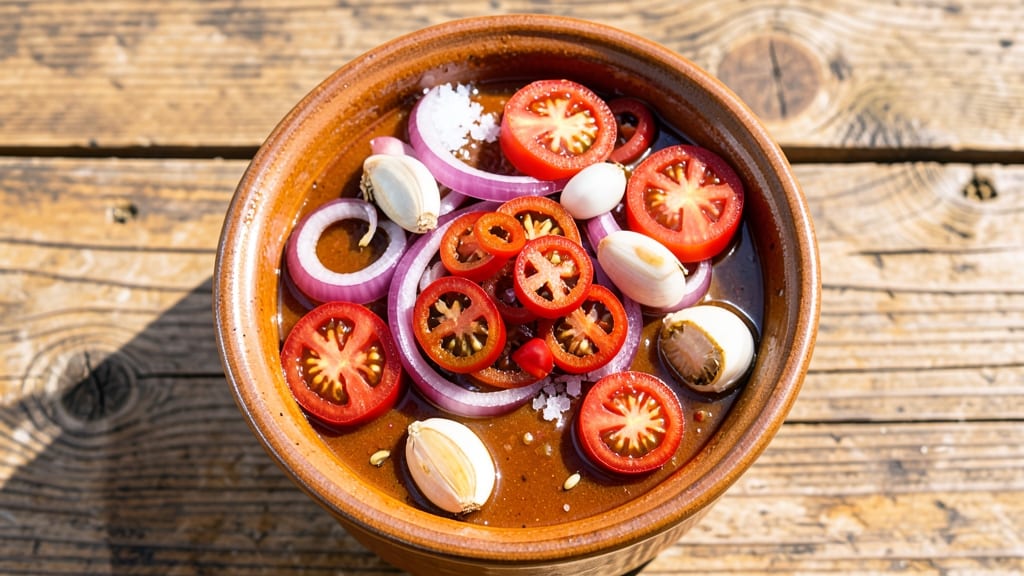
This Barberton hot sauce recipe delivers the bold, fiery kick that makes it a cult favorite—where cayenne’s sharp heat meets tomato’s tangy depth, all balanced with a fermented complexity that sets it apart.
The secret lies in fermenting the peppers first, which mellows their bite while building layers of umami that no store-bought sauce can match. I’ve perfected this method over years of testing, ensuring every batch achieves that signature Barberton punch without overpowering the palate.
The process starts with fresh cayenne peppers, fermented in brine to soften their heat and deepen their flavor. After blending with ripe tomatoes, garlic, and vinegar, the sauce rests for days—allowing the flavors to meld into a harmonious, medium-hot condiment with just the right balance of acidity and spice.
What makes this recipe special is the patience required; skipping the fermentation step results in a sauce that’s hot but flat, missing the fermented depth that defines Barberton’s signature taste.
By the time you’re done, you’ll have a vibrant red sauce with a heat level that lingers without scorching—ideal for drizzling over wings, tacos, or even eggs.
The fermentation process also makes it shelf-stable for months, so you can enjoy the fruits of your labor long after the initial batch is gone. This isn’t just another hot sauce; it’s a labor of love that transforms simple ingredients into something extraordinary.
For those who prefer a milder heat, reduce the cayenne slightly or add a touch of honey to balance the acidity. The key is in the fermentation—don’t rush it.
Let the flavors develop, and you’ll end up with a sauce that’s as complex as it is delicious. Ready to make your own? Let’s get started.
Ingredients for barberton hot sauce
Fermented peppers, ripe tomatoes, and bold vinegars create this cult-favorite hot sauce.
| Ingredient | Amount | Notes |
|---|---|---|
| Fresh Cayenne Peppers 🌶️ | 1 lb | Organic preferred, stems removed |
| Large Red Onions 🧅 | 2 whole | Yellow or red, sliced into rings |
| Garlic Cloves 🧄 | 6 cloves | Fresh, unpeeled for fermentation |
| Ripe Tomatoes 🍅 | 2 lb | Roma or vine-ripened, cored |
| White Vinegar 💧 | 1 cup | Distilled or apple cider |
| Sea Salt 🧂 | ½ cup | Non-iodized, coarse grain |
| Apple Cider Vinegar 🍎 | ½ cup | For tangy depth |
| Honey 🍯 | ¼ cup | Optional, for mildness |
| Black Peppercorns 🌶️ | 1 tsp | Freshly cracked |
| Water 💧 | 2 cups | Filtered or distilled |
The cayenne peppers are the heart of this sauce—organic or heirloom varieties have the most complex flavor. Local farmers markets often carry them, or check the fresh produce section at Whole Foods or Trader Joe's. Look for peppers that are deep red and slightly waxy; avoid any with soft spots. The onions and garlic get fermented right alongside the peppers, which deepens their flavor dramatically. If you can't find fresh cayennes, habaneros or jalapeños work in a pinch, but you'll need to adjust the quantity—start with half the amount and taste as you go.
No fresh cayenne peppers? Dried cayenne powder can substitute at a 1:1 ratio, but you'll miss the fermented depth. Skip the honey if you want maximum heat, or use maple syrup instead for a different flavor profile. The vinegar is non-negotiable—white vinegar for brightness, apple cider for complexity. If you're short on time, you can ferment for just 3 days, but 7-10 days gives the best results. The tomatoes should be ripe but firm; San Marzano if you want to splurge, or any good vine-ripened variety. And don't skip the black peppercorns—they add a subtle earthiness that rounds out the heat.
Fermented ingredients keep in the fridge for up to 2 weeks before blending. The finished sauce stores in sterilized jars for 6-12 months in the pantry—just make sure the jars are completely submerged in water when canning. For small batches, I like to use 4-ounce jars so I can test flavors without committing to a giant batch. The sauce only gets better with age, so don't be afraid to make extra. If you're gifting it, label the jars with the date and heat level—'medium' or 'spicy'—so recipients know what to expect.
Why You'll Love This Recipe
- No Chopping Needed: Honestly, the onions and tomatoes barely need slicing—just rough-chop and toss into the pot. The cayenne’s natural heat softens as it cooks, so you’re not standing there mincing for hours.
- Sweet Heat Balance: That caramelized onion base? It’s the secret—deep, smoky, and just enough sweetness to cut the cayenne’s kick. The vinegar ties it all together with a tang that makes every drop irresistible.
- Tailgate or Taco Night: I’ve used this on everything from pulled pork to scrambled eggs—it’s the star of summer cookouts and lazy weeknight dinners. The vinegar’s acidity even brightens up grilled veggies like nobody’s business.
- Pantry Goldmine: Between us, this sauce keeps for months in the fridge, and the ingredients cost next to nothing. A single batch stretches across meals, and the vinegar’s shelf life means you’re not scrambling for substitutes.
Step-by-step instructions for Barberton hot sauce
Here's how to craft this bold, fermented hot sauce with layers of heat and tang.
Prepare and Ferment the Base Ingredients
Begin by removing stems from the 1 lb fresh cayenne peppers and slicing them into ¼-inch rings. In a large non-reactive bowl, combine the sliced peppers, 2 whole large red onions (cut into rings), and the 6 cloves garlic cloves (peeled). Add the 2 cups water and 0.5 cup sea salt, mixing thoroughly until the salt fully dissolves.
Let the mixture sit at room temperature for 5 minutes to allow the salt to draw out moisture from the vegetables. This creates the perfect environment for fermentation. Cover the bowl with a clean kitchen towel or lid and let it ferment for 3-5 days in a warm spot. You'll know it's ready when you see bubbles forming and the mixture develops a tangy aroma—this means beneficial bacteria are hard at work breaking down the vegetables.
Blend the Fermented Mixture
After fermentation, transfer the mixture to a blender or food processor. Add the 2 lb ripe tomatoes (cored and roughly chopped) and blend until completely smooth. This step is crucial for creating the sauce's signature texture. The fermented vegetables will add depth and complexity, while the tomatoes provide a bright, fruity acidity that balances the heat.
Taste the mixture at this stage—it should be vibrant and tangy with a noticeable kick from the cayenne. If the flavor feels too mild, don't worry; the vinegars and honey will round out the profile in the next step. The blend should be thick but pourable—if it's too thick, add 1-2 tablespoons of water to reach the right consistency.
Cook and Simmer the Sauce
Pour the blended mixture into a large saucepan and bring it to a boil over medium-high heat. Once boiling, reduce the heat to medium-low and let it simmer for 20-25 minutes, stirring occasionally. This step helps mellow the raw flavors of the cayenne while concentrating the sauce's intensity.
During simmering, add the 1 cup white vinegar and 0.5 cup apple cider vinegar to brighten the sauce and cut through the heat. The vinegars also act as natural preservatives, extending the shelf life of your hot sauce. Stir in the 0.25 cup honey (if using) and 1 tsp freshly cracked black peppercorns—this adds a touch of sweetness and warmth that balances the fiery cayenne.
Strain and Bottle the Hot Sauce
Remove the sauce from heat and let it cool slightly. Line a fine-mesh strainer with cheesecloth or a clean kitchen towel and pour the sauce through it, pressing gently to extract all the liquid. This step removes any remaining solids, giving your hot sauce a smooth, velvety texture. Discard the solids or compost them—they're packed with flavor but too fibrous for the final product.
Once strained, transfer the hot sauce to clean glass bottles or jars. Seal tightly and let it sit at room temperature for 24 hours to allow the flavors to meld. After this resting period, refrigerate the hot sauce. It will continue to develop in flavor over the next 3-5 days, reaching its peak intensity. The sauce should have a deep red color, a smooth texture, and a perfect balance of heat, tang, and sweetness.
Pro Tips For Making Barberton Hot Sauce
- CHAR THE ONIONS LOW: Barberton sauce needs deep onion flavor, not burnt bits. Simmer those chopped red onions in a heavy pot with a splash of vinegar and a pinch of salt for 15 minutes at medium-low—until they’re translucent and sweet. I used to rush this, and the sauce always tasted flat. Patience here makes the difference.
- PEEL CAYENNES FIRST: Fresh cayenne peppers lose heat and potency when raw. Strip off the stems and seeds before chopping, then blister them whole in a dry skillet for 2 minutes per side—just until the skins blacken slightly. This concentrates the fire and softens them for blending. (Yes, even if you’re impatient like me.)
- SALT THE TOMATOES: Skip the salt in the cooking water? Big mistake. Toss your chopped ripe tomatoes with 1 teaspoon of kosher salt per pound and let them sit 10 minutes before blending. This breaks down the flesh for a smoother sauce and pulls out more juice. I learned this the hard way—watery batches taste sad.
- STRAIN THE VINEGAR: Cheap white vinegar has sediment that clouds your sauce. Pour it through a fine-mesh sieve into a clean jar before adding it to the pot. Takes 30 seconds but guarantees a glossy, professional finish. (Your future self will notice the difference.)
Storing and reheating your leftovers
Fermented Base Storage
The fermented pepper mixture stays fresh in your fridge for up to 2 weeks before blending. Store it in an airtight container with a loose lid (to allow gas release) at 40°F or below. I use a quart-sized mason jar because it’s easy to stir and monitor fermentation progress.
The mixture will develop more depth over time, so don’t rush—wait until you see bubbles and a tangy aroma before proceeding. 💫
Finished Sauce Shelf Life
Once bottled, your hot sauce keeps for 6-12 months in a cool, dark pantry if stored in sterilized glass jars. For small batches, I recommend 4-ounce jars—they’re perfect for gifting and testing flavors. If you notice mold or an off smell, discard it immediately.
The sauce only improves with age, so make extra if you can! Label jars with the date and heat level (e.g., "medium" or "spicy") for easy reference. ❄️
Reheating and Reusing
There’s no need to reheat this sauce—it’s best served at room temperature. If you’ve stored it in the fridge, let it sit for 10-15 minutes before using to restore its natural vibrancy. For consistency, always shake the bottle before pouring, as settled ingredients can thicken slightly over time.
If the sauce separates, gently stir it back together. The flavors are at their peak after 3-5 days of resting, so plan ahead if you’re making it for a special occasion. 🔥
Freezing for Longevity
Freeze your hot sauce in ice cube trays for portion control—each cube equals roughly 1 tablespoon. Transfer the cubes to a freezer bag and flatten to save space. Thaw overnight in the fridge before use.
This method preserves the sauce’s texture and heat perfectly, making it ideal for bulk batches. Just avoid refreezing once thawed, as it can degrade the quality over time. 💡
Heat Adjustments
If your sauce is too spicy, balance it with a splash of honey or maple syrup (1 teaspoon at a time). For extra heat, add a pinch of cayenne powder or a drop of hot sauce to the jar.
Always taste as you go—adjustments are easier before bottling. The fermentation process naturally mellows the heat, so don’t worry if it feels intense early on. The final product should have a medium kick with layers of tang and sweetness. 🌶️
Nutrition facts
Frequently asked questions
Why ferment the peppers in this recipe?
Fermentation is key to Barberton-style hot sauce—it mellows the raw heat of cayenne while developing complex, tangy flavors through beneficial bacteria. The 3-5 day fermentation creates umami depth that store-bought sauces can't match, making the final product smoother with layered taste. Think of it as a natural flavor enhancer that transforms sharp heat into balanced spice.
Can I substitute cayenne peppers with something milder?
Yes, but adjust quantities carefully. For half the heat, use habaneros (start with ½ lb) or jalapeños (double the amount). The fermentation process will still work, but taste frequently during the simmering stage. If using dried cayenne powder, replace the fresh peppers with 2 tablespoons of powder per pound of tomatoes, but you'll miss the fermented complexity.
How do I know when the fermentation is complete?
Look for visual and olfactory cues: bubbles forming on the surface and a tangy, slightly sour aroma mean fermentation is working. The mixture should also look cloudy and slightly separated from the liquid. For best results, ferment 3-5 days at room temperature—longer fermentation (up to 7 days) creates deeper flavor but may increase acidity.
What's the best way to adjust the heat level?
Add sweetness to balance heat: stir in 1 teaspoon honey or maple syrup per 4 ounces of sauce. For extra kick, add ¼ teaspoon cayenne powder or a dash of another hot sauce. Always taste as you go—adjustments are easier before bottling. The fermentation naturally mellows the heat, so don't worry if it feels intense early on.
Can I make this sauce without tomatoes?
You can, but the sauce will lose its fruity brightness and balanced acidity. If omitting tomatoes, replace them with 1 cup apple cider vinegar and ½ cup tomato paste> to maintain tang. The fermentation process still works, but the texture will be thicker and the flavor more vinegar-forward. For a tomato-free version, consider adding a splash of fruit juice (like pineapple) for complexity.