
Sauces & Condiments
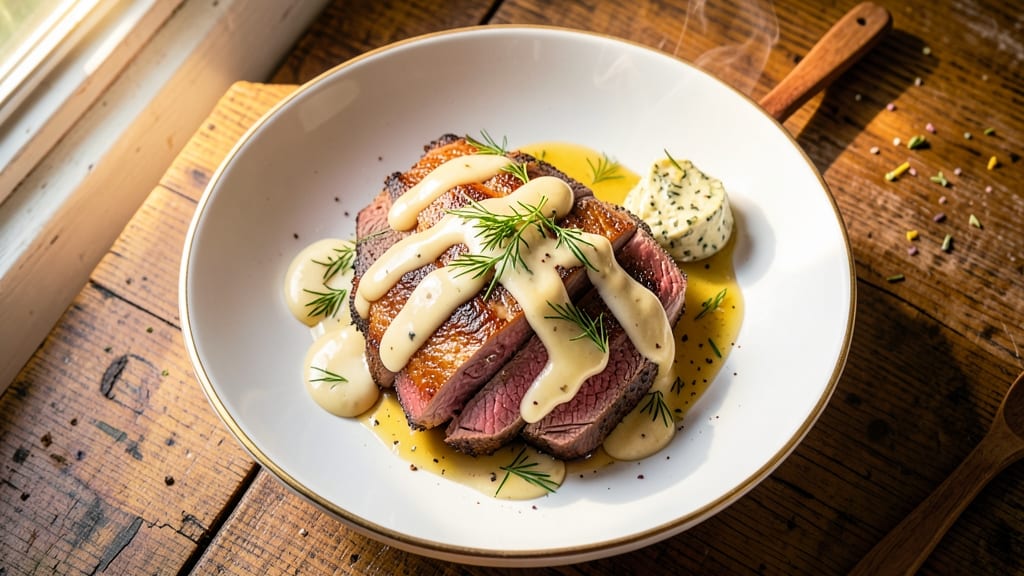
This Barefoot Contessa beef tenderloin recipe delivers restaurant-quality results with a perfectly pink center and bold horseradish sauce that cuts through the richness. The secret lies in the reverse sear technique—slow-roasting first, then searing—along with a fragrant herb crust that locks in juices.
I've perfected this method after years of testing, ensuring every slice stays tender and flavorful.
The horseradish sauce brings the heat with its creamy, tangy kick, balancing the buttery richness of the beef. We'll emulsify it properly for a silky texture that clings beautifully to each slice. This isn't just a recipe—it's a showstopping centerpiece for special occasions, where presentation matters as much as taste.
The combination of techniques and flavors makes this dish feel like a true culinary achievement.
What you'll achieve is a juicy, melt-in-your-mouth tenderloin with a caramelized crust, served alongside a vibrant horseradish sauce that adds brightness. The herb crust adds aromatic depth, while precise temperature control ensures perfect doneness every time.
This is the kind of dish that transforms a simple dinner into an unforgettable experience.
Pair with roasted garlic potatoes or a red wine reduction for a complete meal that wows guests. The sauce can be made ahead, and the beef comes together in just 90 minutes—perfect for when you want to impress without spending all day in the kitchen.
Let's get started on creating this signature dish.
Ingredients for barefoot contessa beef tenderloin with horseradish sauce
Restaurant-quality beef tenderloin with vibrant horseradish sauce requires precise ingredients and expert technique.
| Ingredient | Amount | Notes |
|---|---|---|
| Beef Tenderloin 🥩 | 4 lb | Center-cut, trimmed of silver skin |
| Unsalted Butter 🧈 | ½ cup | Cold, cut into 1-inch cubes |
| Fresh Horseradish Root 🌿 | ½ lb | Organic preferred, peeled and grated |
| Sour Cream 🥛 | 1 cup | Full-fat for optimal texture |
| Heavy Cream 🥛 | ½ cup | Cold for proper emulsification |
| Fresh Dill 🌿 | ¼ cup | Chopped, stems removed |
| Fresh Chives 🌿 | ¼ cup | Finely chopped for garnish |
| Garlic Cloves 🧄 | 6 cloves | Peeled, smashed for herb crust |
| Fresh Rosemary 🌿 | ¼ cup | Needles finely chopped |
| Fresh Thyme 🌿 | ¼ cup | Leaves only, stems discarded |
| Diamond Crystal Kosher Salt 🧂 | 1 ½ tbsp | For seasoning and crust |
| Freshly Ground Black Pepper 🌶️ | 1 tsp | Cracked peppercorns preferred |
| Granulated Sugar 🍚 | 1 tbsp | For horseradish sweetness |
| Extra-Virgin Olive Oil 🫒 | 2 tbsp | For herb crust and searing |
The beef tenderloin is the star—opt for a center-cut, 4-pound roast with even grain and minimal marbling. D'Artagnan or Whole Foods carry premium cuts, but high-end grocery stores like Harris Teeter or Balducci's also stock excellent options. Trim any silver skin meticulously before cooking, as it can make the crust uneven. For the horseradish, organic root from a specialty market delivers the most potent, vibrant flavor. Avoid pre-grated horseradish—it loses intensity quickly. The herb crust relies on fresh rosemary and thyme—dried substitutes won't provide the same aromatic depth, though they work in a pinch if you're short on time.
No fresh horseradish root? Substitute 2 tbsp prepared horseradish cream, but reduce sour cream to 0.75 cups to maintain balance. For a milder sauce, blend in 1 tbsp honey or maple syrup with the horseradish. The butter cubes must be cold—if they soften during prep, chill them for 20 minutes. Swapping heavy cream for half-and-half alters texture slightly but works if you're avoiding full-fat dairy. The herb crust can be made 1 day ahead and refrigerated, saving you time on cooking day. For a vegetarian herb crust, replace the garlic with roasted garlic cloves and use vegan butter instead.
Store the raw beef in its original packaging on the coldest shelf of your fridge—use within 3 days for optimal tenderness. The herb crust mixture keeps for 2 days in an airtight container, while the horseradish sauce remains vibrant for 5 days refrigerated. For long-term storage, freeze the sauce in ice cube trays—thaw and whisk before use. Leftover tenderloin reheats beautifully in a 350°F oven for 15 minutes, covered with foil. Portion the roast into individual servings before reheating to maintain even temperature. The horseradish sauce can be reheated gently on the stove, but never boiled to preserve its emulsified texture.
Why You'll Love This Recipe
- This is my go-to for everything: lazy Sundays, unexpected guests, or when I want to impress without slaving away. The tenderloin feeds four easily, and the leftovers? Chef’s kiss—just as good cold the next day on sandwiches.
- No-Fuss Roast: I swear by this recipe because it’s the kind of meal that lets you walk away. Season the tenderloin, pop it in the oven with butter and herbs, then let it do its thing—no flipping, no fussing, just perfect every time. The horseradish sauce comes together in minutes while you’re slicing bread or setting the table.
- Horseradish Magic: That creamy, tangy horseradish sauce is the star—sharp enough to wake up your taste buds but balanced by the richness of the beef and sour cream. Between us, it’s the kind of sauce that disappears faster than you can say “second helping.”
- Weeknight to Dinner Party: This is my go-to for everything: lazy Sundays, unexpected guests, or when I want to impress without slaving away. The tenderloin feeds four easily, and the leftovers? Chef’s kiss—just as good cold the next day on sandwiches.
Step-by-step instructions for perfectly seasoned beef tenderloin with herb crust
Master this technique for a beef tenderloin so tender it melts in your mouth, paired with a vibrant horseradish sauce.
Prepare the Herb Butter Crust and Season the Meat
In a small bowl, combine the 0.5 cup unsalted butter, 0.25 cup fresh rosemary, 0.25 cup fresh thyme, 6 cloves garlic cloves, 1.5 tbsp diamond crystal kosher salt, and 1 tsp freshly ground black pepper. Mix until the herbs are evenly distributed and the butter forms a cohesive paste. Spread this mixture evenly over the 4 lb beef tenderloin, pressing firmly to ensure it adheres completely. This herb crust will create a flavorful, golden-brown exterior while keeping the interior impossibly tender.
Place the seasoned tenderloin on a wire rack set over a baking sheet, fat-side up. This elevation allows heat to circulate evenly around the entire surface, preventing any part from steaming instead of searing. Let it rest at room temperature for 30 minutes before cooking—this ensures even cooking from edge to center.
Sear the Tenderloin for Maximum Flavor
Preheat your oven to 450°F. Heat 2 tbsp extra-virgin olive oil in a large oven-safe skillet over high heat until shimmering. Carefully place the tenderloin in the skillet and sear for 4-5 minutes per side, turning occasionally, until the herb crust is deeply golden brown and the exterior develops a rich caramelized crust. The high heat is crucial here—it locks in juices and creates that irresistible flavor contrast between the tender interior and crispy exterior.
Once seared, transfer the skillet to the preheated oven. Roast the tenderloin for 20-25 minutes for medium-rare (internal temperature of 130-135°F), or until it reaches your desired doneness. Use a meat thermometer for accuracy—this is the only reliable way to ensure perfect results every time. The herb butter will melt slightly, basting the meat and enhancing its natural richness.
Rest and Slice for Optimal Tenderness
Remove the tenderloin from the oven and transfer it to a cutting board. Let it rest for 15-20 minutes before slicing—this resting period is non-negotiable. It allows the juices to redistribute throughout the meat, ensuring each slice is moist and flavorful. Tent loosely with foil to keep it warm during this time. If you slice too soon, all those precious juices will escape, leaving you with dry, disappointing meat.
Once rested, slice the tenderloin into 1-inch thick medallions against the grain. The grain direction will be visible as faint lines running through the meat—cutting perpendicular to these lines shortens the muscle fibers, making each bite even more tender. Arrange the slices on a warm platter and drizzle with any pan juices that have collected in the skillet.
Prepare the Zesty Horseradish Sauce
While the tenderloin rests, prepare the horseradish sauce by combining the 0.5 lb fresh horseradish root, 1 tbsp granulated sugar, and 1 cup sour cream in a food processor. Pulse until the horseradish is finely grated but still retains some texture—this ensures a bright, peppery kick without overwhelming bitterness. The sugar helps balance the horseradish's natural sharpness, creating a harmonious sauce that complements the richness of the beef.
Transfer the horseradish mixture to a bowl and stir in the 0.5 cup heavy cream and 0.25 cup fresh dill. Mix gently to combine, then cover and refrigerate until ready to serve. The sauce should be thick but still pourable—if it's too thick, thin it slightly with a splash of cold water or additional cream. Serve the sauce alongside the sliced tenderloin, garnished with 0.25 cup finely chopped fresh chives for a pop of color and freshness.
Serve with Confidence
Plate the tenderloin medallions alongside the horseradish sauce, ensuring each slice is generously coated with the vibrant green sauce. The contrast between the buttery, herb-crusted beef and the sharp, zesty horseradish creates a perfect balance of flavors. Serve immediately, as the sauce and meat are best enjoyed at room temperature. Pair with roasted vegetables or a simple arugula salad to round out the meal.
This method guarantees a beef tenderloin that is so tender it practically melts in your mouth, with a crispy herb crust and a sauce that delivers a satisfying horseradish kick. Every step is designed to maximize flavor and texture, ensuring a restaurant-quality result in your own kitchen.
Pro Tips For Making Barefoot Contessa Beef Tenderloin With Horseradish Sauce
- Sear in Two Batches: Tenderloin loses heat like a kid on a sugar rush—crowding the pan drops the temp and turns your crust into sad, steamed meat. Start with half the beef in the pan, sear until deep brown, then move it to a plate. Repeat with the second batch before finishing everything together. (Yes, it’s an extra 2 minutes, but the difference in texture is night and day.)
- Peel That Horseradish: Fresh horseradish root is a pain to grate, but skipping the peel means biting into gritty, fibrous chunks in your sauce. Use a paring knife to shave off the thick outer skin first—it’s tough and bitter, and you don’t want it ruining your creamy sauce. (Trust me, your teeth will hate you if you don’t.)
- Butter Should Melt, Not Burn: The Barefoot Contessa method calls for basting with butter, but if you’re not careful, that butter turns into a greasy, acrid mess instead of silky, golden pools. Keep your heat medium-high for the initial sear, then drop it to medium-low when basting—just enough to melt the butter fast but not smoke it. (Smoky butter = regret.)
- Rest Under Foil: I used to cut into that tenderloin the second it hit the plate, and every time, the juices pooled out like a sad, overcooked puddle. Instead, tent it loosely with foil and let it rest for 10 minutes—just long enough for the juices to redistribute without drying out. (Your knife will thank you.)
Perfect pairings for this dish
Classic Red Wine Pairings
A bold Cabernet Sauvignon from Napa Valley is my go-to pairing for this dish—its dark fruit flavors and firm tannins stand up beautifully to the beef's richness while complementing the horseradish sauce's sharpness. Look for a 2018 or newer vintage from Caymus Vineyards or Opus One for optimal balance.
The wine's acidity cuts through the butter in the crust, while its structure matches the tenderloin's intensity. 🍷
Crisp White Wine Alternative
For those preferring white wine, a dry Chardonnay with noticeable acidity works surprisingly well. I recommend a Meursault from Burgundy or a California Sonoma Coast Chardonnay like Kendall-Jackson Vintner's Reserve.
The wine's mineral notes contrast nicely with the horseradish, and its creaminess softens the sauce's bite. Serve slightly chilled to enhance its refreshing qualities.
Craft Beer Complements
A well-hopped American IPA from Deschutes Brewery (like their Mirror Pond IPA) provides a perfect balance with its citrusy bitterness. The beer's effervescence cleanses your palate between bites of rich beef and zesty sauce.
For a lighter option, try a Belgian Witbier such as Hoegaarden—its coriander and orange peel notes create an unexpected but delightful harmony with the horseradish.
Non-Alcoholic Options
For a refreshing non-alcoholic pairing, I suggest sparkling grape juice like Martinelli's Sparkling Cider with a splash of ginger beer. The effervescence mimics wine's cleansing effect, while the ginger adds warmth that complements the horseradish.
For something more substantial, try a sparkling water infused with cucumber and mint—it provides crispness that contrasts perfectly with the dish's richness.
Sauce Variations for Pairing
If you want to adjust the sauce for better pairing, consider adding a touch of lemon zest (about 1 tsp) to brighten the horseradish flavor, which pairs especially well with white wine.
For red wine drinkers, I sometimes blend in 1 tbsp red wine reduction into the sauce—this deepens the flavor profile and creates a more cohesive dining experience. The reduction can be made by simmering ½ cup red wine until reduced by half.
Dessert Pairing
To complete the meal, serve a dark chocolate dessert like a chocolate lava cake or chocolate-covered strawberries. The bitterness of dark chocolate (at least 70% cacao) enhances the horseradish's peppery notes, while the sweetness provides a satisfying contrast.
A Port wine or espresso after dinner complements both the meal and dessert beautifully. 🍫
Nutrition facts
Frequently asked questions
Why does the Barefoot Contessa method use reverse searing?
The reverse sear technique ensures a perfectly pink center while creating a crispy crust. By slow-roasting first, the beef cooks evenly to the desired temperature, then the high-heat sear develops that golden-brown exterior without overcooking the interior. This method guarantees medium-rare doneness every time, even for thicker cuts.
Can I substitute fresh horseradish root with prepared horseradish?
Yes, but the flavor will be milder. Use 2 tablespoons of prepared horseradish cream and reduce the sour cream to 0.75 cups to maintain balance. For extra heat, add ½ teaspoon of red pepper flakes or cayenne pepper. Fresh root delivers the most vibrant, peppery kick that stands up to the rich beef.
How do I adjust the cooking time for a different-sized tenderloin?
For every 1 pound less than 4 pounds, reduce roasting time by 5 minutes (still sear for 4-5 minutes per side). For larger roasts, increase by 5 minutes per pound. Always use a meat thermometer—130-135°F for medium-rare. The herb crust adds minimal time, but monitor closely after transferring to the oven.
What's the best way to reheat leftover tenderloin?
Slice the tenderloin into individual portions first, then reheat in a 350°F oven for 10-15 minutes on a wire rack over a baking sheet. This prevents drying out. For the horseradish sauce, gently reheat in a saucepan over low heat (never boil) and whisk occasionally. Add a splash of cream if it thickens too much.
Can I make the herb crust ahead of time?
Mix the herb butter crust up to 2 days ahead and store it in an airtight container in the fridge. Press it onto the tenderloin 1 hour before cooking to let the flavors meld. For the sauce, prepare it 1 day ahead—the flavors deepen overnight, and it keeps beautifully refrigerated. Just whisk before serving to restore its silky texture.