
Sauces & Condiments
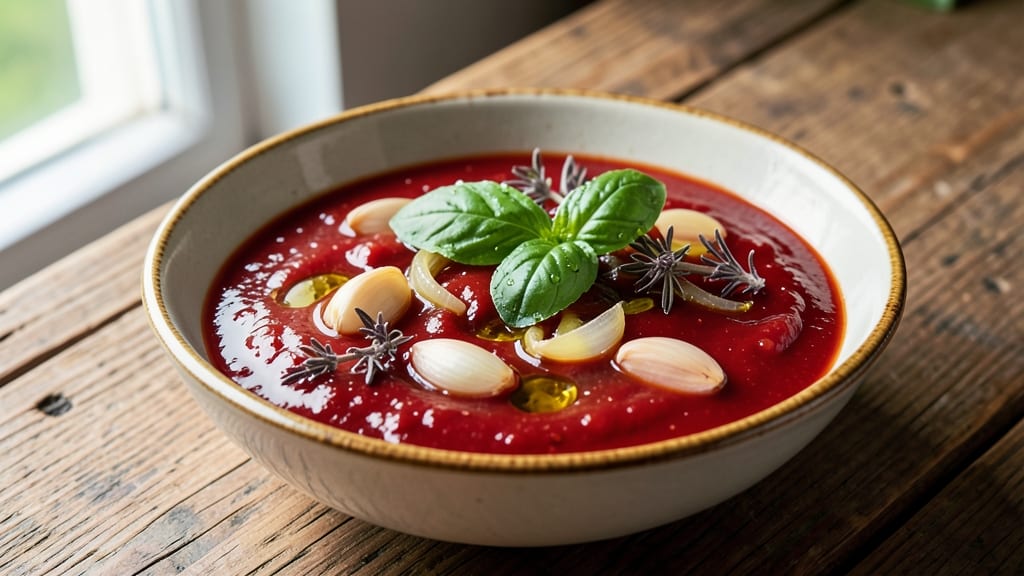
This Barefoot Contessa marinara sauce recipe delivers the kind of rich, tomato-forward flavor that elevates every pasta dish, pizza, or garlic bread. The secret lies in slow-simmered tomatoes, fresh garlic, and a balance of herbs that create depth without overpowering.
I’ve perfected this version to be foolproof—no fancy techniques, just quality ingredients and patience for a sauce that tastes like it’s been simmering for hours.
What sets this marinara apart is the garlic-infused oil, which adds layers of aroma and flavor without turning bitter. The sauce reduces naturally as it simmers, concentrating the sweetness of the tomatoes and letting the herbs meld into a cohesive, aromatic base.
It’s versatile enough for weeknight dinners but refined enough for company—just like Ina Garten would make it.
By the time you’re done, you’ll have a smooth, velvety sauce with just the right balance of acidity and sweetness, perfect for tossing with al dente pasta or drizzling over grilled meats.
The best part? It tastes even better the next day, making it ideal for meal prep. This is the kind of marinara that turns simple meals into something special.
Use it as a base for lasagna, a topping for bruschetta, or a dip for crusty bread—this sauce is the foundation of countless Italian classics. Let’s get cooking!
Ingredients for barefoot contessa marinara sauce
Eleven simple ingredients transform into the kind of marinara that makes every pasta dish feel special.
| Ingredient | Amount | Notes |
|---|---|---|
| Extra-Virgin Olive Oil 🫒 | ½ cup | High-quality, fruity variety for infusion |
| Garlic Cloves 🧄 | 6 whole | Fresh, peeled, lightly crushed |
| Canned San Marzano Tomatoes 🍅 | 28 oz | Whole, peeled, no salt added |
| Yellow Onion 🧅 | 1 whole | Medium, finely diced |
| Fresh Basil Leaves 🌿 | ½ cup | Packed, stems removed |
| Fresh Oregano Leaves 🍃 | 2 tbsp | Or 1 tsp dried oregano |
| Dried Thyme 🌿 | 1 tsp | Or 2 tbsp fresh thyme |
| Kosher Salt 🧂 | 1 ½ tsp | Diamond Crystal preferred |
| Black Peppercorns 🌶️ | ½ tsp | Freshly cracked |
| Red Wine Vinegar 🍷 | 1 tbsp | For acidity balance |
| Granulated Sugar 🍬 | 1 tsp | To balance acidity |
The tomatoes are non-negotiable—San Marzano is the gold standard, but any high-quality canned tomatoes work. I grab mine from Whole Foods or Trader Joe's, where they're consistently ripe and flavorful. Fresh garlic matters too—roasted or peeled ahead saves time later. For the herbs, fresh basil and oregano make all the difference, but dried works in a pinch (just halve the amount). The olive oil should be extra-virgin, fruity, and not overly peppery—it's the base for that garlic infusion that makes this sauce sing.
No red wine vinegar? White wine vinegar or lemon juice works just as well. Short on fresh basil? Dried basil at one-third the amount gets you close, but it won't have that same vibrant punch. The sugar might seem odd, but it's essential—it balances the acidity from the tomatoes and vinegar, rounding out the flavors. If you're using salted tomatoes, reduce the added salt by half. For a deeper flavor, toast the dried thyme in a dry pan for 30 seconds before adding it to the sauce—worth the extra minute.
This sauce tastes even better the next day as the flavors meld together. Store it in a glass jar in the fridge for up to 5 days, or freeze for 3 months. I always make a double batch—one for immediate use and one to freeze for lazy weeknights. The garlic-infused oil keeps in the fridge for 1 week if stored properly, so you can make it ahead too. Just remember: never boil the sauce—simmer gently to preserve all that beautiful flavor.
Why You'll Love This Recipe
- No-Chop Required: I swear by this recipe because the onion and garlic barely need prep—just a rough chop, then toss them in the olive oil. The San Marzano tomatoes handle the rest, so you’re not stuck dicing or peeling for hours.
- Garlic-Basil Magic: That moment when the garlic softens in the olive oil and the basil hits your tongue? It’s like a flavor hug. The acidity of the tomatoes balances the richness, and the fresh basil ties it all together—no fancy tricks, just pure taste.
- Weeknight to Dinner Party: I make this for spaghetti on Tuesdays, but it’s also my go-to for company. Double the batch, simmer it longer, and suddenly you’ve got a restaurant-worthy sauce that feels effortless. (Yes, even on a Tuesday night.)
- Fridge Goldmine: This sauce keeps for days in the fridge, and it only gets better. I freeze half for lazy nights, then reheat it with a splash of water—no texture loss, just that same deep, rich flavor. Budget-friendly and foolproof.
Step-by-step instructions for tomato-packed marinara sauce
Here's how to build a rich, aromatic marinara that balances sweetness, acidity, and garlic depth.
Infuse the Olive Oil with Garlic
Heat the 0.5 cup extra-virgin olive oil in a large, heavy-bottomed saucepan over medium-low heat. Add the 6 whole garlic cloves and cook gently for 5-6 minutes, stirring occasionally. You're looking for a golden hue—not browned—because garlic burns quickly and turns bitter. The oil should smell fragrant and nutty, with garlic's sweet aroma permeating it.
This low-and-slow approach ensures the garlic infuses the oil without burning. If the oil starts to bubble vigorously, reduce the heat immediately. Once the garlic reaches this golden stage, remove the pan from heat and let it sit for 2 minutes—this stops the cooking process and preserves all that flavor you've built.
Sauté the Onion Until Translucent
Return the pan to medium heat and add the finely diced yellow onion. Cook for 5-7 minutes, stirring frequently, until the onion becomes soft and translucent. You'll notice the edges start to curl slightly—that's your signal it's ready. The onion should lose its raw bite and develop a gentle sweetness.
Don't rush this step. Properly cooked onion forms the base of your sauce's flavor foundation. If you see any brown spots forming, reduce the heat slightly to prevent burning. Once the onion is tender, add the 1 tsp dried thyme and stir for 30 seconds to toast the spices gently.
Build the Tomato Base
Add the 28 oz canned San Marzano tomatoes (crushed by hand or with a wooden spoon) to the pan. Stir well to combine with the onion mixture, then bring to a gentle simmer over medium heat. Let it cook uncovered for 15-20 minutes, stirring occasionally. You want the tomatoes to break down slightly and release their juices, creating a thicker consistency.
Here's where the acidity comes in: Add the 1 tbsp red wine vinegar and 1 tsp granulated sugar now. The vinegar brightens the flavors while the sugar balances the acidity from the tomatoes. Stir well and let the sauce simmer for another 5 minutes. You'll notice the sauce becoming more cohesive and developing a glossy sheen.
Season and Finish with Herbs
Taste the sauce and adjust seasoning with the 1.5 tsp kosher salt and 0.5 tsp black peppercorns. You want the salt to be present but not overpowering, and the pepper to add just a hint of heat. The sauce should taste balanced—sweet from the tomatoes, bright from the vinegar, and aromatic from the garlic and herbs.
Remove the pan from heat and stir in the 0.5 cup fresh basil leaves and 2 tbsp fresh oregano leaves. Let the sauce sit for 5 minutes to allow the herbs to infuse. The basil will add its signature sweetness while the oregano contributes an earthy depth. If you prefer a smoother texture, you can strain the sauce through a fine-mesh sieve, but I like to leave the herbs in for maximum flavor.
Simmer to Perfect Consistency
Return the sauce to low heat and let it simmer gently for 10-15 minutes, stirring occasionally. This final reduction allows the flavors to meld and the sauce to thicken slightly. You're aiming for a consistency that coats the back of a spoon but still flows easily. If it becomes too thick, add 1-2 tablespoons of water to loosen it.
Once you've reached your desired consistency, remove from heat and let it rest for 5 minutes before serving. This resting period allows the flavors to settle and the sauce to reach its full potential. Serve warm over pasta, with crusty bread, or as a dipping sauce for grilled meats. The sauce should be vibrant red with a glossy finish, packed with layers of garlic, tomato, and herb flavors.
Pro Tips For Making Barefoot Contessa Marinara Sauce
- CRUSH THE GARLIC FIRST: Toss the whole cloves in a mortar with a pinch of salt and smash them flat with the side of your knife before adding oil—this releases more flavor without burning. (Yes, even if you’re impatient like me, wait until the onion is soft and translucent before you add them.)
- SWEAT THE ONION LOW: Cook the onion over medium-low heat until it’s almost golden, not brown—you want sweetness, not bitterness. I learned this the hard way after my sauce tasted like a sad charcuterie board instead of a bright marinara.
- SIMMER THE TOMATOES LONG: Don’t rush the reduction—let the San Marzano tomatoes simmer uncovered for at least 45 minutes, stirring occasionally. The longer they cook, the deeper the flavor, and the less you’ll need to add later. (Your future self will thank you.)
- FINISH WITH BASIL RIGHT: Tear the basil leaves by hand and add them last, just before serving—no blending, no chopping. This keeps the flavor vibrant and makes the sauce look like it came from a Tuscan grandmother’s kitchen. (Does it look weird? Yes. Does it work? Every single time.)
Common mistakes when making your barefoot contessa marinara sauce
Overcooking the Garlic
Garlic is delicate and burns quickly, turning bitter if cooked too long. I’ve seen people rush this step and end up with a sauce that tastes harsh rather than sweet.
Cook the 6 whole garlic cloves in 0.5 cup olive oil over medium-low heat for only 5-6 minutes—just until golden. If the oil starts to bubble or the garlic darkens, remove the pan immediately. 🌶️
Skipping the Resting Time
After simmering, letting the sauce rest for 5 minutes before serving is crucial. I’ve made this mistake too—skipping the rest means the flavors aren’t fully integrated, and the sauce can taste disjointed.
This short pause allows the herbs to infuse and the sauce to settle into its perfect consistency. Trust me, those 5 minutes make all the difference.
Using Low-Quality Tomatoes
Not all tomatoes are created equal. Using subpar canned tomatoes—like those with added salt or low sugar content—will result in a flat, one-dimensional sauce. Stick with San Marzano tomatoes or other high-quality brands.
The natural sweetness and acidity balance is what gives this marinara its depth. I always double-check the label for "no salt added" to keep full control over seasoning.
Ignoring the Vinegar-Sugar Balance
The 1 tbsp red wine vinegar and 1 tsp sugar might seem like small amounts, but they’re essential for cutting through the acidity of the tomatoes and rounding out the flavors.
Skipping either one leaves the sauce tasting harsh or overly sweet. Taste as you go—this is where you can adjust if needed. The goal is harmony, not just tomato flavor.
Boiling Instead of Simmering
Boiling the sauce breaks down the delicate flavors and can make it taste cooked rather than fresh. Always maintain a gentle simmer—small bubbles at the edges, not a rolling boil. This slow cooking process allows the flavors to meld naturally.
If your sauce reduces too quickly, add 1-2 tablespoons of water to keep it at a simmer. Patience here is key to a restaurant-quality marinara. ✨
Adding Herbs Too Early
Fresh basil and oregano should be added at the very end of cooking. Adding them too soon can turn the sauce bitter or cause the herbs to lose their vibrant flavors. Stir them in right before removing the sauce from heat, then let it sit for 5 minutes to infuse.
This ensures they contribute their bright, aromatic qualities without overpowering the sauce. Fresh herbs make all the difference!
Nutrition facts
Frequently asked questions
Can I make this marinara sauce in a slow cooker?
For a hands-off version, sauté the garlic and onion first, then transfer everything to your slow cooker. Cook on low heat for 4-5 hours or high heat for 2-3 hours, stirring occasionally. The slow cooking enhances the flavors even more, giving you that deep, developed taste without watching the stove. Just add the fresh herbs at the very end before serving.
How do I store and reheat leftovers?
Store your marinara in an airtight container in the fridge for up to 5 days or freeze for 3 months. To reheat, warm gently on the stovetop over low heat or in the microwave (covered) until hot. Never boil it—just heat through to preserve all those beautiful flavors. The sauce actually tastes better the next day as the flavors meld together!
Can I add meat to this marinara?
Yes! For a meatier version, brown ½ pound of ground pork or Italian sausage first, then proceed with the recipe. The meat adds richness and pairs perfectly with the tomato flavors. If using sausage, remove the casings first. For a lighter option, try finely chopped pancetta instead. Just be sure to drain excess fat after browning.
What if my sauce is too thick or too thin?
For a thicker sauce, simmer uncovered for 5-10 more minutes to reduce. If it's too thick, stir in 1-2 tablespoons of water or pasta water to loosen. For a thinner sauce, add a splash of water or broth. The ideal consistency should coat the back of a spoon but still flow easily. Remember, you can always adjust it at the end!
Can I use this sauce for dishes other than pasta?
This versatile marinara works perfectly for pizza sauce, lasagna, bruschetta, or even as a dip for garlic bread. It's also great for meatball subs or grilled chicken. The balanced flavors make it adaptable to almost any Italian-inspired dish. Just adjust seasoning slightly if using for different applications!