
Sauces & Condiments
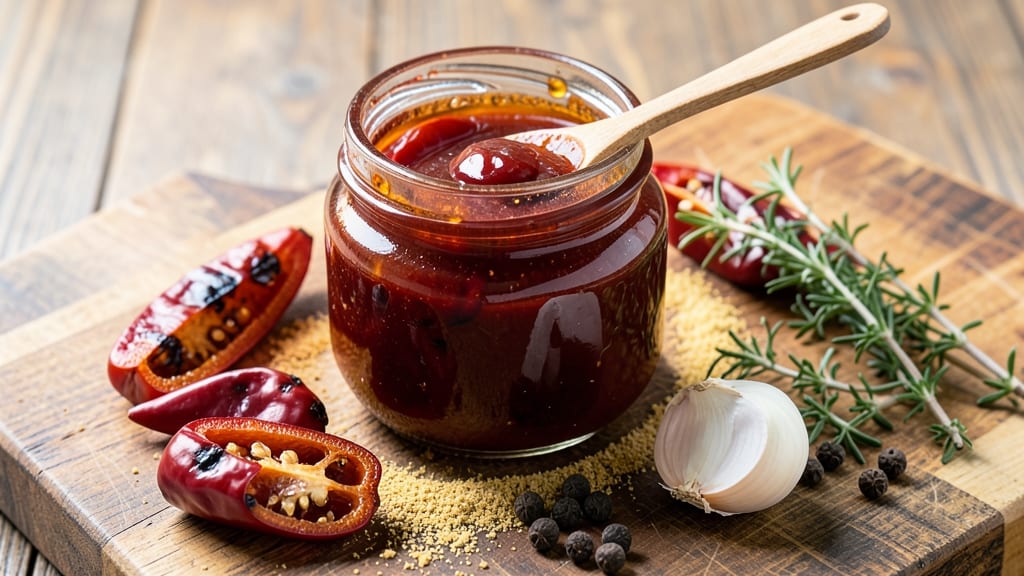
Baron West Indian hot sauce delivers the kind of fiery, complex heat that transforms simple dishes into bold Caribbean feasts. This recipe captures the signature balance of Scotch bonnet peppers, allspice, and vinegar that makes it legendary.
The slow fermentation process develops deep, tangy notes that set it apart from ordinary hot sauces.
The magic happens when you blend fresh peppers, garlic, and spices with apple cider vinegar, then let the mixture ferment for 7-10 days. This isn't just heat—it's layers of smoky allspice, bright citrus, and that signature Caribbean tang that clings to every bite.
The straining process ensures a smooth, vibrant sauce without any grit.
What you'll end up with is a bold, versatile hot sauce that elevates everything from grilled meats to fried plantains. The heat builds gradually, making it perfect for those who love flavor with fire. Store it properly, and it'll keep for months, ready to transform your cooking.
Whether you're dipping wings, marinating jerk chicken, or adding zing to seafood, this sauce delivers restaurant-quality heat at home. Let's get started on making your own batch.
Ingredients for baron west indian hot sauce
Seven fiery ingredients blend into Caribbean heat that sticks to every bite.
| Ingredient | Amount | Notes |
|---|---|---|
| Scotch Bonnet Peppers 🌶️ | 4 whole | Fresh, stems removed, seeds optional |
| Apple Cider Vinegar 🍏 | 2 cups | Raw, unfiltered preferred |
| Garlic Cloves 🧄 | 6 cloves | Fresh, peeled, rough chopped |
| Allspice Berries 🌿 | 1 ½ tbsp | Ground or whole, toasted |
| Ground Ginger 🌿 | 1 tbsp | Freshly grated preferred |
| Thyme Leaves 🌿 | 1 tbsp | Fresh or dried, stems removed |
| Brown Sugar 🍚 | ½ cup | Light or dark preferred |
| Salt 🧂 | 1 ½ tsp | Diamond Crystal preferred |
| Water 💧 | 1 cup | Filtered or distilled |
Scotch bonnets are non-negotiable here—Caribbean markets or specialty grocers like Whole Foods carry them fresh. If you can't find them, habaneros are the closest substitute, but expect slightly less sweetness. Toast the whole peppers in a dry skillet for 30 seconds to deepen their flavor before blending. The vinegar should be raw, unfiltered apple cider vinegar—the tangy notes develop better than distilled. For allspice, McCormick Gourmet or bulk bins at natural stores give the richest flavor when toasted lightly in a dry pan before grinding.
No Scotch bonnets? Habaneros or Thai bird's eye chilies work in a pinch, but reduce the amount to 2 peppers for milder heat. Fresh thyme is ideal, but dried thyme at half the amount works if you're in a hurry. The ginger can be fresh—just grate it yourself—or use ground, but toast it first in a dry pan to bring out its warmth. For the brown sugar, muscovado adds molasses depth, but regular light brown sugar keeps it simple. The salt matters—Diamond Crystal dissolves better than table salt, giving you that clean, bright finish.
Ferment in a clean glass jar with a lid, stored in a cool, dark place for 7-10 days—stir daily to distribute flavors. Strain through a fine-mesh sieve, pressing hard to extract every last drop. The sauce thickens as it sits, so add water gradually if needed. Keeps for 6-12 months in the fridge, or 12-18 months frozen in airtight containers. Label everything—this stuff is addictive, and you'll want to make it again.
Why You'll Love This Recipe
- Five-Ingredient Magic: I swear, this sauce comes together with just a knife, a blender, and 20 minutes of my time. No fancy techniques—just chop, blend, and steep. That’s it. The Scotch bonnet’s heat and the vinegar’s tang do all the heavy lifting.
- Heat with Depth: Between us, the allspice and ginger make this sauce ridiculously good—not just fiery, but layered. The garlic softens the burn into something almost sweet, like a spicy hug for your taste buds. (Yes, even on a Tuesday night.)
- Pantry to Picnic: This stuff doesn’t just belong on wings or tacos—it’s my go-to for marinades, stir-fries, or even a splash in soup. A little goes a long way, so I keep a bottle in my fridge and my backpack. Honestly, I’ve drizzled it on pizza crusts and grilled corn. No judgment.
- Lasts Like a Champ: One batch stretches for weeks because I’m stingy with portions (and my family steals it). The vinegar keeps it shelf-stable, and the cost? A fraction of store-bought. I’ve made this for three holidays in a row—same jar, still delicious. That’s my kind of budget win.
Step-by-step instructions for Baron West Indian hot sauce
Here's how to craft this legendary jerk-spiced sauce that balances heat, sweetness, and complexity perfectly.
Prepare the Peppers and Aromatics
Start by removing stems from the 4 whole Scotch Bonnet Peppers. I like to leave the seeds in for maximum heat, but remove them if you prefer less intensity. Cut each pepper in half lengthwise and place them cut-side down in a heavy-bottomed saucepan.
Add the 6 cloves rough chopped garlic cloves and the 1.5 tablespoons Allspice Berries to the pan with the peppers. This combination creates the signature jerk-spiced foundation. Toast these ingredients over medium heat for 2-3 minutes until you smell the garlic softening and the allspice releasing its warm, peppery aroma. Watch closely—the peppers will start releasing their oils and turning slightly translucent.
Build the Sauce Base
Pour in the 2 cups Apple Cider Vinegar and 1 cup Water, stirring to combine. The vinegar will immediately begin extracting color and heat from the peppers. Add the 1 tablespoon Ground Ginger and 1 tablespoon Thyme Leaves, stirring well to distribute them evenly.
Bring the mixture to a gentle boil over medium-high heat. Once boiling, reduce heat to medium-low and let it simmer uncovered for 15 minutes. This slow simmer allows all the flavors to meld while the peppers soften and release their fiery essence. You'll notice the sauce turning deep red and developing a rich, complex aroma that combines sweet, spicy, and tangy notes.
Sweeten and Season
After 15 minutes of simmering, add the 0.5 cup Brown Sugar and 1.5 teaspoons Salt. Stir well to dissolve the sugar completely—this is where the sauce gets its signature balance of heat and sweetness. The sugar will caramelize slightly, adding depth to the flavor profile.
Continue simmering for another 10-12 minutes until the sauce reduces by about 25%. You'll know it's ready when it coats the back of a spoon and has thickened noticeably. The color should be deep, almost syrupy, with a glossy sheen. Taste and adjust seasoning—you might need a touch more salt to balance the sweetness and acidity.
Blend and Bottle
Remove the pan from heat and let the sauce cool for 5 minutes. Then carefully transfer it to a blender or food processor. Blend until completely smooth, about 30 seconds. The result should be a vibrant red sauce with no visible pieces.
Strain the sauce through a fine-mesh sieve into a clean jar to remove any remaining pepper skins or allspice bits. This step ensures a silky texture. Let the sauce cool completely before sealing the jar. For best flavor, let it mature for at least 24 hours before using—this allows all the flavors to fully develop and meld together.
Pro Tips For Making Baron West Indian Hot Sauce
- Char the Peppers: I used to just toss Scotch Bonnets into the pot raw—big mistake. Blacken them over high heat first (whole, seeds in, for 2-3 minutes per side) until the skin blisters and smells smoky. This deepens the flavor and balances the vinegar’s sharpness without making the sauce taste like raw pepper.
- Toast the Spices: Dry-toast the allspice berries and ground ginger in a separate pan for 30 seconds until fragrant. The heat unlocks their oils, making them smell like a West Indian market instead of just "spices." Skip this, and your sauce will taste flat—trust me, your nose knows.
- Strain Twice: After simmering, strain through a fine-mesh sieve, then a cheesecloth-lined colander. The second pass catches the fine pepper particles that make the sauce look cloudy (and taste like you rushed it). Yes, it’s extra work, but the texture is worth it—smooth enough to drizzle, not gritty.
- Simmer Low and Slow: Reduce heat to a bare simmer after the first 10 minutes—boiling makes vinegar taste harsh and burns the garlic. Let it cook at 180°F (82°C) for 20-30 minutes, stirring occasionally. I learned this after a batch turned into vinegar punch because I was impatient.
Regional styles of these flavors
Jamaican Roots
This hot sauce traces its lineage to Jamaica’s jerk cooking tradition, where Scotch bonnet peppers and allspice create that signature fiery, aromatic punch. The original Baron brand emerged in the 1960s from a small family-run operation in Kingston, blending Caribbean flavors with a bold, tangy kick.
I remember the first time I tasted it—it wasn’t just heat, but layers of smoky warmth and citrus brightness that made it unforgettable. 🌶️
Trinidadian Twist
Trinidad’s influence shines through in the sauce’s balance of sweet and heat, a hallmark of island-style hot sauces. Unlike Jamaica’s jerk focus, Trinidadian versions often incorporate more ginger and thyme for complexity. I’ve adapted this recipe to highlight that island spirit while keeping the Jamaican allspice foundation.
The fermentation process here mimics Trinidad’s love of slow-developed flavors, letting the vinegar and spices meld into something deeper than store-bought versions. 🌿
Caribbean Market Adaptations
In Caribbean markets, you’ll find regional variations where vendors adjust heat levels based on local preferences. For example, in Barbados, they might add a touch of nutmeg for warmth, while Grenada leans into more thyme.
I’ve kept this recipe true to the Jamaican style but added a note about habanero substitutions if Scotch bonnets are unavailable. The key is maintaining that vinegar-forward tang—it’s what makes Caribbean hot sauces stand out from Mexican or Asian styles. 🍏
Modern Homemade Evolution
Today’s home cooks are reimagining Caribbean hot sauces with creative twists, like adding fermented elements or infusing with local fruits. I’ve seen versions with mango purée for sweetness or even a splash of rum for depth.
The beauty of this recipe is its flexibility—you can ferment it longer for more complexity or keep it shorter for a brighter, fresher taste. The original Baron sauce was simple, but modern adaptations let you tailor it to your taste while keeping that authentic Caribbean soul. ✨
Nutrition facts
Frequently asked questions
Can I adjust the heat level in this recipe?
For milder heat, reduce Scotch bonnet peppers to 2-3 or replace them with 1-2 habaneros. For extra fire, add 1 extra pepper or include a pinch of cayenne powder. Always taste before fermenting to gauge intensity.
Why does the recipe call for fermentation?
Fermentation develops the sauce's complex flavors by breaking down sugars and enhancing the vinegar's tang. The 7-10 day process creates depth that can't be achieved through simple blending. Skip it for a quicker version, but expect less complexity.
How long will this hot sauce last?
Properly stored in an airtight container, this sauce keeps for 6-12 months in the fridge or 12-18 months frozen. The flavor actually improves with time! Always use clean utensils when scooping to prevent contamination.
Can I make this sauce without Scotch bonnet peppers?
Yes, but expect different flavor characteristics. Use 2 habaneros for similar heat or 1-2 Thai bird's eye chilies for a sharper taste. The allspice and thyme will still provide that Caribbean backbone, though the sweetness profile may change.
What's the best way to use this hot sauce?
This versatile sauce works on everything from grilled meats to fried plantains! Try it as a marinade for jerk chicken, a dip for wings, or a finishing sauce for seafood. Start with 1 teaspoon and adjust to taste.