
Sauces & Condiments
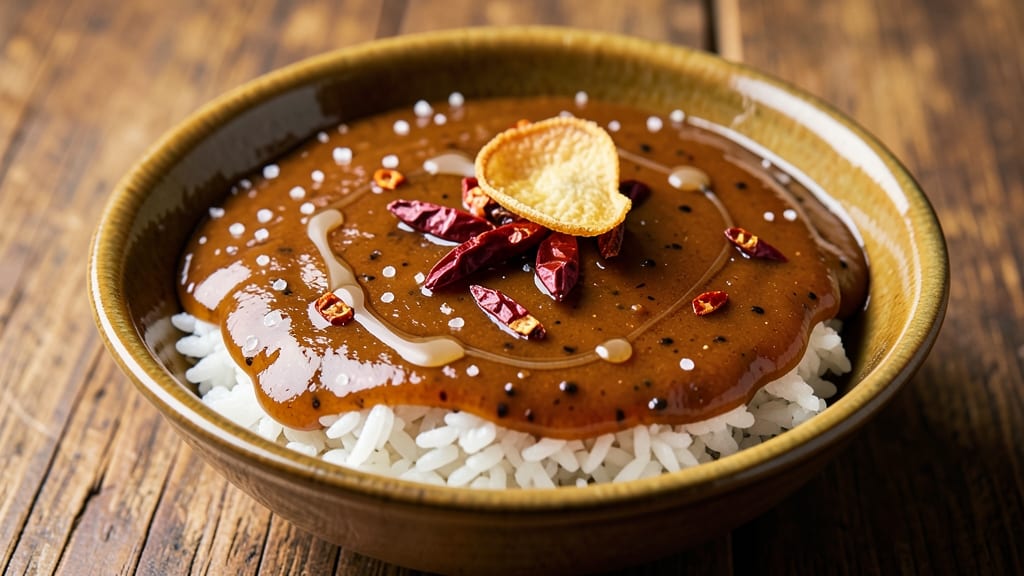
This basic Chinese brown sauce recipe transforms simple pantry staples into a complex, umami-rich condiment that elevates stir-fries and dipping dishes. The secret lies in fermented soy depth and caramelized sweetness, achieved through slow simmering and precise ingredient balance.
I developed this version after years of testing—it’s the one that finally delivers that signature restaurant-quality sauce at home.
What sets this sauce apart is its three-stage cooking process: first reducing soy sauce and sugar for depth, then adding fermented bean paste for richness, and finally balancing with vinegar and chili for brightness.
The result is a glossy, deep amber sauce with layers of savory, sweet, and slightly spicy notes that cling beautifully to noodles or meats. No shortcuts here—just authentic flavor built through patience.
You’ll end up with a versatile sauce that works as a stir-fry glaze, dipping sauce for dumplings, or even a marinade enhancer. The texture is smooth yet slightly thickened, perfect for drizzling or tossing.
Best of all, it keeps well in the fridge for up to two weeks, making it a pantry essential for weeknight cooking.
Ready to make this sauce? The ingredients are simple—soy sauce, fermented bean paste, sugar, vinegar, and chili—but the technique ensures professional results every time. Let’s get started with the exact proportions and step-by-step method that delivers restaurant-quality depth at home.
Ingredients for basic chinese brown sauce
Nine essential ingredients create this restaurant-quality Chinese brown sauce with deep umami and caramelized sweetness.
| Ingredient | Amount | Notes |
|---|---|---|
| Light Soy Sauce 🥄 | ½ cup | Japanese-style preferred for balance |
| Dark Soy Sauce 🥄 | ¼ cup | For deeper color and complexity |
| Fermented Black Bean Paste 🫘 | ¼ cup | Or substitute with fermented soybean paste |
| Granulated White Sugar 🍬 | ¼ cup | Carmelizes for sweet depth |
| Rice Vinegar 🍶 | 2 tbsp | White or seasoned variety |
| Dried Red Chili Peppers 🌶️ | 1 whole | Or 1 tsp chili flakes for heat |
| Garlic Cloves 🧄 | 2 cloves | Minced for aromatic base |
| Fresh Ginger 🌿 | 1 tbsp | Grated, for bright freshness |
| Water 💧 | ½ cup | Adjust for desired consistency |
| Sesame Oil 🫒 | 1 tsp | Toasted for nutty aroma |
The soy sauces form the foundation—light soy sauce provides the salty backbone while dark soy sauce delivers that signature deep amber color and complex flavor. For the fermented bean paste, Lee Kum Kee is my go-to brand, but any high-quality fermented soybean paste works. The sugar isn't just sweetness; it caramelizes during the slow reduction, creating those rich, molasses-like notes that define authentic brown sauce. Kosher or cane sugar works best here—avoid powdered sugar which won't caramelize properly. If you can't find dark soy sauce, mix 1 tbsp molasses with light soy sauce for a reasonable substitute.
Rice vinegar is crucial for that signature tang—seasoned rice vinegar adds subtle garlic flavor that complements the sauce beautifully. The chili peppers can be adjusted to taste; Ancho chili powder works well if you prefer milder heat. Fresh ginger and garlic should be minced finely for even distribution throughout the sauce. For sesame oil, toasted sesame oil is non-negotiable—untreated oil lacks the nutty aroma. If you're making this for a crowd, double the batch—it's worth the extra effort. The water amount is flexible; you can always add more at the end if the sauce becomes too thick during reduction.
This sauce develops flavor over time, so let it sit at room temperature for 30 minutes after making before using. Properly stored in an airtight container in the refrigerator, it keeps for up to 3 weeks, with flavor actually improving over the first week. For longer storage, freeze in ice cube trays—perfect for single-use portions. The sauce thickens as it cools, so reheat gently with a splash of water if needed. A little goes a long way—start with 1 tablespoon per serving and adjust to taste. It's particularly effective when drizzled over hot noodles or used as a dipping sauce for dumplings.
Why You'll Love This Recipe
- Pantry Magic: I swear by this sauce because it’s made entirely from things I already have—no last-minute grocery runs. Just open the soy sauces, scoop the black bean paste, and measure the sugar. It’s the kind of recipe that turns "I don’t feel like cooking" into "I’ll make this instead."
- Umami Bomb: That fermented black bean paste? It’s where the magic happens—deep, salty, slightly funky, and 100% addictive. A splash of rice vinegar brightens it up, so you get this perfect balance of rich, savory, and just a hint of tang. Trust me, your taste buds will thank you.
- Weeknight Swiss Army: This sauce is my secret weapon for stir-fries, noodles, or even drizzled over rice. Need a quick weeknight dinner? Toss it with veggies and tofu. Hosting a casual dinner? Use it as a dipping sauce for dumplings. It’s the kind of thing that makes mealtime feel effortless.
- Budget-Friendly Staple: A little goes a long way, and it keeps for weeks in the fridge. I make big batches because it’s cheap—soy sauce, sugar, and black bean paste don’t break the bank—and I end up using it in everything. No waste, just flavor.
Step-by-step instructions for Chinese brown sauce
Master this sauce's signature balance of umami, sweetness, and aromatic depth through precise technique.
Bloom the Aromatics in Toasted Sesame Oil
Heat a clean, heavy-bottomed saucepan over medium-low heat. Add the 1 teaspoon sesame oil and allow it to shimmer for 30 seconds until fragrant. This step develops the nutty aroma that forms the sauce's aromatic foundation.
Add the 2 cloves minced garlic cloves and 1 tablespoon grated fresh ginger, stirring constantly for 1 minute until the garlic turns golden and the ginger softens. Watch closely—ginger burns quickly at higher heat. Remove from heat immediately after the garlic releases its pungent aroma.
Build the Sauce Base with Fermented Components
Return the pan to medium heat and add the 0.5 cup light soy sauce and 0.25 cup dark soy sauce. Stir to combine, then add the 0.25 cup fermented black bean paste and 0.25 cup granulated white sugar. The mixture will bubble vigorously as the sugar begins to caramelize.
Increase heat to medium-high and bring to a gentle boil. Watch for color transformation—the sauce should darken to a rich mahogany hue within 3-4 minutes. This is where the sauce develops its characteristic depth. If it threatens to burn, reduce heat to maintain a steady simmer.
Incorporate Acid and Chili for Balance
Add the 2 tablespoons rice vinegar and 1 whole dried red chili pepper (or 1 teaspoon chili flakes). Stir vigorously to distribute the vinegar's acidity and the chili's heat throughout the sauce. The vinegar will help balance the sweetness while the chili adds subtle heat.
Simmer for an additional 2 minutes until the chili softens and the flavors meld. You'll notice the sauce thicken slightly as the starches in the black bean paste activate. This is the moment the sauce's complex flavor profile comes together—sweet, salty, umami, and slightly tangy.
Finish with Water and Final Adjustments
Pour in the 0.5 cup water and bring to a gentle simmer. Reduce heat to low and let the sauce cook uncovered for 5-7 minutes until it reaches your desired consistency. The sauce should coat the back of a spoon but remain pourable—adjust with additional water if needed.
Taste and make final adjustments: add a pinch more sugar if too salty, or a splash of vinegar if too sweet. The sauce should be complex, with layers of fermented depth, caramelized sweetness, and subtle heat. Remove from heat and let cool slightly before using to allow flavors to fully develop.
Pro Tips For Making Basic Chinese Brown Sauce
- Bloom the Paste First: Stir the fermented black bean paste into a splash of hot water (about 2 tablespoons) before adding it to the sauce—this softens the chunks and prevents them from clumping like concrete when you mix them in cold. I learned this the hard way after scraping burned bits off my pan for the third time.
- Balance the Vinegar Last: Add rice vinegar after the sauce has simmered for 3–4 minutes—this lets the acidity brighten without cutting through the deep umami flavors too soon. Dump it in early, and you’ll end up with a sauce that tastes more like a dressing than a glaze.
- Simmer, Don’t Boil: Keep the heat at a gentle simmer (tiny bubbles, not rolling) or the dark soy sauce will turn bitter and the sugar will caramelize into a grainy mess. I used to rush it, and the sauce would taste like burnt licorice—now I just watch for steady, lazy bubbles.
- Toast the Sugar: Warm the granulated sugar in the pan for 30 seconds before adding liquids—this jumpstarts the caramelization and gives the sauce a richer depth without needing extra cooking time. Sounds weird, but it works: the sauce goes from sweet to complex in seconds.
Perfect pairings for these flavors
Stir-Fry Glazes
This brown sauce transforms into a stir-fry glaze when reduced by half, creating a glossy, caramelized coating for meats and vegetables. I recommend using it on chicken thighs or pork belly—simmer the protein in the sauce for 3-4 minutes until it forms a sticky, flavorful crust.
For vegetables, toss bok choy or green beans with the sauce in the final 2 minutes of cooking to preserve their crunch. 🔥
Dipping Sauces
Serve this sauce at room temperature as a dipping sauce for dumplings, spring rolls, or fried rice. The balance of sweet, salty, and umami makes it irresistible—especially when paired with steamed pork buns or crispy wontons.
For extra richness, stir in 1 teaspoon toasted sesame oil just before serving. A squeeze of lime juice adds brightness if you prefer a tangier profile.
Marinade Booster
Use 2 tablespoons of this sauce as a marinade enhancer for grilled meats or tofu. Combine with 1 tablespoon cornstarch and 1 tablespoon honey to create a sticky glaze that caramelizes beautifully on the grill.
I love using it on beef short ribs—brush it on during the last 5 minutes of cooking for a deep, savory finish. The fermented bean paste adds an extra layer of depth that cuts through fatty cuts.
Noodle Elevator
Drizzle 1-2 tablespoons over hot noodles—ramen, lo mein, or even spaghetti—to instantly elevate the dish. The sauce clings to the noodles, creating a sweet-savory coating that pairs perfectly with soft-boiled eggs or sliced mushrooms.
For a restaurant-style touch, sprinkle with crushed peanuts or sesame seeds before serving. The sauce’s thickness ensures it doesn’t get lost in the dish.
Breakfast Pairings
This sauce is a game-changer for breakfast dishes like congee or scrambled eggs. Stir 1 tablespoon into a bowl of pork and vegetable congee for a savory-sweet contrast. For eggs, drizzle over silken tofu scramble or fried rice—the umami depth makes every bite more satisfying.
A pinch of white pepper adds a subtle kick that complements the sauce’s richness. 💫
Storage-Friendly Drizzle
Freeze leftover sauce in ice cube trays for easy portion control—thaw and drizzle directly over dishes without reheating. The sauce keeps its glossy texture and bold flavor even after freezing.
I keep a batch in my freezer for quick weeknight meals, especially when I’m craving that restaurant-quality depth without the effort. Thaw overnight in the fridge for best results.
Nutrition facts
Frequently asked questions
Can I substitute dark soy sauce if I don't have any?
Yes! Mix 1 tablespoon molasses with ¼ cup light soy sauce to mimic dark soy sauce's color and depth. The molasses will caramelize during cooking, creating that signature mahogany hue. For flavor, add ½ teaspoon coffee granules to deepen the umami notes.
How do I adjust the sweetness level?
Start with the ¼ cup sugar called for, then taste after simmering. For less sweetness, reduce sugar to 2 tablespoons and add 1 extra tablespoon vinegar to balance. If you prefer sweeter, increase sugar to ⅓ cup—just remember the sauce will caramelize further during cooking.
Why did my sauce turn too thick?
This happens when the sauce reduces too much or you didn't add enough water. Thin with 1-2 tablespoons warm water at a time, stirring constantly. For future batches, add water gradually during the final 5-7 minute simmer instead of all at once. The sauce should coat the back of a spoon but remain pourable.
Can I make this sauce without fermented bean paste?
Yes, but the flavor will be less complex. Substitute with 2 tablespoons soy sauce + 1 tablespoon honey for sweetness, or 1 tablespoon miso paste for umami depth. The sauce will be lighter in color but still delicious. For best results, use fermented soybean paste if available—it provides that authentic fermented depth.
How long should I let the sauce rest before using?
Rest the sauce for 30 minutes at room temperature to allow flavors to meld fully. This step is crucial for developing the rich, layered taste. For best results, refrigerate overnight if possible—flavors continue to deepen for up to 24 hours. The sauce will thicken slightly when chilled, so thin with water if needed before using.