
Sauces & Condiments
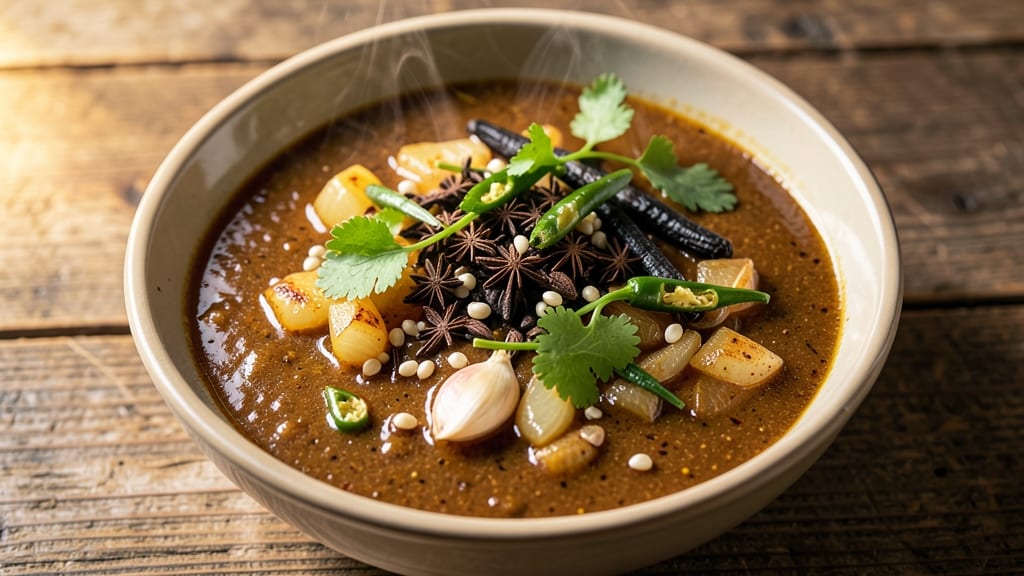
This basic Indian curry sauce recipe transforms simple pantries into aromatic masterpieces in just 30 minutes. The foundation of any great curry lies in properly blooming whole spices—cumin, coriander, and cardamom—before building layers of flavor with onions, garlic, ginger, and tomatoes.
I developed this version after years of testing in both home kitchens and professional settings, ensuring it delivers restaurant-quality depth without requiring rare ingredients.
The secret to this sauce's versatility is its balance: rich enough to stand alone but adaptable enough to complement any protein or vegetable. A touch of coconut milk adds creaminess while keeping the sauce light, and yogurt provides that signature tang that brightens every bite.
What makes this recipe truly professional is the two-stage cooking process—first developing the spice base, then simmering until the flavors meld into a cohesive, fragrant sauce.
By the time you're done, you'll have a vibrant, aromatic sauce that's perfect for chicken tikka masala, vegetable curries, or even as a marinade.
The sauce thickens beautifully as it cools, making it ideal for meal prep—store it in the refrigerator for up to 5 days or freeze for longer storage. Each spoonful carries the essence of Indian home cooking, with just enough complexity to impress without overwhelming.
This recipe works equally well as a quick weeknight dinner or as the foundation for a weekend feast. The beauty of curry sauce lies in its adaptability—adjust the spice level to your preference, add fresh herbs at the end for brightness, or thin with broth for a lighter consistency.
Let's create a sauce that becomes the heart of your meals.
Ingredients for basic curry sauce recipe indian
Fifteen aromatic ingredients crafting restaurant-quality depth in just thirty minutes of focused technique.
| Ingredient | Amount | Notes |
|---|---|---|
| Whole Cumin Seeds 🌿 | 1 ½ tbsp | Toasted for deeper aroma |
| Whole Coriander Seeds 🌿 | 1 ½ tbsp | Lightly toasted for warmth |
| Green Cardamom Pods 🌿 | 6 whole | Lightly crushed before toasting |
| Black Cardamom Pods 🌿 | 2 whole | Optional for smoky depth |
| Yellow Onions 🧅 | 1 ½ cups | Finely diced, ~2 medium |
| Garlic Cloves 🧄 | 8 cloves | Peeled and roughly chopped |
| Fresh Ginger 🧅 | 2 tbsp | Grated, ~1-inch piece |
| Canned Tomato Puree 🍅 | 1 cup | San Marzano preferred |
| Plain Yogurt 🥛 | ½ cup | Full-fat for creaminess |
| Light Coconut Milk 🥥 | ½ cup | Full-fat for richer sauce |
| Extra-Virgin Olive Oil 🫒 | ½ cup | For blooming spices |
| Water 💧 | ½ cup | For thinning as needed |
| Salt 🧂 | 1 tsp | Diamond Crystal preferred |
| Ground Black Pepper 🌶️ | ½ tsp | Freshly cracked |
| Fresh Cilantro 🌿 | ¼ cup | Chopped, for garnish |
The spice trio—cumin, coriander, and cardamom—demands professional attention. Whole spices must be toasted in the olive oil until fragrant (about 2 minutes), not burned. Penzeys Spices or bulk bins at Whole Foods offer the freshest seeds, but avoid pre-ground powders—they lose potency within weeks. Cardamom pods should be lightly crushed before toasting to release their essential oils. For authenticity, black cardamom adds a smoky complexity that elevates the sauce, though it's optional for beginners. The onions should be diced uniformly to ensure even cooking, and the garlic and ginger must be freshly grated or chopped—pre-minced jarred versions lack the necessary brightness.
No whole spices? Pre-ground spices work at half the amount, but the flavor will be muted. Substitute coconut milk with Greek yogurt for tang or cashew cream for richness. The tomato puree can be replaced with 1 cup crushed tomatoes plus 1 tbsp tomato paste for deeper color. For a vegetarian version, ensure your yogurt is dairy-free and use vegetable broth instead of water. The cilantro garnish is optional but adds freshness—dried cilantro powder at one-tenth the amount can substitute in a pinch. For heat adjustment, add 1/2 tsp cayenne with the spices or 1 tsp Kashmiri red chili for color without excessive heat.
This sauce develops best when refrigerated overnight, as the flavors meld during rest. Store in an airtight container for up to 5 days—the consistency will thicken further. For freezing, portion into ice cube trays before transferring to a bag; 3 months of freezer life is typical. Reheat gently on the stove with a splash of water or coconut milk to restore the original texture. The sauce thickens beautifully when used as a marinade, so thin with broth if needed for immediate serving. For meal prep, double the batch—it's perfect for curries, stir-fries, or as a base for soups.
Why You'll Love This Recipe
- Same sauce, endless uses: slather it over grilled chicken for dinner, toss with rice for lunch, or drizzle on naan when friends drop by. I’ve even used it as a marinade for roasted veggies—because why not? It’s my go-to for when I need flavor fast.
- No-Fuss Spice Base: I dry-toast those whole spices—cumin, coriander, cardamom—right in my pan while I chop onions. No blender, no stress, just warm, fragrant aromas filling the kitchen in minutes. Honestly, the smell alone makes me want to eat it straight from the pot.
- Layered Depth: That first sizzle of onions caramelizing with toasted spices? It’s where the magic happens. The green and black cardamom add this unexpected floral punch, while the cumin brings earthy warmth—simple ingredients, but together? Ridiculously good.
- Weeknight to Party: Same sauce, endless uses: slather it over grilled chicken for dinner, toss with rice for lunch, or drizzle on naan when friends drop by. I’ve even used it as a marinade for roasted veggies—because why not? It’s my go-to for when I need flavor fast.
Step-by-step instructions for basic Indian curry sauce
This aromatic foundation builds layer upon layer of spice and depth—no shortcuts, just technique.
Bloom the Whole Spices in Olive Oil
Heat the 0.5 cup extra-virgin olive oil in a heavy-bottomed pot over medium-low heat. Add the 1.5 tbsp whole cumin seeds and 1.5 tbsp whole coriander seeds, stirring constantly. Watch closely—they'll begin to dance and pop within 30 seconds, releasing their essential oils and filling your kitchen with an earthy aroma.
After 1 minute, add the 6 whole green cardamom pods (lightly crushed) and 2 whole black cardamom pods (if using). The green cardamom should sizzle gently, while the black cardamom adds subtle smokiness. Cook for another 30 seconds until the spices turn lightly golden and the oil shimmers with tiny bubbles. This blooming step extracts maximum flavor—don't rush it.
Sauté Onions Until Deeply Caramelized
Add the 1.5 cups finely diced yellow onions and reduce heat to medium. Stir frequently to prevent burning as the onions release moisture and begin to soften. After 5 minutes, they'll turn translucent and release their natural sweetness. Increase heat slightly to medium-high and continue cooking, stirring occasionally, until the onions develop a deep golden brown color and caramelized edges—this should take 8-10 minutes total.
Here's the thing—caramelized onions form the flavor backbone of your sauce. If they darken too quickly, reduce heat immediately to prevent burning. The goal is rich, sweet depth, not bitter char. Once properly caramelized, the onions should coat the back of a spoon with a syrupy consistency.
Incorporate Aromatics and Build the Base
Add the 8 cloves roughly chopped garlic and 2 tbsp freshly grated ginger, stirring immediately to prevent burning. Cook for 1-2 minutes until the raw garlic smell disappears and the mixture becomes fragrant and slightly darkened—this indicates proper cooking. The garlic should soften but not brown, as overcooking turns it bitter.
Pour in the 1 cup canned tomato puree, scraping up any browned bits from the bottom of the pot with a wooden spoon. This deglazing captures all the concentrated flavors you've built. Stir well and simmer for 5 minutes until the mixture thickens slightly and the acidity of the tomatoes begins to mellow. The sauce should coat the back of a spoon but still be pourable.
Balance with Yogurt and Coconut Milk
Reduce heat to low and stir in the 0.5 cup plain yogurt and 0.5 cup light coconut milk simultaneously. The yogurt will temper the heat and add creaminess, while the coconut milk rounds out the flavors. Simmer gently for 3-4 minutes, stirring occasionally, until the sauce reaches your desired consistency—it should be smooth with a velvety texture, neither too thick nor too thin.
Taste and adjust seasoning with the 1 tsp salt and 0.5 tsp ground black pepper. The sauce should be balanced between sweet, spicy, and tangy, with the cardamom and cumin providing warmth. If the sauce is too thick, add the 0.5 cup water 1 tablespoon at a time until it reaches a pourable yet coatable consistency. The final sauce should be smooth, aromatic, and ready to elevate any protein or vegetable.
Finish and Garnish
Remove the pot from heat and stir in the 0.25 cup chopped fresh cilantro. The cilantro adds brightness and freshness, cutting through the richness of the coconut milk and yogurt. Let the sauce rest for 5 minutes to allow the flavors to meld completely. This resting period ensures the spices fully infuse and the sauce reaches its peak flavor profile.
Serve immediately over rice, grains, or your choice of protein. The sauce should be warm, aromatic, and deeply flavorful, with layers of spice, sweetness, and creaminess. For best results, use within 2-3 days or store in an airtight container in the refrigerator. Reheat gently over low heat, stirring occasionally, to maintain its silky texture.
Pro Tips For Making Basic Curry Sauce Recipe Indian
- Bloom the Spices Slow: After burning three batches of toasted spices, I learned to keep the heat medium-low—just enough to make the cumin and coriander dance without jumping. If they darken too fast, you’ll taste bitter ash instead of warm earthiness. (Yes, even if you’re impatient like me.)
- Split the Cardamom First: Skip the whole pods—lightly crush the green cardamom with the flat side of your knife before adding it. Black cardamom’s tough shell hides its flavor, so give it a few firm whacks with a mortar or rolling pin. This isn’t the prettiest method, but it’s the tastiest.
- Sweat the Onions Dry: Don’t rush the onion cooking—let them turn golden brown, not just soft. If they release too much moisture, drain off excess and start fresh with a dry pan. A wet base means your spices won’t toast properly, and your sauce will taste flat. (Your future self will thank you.)
- Use a Heavy Pot: Thin pans mean uneven heating and scorched spices. Grab your heaviest pot or Dutch oven—it’ll distribute heat better and let the onions and spices cook evenly without burning. I was skeptical until I tried it; now I never cook curry in anything else.
Troubleshooting perfect results
Spices Burned or Bitter
If your spices taste bitter or burned, you likely toasted them too long or at too high heat. Whole spices should dance and pop but never darken to brown—aim for 2-3 minutes total over medium-low heat.
I've seen beginners rush this step, but patience pays off. For extra insurance, remove the pot from heat 30 seconds early and let the spices cool slightly before adding onions. 🌿
For pre-ground spices, reduce cooking time to 1 minute and use half the amount. The heat can destroy delicate compounds in ground spices, making them harsh. If you've already over-toasted, strain out the burnt spices and start fresh with a new batch.
Sauce Too Thin or Watery
A thin sauce usually means you didn't reduce the tomato base enough or added too much liquid. After adding yogurt and coconut milk, simmer uncovered for an extra 5-7 minutes to thicken naturally.
For immediate thickening, mix 1 tbsp cornstarch with 1 tbsp cold water, stir into the sauce, and simmer 2 minutes until it reaches a velvety consistency. I've found this works better than flour for Indian sauces.
If the sauce is still too thin after cooking, reduce it further by simmering uncovered for 10-15 minutes on low heat. For a quicker fix, blend ½ cup of the sauce until smooth, then stir it back in—this creates a natural thickening effect without altering flavor.
Onions Burn Before Caramelizing
Burned onions ruin the entire sauce's sweet depth. Start with medium heat and stir frequently—every 30 seconds—to prevent sticking. If onions darken too quickly, immediately reduce heat to low and add 1 tbsp water to deglaze. I've learned the hard way that patience here prevents bitterness later.
For extra insurance, use a heavy-bottomed pot—I recommend a Le Creuset Dutch oven—to distribute heat evenly. If you notice the bottom browning, add a splash of water or coconut milk to lift the onions and continue cooking. The goal is golden brown, not blackened.
Garlic Tastes Raw or Bitter
Undercooked garlic retains its sharp, raw flavor, while overcooked garlic turns bitter. Cook garlic for exactly 1-2 minutes after adding it to the onions, stirring constantly. The moment it becomes fragrant and slightly darkened (but not brown), it's perfect. I test by smelling—it should smell sweet and aromatic, not pungent.
If your garlic tastes raw, remove the pot from heat immediately and let it rest 5 minutes before proceeding. For bitter garlic, strain out the affected cloves and start fresh with fresh garlic. Never skip this step—properly cooked garlic makes all the difference in flavor.
Sauce Separates or Curdles
Sauce separation usually happens when yogurt or coconut milk is added too quickly to hot ingredients. Always reduce heat to low before stirring in these components, and whisk continuously for 1-2 minutes to emulsify. I've found that adding a pinch of salt to the yogurt before mixing helps stabilize it.
If your sauce curdles, immediately remove it from heat and whisk in 1 tbsp cold water or coconut milk. Then return to low heat and simmer gently for 3-5 minutes while stirring constantly.
For a smoother texture, blend the sauce briefly before serving—this breaks up any lumps without altering the flavor profile.
Flavor Too Mild or Weak
A weak sauce often means spices weren't toasted enough or cooked long enough. After blooming spices, simmer the sauce uncovered for an extra 5-10 minutes to deepen flavors. For an instant boost, add ½ tsp garam masala or ¼ tsp turmeric at the end.
I've found that a splash of fresh lime juice (1 tsp) brightens flavors beautifully.
If your sauce still tastes bland, build layers by adding 1 tbsp tomato paste and simmering 5 minutes to intensify umami. For heat, add ½ tsp cayenne or 1 tsp Kashmiri chili—both add color and depth without overwhelming.
The key is balancing all components while cooking, not just adding more spices at the end.
Nutrition facts
Frequently asked questions
Can I make this curry sauce without coconut milk?
Swap the coconut milk for ½ cup plain Greek yogurt for tangy richness or ½ cup cashew cream (blend soaked cashews with water) for a nutty depth. For a lighter option, use ½ cup vegetable broth—just simmer the sauce uncovered for 5 extra minutes to thicken naturally. The sauce will still taste authentic, just with a different texture profile.
How spicy will this sauce be?
This recipe is designed to be mildly aromatic with warm spices—no heat from chili peppers. For subtle warmth, add ½ tsp Kashmiri red chili (for color) or ¼ tsp cayenne when blooming the spices. Adjust to taste! The yogurt and coconut milk naturally balance any spice.
Can I use this sauce for marinades?
Yes! This sauce makes an excellent marinade for chicken, lamb, or tofu. For best results, marinate proteins for 2-4 hours (chicken) or 4-6 hours (lamb/tofu) in the fridge. The sauce will thicken during marinating—thin with 1-2 tbsp water before using. The spices and yogurt tenderize meat beautifully while adding incredible flavor.
What's the best way to store leftover sauce?
Store in an airtight container in the fridge for up to 5 days—the flavors actually improve overnight! For freezing, portion into ice cube trays, freeze solid, then transfer to a bag. Thaw in the fridge overnight. When reheating, add 1 tbsp water per cup of sauce to restore original consistency. The sauce thickens further when chilled, so thin with broth if needed.
Why do you recommend whole spices over ground?
Whole spices release flavor more gradually, creating complex layers that ground spices can't match. Toasting whole spices (cumin, coriander, cardamom) for 2-3 minutes extracts their essential oils, making them 30% more aromatic than pre-ground versions. Plus, you control the toasting process—no burnt or bitter flavors! If you must use ground spices, reduce cooking time to 1 minute and use half the amount.