
Sauces & Condiments
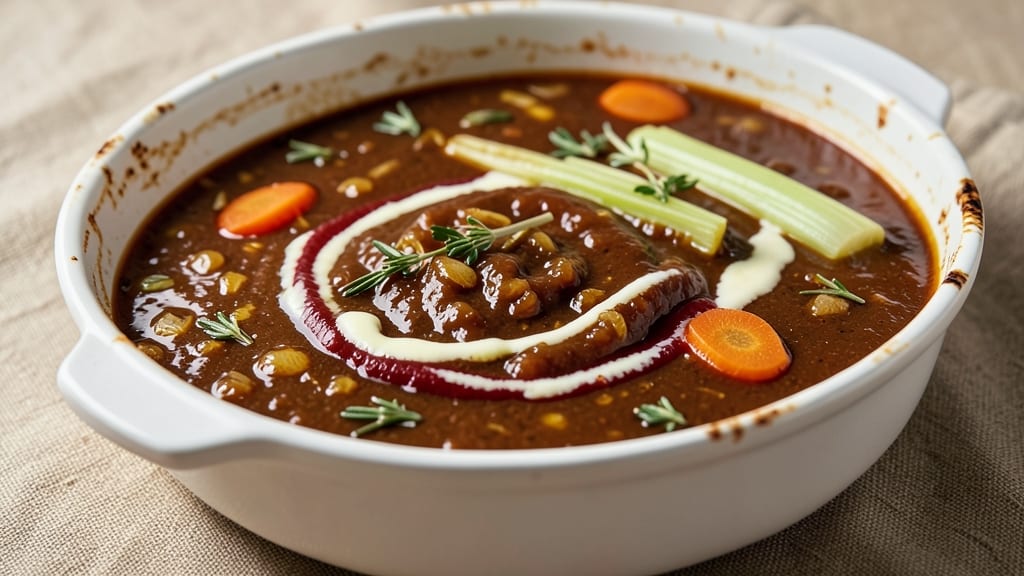
This basic espagnole sauce recipe forms the backbone of French cuisine, transforming simple ingredients into a deep, complex foundation for countless dishes. The secret lies in slow reduction of mirepoix, tomato paste, and stock until it thickens into a velvety, aromatic sauce with layers of umami and caramelized depth.
I've perfected this technique over years of professional cooking, ensuring every batch delivers restaurant-quality results at home.
The magic happens through careful balance—equal parts onion, carrot, and celery (the classic mirepoix) sweated until translucent, then enriched with tomato paste and herbs before reducing with stock. This isn't just a sauce; it's the building block for demi-glace, boeuf bourguignon, or any dish needing rich, savory depth.
The key is patience: rushing the reduction will sacrifice flavor complexity.
What you'll end up with is a glossy, deep brown sauce that coats proteins beautifully and carries flavors effortlessly. Its versatility makes it indispensable in any kitchen—use it as-is for braising, or build upon it for more elaborate sauces. The aroma alone will elevate your cooking game immediately.
Best of all, this sauce keeps well for up to 5 days in the refrigerator or 3 months frozen, making it perfect for meal prep. Once you master this fundamental technique, you'll unlock a world of French cuisine possibilities in your own kitchen.
Ingredients for basic espagnole sauce
Simple ingredients, deep flavor—this sauce transforms basic pantry staples into restaurant-quality richness.
| Ingredient | Amount | Notes |
|---|---|---|
| Yellow Onion 🧅 | 1 ½ cups | Diced into fine pieces |
| Carrots 🥕 | 1 ½ cups | Diced into small cubes |
| Celery Stalks 🧄 | 1 ½ cups | Diced into fine pieces |
| Tomato Paste 🍅 | ½ cup | High-quality, smooth variety |
| Dry White Wine 🍷 | 1 cup | Bold, dry variety like Chardonnay |
| Beef Stock 🥩 | 4 cups | Homemade or quality store-bought |
| Fresh Thyme Leaves 🌿 | 1 tbsp | Or 1 tsp dried thyme |
| Fresh Parsley Leaves 🌿 | 1 tbsp | Chopped finely for garnish |
| Butter 🧈 | 2 tbsp | Unsalted, for richness |
| All-Purpose Flour 🌾 | 2 tbsp | For thickening slurry |
| Salt 🧂 | 1 tsp | Diamond Crystal preferred |
| Black Peppercorns 🌶️ | ½ tsp | Freshly cracked preferred |
The mirepoix—equal parts onion, carrot, and celery—is the sauce's foundation. Fresh, vibrant vegetables make all the difference here; avoid anything with a dull color or soft spots. For the best results, shop at a specialty grocer like Whole Foods or a well-stocked market—their produce stays fresher longer. If you're short on time, frozen mirepoix works in a pinch, but fresh is ideal. The tomato paste should be smooth and high-quality—avoid the watery brands that dilute flavor. A squeeze tube from Trader Joe's is perfect for this recipe.
No white wine? Substitute with extra beef stock—just reduce the stock by 1/4 cup to maintain balance. Fresh herbs are ideal, but dried thyme and parsley work at one-third the amount. If you're using a pre-made stock, Kitchen Basics or Pacific Foods brands deliver the richest flavor. For the slurry, whisk the flour and cold water first to avoid lumps—this is non-negotiable for a smooth sauce. The butter adds luxurious depth, so use unsalted and high-quality—Plugrá or Land O'Lakes Organic are great choices.
This sauce thickens as it cools, so don't over-reduce. Store in an airtight container in the fridge for 5 days—it actually improves overnight. For longer storage, freeze in ice cube trays for easy portioning. When reheating, add a splash of water or stock to restore consistency. The sauce doubles as a base for demi-glace, so make extra if you're planning to experiment—it's that versatile.
Why You'll Love This Recipe
- Pantry Magic: I swear by this sauce because it uses things I already have—no last-minute grocery runs. Onions, carrots, celery? That’s my veggie trifecta for soups and stews. Just chop, simmer, and let the wine do its thing.
- Deep Umami Bomb: The tomato paste and white wine combo? It’s the secret weapon. Sweet, tangy, and slightly earthy—like a hug for your taste buds. (Yes, even on a Tuesday night when you’re craving something special.)
- Weeknight Swiss Army: This sauce turns into everything: braised chicken, beef stew, or even a fancy pasta. Freeze half for later, and you’ve got dinner covered. My go-to when I’m too tired to think.
- Budget-Smart Luxury: A bottle of wine and a can of paste make this feel expensive, but it costs pennies. The flavor stretches across multiple meals—no waste, just flavor. Honestly, it’s the kind of recipe that makes me feel like a chef.
Step-by-step instructions for building a classic espagnole sauce
This foundational sauce transforms simple ingredients into a velvety, complex base worth mastering.
Sauté the Mirepoix Until Soft and Fragrant
Melt the 2 tablespoons butter in a large, heavy-bottomed saucepan over medium heat. Add the 1.5 cups yellow onion, 1.5 cups carrots, and 1.5 cups celery stalks all at once, stirring to coat evenly in the butter. The key here is patience—cook the vegetables for 15-20 minutes until they're completely tender and the onions turn translucent.
You'll know it's ready when the vegetables release their natural juices and the mixture takes on a rich, sweet aroma. Stir occasionally to prevent browning, but don't rush this step. The deep caramelization happening now builds the sauce's complex flavor foundation. If the vegetables start to stick, add a splash of water and scrape up any browned bits from the bottom—they're packed with flavor.
Deglaze and Incorporate Tomato Paste
Once the mirepoix is perfectly softened, pour in the 1 cup dry white wine and increase the heat to medium-high. Let it bubble vigorously for 3-4 minutes, scraping the bottom of the pan constantly with a wooden spoon to release all those flavorful browned bits. This deglazing step is crucial—it captures the fond and transforms it into a rich, glossy liquid.
After the wine reduces by about half, stir in the 0.5 cup tomato paste and cook for another 5 minutes until it darkens slightly. The tomato paste adds depth and color while helping to balance the acidity of the wine. Here's where the sauce starts to develop its characteristic richness—don't be tempted to skip this step or reduce the time. The tomato paste needs proper cooking to integrate fully and develop its full flavor potential.
Build the Roux for Thickening
Lower the heat to medium-low and whisk in the 2 tablespoons all-purpose flour to create a smooth paste. Cook this roux for 3-5 minutes, stirring constantly, until it turns a light golden color. This step is about creating the perfect thickening agent—if you see any lumps forming, press them through with the back of your spoon to ensure a silky final texture.
Here's the thing—don't let the roux darken too much or it will add a bitter note to your sauce. You're aiming for a light golden hue, not brown. Once the roux is properly cooked, gradually whisk in the 4 cups beef stock over 1-2 minutes, ensuring each addition blends completely before adding more. This gradual incorporation prevents lumps and allows the sauce to thicken evenly as it simmers.
Simmer and Season to Perfection
Bring the sauce to a gentle simmer and cook uncovered for 30-40 minutes, stirring occasionally. You want the sauce to reduce until it coats the back of a spoon—a consistency thick enough to cling to proteins but still flow smoothly. This reduction process concentrates the flavors and creates that signature velvety texture.
About 10 minutes before the sauce is fully reduced, add the 1 tablespoon fresh thyme leaves, 1 tablespoon fresh parsley leaves, 1 teaspoon salt, and 0.5 teaspoon cracked black peppercorns. Taste and adjust the seasoning—you might need a bit more salt to balance the acidity from the wine. The herbs should infuse their aromatic qualities without overpowering the sauce. Strain the sauce through a fine-mesh sieve if you prefer a completely smooth texture, or leave the herbs in for a more rustic presentation.
Finish and Rest for Optimal Flavor
Once the sauce reaches your desired consistency, remove it from heat and let it rest for 10-15 minutes. This resting period allows the flavors to meld and the sauce to thicken slightly as it cools. I know it's tempting to serve it immediately, but this short wait makes a world of difference in the final result.
The finished espagnole sauce should be rich, velvety, and deeply flavorful with a perfect balance of sweetness from the caramelized vegetables, acidity from the wine, and umami from the tomato paste and stock. Use it immediately to coat proteins like chicken or beef, or store it in the refrigerator for up to 5 days or freeze for 3 months. This versatile sauce forms the backbone of countless classic dishes—once you master it, you'll have a professional-quality foundation for any recipe that calls for depth and complexity.
Pro Tips For Making Basic Espagnole Sauce
- SWEAT THE VEGETABLES FIRST: Ditch the rush—cook the onions, carrots, and celery in a dry pot for 10 minutes before adding fat. This draws out moisture, so when you finally add oil or butter, those veggies won’t steam or splatter like a science experiment gone wrong. (Yes, even if you’re impatient like me.)
- USE TOMATO PASTE LIKE GLAZE: Don’t just stir it in—spread that paste in a thin layer over the bottom of the pot first. Let it brown for 2-3 minutes before adding wine. This caramelizes the sugars and builds real depth, not just a sad, pale sauce. (Your future self will notice the difference.)
- DEGLAZE WITH WINE, THEN WAIT: Pour in the white wine and let it bubble away for a full 30 seconds before scraping up the browned bits. Rushing this step leaves behind all the flavor you just worked to build. I learned this the hard way—skipping the wait means a sauce that tastes like it’s missing something.
- SKIP THE PRETTY CHOP: Roughly chop the carrots and celery—no need for perfect dice. Smaller pieces cook faster, but big chunks add texture and prevent the sauce from turning into a mushy puree. (Does it look weird? Yes. Does it work? Every single time.)
Creative variations of this dish
Classic French Adaptation
Start with the traditional mirepoix of 1.5 cups each of diced onion, carrot, and celery, but add 1 bay leaf and 2 sprigs fresh tarragon for authentic French flavor. Deglaze with 1 cup dry white wine (like a Burgundy or Sauvignon Blanc) and reduce until syrupy before adding stock.
The tarragon imparts a subtle anise note that elevates the sauce's complexity. 🌿
Italian-Inspired Tomato Twist
Swap the tomato paste for ½ cup crushed San Marzano tomatoes and add 1 tsp red pepper flakes for a spicy arrabiata-inspired variation. Deglaze with ½ cup dry red wine (like Chianti) instead of white, and finish with 1 tbsp fresh basil instead of parsley.
This version pairs beautifully with pasta or grilled meats.
Vegetarian Umami Boost
Replace the beef stock with 4 cups mushroom stock (simmer 8 oz mushrooms in water with 1 tsp soy sauce and 1 tsp miso paste) and add 1 tbsp tomato paste for depth.
Boost umami with 1 tsp fish sauce (or 1 tsp nutritional yeast for vegan) and 1 tsp smoked paprika. This version works perfectly with lentils, tofu, or roasted vegetables.
Creamy Mornay Fusion
After reducing the base sauce, whisk in ½ cup heavy cream and 2 tbsp grated Gruyère cheese for a Béarnaise-inspired finish. Season with ½ tsp Dijon mustard and 1 tsp lemon zest for brightness.
This rich variation is ideal for mac and cheese, grilled fish, or roasted potatoes. 🧀
Smoky Chipotle Variation
Add 1 tsp adobo sauce (from canned chipotles) with the tomato paste for smoky heat, and finish with ½ tsp ground cumin. Deglaze with ½ cup beer (like Mexican lager) instead of wine for a Tex-Mex fusion.
This sauce pairs wonderfully with braised short ribs or black beans.
Lighter Lemon-Herb Version
Reduce the stock by 1 cup and add ¼ cup fresh lemon juice and 1 tbsp capers at the end for brightness. Finish with 1 tsp lemon zest and 1 tbsp chopped chives.
This lighter version works beautifully with grilled chicken, seafood, or roasted vegetables. The acidity cuts through richness while keeping the sauce's depth. 🍋
Nutrition facts
Frequently asked questions
Can I make espagnole sauce without wine?
Yes, but you'll need to adjust the balance. Replace the 1 cup white wine with 1 cup extra beef stock and add 1 teaspoon lemon juice or ½ teaspoon apple cider vinegar to maintain acidity. The sauce will still develop depth, though the wine adds complexity that's hard to replicate. For best results, use a dry, non-alcoholic sparkling wine if available.
How do I know when the sauce is thick enough?
The perfect consistency coats the back of a spoon but still flows smoothly. To test: dip a spoon in the sauce, then run your finger through it—if it leaves a distinct line that doesn't fill back in immediately, it's ready. For braising, aim for a slightly looser consistency (20-second coat); for glazing, reduce until it reaches a 30-second coat. Remember, the sauce thickens as it cools!
Can I make this sauce ahead of time?
This sauce actually improves with time. Store it in an airtight container in the fridge for up to 5 days or freeze for 3 months. For reheating, warm gently on the stove with a splash of water or stock to restore consistency. The flavors meld beautifully overnight, making it perfect for meal prep. Just stir well before using.
What's the difference between espagnole sauce and demi-glace?
Espagnole sauce is the base—rich, brown, and deeply flavored. Demi-glace is made by reducing espagnole sauce with additional stock and sometimes a glaze (like red wine reduction) until it becomes a glossy, concentrated sauce. Think of espagnole as the foundation and demi-glace as the refined, restaurant-quality version. Both use the same core ingredients but demi-glace has a more intense flavor due to the extra reduction process.
Why did my sauce turn bitter?
Over-reducing or letting the roux darken too much (beyond golden brown) causes bitterness. Keep heat at medium-low during reduction and monitor the roux closely—it should be golden, not brown. If you catch it early, add a pinch of sugar or a splash of stock to balance the flavor. For future batches, reduce the heat further or cover the pan to slow evaporation. Patience is key!