
Sauces & Condiments
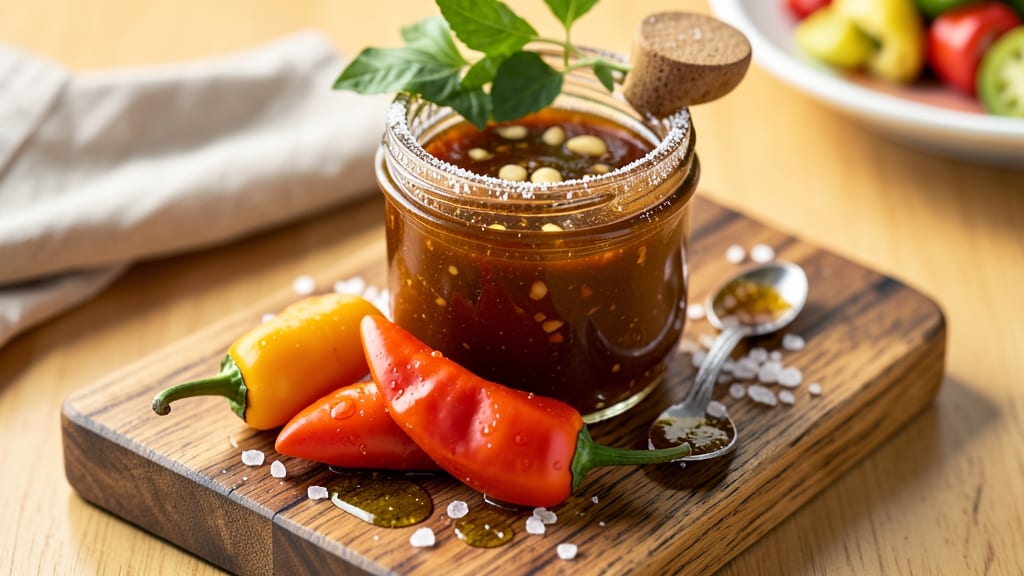
This basic habanero hot sauce recipe delivers fiery freshness with just 3 core ingredients—no fancy techniques required.
The key lies in balancing raw habanero heat with tangy vinegar and sweetness, creating a versatile sauce that elevates everything from tacos to grilled meats. Wear gloves when handling these peppers, as their capsaicin can irritate skin and eyes.
The beauty of this recipe is its simplicity: fresh habaneros, white vinegar, and a touch of salt combine in a 15-minute process that yields restaurant-quality heat. For depth, I add minced garlic and a pinch of sugar to complement the pepper's natural sweetness without overpowering its signature fire.
The sauce develops more complexity when rested overnight.
What you'll end up with is a bright, medium-hot sauce with vibrant red flecks and a clean finish—bold enough to stand alone but balanced for everyday use.
It keeps well in the refrigerator for up to 2 weeks, making it perfect for stocking your pantry or gifting to fellow heat lovers.
For safety, never touch your face while working with habaneros, and avoid inhaling the seeds. If you prefer milder heat, reduce pepper quantity by half—this recipe scales easily to your tolerance level. Let's make this fiery condiment!
Ingredients for basic habanero hot sauce
Four peppers, one vinegar, a pinch of salt—this fiery trio creates bold, restaurant-quality heat in minutes.
| Ingredient | Amount | Notes |
|---|---|---|
| Fresh Habanero Peppers 🌶️ | 4 whole | Seeds removed for milder heat |
| White Vinegar 💧 | 1 cup | Distilled white vinegar preferred |
| Granulated Sugar 🍯 | ¼ cup | Light brown sugar for depth |
| Garlic Cloves 🧄 | 2 cloves | Minced for subtle depth |
| Sea Salt 🧂 | ½ tsp | Diamond Crystal preferred |
| Extra-Virgin Olive Oil 🫒 | 1 tbsp | High-quality for richness |
Habaneros are the star here, so pick the freshest, firmest ones—avoid any with soft spots or wrinkles. Mexican markets or specialty grocers often carry the best selection, but your local grocery store will work too. If you can't find habaneros, jalapeños or serranos can substitute (use double the amount), but the flavor will differ. Always wear gloves when handling them—the capsaicin in habanero peppers can irritate skin and eyes, and it lingers. The vinegar should be distilled white vinegar for the cleanest tang, but apple cider vinegar adds a nice fruity note if you prefer.
No extra-virgin olive oil? Avocado oil or grapeseed oil works just as well for the same neutral richness. Want to skip the sugar? A pinch of honey or agave nectar adds subtle sweetness without altering the heat profile. For depth, toast the garlic cloves in the olive oil for 30 seconds before mincing—this brings out their flavor without burning. If you prefer a smoother sauce, blend the habaneros with the vinegar first, then add the remaining ingredients. The sugar helps balance the heat while caramelizing slightly during storage, adding complexity.
This sauce keeps beautifully in the fridge for up to 2 weeks—its flavor actually improves as it rests. For longer storage, freeze in ice cube trays for up to 6 months. The heat intensifies over time, so start with a smaller batch if you're new to habaneros. Always store it in a glass jar with a tight seal to prevent vinegar smell from permeating other foods. Label it clearly—this isn't a sauce you want to accidentally use in place of ketchup!
Why You'll Love This Recipe
- Here’s what sold me: the first time I tasted it, I thought, “This isn’t just spicy—it’s smart spicy.” The habanero’s fruity punch doesn’t overpower; the vinegar brightens it, the sugar rounds the edges, and the salt ties it all together. It’s the kind of heat that makes you reach for seconds, not the kind that leaves you gasping for milk. (Yes, even on a Tuesday night.)
- Five-Ingredient Magic: This is the kind of recipe where you don’t need a pantry full of fancy tools—just a knife, a pot, and 20 minutes. I’ve made it while my coffee brewed, during halftime of a game, and even when I was supposed to be grading papers. The habaneros blister and soften in the vinegar, the sugar cuts the heat just enough, and the garlic? Oh, it’s the unsung hero here—deep, toasty, and lingering.
- Heat with Balance: Here’s what sold me: the first time I tasted it, I thought, “This isn’t just spicy—it’s smart spicy.” The habanero’s fruity punch doesn’t overpower; the vinegar brightens it, the sugar rounds the edges, and the salt ties it all together. It’s the kind of heat that makes you reach for seconds, not the kind that leaves you gasping for milk. (Yes, even on a Tuesday night.)
- Pantry Staple Power: Between us, this sauce is my secret weapon for lazy Sundays, game-day snacks, and those nights when takeout feels like too much effort. Drizzle it on grilled chicken, stir it into beans, or—don’t judge me—slather it on a burger. It’s the one condiment that turns “meh” meals into “hell yes.” And honestly? It’s cheaper than buying store-bought hot sauce, especially when you account for the jars you’ll inevitably give away.
Step-by-step instructions for habanero hot sauce
Here's how to create a vibrant, balanced hot sauce in record time.
Prepare the Habanero Base
Begin by removing the stems and seeds from all 4 whole fresh habanero peppers—this reduces the heat intensity while preserving that signature fruity brightness. I use a small paring knife to carefully slice along the sides and scoop out the seeds and white membranes. Be thorough but gentle; you want to keep the peppers intact for even cooking.
Cut each habanero into ¼-inch thick slices, removing any remaining seeds. The slices should be uniform in size to ensure even cooking. Transfer them to a small saucepan and add the 1 cup white vinegar and 0.25 cup granulated sugar. The vinegar will preserve the color and flavor while the sugar helps balance the heat with subtle sweetness. Bring the mixture to a gentle simmer over medium heat—you're looking for small bubbles around the edges, not a rolling boil.
Cook Until Soft and Infused
Let the habanero-vinegar mixture simmer uncovered for 8-10 minutes, stirring occasionally. You'll notice the peppers soften and their vibrant green color deepens. This is when the flavors begin to meld together—you should smell a complex mix of citrusy, fruity, and slightly smoky notes. The sugar will dissolve completely, creating a syrupy base that coats the peppers.
Once the peppers are fork-tender (they should collapse easily when pierced), remove the pan from heat. Using a wooden spoon, gently mash the habanero slices against the side of the pan to break them down further. This creates a chunkier texture while still allowing some visible pieces for character. The mixture should now resemble a thick, vibrant puree with visible habanero fragments.
Build Flavor with Aromatics
Return the pan to low heat and add the 2 cloves minced garlic, 0.5 teaspoon sea salt, and 1 tablespoon extra-virgin olive oil. Stir gently to combine—this is where the magic happens. The garlic will infuse its subtle sweetness while the olive oil adds a luxurious richness that rounds out the heat. Let the mixture simmer for an additional 3-4 minutes, just until the garlic is fragrant but not browned.
Taste the sauce at this stage. You should detect a perfect balance of heat, acidity, and sweetness with a hint of garlic's complexity. If the heat feels overwhelming, you can add a pinch more sugar to temper it. The olive oil should create a silky mouthfeel that makes each drop irresistible. If the sauce is too thick, add 1-2 tablespoons water to reach your desired consistency.
Strain and Bottle for Freshness
Line a fine-mesh strainer with cheesecloth or a coffee filter over a clean bowl. Pour the hot sauce mixture through the strainer, pressing gently with a wooden spoon to extract all the liquid while leaving behind any fibrous habanero bits. This step ensures a smooth texture while preserving maximum flavor. The resulting liquid should be a brilliant green-gold color with a vibrant sheen from the olive oil.
Transfer the strained sauce to a clean glass jar or bottle, leaving about ½-inch headspace at the top. Seal tightly and let it cool to room temperature. For best results, refrigerate immediately. This hot sauce will keep for up to 2 weeks in the fridge, with flavors deepening slightly over time. The acidity from the vinegar acts as a natural preservative, but the fresh habanero peppers give it a brightness that store-bought sauces can't match.
Pro Tips For Making Basic Habanero Hot Sauce
- REMOVE PEPPERS’ SEEDS AND MEMBRANES: I learned this the hard way—leaving them in makes your sauce bitter and unevenly hot. Cut a small slit in each pepper, then scrape out the seeds and white membranes with a spoon. Rinse the peppers under cold water afterward to remove any lingering oils that can cloud the sauce.
- SIMMER LOW AND SLOW: After blending peppers, vinegar, and garlic, resist the urge to boil it hard. Keep the heat at a gentle simmer—about 20-30 minutes—so the flavors meld instead of turning harsh. A slow cooker on low works great if you’re impatient (yes, even if you’re impatient like me).
- STRAIN OUT GARLIC BITS: Overblending garlic turns your sauce into a chunky paste. After simmering, strain the mixture through a fine-mesh sieve to catch any lingering garlic pieces. This keeps the texture smooth and the flavor clean—no one wants a mouthful of garlic pulp.
- SWEETEN AFTER TASTING: Sugar isn’t just for balance—it’s for you. Taste the sauce before adding all the sugar; vinegar and habaneros can vary. Start with half the recipe’s sugar, simmer again, then adjust. You’ll avoid ending up with something cloyingly sweet or shockingly tart.
Wine and beer pairings for this dish
Beer Pairings
For this habanero hot sauce, I recommend pairing with a crisp, citrusy wheat beer like Blue Moon Belgian White—its coriander and orange peel notes complement the pepper's fruity heat beautifully. The effervescence cuts through the sauce's intensity while the slight sweetness balances the acidity. 🍺
A Mexican lager such as Modelo Especial or Pacifico works exceptionally well too. The clean, light malt profile and subtle hop bitterness provide a refreshing contrast to the habanero's fiery punch without overwhelming it. Serve both chilled for the best experience.
Wine Pairings
For wine lovers, a dry Riesling from Germany or Austria is my top choice. The wine's natural acidity and slight sweetness mirror the hot sauce's balance, while its citrus and stone fruit notes enhance the habanero's fruity complexity. Look for a Kabinett-level Riesling for the perfect match.
A light-bodied red like Pinot Noir from Oregon or New Zealand also pairs wonderfully. The wine's bright acidity and red fruit flavors stand up to the heat while adding earthy depth. Avoid heavy, oaky whites or bold reds that would clash with the sauce's vibrant character.
Non-Alcoholic Options
For those avoiding alcohol, a sparkling limeade made with San Pellegrino and fresh lime juice creates a refreshing contrast. The carbonation and citrus notes cleanse your palate between bites, while the sweetness tempers the habanero's heat. Add a pinch of salt to enhance the flavors.
Another excellent choice is ginger beer—the zesty ginger complements the pepper's natural heat while adding a warming spice profile. I recommend Feather Ginger Beer for its smooth, slightly sweet flavor that pairs perfectly with the sauce's acidity and fire. 💛
Nutrition facts
Frequently asked questions
How do I handle habanero peppers safely?
Always wear food-safe gloves when cutting habaneros—their capsaicin can irritate skin and eyes. Avoid touching your face, and wash your hands thoroughly with soap and cold water if you accidentally make contact. For extra protection, cut the peppers over a bowl of water to contain any stray seeds or juices.
Can I adjust the heat level in this recipe?
For milder heat, reduce the number of peppers to 2-3 instead of 4. For extra spice, add 1 extra pepper or include seeds. Remember that heat intensifies as the sauce rests, so start conservative if you're new to habaneros. You can also add a pinch of sugar to balance the heat during storage.
What can I do if my hot sauce turns out too thin?
Simmer the sauce uncovered for an additional 5-10 minutes to reduce the liquid. If it's still too thin, mix 1 tablespoon cornstarch with 1 tablespoon water, stir into the sauce, and simmer for 2-3 minutes until thickened. For a smoother texture, strain through a fine-mesh sieve after thickening.
How long should I let the sauce sit before using it?
For best flavor, let the sauce rest in the refrigerator for at least 24 hours before using. This allows the flavors to meld and the heat to mellow slightly. The longer it sits (up to 1 week), the more complex the taste becomes. If you're impatient, it's safe to use after 4 hours, but the flavor won't be as developed.
What are good uses for leftover habanero hot sauce?
This versatile sauce elevates tacos, grilled meats, and seafood dishes beautifully. Try drizzling it over fish tacos, mixing into marinades for steak or chicken, or even adding a dash to guacamole or salsa. It also makes an excellent dipping sauce for spring rolls or fries. Store any leftovers in an airtight container for up to 2 weeks.