
Sauces & Condiments
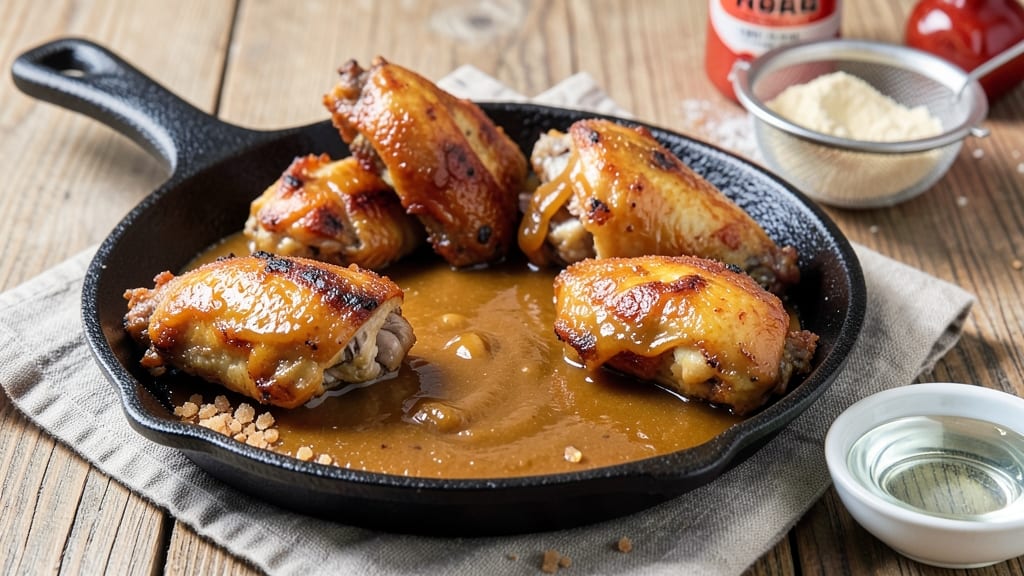
This basic hot wing sauce recipe delivers the perfect spicy-sweet balance that transforms ordinary wings into restaurant-quality bites. The key lies in combining simple ingredients—hot sauce, butter, and a touch of sugar—that create a sauce with depth and complexity.
I've refined this recipe over countless batches to ensure it's foolproof, with no complicated techniques or last-minute substitutions.
The foundation of great wing sauce is a harmonious blend of heat and sweetness, achieved through a precise ratio of hot sauce to butter.
Adding a pinch of garlic powder and a splash of vinegar elevates the flavor profile, while a hint of brown sugar caramelizes slightly during cooking, creating a subtle sweetness that balances the spice. This sauce isn't just for wings—it works beautifully on fries, pretzels, or even drizzled over burgers.
What makes this recipe stand out is its versatility and ease of preparation. In just 10 minutes, you'll have a sauce that's rich, glossy, and packed with flavor. The ingredients are pantry staples, and the process is straightforward, making it perfect for both beginners and seasoned cooks.
Once made, the sauce can be stored in the fridge for up to two weeks, ready to elevate any dish with minimal effort.
The result is a sauce that's smooth, slightly sticky, and perfectly balanced—spicy enough to satisfy cravings but sweet enough to keep it approachable. Whether you're hosting a game day gathering or simply craving wings at home, this recipe ensures you'll never settle for store-bought again.
Let's get started on creating your own batch of this essential condiment.
Ingredients for basic hot wing sauce
Eight simple ingredients create the perfect spicy-sweet wing sauce balance.
| Ingredient | Amount | Notes |
|---|---|---|
| Hot Sauce 🌶️ | 1 cup | Frank's RedHot preferred |
| Unsalted Butter 🧈 | ½ cup | Cold, cubed for even melting |
| Brown Sugar 🍯 | 2 tbsp | Light or dark variety |
| Garlic Powder 🧄 | 1 tsp | Freshly ground preferred |
| White Vinegar 🍶 | 1 tbsp | Distilled or apple cider |
| Salt 🧂 | ½ tsp | Kosher or sea salt |
| Black Pepper 🌶️ | ¼ tsp | Freshly ground for best flavor |
| Paprika 🌶️ | ¼ tsp | Smoked for depth of flavor |
The hot sauce is the heart of this recipe, so Frank's RedHot is my go-to—it's consistent and delivers the right level of heat. Walmart or Target usually stock it, and it keeps for months in the pantry. Butter should be cold when you add it to prevent immediate melting, which helps create that glossy, rich texture. For the brown sugar, light or dark makes no difference here—just grab whatever's on hand. The garlic powder is non-negotiable for that subtle depth, but if you're feeling fancy, a pinch of fresh minced garlic would work too.
No hot sauce? Sriracha or Tabasco in equal parts will get you close, though the flavor profile shifts slightly. Butter substitute? Vegan butter or coconut oil works, but the sauce will have a different mouthfeel. Vinegar can be swapped for lemon juice at half the amount, though it adds a slightly different tang. The paprika is optional but adds that smoky touch that makes it taste restaurant-made. If you're sensitive to heat, start with half the hot sauce and adjust to taste—this sauce is infinitely adjustable.
This sauce keeps beautifully in the fridge for up to 2 weeks, though I usually make a fresh batch every few days because it's that good. Store it in a glass jar with a tight seal to maintain freshness. If you make a big batch, portion it into smaller containers—it's perfect for game day or meal prep. The sauce thickens slightly as it cools, so give it a quick stir before using. Freezes well for up to 3 months if you want to make a stockpile.
Why You'll Love This Recipe
- Here’s what sold me: the sugar cuts the vinegar’s bite while the butter makes it silky, not greasy. Slather it on wings, toss it in pasta, or drizzle it over fries—every time, it’s ridiculously good. The balance is spot-on, even if I eyeball the ratios.
- I’ll be real: this costs me less than $5 for enough sauce to feed a crowd. Butter and sugar are cheap, hot sauce is a splurge I already love, and vinegar? Always in my cabinet. Plus, it keeps for weeks in the fridge, so I’m never stuck without that perfect tangy-spicy kick.
Step-by-step instructions for basic hot wing sauce
Here's the method for a perfectly balanced, restaurant-quality sauce—no shortcuts, just precision.
Melt Butter Over Low Heat
Place the 0.5 cup unsalted butter (cubed) in a medium saucepan over low heat. Let it melt completely, stirring occasionally with a silicone spatula. I use low heat to prevent burning—cold butter melts evenly without browning, which would add unwanted bitterness to your sauce.
Once fully melted, the butter should look smooth and glossy with no white solids remaining. This step forms the base of your sauce, so take your time. If you see any foam forming, gently skim it off with a spoon—this ensures a clean, velvety texture in the final product.
Add Sugar and Vinegar
Remove the pan from heat and immediately stir in the 2 tablespoons brown sugar and 1 tablespoon white vinegar. The vinegar will cause a slight bubbling reaction—this is normal and helps dissolve the sugar completely. Return the pan to low heat and stir constantly for 2-3 minutes until the sugar fully incorporates and the mixture becomes smooth.
This combination creates the signature sweet-spicy balance. The sugar caramelizes slightly, deepening the flavor profile while the vinegar adds brightness. If you notice any sugar granules sticking to the bottom, add a splash of water to help dissolve them completely.
Incorporate Spices and Salt
With the pan still on low heat, add the 1 teaspoon garlic powder, 0.5 teaspoon salt, 0.25 teaspoon black pepper, and 0.25 teaspoon paprika. Stir vigorously for 1-2 minutes until the spices are fully distributed and the mixture smells aromatic. The paprika will add a subtle smokiness, while the garlic powder provides depth without overpowering.
This is where the sauce comes together. You'll see the spices disperse evenly, creating a rich, reddish-brown color. If you're using freshly ground spices, you'll notice even more vibrant flavor—don't skip this step, as it's what separates homemade sauce from store-bought.
Simmer and Thicken
Increase the heat to medium-low and bring the sauce to a gentle simmer. Stir frequently for 8-10 minutes, allowing the mixture to reduce slightly and thicken. You're looking for a consistency that coats the back of a spoon but still flows smoothly—this ensures it clings perfectly to wings without dripping.
The sauce should develop a glossy sheen and a slightly sticky texture. If it thickens too much, add 1 teaspoon water at a time until you reach the ideal consistency. The key is balance: thick enough to stay on the wings, but not so stiff it becomes paste-like.
Finish with Hot Sauce
Remove the pan from heat and stir in the 1 cup hot sauce (Frank's RedHot preferred). The sauce will darken immediately and become vibrant red. Let it sit for 2-3 minutes to allow all the flavors to meld together. Taste and adjust seasoning—add a pinch more salt if needed or a dash of vinegar for extra tang.
This final step is crucial. The hot sauce adds the signature heat while cutting through the richness of the butter. The sauce should be bold, balanced, and ready to use immediately. For best results, use it within 24 hours—the flavors intensify when fresh, but it will keep in the refrigerator for up to 1 week in an airtight container.
Pro Tips For Making Basic Hot Wing Sauce
- Melt Butter Slowly: Start with cold butter—drop the pats straight into the pot over medium-low heat. I learned this the hard way: rushing it burns the butter before the sauce even comes together, leaving you with a bitter, smoky mess instead of that rich, velvety base.
- Use Real Garlic Powder: Skip the pre-ground stuff from a can—it’s often stale or diluted. Toast your own garlic powder (or use freshly ground) for depth. Even a pinch of extra flavor here makes the difference between "meh" and "wow" when balanced with the sweetness.
- Balance Vinegar Last: Add the white vinegar after the sauce has simmered for 5 minutes, not at the start. This lets the sugar caramelize properly before the acid cuts through, giving you that classic tangy-sweet harmony instead of a harsh, unbalanced burn.
- Strain for Smoothness: If you’re serving this sauce for dipping, strain it through a fine-mesh sieve after simmering. Lumps of brown sugar or butter bits ruin the texture—especially when dunking wings. Takes 30 seconds but makes a real difference.
Health benefits of this dish
Spice Metabolism Boost
Hot wing sauce contains capsaicin, the compound that gives chili peppers their heat. This natural ingredient has been shown to temporarily boost your metabolism by up to 8% after eating, helping your body burn calories more efficiently.
I notice my energy levels stay steady for hours after enjoying spicy foods—it’s like a natural pick-me-up! The 1 cup of hot sauce in this recipe provides a moderate dose of capsaicin, enough to support digestion and metabolism without overwhelming your system. 🔥
Antioxidant-Rich Ingredients
The brown sugar and vinegar in this sauce contribute antioxidants that combat oxidative stress in your body. Brown sugar contains small amounts of magnesium and potassium, while vinegar provides acetic acid, which helps regulate blood sugar levels.
Together, these ingredients create a flavor profile that’s not only delicious but also supports overall cellular health. The smoked paprika adds extra antioxidants through its oleoresin, a compound linked to reduced inflammation. 💛
Protein Pairing Potential
When paired with protein-rich foods like wings or chicken, this sauce becomes a complete nutritional powerhouse. The butter and hot sauce combo provides healthy fats that support brain function, while the protein from the meat helps keep you full longer.
I often serve this sauce with baked wings to create a balanced meal that’s satisfying and nutrient-dense. The garlic powder and black pepper in the sauce also contain alicin and piperine, compounds that support immune function and reduce inflammation. ✨
Digestive Benefits
The vinegar in this recipe acts as a natural digestive aid, helping break down food more efficiently and promoting gut health. It also contains probiotics when combined with fermented foods, though this sauce itself isn’t fermented.
The capsaicin from the hot sauce stimulates saliva and stomach acid production, which can improve digestion and nutrient absorption. For best results, I recommend serving this sauce with fiber-rich sides like celery or carrots to create a balanced, digestion-friendly meal. 💡
Low-Calorie Flavor Boost
Despite its rich, indulgent taste, this sauce can be part of a lower-calorie diet when used sparingly. The 1 cup of hot sauce adds minimal calories (around 20-30), while the 0.5 cup of butter contributes healthy fats in moderation.
By using this sauce as a flavor enhancer rather than a primary calorie source, you can enjoy bold, restaurant-quality taste without the guilt. I often drizzle it lightly over grilled chicken or veggies to keep meals flavorful and satisfying. 🌶️
Nutrition facts
Frequently asked questions
Can I make this sauce without butter?
Yes, but the texture will change. For a lighter version, substitute 0.5 cup olive oil or vegan butter, though the sauce will be less rich. If you want to keep it dairy-free but maintain thickness, use 0.25 cup coconut oil plus 2 tablespoons cornstarch mixed with 1 tablespoon water to thicken. The flavor won't be identical, but it'll still work well on wings!
How can I adjust the heat level?
Start with 0.5 cup hot sauce for mild heat, or increase to 1.5 cups for extra spice. For a smoky kick, add 0.5 teaspoon liquid smoke when mixing in the hot sauce. If you prefer sweetness over heat, reduce the hot sauce to 0.75 cup and add 1 extra tablespoon brown sugar. Taste as you go!
What if my sauce separates?
This usually happens if the butter melts too quickly. To fix it, remove the pan from heat and whisk in 1 teaspoon cold water at a time until smooth. For prevention, always melt butter over low heat and stir constantly. If the sauce is too thin, simmer uncovered for 2-3 extra minutes to thicken naturally.
Can I use this sauce on other foods besides wings?
This sauce works perfectly on fries, pretzels, burgers, grilled chicken, or even tacos. For dipping, thin it slightly with 1 tablespoon water for easier application. Try drizzling it over baked potatoes or loaded nachos—the sweet-spicy balance shines in unexpected places!
How do I store leftover sauce?
Transfer to a clean glass jar or airtight container and refrigerate for up to 2 weeks. The sauce thickens when cold, so stir before using. For longer storage, freeze in ice cube trays—thaw overnight in the fridge and stir in 1 teaspoon water if needed. Label with the date to track freshness!