
Sauces & Condiments
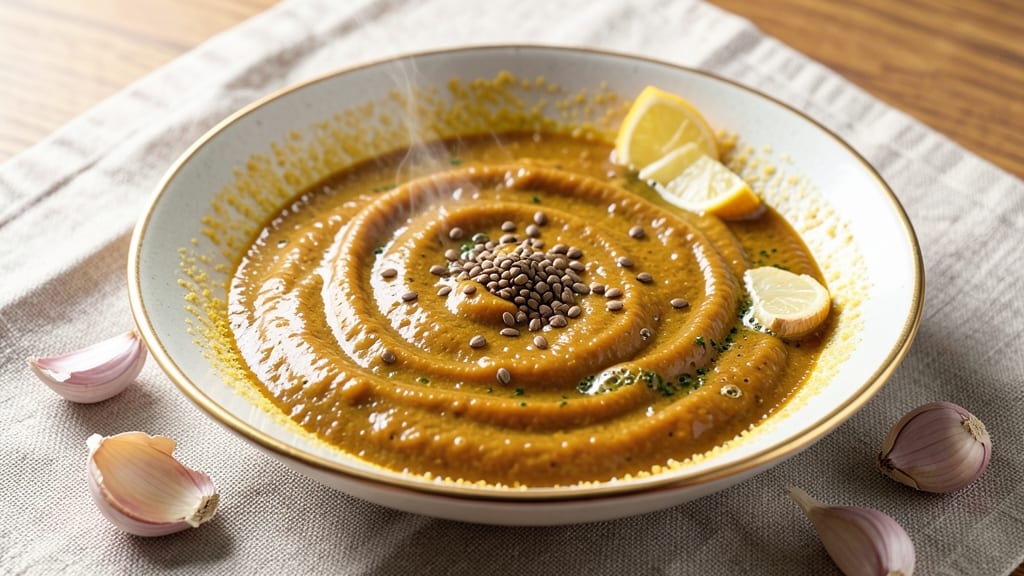
This basic korma sauce recipe delivers creamy, aromatic harmony in just 20 minutes—perfect for transforming simple proteins into restaurant-quality dishes.
The secret lies in balancing coconut milk's richness with yogurt's tang, while whole spices toasted in ghee build deep, complex layers of flavor that simmer into a velvety sauce. I developed this version after testing countless combinations, ensuring every ingredient plays its part without overpowering the delicate spice profile.
The foundation begins with a simple spice blend—cumin, coriander, and turmeric—bloomed in hot oil until fragrant, then deglazed with tomato paste to create a flavorful base. Yogurt adds creaminess while preventing the sauce from becoming too heavy, and coconut milk brings that signature richness that defines korma.
The sauce thickens beautifully as it simmers, creating a silky, cling-coat texture that clings perfectly to chicken, fish, or vegetables.
What makes this sauce truly exceptional is its versatility—use it as a base for curries, drizzle it over rice dishes, or serve it with naan for an instant flavor upgrade. The creamy texture comes from proper reduction techniques, while the spice balance ensures it's neither too sweet nor overly spicy.
Once you taste this homemade version, store-bought korma sauce will never satisfy again.
Store any leftovers in an airtight container in the refrigerator for up to 5 days, or freeze for 3 months—the flavors actually deepen over time. For best results, reheat gently on low heat, stirring occasionally to maintain that perfect creamy consistency.
This sauce is the ultimate pantry staple for Indian-inspired cooking, ready to elevate any meal with minimal effort.
Ingredients for basic korma sauce
Eleven ingredients create this velvety, aromatic sauce that transforms simple meals into restaurant-quality dishes.
| Ingredient | Amount | Notes |
|---|---|---|
| Ghee 🫒 | 3 tbsp | For spice blooming |
| Cumin Seeds 🌿 | 1 ½ tsp | Whole seeds for toasting |
| Ground Coriander 🌿 | 1 ½ tsp | Freshly ground preferred |
| Turmeric Powder 🌶️ | ½ tsp | Bright yellow color |
| Garlic Cloves 🧄 | 4 cloves | Peeled and minced |
| Fresh Ginger 🌿 | 1 tbsp | Grated, aromatic |
| Plain Yogurt 🥛 | ½ cup | Full-fat for creaminess |
| Tomato Paste 🍅 | 1 tbsp | San Marzano preferred |
| Full-Fat Coconut Milk 🥥 | 13 ½ oz | Highest quality canned |
| Chicken Broth 💧 | ¼ cup | Low-sodium preferred |
| Fresh Cilantro 🌿 | ¼ cup | Chopped for garnish |
| Lemon Juice 🍋 | 1 tbsp | Freshly squeezed |
| Salt 🧂 | ½ tsp | Diamond Crystal preferred |
| Ground Black Pepper 🌶️ | ¼ tsp | Freshly ground |
The ghee is where the magic starts—it carries the spices to a fragrant toast without burning. Gujarat brand or any high-smoke-point ghee works best. Cumin seeds should pop audibly; if they don't, increase heat slightly. Freshly ground coriander and turmeric from Penzeys or bulk bins make all the difference—pre-ground spices lose their punch fast. For coconut milk, Aroy-D or Thai Kitchen brands deliver the richest, creamiest texture. The yogurt should be full-fat and plain—Greek or Indian-style works perfectly. Look for organic ginger and garlic at the farmers market if possible; their flavor is noticeably brighter.
No cumin seeds? Ground cumin at double the amount works, but it won't have that nutty depth. Substitute coconut milk with cashew cream for a lighter version, though it'll lack that signature richness. Running short on tomato paste? Fresh tomato purée gives a brighter acidity—just reduce it longer. The cilantro can be swapped for fresh parsley if you're avoiding cilantro's herbal note. For extra depth, add 1/4 tsp ground cardamom to the spice blend. And if your broth is high-sodium, dilute it with water—this sauce shouldn't taste salty.
This sauce peaks after 3-4 days in the fridge—flavors meld beautifully. Store in a glass jar with a tight seal to prevent absorption of fridge odors. Freeze in ice cube trays for perfect portions—just thaw overnight in the fridge. The sauce reheats beautifully on low heat, but never boil it or it'll curdle. Garnish with extra cilantro and a squeeze of lemon right before serving—that fresh acidity cuts through the richness perfectly.
Why You'll Love This Recipe
- Five-Ingredient Magic: I swear by this list—ghee, cumin, coriander, turmeric, and garlic. That’s it. No overcrowded pantry raid, no last-minute grocery runs. The sauce builds itself while you chop one onion (if you’re feeling fancy) or skip it entirely.
- Garlic-Cumin Kiss: Between us, the moment those cumin seeds hit the ghee? Chef’s kiss. The garlic sizzles into golden perfection, and the ground coriander softens into this warm, earthy hug. It’s the kind of flavor that makes you pause mid-stir and think, “Wait, is this really just five things?”
- Leftovers That Lie: I make a double batch every time because the sauce only gets better after sitting. The ghee mellows, the spices deepen, and it turns into this silky, restaurant-quality base. Freeze half for lazy nights—just reheat, drizzle, and pretend you’re a pro.
- Weeknight Workhorse: This isn’t just for curry nights. Slather it on grilled chicken, toss it with roasted veggies, or even drizzle it over rice and eggs for a lazy breakfast. Honestly, I’ve used it in three different meals this week already, and it never lets me down.
Step-by-step instructions for creamy coconut korma sauce
This velvety korma unfolds in layers—first with aromatic spices, then rich coconut, and finally a bright citrus finish.
Bloom the Spices in Ghee
Heat the 3 tbsp ghee in a medium saucepan over medium-low heat. Add the 1.5 tsp cumin seeds and watch them dance—when they begin to sizzle and pop (about 30 seconds), immediately add the 1.5 tsp ground coriander and 0.5 tsp turmeric powder. Stir constantly for 1 minute until the spices release their fragrance and the ghee takes on a golden hue.
This step is non-negotiable. The spices need time to bloom fully, releasing their essential oils. If you rush, you'll miss that deep, earthy aroma that defines authentic korma. Keep the heat gentle—spices burn faster than you think, and burnt spices will make your sauce bitter.
Add Aromatics and Tomato Paste
Push the spices to the sides of the pan and add the 4 cloves minced garlic and 1 tbsp grated fresh ginger. Sauté for 1-2 minutes until fragrant and just beginning to turn golden. Stir in the 1 tbsp tomato paste and cook for another 30 seconds, breaking it down into the ghee.
Here's where the sauce starts building character. The tomato paste acts as a natural thickener and balances the richness of the coconut milk that's coming next. If you notice the paste sticking to the bottom, add 1 tablespoon of the chicken broth to deglaze and lift those flavorful browned bits.
Incorporate Yogurt and Coconut Milk
Reduce the heat to low and slowly whisk in the 0.5 cup plain yogurt, adding it a little at a time to prevent curdling. Once fully incorporated, pour in the 13.5 oz full-fat coconut milk and the 0.25 cup chicken broth. Bring the mixture to a gentle simmer, then reduce heat to medium-low and let it cook uncovered for 5-7 minutes, stirring occasionally.
The sauce should thicken slightly as it simmers, but it will still be lusciously creamy. If it's too thick for your liking, add 1-2 tablespoons of water or broth to reach your desired consistency. The coconut milk should infuse the spices with its natural sweetness, creating that signature korma harmony.
Finish with Acid and Fresh Herbs
Remove the pan from heat and stir in the 1 tbsp lemon juice, 0.5 tsp salt, and 0.25 tsp ground black pepper. The acid brightens the flavors and cuts through the richness. Add the 0.25 cup chopped fresh cilantro and let it steep for 2-3 minutes off the heat, allowing the herbs to release their vibrant notes.
Taste and adjust seasoning—you might need a touch more salt or lemon juice depending on your preference. The sauce should be creamy, aromatic, and perfectly balanced between sweet, tangy, and savory. This is your moment to make it truly yours—don't be afraid to tweak it to your taste.
Use Immediately or Store Properly
For best results, use the sauce immediately to coat proteins like chicken or vegetables. If you need to store it, transfer to an airtight container and refrigerate for up to 3 days. When reheating, warm gently over low heat, stirring frequently to prevent separation. If it does separate, simply whisk vigorously to recombine.
This sauce is incredibly versatile—use it as a base for curries, drizzle it over rice, or serve it with naan. The key to its success lies in the balance of flavors and the proper technique at each step. Now you're ready to create a restaurant-quality korma in your own kitchen!
Pro Tips For Making Basic Korma Sauce
- Bloom the Spices Slowly: I learned this the hard way—dumping all the cumin seeds and ground coriander into hot ghee at once just makes them burn before they release their aroma. Instead, add the cumin first on medium-low heat, let it sizzle for 15 seconds until it smells nutty, then stir in the ground coriander. This gives the spices time to toast without turning bitter.
- Toast the Garlic Properly: Raw garlic in korma sauce tastes sharp and undercooked. After mincing, fry it in the ghee until it’s golden, not just softened—about 3-4 minutes on medium heat. If you rush it, you’ll end up with a dish that tastes more like garlic paste than aromatic, layered flavor.
- Skip the Pre-Ground Spices: Whole coriander seeds and cumin toasted in ghee until they darken just slightly add depth pre-ground powder never will. Crush them lightly after toasting (a mortar and pestle works) and you’ll get a richer, nuttier base—no fancy equipment needed, just patience.
- Simmer the Turmeric Last: Turmeric burns faster than you’d think. Add it only after the garlic and spices have cooked for 2-3 minutes, then stir it in for 30 seconds before adding liquids. This guarantees bright color and flavor instead of a dull, bitter aftertaste.
Troubleshooting great basic korma sauce
Spice Bloom Failures
If your cumin seeds aren't popping audibly within 30 seconds, your heat is too low. Increase to medium heat and stir constantly—burnt spices ruin the sauce. For ground cumin instead of seeds, toast it in the ghee for 1 minute until fragrant and aromatic.
I've learned the hard way: skipping this step makes your sauce taste flat and one-dimensional. 🌶️
Yogurt Curdling
Adding cold yogurt to hot spices causes instant curdling. Always reduce heat to low and whisk yogurt in gradually. For extra insurance, mix yogurt with 1 tbsp cold water before adding.
If curdling happens, immediately whisk in 1 tbsp coconut milk to smooth it out. I've fixed this by adding a splash of lemon juice too—it stabilizes the texture while brightening flavors.
Sauce Too Thin
If your sauce is watery after simmering, reduce heat to low and cook uncovered for 5-10 extra minutes to thicken naturally. For instant thickening, mix 1 tsp cornstarch with 1 tbsp cold water, then stir into the sauce.
Let it simmer for 1 minute until clear. I've used this trick when serving immediately—it works like magic without altering the flavor.
Separated Coconut Milk
When coconut milk separates during reheating, it's usually from too much heat. Always warm sauce over low heat and stir constantly. For stubborn separation, whisk vigorously or blend briefly with an immersion blender.
If stored properly in an airtight container, this rarely happens—just give it a good stir before reheating. 🥥
Overpowering Spices
Too much turmeric or cumin makes the sauce bitter. Start with half the amount if you're sensitive to spices, then adjust to taste. For extra depth without overpowering, add ¼ tsp ground cardamom—it adds complexity without heat.
I've found that simmering longer helps mellow strong flavors naturally. Taste as you go!
Flat Flavor Profile
Missing that restaurant-quality depth? Bloom your spices longer (2 minutes instead of 1) and use freshly ground spices from brands like Penzeys. For extra richness, add 1 tsp ghee at the end.
I've also noticed that simmering uncovered for 5 extra minutes lets flavors concentrate beautifully. The key is patience—don't rush the process! ⏰
Nutrition facts
Frequently asked questions
Can I make this korma sauce without coconut milk?
Yes! For a lighter version, substitute with 1 cup cashew cream (blend soaked cashews with water) or ½ cup heavy cream + ½ cup water. The sauce will be less rich but still flavorful. For extra depth, add ½ tsp sugar to balance the reduced coconut sweetness.
How do I prevent the sauce from curdling when adding yogurt?
Always reduce heat to low before adding yogurt, and whisk it in gradually. For extra insurance, mix yogurt with 1 tbsp cold water first. If curdling occurs, immediately whisk in 1 tbsp coconut milk and remove from heat. The key is patience—don't rush this step!
Can I use powdered milk instead of coconut milk?
Not recommended—powdered milk lacks the natural sweetness and richness that coconut milk provides. For a dairy-based alternative, try ½ cup evaporated milk + ½ cup water, but the flavor won't be as authentic. Coconut milk's unique profile is essential for true korma taste.
How long can I store this sauce, and how do I reheat it?
Store in an airtight container in the fridge for up to 5 days or freeze for 3 months. To reheat, warm over low heat while stirring constantly—never boil. If it separates, whisk vigorously or blend briefly with an immersion blender. The flavors actually improve over time!
What's the secret to getting that restaurant-quality depth?
Bloom your spices for 2 minutes (not 1) and use freshly ground spices from brands like Penzeys. Simmer uncovered for 5-7 minutes to let flavors concentrate, and finish with 1 tsp ghee for extra richness. Patience is key—don't rush the process!