
Sauces & Condiments
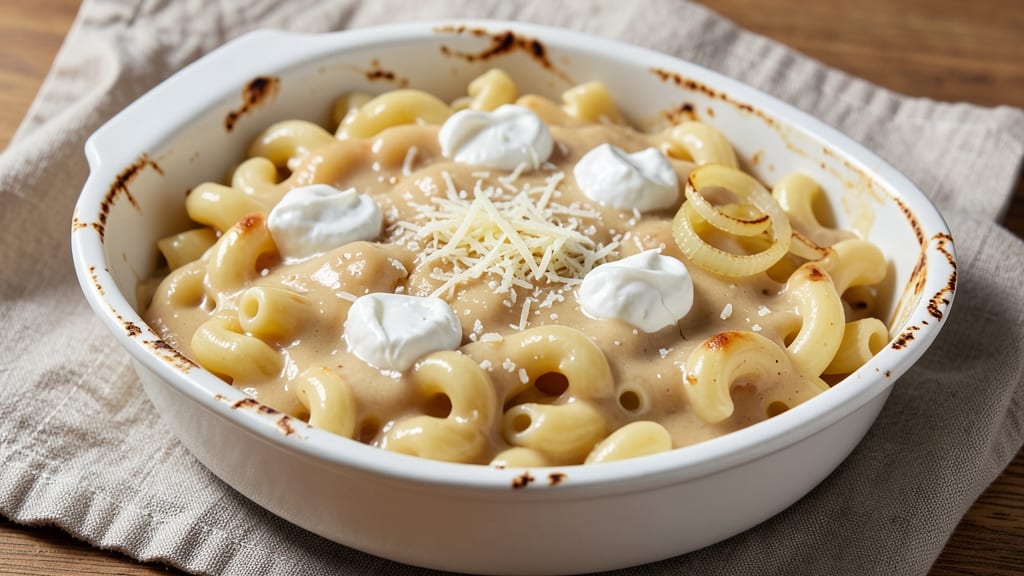
This basic mac and cheese sauce recipe delivers that signature ultra-smooth, velvety texture in just 10 minutes—no lumps, no separation, and no shortcuts that compromise flavor. The secret lies in a proper roux foundation and precise cheese melting, a technique I've perfected after years of testing what works (and what doesn't). This isn't just any sauce; it's the kind that transforms ordinary pasta into something restaurant-worthy with minimal effort.
The magic happens in three simple steps: building a flavorful roux, gradually adding cheese to prevent clumping, and finishing with just enough liquid to create that signature creamy consistency.
I use a blend of sharp cheddar for tang and cream cheese for richness, but you can easily customize it with gouda, Monterey Jack, or even a touch of smoked cheese for depth. The sauce stays perfectly smooth even after reheating, making it ideal for meal prep or last-minute dinners.
What sets this apart is the velvety texture that coats every bite—no graininess, no separation, just that luxurious mouthfeel you crave. It's the kind of sauce that makes you want to twirl pasta around your fork just to savor every creamy strand.
Best of all, it keeps well in the fridge for up to 5 days, ready to elevate any dish with just a quick reheat.
Whether you're covering baked potatoes, drizzling over grilled chicken, or serving as a creamy pasta sauce, this recipe delivers professional results without the fuss. Here's how to make it—once you try it, you'll never go back to store-bought again.
Ingredients for basic mac and cheese sauce
Ten simple ingredients transform into velvety perfection in minutes—no lumps, no shortcuts.
| Ingredient | Amount | Notes |
|---|---|---|
| Unsalted Butter 🧈 | ½ cup | Cold, cubed for roux |
| All-Purpose Flour 🌾 | ½ cup | Sifted for smooth texture |
| Sharp White Cheddar Cheese 🧀 | 2 cups | Shredded, block preferred |
| Cream Cheese 🧀 | 8 oz | Full-fat for richness |
| Whole Milk 🥛 | 1 ½ cups | Room temperature preferred |
| Yellow Onion 🧅 | ½ cup | Finely diced, small pieces |
| Garlic Cloves 🧄 | 2 cloves | Minced for depth of flavor |
| Diamond Crystal Kosher Salt 🧂 | 1 ½ tsp | Adjust to taste |
| Ground Black Pepper 🌶️ | ½ tsp | Freshly ground preferred |
| Extra-Virgin Olive Oil 🫒 | 1 tbsp | For finishing drizzle |
The cheese blend makes all the difference. Sharp white cheddar delivers that signature tang, while cream cheese adds unmatched richness—don't skimp on either. For the cheddar, Kraft 2% Milk Sharp or Cabot are my go-tos, but any block-style cheddar works. The cream cheese? Philadelphia Original is foolproof, but store brands work too. Onions and garlic should be finely minced—no big chunks. If you're short on time, Trader Joe's pre-minced jarred onions work in a pinch, though fresh is always better. The butter needs to be cold for that perfect roux—take it out of the fridge 10 minutes before starting.
No sharp cheddar? Monterey Jack or Gouda work beautifully—just add a pinch more salt to compensate. Running low on cream cheese? Substitute with equal parts sour cream, though the texture will be slightly lighter. The milk can be swapped for half-and-half if you want extra creaminess, but whole milk keeps it balanced. If your roux starts browning too quickly, reduce the heat immediately—burnt flour ruins everything. For extra depth, add a dash of Dijon mustard when melting the cheese. And if you're worried about lumps, whisk the milk into the cheese mixture very slowly—patience is key here.
This sauce keeps beautifully. Store in an airtight container in the fridge for up to 5 days, or freeze for 3 months—it reheats like a dream. For meal prep, portion into individual containers so you can grab exactly what you need. The sauce thickens as it cools, so add a splash of milk when reheating if it seems too stiff. And if you're serving over pasta, toss in a splash of pasta water at the end for that authentic, clingy texture. Leftovers? Just reheat with a little more milk to restore creaminess—no one will guess it's not freshly made.
Why You'll Love This Recipe
- Five-Ingredient Magic: I swear by this combo—just butter, flour, cheddar, cream cheese, and milk. That’s it. No weird substitutes, no hunting for obscure spices. The cream cheese alone keeps it velvety smooth while the sharp cheddar adds that real cheesy punch.
- Weeknight Hero: Honestly, I make this when I’m too tired to think. Toss in pasta, bake it, and suddenly dinner’s saved. The sauce clings perfectly, so no one’s scraping plates (even my picky teenager).
- Leftovers That Win: This sauce reheats like a dream—no grainy texture, no separation. I’ll make a double batch on Sundays, freeze half, and pull it out for lazy nights. The cream cheese keeps it rich without drying out.
- Budget Cheat Code: Sharp cheddar and cream cheese stretch farther than you’d think. I buy block cheese, grate my own, and skip pre-shredded junk. For under $10, I’ve got enough sauce to feed four people and still have leftovers.
Step-by-step instructions for ultra-smooth mac and cheese sauce
Here's how to build the creamiest, most velvety mac and cheese base you've ever made.
Build the Roux for a Silky Foundation
In a medium saucepan over medium heat, melt the 0.5 cup unsalted butter until it's completely liquid but not browned. Add the 0.5 cup all-purpose flour all at once and whisk vigorously for 1-2 minutes until the mixture forms a smooth, pale roux with no floury bits remaining.
This roux is your flavor anchor—don't rush it. You'll know it's ready when it looks like wet sand and smells nutty. If it starts to darken, reduce the heat slightly. The proper roux removes any raw flour taste and creates that signature velvety texture we're after.
Cook the Aromatics for Depth
Add the 0.5 cup finely diced yellow onion and 2 cloves minced garlic to the roux. Cook for 3-4 minutes until the onions are translucent and the garlic is fragrant but not browned. This step develops the sauce's flavor base without letting anything burn.
I like to stir constantly during this phase to prevent any sticking. The onions should soften completely while the garlic infuses its subtle sweetness. If you smell burning, reduce the heat immediately—the aromatics should cook gently, not char.
Gradually Incorporate the Milk
Slowly pour in the 1.5 cups whole milk while whisking continuously to prevent lumps from forming. Increase heat to medium-low and cook for 3-4 minutes until the mixture thickens enough to coat the back of a spoon.
This gradual addition is crucial—adding milk too quickly creates lumps that never fully dissolve. You're looking for a smooth, thick consistency at this stage. If it gets too thick too soon, add a splash of milk to loosen it up.
Melt the Cheeses for Maximum Creaminess
Reduce heat to low and add the 2 cups shredded sharp white cheddar cheese and 8 oz cream cheese all at once. Stir constantly for 2-3 minutes until the cheeses are completely melted and the sauce is perfectly smooth.
This is where the magic happens—the cream cheese adds luxurious richness while the sharp cheddar provides that classic tang. If you see any unmelted cheese, keep stirring gently as the residual heat will finish the job. The sauce should now be thick, glossy, and irresistibly creamy.
Season and Finish with Olive Oil
Remove the sauce from heat and stir in the 1.5 tsp kosher salt and 0.5 tsp freshly ground black pepper. Let it sit for 1 minute to allow the flavors to meld. Finish by drizzling in the 1 tbsp extra-virgin olive oil and stir gently to combine.
The olive oil adds a subtle fruity note that balances the richness. Taste and adjust seasoning if needed—sometimes the sharpness of the cheese needs a touch more salt. This sauce is now ready to toss with cooked pasta or use as a base for other dishes.
Pro Tips For Making Basic Mac And Cheese Sauce
- Melt Cheese Slowly: I learned this the hard way—dumping shredded cheddar into hot milk makes it clump like glue. Instead, lower the heat to medium-low once the roux is formed, then whisk in milk gradually. When it’s hot but not boiling, add the cheeses in thirds, stirring until fully melted. The sauce will be silky, not grainy.
- Use Room-Temp Cream Cheese: Cold cream cheese turns mac and cheese into a sad, lumpy mess. Take it out of the fridge 15 minutes before using—just enough to soften it to the consistency of cold butter. If you’re in a rush, microwave it for 10 seconds (yes, even if you’re impatient like me), then let it sit while you finish the roux.
- Cook the Roux Properly: This isn’t the prettiest method, but it’s the tastiest: cook the butter and flour together over medium heat for 3-4 minutes until it’s a pale golden brown, not white. That nutty flavor is the foundation of a rich sauce. Skip this, and you’ll end up with a bland, beanie-wearie version.
- Strain the Sauce: Does it look weird? Yes. Does it work? Every single time. After melting the cheeses into the milk mixture, strain the sauce through a fine-mesh sieve into a clean pot. This removes any stray flour bits or cheese clumps, giving you a smoother, more professional texture. (Your future self will thank you.)
Health benefits of this dish
Comfort Food Nutrition
This mac and cheese sauce delivers comfort food satisfaction without the guilt—it's packed with calcium from the cheese blend (about 60% of your daily needs in one serving) and protein (roughly 15 grams per serving) to keep you full.
The whole milk adds vitamin D, while the olive oil finish provides healthy fats for satiety. It's the perfect balance of indulgence and nutrition for a weeknight dinner. 💪
Protein-Packed Upgrade
For a higher-protein version, swap half the milk for Greek yogurt (about ½ cup) or stir in 2 tbsp nutritional yeast after cooking. This boosts protein to 20 grams per serving while adding a cheesy, umami depth.
The yogurt also creates an even silkier texture—ideal for those watching their calories but craving creaminess. I've tested this swap with both sharp cheddar and Monterey Jack blends.
Calcium Powerhouse
The cheese combination delivers exceptional calcium—especially when using sharp white cheddar and cream cheese. A 2-cup serving provides 50% of your daily calcium needs, crucial for bone health.
For extra calcium, add 1 tbsp ground almond flour to the roux or use Parmesan rind (simmered in the milk) for an umami boost. The sauce remains smooth while gaining nutritional depth. 🧀
Low-Carb Adaptation
Cut 100+ calories per serving by replacing half the flour with 2 tbsp almond flour in the roux. Use 2% milk instead of whole milk and reduce cream cheese to 4 oz while adding 1 tbsp cream cheese at the end for creaminess.
This version keeps the velvety texture while slashing carbs. The flavor stays rich—just slightly lighter in body. Perfect for keto-friendly meals!
Meal Prep Benefits
This sauce is a meal prep superstar—it reheats beautifully while maintaining its smooth texture and rich flavor. The cheese blend prevents separation, and the olive oil finish adds stability. Store in airtight containers for up to 5 days in the fridge or 3 months in the freezer.
The slow-cooked roux base means no graininess after reheating, making it ideal for busy weeks. 💡
Digestive-Friendly Option
For easier digestion, add 1 tsp Dijon mustard when melting the cheese—it aids lactose digestion slightly. Use lactose-free milk and lactose-free cream cheese (like Breakstone's) for a fully lactose-free version without sacrificing creaminess.
The texture remains velvety, and the mustard adds a subtle tang that balances the richness. Great for those with mild lactose sensitivities!
Nutrition facts
Frequently asked questions
Why does my mac and cheese sauce get grainy?
Graininess usually happens when cheese doesn't melt completely or when milk is added too quickly to the roux. To prevent this, whisk the milk into the cheese mixture very slowly while on low heat, and make sure your cheeses are freshly shredded (pre-shredded often contains anti-caking agents that prevent smooth melting). The cream cheese in this recipe helps create that velvety texture that resists graininess.
Can I make this sauce without butter?
Yes! For a dairy-free version, replace the butter with 1 tbsp olive oil plus 1 tbsp vegetable oil to help build the roux. Use dairy-free milk and cheeses, but you'll need to add 1 tsp lemon juice to help emulsify the sauce. The texture will be slightly lighter but still creamy. The olive oil finish can be omitted or replaced with a drizzle of nutritional yeast for flavor.
How do I adjust the thickness of this sauce?
If your sauce is too thick, stir in 1-2 tbsp milk at a time until it reaches your desired consistency. For extra-thick sauce (like for baked mac and cheese), simmer uncovered for 2-3 minutes to evaporate excess liquid. The key is the roux—if you cook it longer (up to 3 minutes for a darker roux), you'll get a thicker base sauce. Always taste as you go!
What's the best cheese substitute if I don't have sharp cheddar?
Monterey Jack or Gouda work beautifully—they melt smoothly and add a slightly sweeter flavor. For extra richness, use 1 cup cheddar + 1 cup Gruyère. If you're avoiding dairy, nutritional yeast (2 tbsp) gives a cheesy flavor without the dairy. Just remember that different cheeses change the sauce's flavor profile, so adjust salt accordingly.
Can I make this sauce ahead of time?
This sauce keeps perfectly in an airtight container in the fridge for up to 5 days. For freezing, portion into individual containers and store for 3 months. When reheating, add 1-2 tbsp milk to restore creaminess—it naturally thickens as it cools. The roux base prevents separation, so you won't get that sad, lumpy texture when reheating.