
Sauces & Condiments
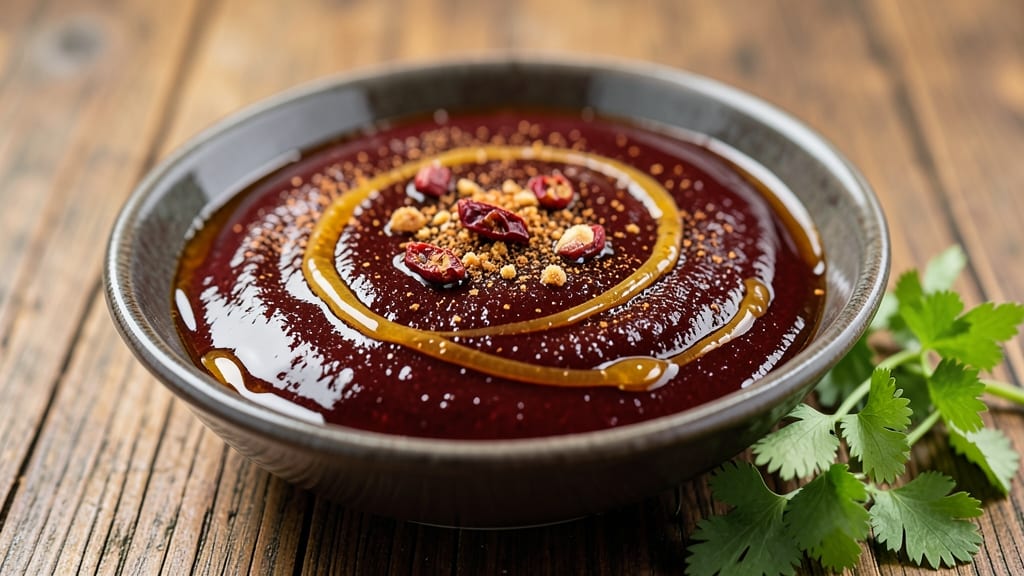
Mastering Beck's Prime Sauce transforms ordinary grilled meats into restaurant-worthy masterpieces with its smoky chipotle-tomato fusion. This versatile sauce—blending heat, depth, and tang—elevates everything from steak to seafood with minimal effort. The secret lies in balancing smoldering chipotle peppers with rich tomato base, creating a sauce that’s bold yet harmonious.
What sets this sauce apart is its adaptability: use it as a marinade, glaze, or dipping sauce, and it delivers restaurant-quality flavor every time. The recipe relies on pantry staples—no specialty ingredients required—while delivering complex layers of smokiness and sweetness.
Perfect for weeknight dinners or weekend BBQs, it’s designed to impress without complicating your routine.
The result is a velvety, slightly sticky sauce with a perfect balance of heat and richness, ready to enhance any dish. Whether you’re grilling ribs, searing scallops, or roasting vegetables, this sauce adds a professional touch.
The best part? It keeps well in the fridge, so you can make a batch and use it all week.
For those who love customization, adjust the chipotle level to suit your spice tolerance or add a splash of apple cider vinegar for extra brightness. The possibilities are endless, but the foundation remains foolproof. Let’s get cooking!
Ingredients for becks prime sauce
Pantry staples meet smoky magic for this restaurant-worthy chipotle-tomato fusion sauce.
| Ingredient | Amount | Notes |
|---|---|---|
| Chipotle Peppers in Adobo Sauce 🌶️ | 4 whole | From can, minced finely |
| Tomato Paste 🍅 | ½ cup | Smooth, not chunky |
| Apple Cider Vinegar 🍏 | ¼ cup | For tangy brightness |
| Dark Brown Sugar 🍚 | ¼ cup | Packed, for depth |
| Smoked Paprika 🌶️ | 1 tbsp | For extra smokiness |
| Garlic Cloves 🧄 | 4 cloves | Peeled, minced finely |
| Ground Cumin 🌿 | 1 tsp | Toasted for warmth |
| Salt 🧂 | 1 ½ tsp | Diamond Crystal preferred |
| Black Pepper 🌶️ | ½ tsp | Freshly cracked |
| Water 💧 | ½ cup | For thinning consistency |
The chipotle peppers are the heart of this sauce—Penzeys or bulk bins have the best quality, but any canned adobo works. Look for peppers that are plump and still moist in the can, not dried out. Trader Joe's often carries a great brand, or check the Latin market for authentic adobo. Smoked paprika is a must for that extra layer of smokiness—Penzeys or McCormick brands are reliable. The tomato paste? San Marzano is ideal if you want to splurge, but any smooth paste works. Toast your cumin seeds in a dry pan for 30 seconds before grinding to deepen the flavor—trust me, it makes a difference.
No chipotle peppers? Substitute 1 tbsp cayenne pepper plus 1 tsp smoked paprika, but the flavor won’t be identical. Running low on apple cider vinegar? White vinegar or balsamic works in a pinch, though the brightness won’t be the same. The brown sugar can be swapped for maple syrup or agave if you prefer a less caramelized note. For a smoother sauce, blend everything until silky—immersion blender is perfect for small batches. If you prefer texture, leave it slightly chunky. The garlic can be roasted first for a sweeter, mellow flavor—just toss whole cloves in olive oil at 400°F for 10 minutes.
This sauce keeps beautifully—1 week in the fridge or 6 months in the freezer. Portion into ice cube trays for easy single-use servings, or freeze in small jars for quick access. The flavor actually improves over time as the smokiness mellows. For extra richness, stir in a splash of olive oil or melted butter before serving. Double the batch—you’ll want it on hand for everything from grilled shrimp to roasted Brussels sprouts.
Why You'll Love This Recipe
- Pantry Magic: I swear by this sauce because it lives in my fridge year-round—no fresh herbs, no last-minute grocery runs. Just open a can of chipotles in adobo, stir in tomato paste and vinegar, and boom: depth in minutes. Honestly, I’ve made it at 7 AM before work and it still tastes like I slaved over it.
- Smoky-Sweet Obsession: That dark brown sugar and smoked paprika combo? It’s the kind of flavor you’ll reach for again. The vinegar cuts through the richness while the chipotles add just enough heat to linger—like a slow dance of spice and sweetness that never gets old.
- Weeknight Swiss Army: Slather it on grilled chicken, toss it with roasted veggies, or drizzle it over eggs. I’ve even used it in tacos, as a marinade, and even mixed into mashed potatoes (yes, it works). It’s my secret weapon for turning simple meals into something memorable without extra effort.
- Budget-Friendly Staple: A single can of chipotles and a tube of tomato paste stretch across multiple meals. I make a big batch, portion it out, and freeze what I won’t use—no waste, no stress. Between us, this sauce is the reason I stopped ordering takeout on busy nights.
Step-by-step instructions for becks prime sauce
Here's how to craft this bold, smoky sauce that elevates everything from grilled meats to dipping bowls.
Blend the Chipotle and Aromatics
Begin by finely mincing the 4 whole chipotle peppers in adobo sauce—this ensures even distribution of heat throughout the sauce. In a blender, combine the minced chipotles with the 4 cloves garlic cloves, 1 tbsp smoked paprika, 1 tsp ground cumin, 1.5 tsp salt, and 0.5 tsp black pepper. Pulse until the garlic is completely broken down but not paste-like, about 10-15 seconds. Here's the thing—this step builds the smoky backbone of the sauce, so don't skip it. The paprika and cumin will deepen the complexity as they blend with the chipotle's natural heat.
Transfer the blended mixture to a medium saucepan and set it aside. I like to use a heavy-bottomed pan for this recipe—it distributes heat evenly and prevents scorching. This is where the magic starts, so take your time here. The goal is to create a smooth, well-integrated base before adding liquids.
Toast the Tomato Paste
Place the saucepan over medium-low heat and add the 0.5 cup tomato paste. Stir constantly for 3-4 minutes until the paste darkens slightly and releases its rich, caramelized aromas. This toasting step is crucial—it deepens the tomato flavor and removes any raw taste. You'll notice the paste will thicken and develop a glossy sheen as it cooks down. If it starts to stick, add 1 tablespoon of water to keep it moving, but avoid adding too much at once.
Real talk: Don't rush this step. The deeper the color, the more complex the sauce. I've found that medium-low heat is ideal—it gives the paste time to develop without burning. Once it reaches a deep, mahogany hue, it's ready for the next addition.
Simmer the Sauce to Perfection
Pour in the 0.25 cup apple cider vinegar and 0.25 cup dark brown sugar, stirring to dissolve the sugar completely. Bring the mixture to a gentle simmer over medium heat, then reduce to a low boil. Let it cook uncovered for 15-20 minutes, stirring occasionally, until it thickens to a syrup-like consistency. You're looking for a sauce that coats the back of a spoon but still flows smoothly—this balance is key for both dipping and glaze applications.
Here's where it gets fun—taste as you go. If the sauce needs more depth, add a splash of 0.5 cup water (up to 2 tablespoons) to thin it slightly. The vinegar will add brightness, while the sugar rounds out the smokiness. The sauce should be glossy, with a thick but pourable texture. If it's too thin, simmer uncovered for another 5 minutes to reduce further.
Adjust and Rest for Maximum Flavor
Remove the sauce from heat and let it cool for 10 minutes. This resting period allows the flavors to meld and the sauce to thicken slightly as it cools. Taste again and adjust the seasoning—add more salt if needed, or a pinch of sugar to balance acidity. The sauce should be bold, smoky, and slightly sweet, with a lingering heat from the chipotles.
For the best results, let the sauce sit at room temperature for at least 1 hour before using. This gives the flavors time to fully develop and deepen. If you're short on time, refrigerate it for 30 minutes to accelerate the process. The longer it sits, the more complex and delicious it becomes—trust me, it's worth the wait.
Pro Tips For Making Becks Prime Sauce
- STRAIN THE ADOBO FIRST: I learned this the hard way—blending the whole adobo sauce with its thick, oily base makes your sauce greasy and unbalanced. Strain it through a fine-mesh sieve first, pressing out all the liquid, then use just the strained solids (peppers + a little paste) for the right smoky depth without the sludge.
- SIMMER LOW AND SLOW: This isn’t a race. After adding the vinegar and sugar, reduce heat to a gentle simmer—no boiling, no splattering. I used to rush it, and the sauce would turn bitter or clump. Keep it at a steady bubble, and the flavors meld instead of fight.
- MEASURE THE VINEGAR: Apple cider vinegar is potent, and eyeballing it throws off the balance. Use a kitchen scale or measuring spoon—about 2 tablespoons for every 1 cup of liquid in the recipe. Too much, and your sauce tastes sharp; too little, and the smokiness gets lost.
- TOAST THE PAPRIKA: Skip the pre-ground smoked paprika—it loses flavor fast. Lightly toast 1 teaspoon of whole smoked paprika in a dry pan for 30 seconds until fragrant, then grind it fresh. The aroma jumps from subtle to unmistakable, and your sauce will taste deeper. (Yes, it’s extra work, but it’s worth it.)
Pro cooking tips for this recipe
Heat Control Mastery
Balance is key when cooking this sauce—start with medium-low heat to develop the chipotle and tomato flavors without burning them. I’ve learned the hard way that rushing this step leads to bitter, overcooked sauce.
Once the tomato paste darkens to a deep mahogany color (about 3-4 minutes), reduce to low heat for simmering. The goal is a slow, steady reduction that builds depth, not a quick boil that flattens the flavors. 🌡️
Blending Techniques
For a silky-smooth sauce, use an immersion blender—it’s perfect for small batches and gives you precise control. If you prefer texture, pulse in short bursts (about 3-4 seconds) to break down the chipotles and garlic while leaving some bite.
Avoid over-blending, or you’ll lose the smoky complexity that makes this sauce special. I like to strain through a fine-mesh sieve afterward to remove any stubborn bits if I want it ultra-smooth.
Simmering Secrets
Simmering uncovered is non-negotiable—it allows excess moisture to evaporate, concentrating the flavors. If the sauce reduces too quickly, add 1 tablespoon water at a time to maintain a gentle simmer. The sauce should thicken to a syrup-like consistency that coats the back of a spoon but still flows freely.
Pro tip: Skim off any foam that forms on the surface during simmering to keep the sauce clean and glossy.
Resting for Depth
Never skip the 10-minute rest after cooking—this lets the flavors meld and the sauce thicken slightly as it cools. For maximum impact, let it sit at room temperature for at least 1 hour before using. The longer it rests, the more complex the flavor becomes.
I’ve found that refrigerating it for 30 minutes speeds up this process if I’m short on time, but the results aren’t quite as rich. Patience here pays off in bold, restaurant-quality flavor. ✨
Adjusting Spice Levels
If the heat is too intense, balance it with a pinch of brown sugar or a splash of apple cider vinegar—both help mellow the chipotle’s kick. For extra smokiness, add ½ teaspoon liquid smoke (like La Choy brand) to the simmering sauce.
Conversely, if you want more depth without heat, swap the chipotles for 1 tablespoon smoked paprika and ½ teaspoon cayenne. Always taste as you go—this sauce is forgiving, but adjustments make all the difference.
Storage Hacks
Store the sauce in an airtight glass container in the fridge for up to 1 week, or freeze in ice cube trays for single-use portions. The flavor actually improves over time as the smokiness mellows.
To reheat, warm gently in a saucepan over low heat, stirring occasionally, until heated through. Avoid microwaving—it can make the sauce grainy. For extra richness, stir in 1 teaspoon olive oil** before serving. The sauce thickens as it cools, so thin with a splash of water if needed. 💡
Nutrition facts
Frequently asked questions
What makes Beck's Prime Sauce different from other chipotle sauces?
This sauce stands out with its perfect balance of smoky chipotle heat and tangy tomato brightness, thanks to the apple cider vinegar and toasted tomato paste. Unlike many sauces that rely solely on heat, it adds depth with brown sugar and cumin, creating a complex flavor that works as both a marinade and dipping sauce. The slow simmer also develops a richer, more concentrated taste than quick-prep versions.
Can I use this sauce on seafood instead of just meats?
The smoky-sweet profile pairs beautifully with grilled shrimp, scallops, or fish fillets. For seafood, reduce the chipotle slightly (use 3 peppers instead of 4) to avoid overpowering delicate flavors. Brush it on as a glaze during the last 2-3 minutes of cooking for maximum caramelization. It also works as a dipping sauce for fried calamari or ceviche.
How can I adjust the spice level if chipotles are too hot?
Start by adding 1 teaspoon brown sugar or ½ teaspoon apple cider vinegar to mellow the heat. For a milder version, replace 1 chipotle pepper with ½ teaspoon smoked paprika plus ¼ teaspoon cayenne during blending. Always taste as you go—this sauce is forgiving, and small adjustments make all the difference without sacrificing depth.
Can I make this sauce without a blender?
Yes! Finely chop the chipotle peppers and garlic with a sharp knife, then pulse in a food processor or use a mortar and pestle. For texture, leave the mixture slightly chunky—just ensure the chipotles are well-distributed. The sauce will still develop rich flavor, though it may have a slightly grainier consistency. The key is thorough mixing before simmering.
What’s the best way to use leftover sauce?
Leftover sauce keeps for 1 week in the fridge or 6 months frozen. Use it as a marinade for chicken or pork, drizzle over roasted vegetables, or mix into cornbread batter for extra flavor. For a quick upgrade, stir in 1 teaspoon olive oil before serving to enhance richness. Portion into ice cube trays for easy single-use servings.