
Sauces & Condiments
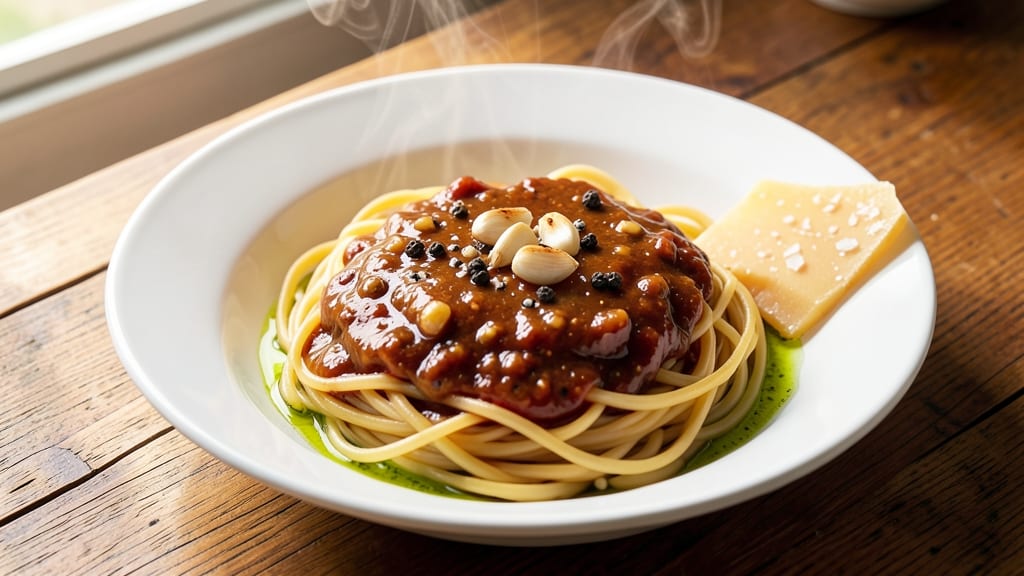
This store-bought spaghetti sauce recipe transforms ordinary jarred sauce into a restaurant-quality meal with just a few simple techniques. The key lies in balancing the acidity and richness of the sauce with fresh ingredients—like garlic, olive oil, and a splash of red wine—that deepen its flavor profile.
I've been perfecting this method for years, and it never fails to impress even the most critical diners.
What makes this approach special is how it preserves the convenience of store-bought sauce while elevating its complexity. We'll start with perfectly al dente pasta, then combine it with the sauce in a way that distributes flavors evenly.
The secret ingredient? A quick pan sauce made from the pasta water, which binds everything together into a cohesive, velvety finish. This method works with any jarred sauce—whether it's marinara, meat sauce, or even pesto.
By the time you're done, you'll have a dish that's rich, aromatic, and packed with layers of flavor—without the hours of simmering. The pasta will be tender yet firm, coated in a sauce that's neither too sweet nor too acidic.
Topped with fresh basil and a sprinkle of Parmesan, it becomes a meal worth celebrating, even on a busy weeknight.
This recipe proves that homemade doesn't always mean complicated. With just a handful of pantry staples and a few thoughtful techniques, you can turn a simple jar of sauce into a dish that rivals your favorite Italian restaurant. Let's get started—your taste buds will thank you.
Ingredients for best spaghetti recipe with store bought sauce
Here's what you need to turn a simple jar into restaurant-quality spaghetti sauce.
| Ingredient | Amount | Notes |
|---|---|---|
| Spaghetti 🍝 | ½ lb | Al dente preferred |
| Jarred Spaghetti Sauce 🍅 | 2 cups | Marinara or meat sauce |
| Extra-Virgin Olive Oil 🫒 | 2 tbsp | For pan sauce |
| Garlic Cloves 🧄 | 4 cloves | Minced for extra flavor |
| Red Wine 🍷 | ¼ cup | Bold dry variety |
| Parmesan Cheese 🧀 | ½ cup | Freshly grated |
| Fresh Basil Leaves 🌿 | ¼ cup | Chopped for garnish |
| Salt 🧂 | 1 tsp | Kosher or sea salt |
| Black Pepper 🌶️ | ½ tsp | Freshly ground preferred |
| Reserved Pasta Water 💧 | ½ cup | From cooking pasta |
| Unsalted Butter 🧈 | 1 tbsp | For pan sauce |
| Red Pepper Flakes 🌶️ | ¼ tsp | Optional for heat |
The sauce is your foundation, so don't skimp on quality. Rao's or Barilla are my go-tos for marinara—look for ones with tomatoes as the first ingredient. That extra-virgin olive oil? Trader Joe's or California avocado oil add the best flavor. Fresh garlic is a must (the pre-minced kind tastes like nothing), and if you're using red wine, Cabernet Sauvignon or Merlot work perfectly. For Parmesan, grate it yourself—pre-grated has anti-caking agents that ruin the texture. The pasta water is non-negotiable for that silky finish, so reserve it before draining.
No red wine? Substitute with beef broth for meat sauce or vegetable broth for marinara. Fresh basil? Dried oregano at half the amount works in a pinch. The butter in the pan sauce can be swapped for more olive oil if you're avoiding dairy. For extra richness, stir in a splash of heavy cream at the end. The pasta? Any brand works—just make sure it's al dente. If you're using a thicker sauce like meat sauce, add a splash of water or broth to loosen it up. And if your jarred sauce is too sweet, balance it with a pinch of red pepper flakes or a squeeze of lemon juice.
Pasta water keeps for 3-4 days in the fridge, but use it fresh for best results. Fresh basil stays good for 5 days if wrapped in damp paper towels. The Parmesan wedge lasts weeks in the fridge, but once grated, use it within 2 days. This dish reheats beautifully—just toss with a splash of pasta water to loosen the sauce. For leftovers, store in an airtight container for 3-4 days. Double the sauce and freeze half for a quick weeknight meal.
Why You'll Love This Recipe
- Foolproof Weeknight Fix: I swear by this when I’m staring at the clock at 6:30 PM. Boil pasta, simmer sauce with minced garlic and a splash of red wine—no fancy techniques, just 15 minutes of hands-off time while the flavors meld.
- Wine-Infused Depth: That little red wine splash? It cuts through the jarred sauce’s sweetness and adds a grown-up richness. Honestly, it tastes like I spent hours simmering homemade sauce, not opening a jar.
- Leftover Magic: This dish actually improves the next day—sauce clings better, flavors deepen. I double the batch on Sundays, freeze half, and have a ready-to-reheat meal for lazy nights.
- Budget-Friendly Luxury: Fresh garlic, good olive oil, and a cheap bottle of wine turn basic pasta into something special. Between us, this is my go-to for feeding the family without breaking the bank.
Step-by-step instructions for perfect store-bought spaghetti
Transform your jarred sauce into a restaurant-quality meal with these simple, game-changing techniques.
Cook the Spaghetti with Precision
Bring a large pot of well-salted water to a rolling boil—it should taste like the ocean. Add the 0.5 lb spaghetti and cook until 1 minute before the package's recommended al dente time. This slight undercooking ensures perfect texture when finished with the sauce.
Before draining, reserve 0.5 cup reserved pasta water in a small measuring cup. This starchy liquid is liquid gold for adjusting sauce consistency later. Drain the pasta but never rinse it—those surface starches help the sauce cling beautifully to each strand.
Build the Pan Sauce with Garlic and Wine
While the pasta cooks, heat 2 tablespoons extra-virgin olive oil in a large skillet over medium heat. Add the 4 minced garlic cloves and sauté for 30-45 seconds until fragrant but not browned—garlic burns in a flash, so watch closely.
Pour in the 0.25 cup red wine and let it simmer for 2 minutes until reduced by half. This deglazes the pan and adds depth. Here's the thing—don't rush this step. The wine needs time to meld with the garlic and develop flavor before we add the jarred sauce.
Elevate the Jarred Sauce with Homemade Touches
Add the 2 cups jarred spaghetti sauce to the skillet and stir to combine with the garlic-wine mixture. Let it simmer together for 5 minutes over medium-low heat. This allows all the flavors to marry and the sauce to heat through completely.
Add the 1 tablespoon unsalted butter and stir until melted. The butter adds richness and helps create a silky texture. If the sauce seems too thick, add 1-2 tablespoons reserved pasta water to reach your desired consistency—it should coat the back of a spoon but still be loose enough to cling.
Combine Pasta and Sauce for Maximum Flavor
Add the drained spaghetti to the sauce and toss gently to coat every strand. If needed, add more reserved pasta water, 1 tablespoon at a time, until the sauce perfectly coats the pasta without being watery. The goal is that glossy, clinging texture you see in Italian restaurants.
Stir in 0.25 teaspoon red pepper flakes (if using) and let the mixture cook together for 1-2 minutes over low heat. This final step ensures everything reaches the same temperature and the flavors meld completely. Season with 1 teaspoon salt and 0.5 teaspoon black pepper to taste.
Finish with Fresh Herbs and Perfect Presentation
Remove the skillet from heat and stir in the 0.25 cup chopped fresh basil leaves. The heat will release their aromatic oils, giving your dish that fresh, vibrant finish. Let the pasta sit off heat for 1 minute—this resting time lets the sauce fully coat each strand.
Divide the spaghetti among plates and top each serving with 0.5 cup freshly grated parmesan cheese. The contrast of creamy cheese against the silky sauce is what makes this dish truly special. Serve immediately while the pasta is hot and the flavors are at their peak.
Pro Tips For Making Best Spaghetti Recipe With Store Bought Sauce
- SALT THE PASTA WATER LIKE THE SEA: I learned this the hard way—taste your pasta water before draining. It should taste aggressively salty, like you’d only drink it if you were desperate. Jarred sauce is already packed with salt, so don’t hold back here; the pasta needs that flavor infusion while cooking.
- SAUTÉ GARLIC IN OLIVE OIL FIRST: Heat your olive oil over medium-low until shimmering, then add minced garlic. If you rush this, you’ll get bitter garlic. Let it cook just until fragrant—about 30 seconds—before adding wine or sauce. This step makes a real difference in depth of flavor.
- DEGLAZE WITH WINE IMMEDIATELY: As soon as you add the red wine to the garlic, let it bubble for 30 seconds—don’t walk away. This isn’t just for drama; it burns off the alcohol and builds a richer base for the jarred sauce. Skip this, and your dish will taste flat.
- STIR THE SAUCE IN OFF HEAT: After simmering your jarred sauce with the wine reduction, turn the heat off and stir in the sauce. The residual heat will thicken it slightly without risking a boil-over. I was skeptical until I tried it—it’s smoother and less likely to turn gluey.
Troubleshooting great best spaghetti recipe with store bought sauce
Sauce Too Thin?
If your jarred sauce is watery, don't panic—simmering it uncovered for 5-10 minutes over medium heat will reduce the liquid. I've found that Barilla marinara often needs this extra step.
For meat sauces, try adding 1 tablespoon cornstarch mixed with 2 tablespoons water as a slurry, then stir until thickened. 💡
Sauce Too Thick?
Thick sauces can be loosened with reserved pasta water—add it 1 tablespoon at a time while stirring constantly. If you're out of pasta water, use warm water or broth. For extra richness, stir in 1 tablespoon heavy cream at the end.
I once saved a batch of Rao's meat sauce by adding a splash of dry white wine instead of water.
Pasta Mushy?
Overcooked pasta is the most common mistake. Always cook spaghetti 1 minute less than package instructions, then finish cooking in the sauce. If it's still mushy, drain and rinse with cold water for 10 seconds, then toss with 1 teaspoon olive oil to prevent sticking. 🍝
Sauce Not Sticking?
Surface starches on pasta are essential for sauce adhesion. Never rinse pasta after cooking—those starches act like glue. For extra cling, toss hot pasta with 1 tablespoon butter before adding sauce. If your sauce still won't stick, add 2 tablespoons reserved pasta water and stir vigorously.
Garlic Burns Too Fast?
Fresh garlic burns in seconds! Sauté it over medium-low heat and watch closely—it should be golden but not brown. For foolproof results, smash the cloves first to expose more surface area.
I keep a small bowl of ice water nearby to plunge in burned garlic if needed. Pre-minced garlic? Skip it—it lacks the depth of fresh.
Parmesan Too Gritty?
Pre-grated Parmesan contains anti-caking agents that make it grainy. Always grate your own using a microplane or box grater. For a smooth texture, pulse grated Parmesan in a food processor for 10 seconds.
If you must use pre-grated, strain it through a fine-mesh sieve to remove the grit. 🧀
Nutrition facts
Frequently asked questions about perfect store-bought spaghetti
Can I use any store-bought sauce with this recipe?
Yes! This method works with marinara, meat sauce, pesto, or even arrabbiata. The key is choosing a quality jarred sauce where tomatoes are the first ingredient. For sweeter sauces like marinara, add a pinch of red pepper flakes or lemon juice to balance the flavor.
What's the secret to getting that restaurant-style sauce cling?
The magic is in the pasta water and surface starches. Never rinse your pasta—those starches act like glue when combined with the sauce. Also, finish cooking the pasta in the sauce for 1-2 minutes off heat to let the flavors meld completely.
Can I make this ahead of time?
Cook the pasta and sauce separately, then refrigerate them in airtight containers for up to 2 days. When ready to serve, reheat the sauce with a splash of water or pasta water, then toss with the pasta. For leftovers, store in the fridge for 3-4 days.
What if I don't have red wine?
No problem! For meat sauces, use beef broth instead. For marinara, try dry white wine or even apple cider vinegar (just 1 teaspoon) to add brightness. The key is balancing the acidity in your jarred sauce.
How do I know when my spaghetti is perfectly cooked?
Cook it 1 minute less than the package instructions, then finish in the sauce. Perfect al dente pasta should have a slight bite in the center. Test by tasting a piece—it should be tender but not mushy.