
Sauces & Condiments
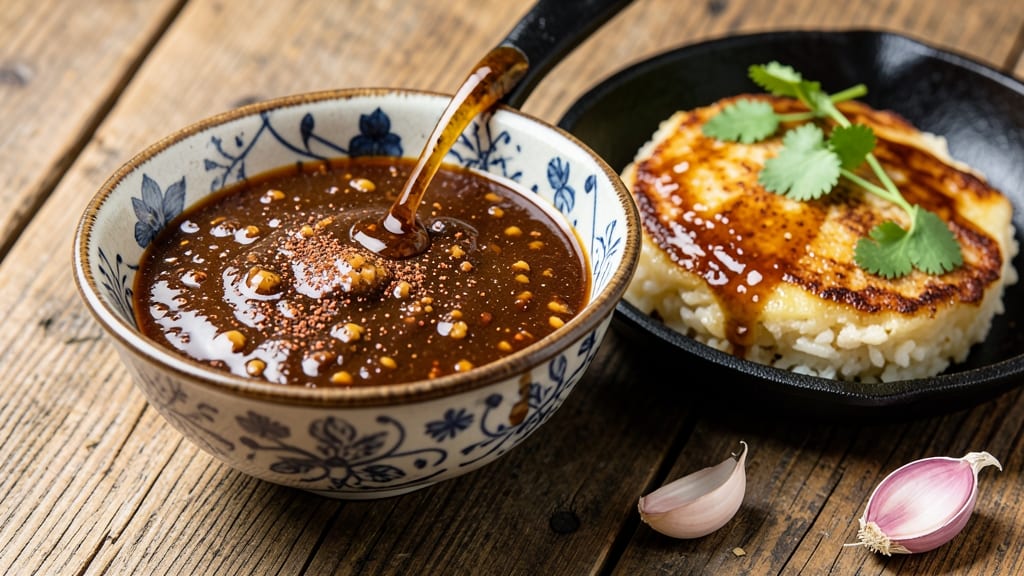
This Bibigo-inspired BBQ sauce delivers that signature smoky-sweet heat with fermented shrimp paste depth—perfect for glazing ribs or marinating grilled meats. The balance of tangy vinegar, rich molasses, and umami shrimp paste creates layers of flavor that cut through rich proteins while leaving a lingering finish.
What makes this recipe special is how it transforms simple pantry staples into a sauce with restaurant-quality complexity, using a slow simmer to develop those signature caramelized notes.
The foundation starts with a classic BBQ base—ketchup, apple cider vinegar, and brown sugar—but it’s the addition of fermented shrimp paste that elevates it to Bibigo territory.
This ingredient adds that signature umami punch and subtle heat that Korean BBQ sauces are known for, while smoked paprika and garlic powder deepen the smoky profile. The sauce thickens beautifully as it simmers, creating a glossy glaze that clings perfectly to grilled meats or fried foods.
What you’ll end up with is a versatile sauce that works as a marinade, glaze, or dipping sauce—intensely flavorful yet adaptable to your preferred level of heat. The key is letting it reduce slowly, which concentrates the flavors and creates that perfect balance of sweet, smoky, and spicy.
Once cooled, it keeps well in the refrigerator for up to two weeks, or you can can it for long-term storage.
Use it to glaze ribs, brush on grilled chicken, or drizzle over fries for an instant flavor upgrade. The sauce’s complexity makes it ideal for bold dishes where you want that signature Korean BBQ taste without the fuss of traditional preparation.
Here’s how to make it—simple, professional, and packed with flavor.
Ingredients for bibigo bbq sauce
Pantry staples meet Korean BBQ magic—just ten ingredients transform into a sauce with restaurant-quality depth.
| Ingredient | Amount | Notes |
|---|---|---|
| Ketchup 🍅 | 1 cup | High-quality, smooth variety |
| Apple Cider Vinegar 🍏 | ½ cup | Raw, unfiltered preferred |
| Brown Sugar 🍚 | ¾ cup | Light or dark, packed |
| Fermented Shrimp Paste (Aekjeot) 🦐 | 1 ½ tbsp | Korean brand preferred |
| Smoked Paprika 🌶️ | 1 ½ tbsp | High-quality for smoky depth |
| Garlic Powder 🧄 | 1 tbsp | Freshly ground preferred |
| Onion Powder 🧅 | 1 tsp | For aromatic base |
| Gochugaru (Korean Red Pepper Flakes) 🌶️ | 1 tbsp | Adjust for heat preference |
| Molasses 🍯 | ¼ cup | Unsulphured preferred |
| Soy Sauce 🍶 | ½ tbsp | Korean preferred for depth |
The fermented shrimp paste is non-negotiable here—it delivers that signature umami punch that sets Bibigo sauce apart. Korean brands like Jinchuan or Bonggwan are ideal, but any quality fermented shrimp paste will work. If you can't find it, anchovy paste at half the amount is a decent substitute, though it lacks the same depth. The smoked paprika should be high-quality—the difference between grocery store and gourmet is noticeable in the final sauce. For the vinegar, raw, unfiltered apple cider vinegar adds complexity that pasteurized versions miss. Most grocery stores carry these, but if you're feeling adventurous, Asian markets have better selections for the shrimp paste and gochugaru.
No fermented shrimp paste? Anchovy paste or even a dash of fish sauce can mimic the umami, though you'll lose some of that signature heat. The gochugaru is key for authentic heat—substitute cayenne at half the amount if needed, but you'll miss the fruity depth. For the molasses, unsulphured is preferred, but regular will work in a pinch. The soy sauce can be swapped for coconut aminos if you're avoiding soy, though it'll change the flavor profile slightly. Brown sugar can be replaced with white sugar plus a pinch of baking soda to mimic the molasses' depth, but it won't be identical. The ketchup should be smooth, not chunky—Heinz is a safe bet, but any good-quality brand works.
This sauce tastes even better the next day as the flavors meld. Store it in an airtight container in the fridge for up to 2 weeks, or freeze for 3 months. For long-term storage, sterilize jars and process in a water bath for 10 minutes—perfect for gifting. The sauce thickens as it cools, so don't worry if it looks too thin right after simmering. Always stir well before using, as the ingredients may settle. A splash of water or vinegar can thin it out if needed for glazing.
Why You'll Love This Recipe
- I’ll be real: this sauce comes together with stuff I already have. No fancy shopping trips—just ketchup, vinegar, and that little jar of fermented shrimp paste (yes, it’s the secret) that turns everything into something special.
- Pantry Magic: I’ll be real: this sauce comes together with stuff I already have. No fancy shopping trips—just ketchup, vinegar, and that little jar of fermented shrimp paste (yes, it’s the secret) that turns everything into something special.
- Umami Bomb: The aekjeot—don’t skip it—adds this deep, savory punch that cuts through the sweetness. Smoked paprika ties it all together with a hint of smokiness that makes you want to slather it on everything.
- Weeknight Hero: Slap this on grilled chicken, toss it with fries, or drizzle it over rice bowls—it’s my go-to when I’m too tired to think. Honestly, I’ve used it for breakfast burritos (don’t judge) and it still works.
Step-by-step instructions for Bibigo BBQ sauce
This smoky-sweet glaze delivers restaurant-quality depth with fermented shrimp paste's umami punch.
Combine Wet Ingredients in a Saucepan
In a medium saucepan over medium heat, pour in the 1 cup ketchup, 0.5 cup apple cider vinegar, and 0.25 cup molasses. Stir gently to incorporate, then bring to a gentle simmer. The molasses will darken the sauce immediately, giving it that rich, caramelized base you want in a proper bibigo glaze.
Let the mixture bubble away for 5 minutes until it thickens slightly and the raw vinegar tang mellows. You'll notice the sauce reducing and becoming glossy—this is where the foundation of your sauce develops. Keep the heat steady; you want controlled reduction, not rapid boiling that could burn the delicate flavors.
Add Dry Seasonings and Fermented Shrimp Paste
Reduce heat to low and whisk in the 0.75 cup brown sugar, 1.5 tbsp smoked paprika, 1 tbsp garlic powder, 1 tsp onion powder, and 1 tbsp gochugaru. The smoked paprika will immediately infuse the sauce with its characteristic smokiness, while the gochugaru adds subtle heat that builds as it cooks.
Here's where the magic happens: add the 1.5 tbsp fermented shrimp paste (aekjeot) and stir vigorously. The paste will dissolve into the sauce, contributing its signature funky, briny depth. You'll notice the sauce darken further and develop a more complex aroma—this is the umami bomb that makes bibigo sauce stand apart from regular BBQ sauces.
Simmer and Thicken the Sauce
Return the heat to medium-low and let the sauce simmer uncovered for 15-20 minutes, stirring occasionally. You're looking for a sauce that coats the back of a spoon but still flows smoothly. The sugar will caramelize further, deepening the flavor profile while the vinegar mellows out.
Watch the sauce carefully during this time—it should reduce by about 25% while maintaining a glossy sheen. If it thickens too quickly, add 1-2 tablespoons of water to maintain the right consistency. The sauce should be thick enough to glaze but still pourable, with a balance of sweet, smoky, and slightly spicy notes.
Finish with Soy Sauce and Adjust Seasoning
Remove the sauce from heat and stir in the 0.5 tbsp soy sauce. This final addition rounds out the flavors, adding a touch of saltiness that ties everything together. Taste the sauce and adjust seasoning if needed—you might want to add more brown sugar for sweetness, gochugaru for heat, or a splash of apple cider vinegar for tang.
Let the sauce cool slightly before transferring it to a clean jar. The flavors will continue developing as it cools, deepening that complex profile. This bibigo sauce will keep in the refrigerator for up to 3 weeks, making it perfect for batch cooking and future grilling sessions.
Pro Tips For Making Bibigo Bbq Sauce
- Simmer Low and Slow: This sauce isn’t a race—after adding the aekjeot, drop the heat to a bare simmer and let it work. I used to blast it, and the vinegar would just evaporate, leaving a bitter, concentrated mess. Keep it at a gentle bubble, and the flavors meld instead of fighting.
- Bloom the Aekjeot: Don’t just toss that shrimp paste in raw. Toast it in a dry pan for 30 seconds until it smells like the ocean meets a campfire—this deepens its umami. Then whisk it into the vinegar first, letting it dissolve for 2 minutes before adding the rest. Skipping this step leaves your sauce tasting flat and one-dimensional.
- Balance the Vinegar: Apple cider vinegar is sharp, and too much makes this sauce aggressive. Start with 2 tablespoons, taste, then adjust. If it’s biting, add a pinch of brown sugar or a splash of ketchup to round it out. I learned this the hard way after serving a batch that could’ve doubled as salad dressing.
- Skip the Pre-Mixed Ketchup: Store-bought ketchup is fine, but for richer flavor, use crushed tomatoes simmered with the vinegar first. Add a pinch of salt and let it reduce by half before mixing in the rest. It’s an extra 10 minutes, but the sauce tastes like it’s been simmering for hours—not just assembled.
Common mistakes when making your bibigo bbq sauce
Overcooking the Sauce
One of the biggest mistakes is letting the sauce boil too vigorously, which can burn the molasses and vinegar, creating a bitter, ashy flavor. I’ve ruined batches by keeping the heat too high—medium-low is key once you add the dry ingredients.
The goal is a slow reduction, not rapid evaporation. If you see the sauce splattering or darkening too quickly, immediately reduce the heat or move to a cooler burner. 🔥
Skipping the Fermented Shrimp Paste
The fermented shrimp paste (aekjeot) is non-negotiable for that signature Bibigo depth, but some cooks skip it or substitute incorrectly. If you can’t find it, anchovy paste at half the amount is a decent backup, but you’ll lose that funky umami complexity.
The paste adds a briny, slightly funky note that balances the sweetness—without it, your sauce will taste flat. I’ve tried making this sauce without it, and it’s like comparing a black-and-white photo to a full-color masterpiece.
Ignoring the Simmer Time
Rushing the 15-20 minute simmer is a common error. This step lets the flavors meld and the sugar caramelize properly. If you cut it short, the sauce will taste raw and unbalanced.
I once tried speeding it up to 10 minutes—big mistake. The sauce lacked depth and had a sharp, almost chemical aftertaste. Patience here is everything; let the sauce work its magic.
Using Low-Quality Ingredients
Cutting corners on ingredients like smoked paprika or apple cider vinegar can ruin the sauce. Store-bought paprika often tastes bland, and pasteurized vinegar lacks complexity. I’ve used Penzeys brand smoked paprika and Bragg’s raw vinegar for the best results.
The shrimp paste should also be fresh—old or moldy paste will make your sauce taste off. Invest in quality, and your sauce will shine.
Not Adjusting Seasoning Properly
Tasting the sauce before it cools is a rookie move. Flavors change dramatically as it sits—what tastes perfect hot might need more sugar or vinegar once cooled. Always let it cool 10-15 minutes before final adjustments.
I’ve had to add extra gochugaru or a splash of vinegar after cooling because the heat mellowed out too much. Taste twice: once hot, once cooled.
Storing Improperly
Leaving the sauce in a non-airtight container or at room temperature too long encourages mold growth. I’ve seen batches spoil within days because of this. Always transfer to a sterilized glass jar and refrigerate within 2 hours of cooking.
For long-term storage, canning is ideal—just process in a water bath for 10 minutes to kill bacteria. Label your jars with the date to track freshness.
Nutrition facts
Frequently asked questions
What's the secret to getting that authentic Bibigo sauce flavor?
The fermented shrimp paste (aekjeot) is non-negotiable—it delivers that signature umami depth and subtle funk. Pair it with smoked paprika for smokiness and gochugaru for authentic heat. The slow simmer lets these flavors meld into a complex, balanced sauce that tastes restaurant-quality.
Can I make this sauce without fermented shrimp paste?
Yes, but you'll lose some depth. Substitute with 1 tbsp anchovy paste or ½ tbsp fish sauce for umami, though the flavor won't be identical. For a vegetarian version, use ½ tbsp miso paste plus extra soy sauce, but expect a different profile—more savory than funky.
How spicy should the final sauce be?
The recipe uses 1 tbsp gochugaru for a mild-medium heat level—adjustable to taste. For extra kick, add ½ tsp more gochugaru or a pinch of cayenne. Remember, flavors intensify as the sauce cools, so start conservative and adjust after cooling 15 minutes.
What's the best way to use this sauce?
This versatile sauce works as a glaze for ribs, marinade for grilled meats, or dipping sauce for fries. For glazing, brush on during the last 5-10 minutes of cooking. For marinades, combine with 1 tbsp oil and let meats soak for 2-4 hours. The sauce's thickness makes it ideal for sticking to foods.
How long does homemade Bibigo sauce last?
Store in an airtight container in the fridge for up to 3 weeks, or freeze for 3 months. For canning, process jars in a water bath for 10 minutes—perfect for gifting. Label with dates to track freshness, as the sauce continues developing flavor over time.