
Sauces & Condiments
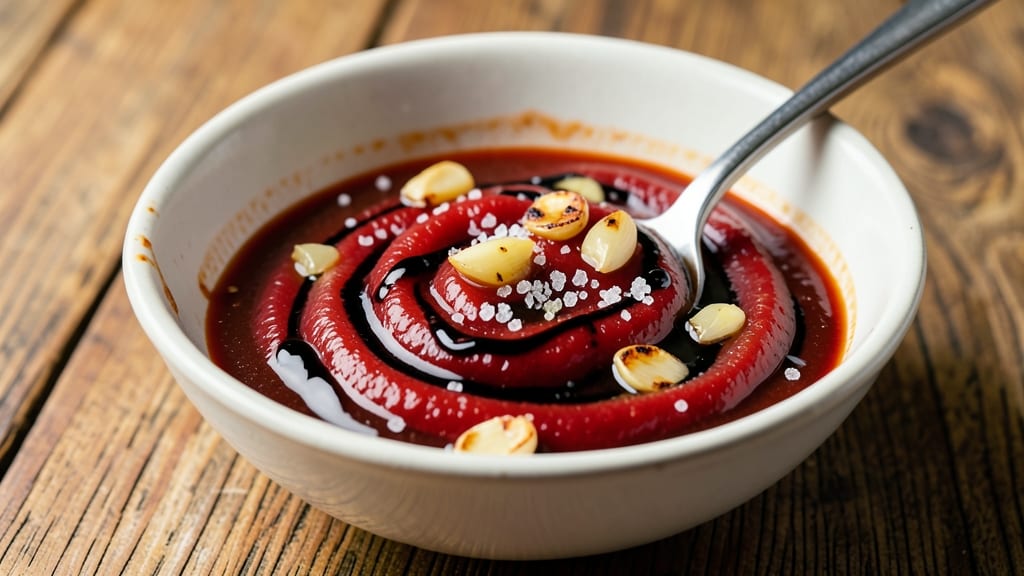
This diabetic BBQ sauce recipe delivers all the smoky, tangy flavor you crave without the sugar spike, making it perfect for grilling, glazing, or dipping. 🔥 The secret lies in using erythritol—a zero-calorie sweetener that mimics caramelization—paired with apple cider vinegar for depth and liquid smoke for that unmistakable barbecue taste.
I developed this after struggling to find a sauce that tasted authentic while fitting into a diabetic-friendly diet, and it’s now my go-to for everything from pulled pork to baked chicken wings.
The magic happens in the slow simmer, where the flavors meld into a rich, velvety sauce without cloying sweetness. Unlike store-bought versions, this recipe avoids artificial additives and hidden sugars, giving you full control over what goes into your food.
The smoky aroma alone will have everyone asking for seconds, but the real win is knowing it won’t send your blood sugar on a rollercoaster.
What you’ll end up with is a sugar-free BBQ sauce that’s bold, balanced, and versatile—great for marinating, basting, or serving as a dipping sauce. The texture is thick enough to cling to meats or ribs but still smooth enough to drizzle.
Best of all, it keeps well in the fridge for up to 2 weeks, so you can make a big batch and enjoy it all season long.
Whether you’re managing diabetes, cutting sugar, or simply craving a healthier take on classic BBQ flavors, this recipe delivers restaurant-quality taste without the guilt. Let’s get cooking—your taste buds (and blood sugar) will thank you.
Ingredients for diabetic bbq sauce
Nine simple ingredients transform into a smoky, tangy sauce that won't spike blood sugar.
| Ingredient | Amount | Notes |
|---|---|---|
| Erythritol 🍯 | ¾ cup | Zero-calorie sweetener, fine granular |
| Apple Cider Vinegar 🍏 | ½ cup | Raw, unfiltered preferred |
| Liquid Smoke 🔥 | 2 tbsp | Pure, no additives |
| Tomato Paste 🍅 | ½ cup | No sugar added |
| Yellow Onion 🧅 | 1 whole | Medium, finely diced |
| Garlic Cloves 🧄 | 4 cloves | Peeled, minced |
| Mustard 🥬 | 2 tbsp | Dijon, whole grain |
| Kosher Salt 🧂 | 1 ½ tsp | Diamond Crystal preferred |
| Black Pepper 🌶️ | 1 tsp | Freshly ground |
| Water 💧 | 1 cup | Filtered preferred |
Erythritol is the star here—buy the fine granular kind from Walmart or Trader Joe's for best results. It caramelizes like sugar but with zero calories. The apple cider vinegar? Raw, unfiltered has more depth—skip the pasteurized stuff. Liquid smoke can be tricky; look for pure, additive-free brands like Stubb's at specialty stores or online. Tomato paste is non-negotiable—no sugar added versions are everywhere now, even at Target. For the onion, yellow is best—it's sweeter and adds natural caramelization during cooking.
No erythritol? Monk fruit sweetener at 1:1 ratio works, but texture may differ slightly. Swap apple cider vinegar for white vinegar or balsamic vinegar in a pinch. Liquid smoke hard to find? Smoked paprika plus a pinch of cayenne mimics the smoky depth. The Dijon mustard adds tang—yellow mustard in a bind? Use it, but add a splash of vinegar to balance. Onion and garlic can be swapped for 1/2 cup onion powder and 1 tsp garlic powder, but fresh is always better. If your tomato paste has sugar, rinse it well under cold water before using.
This sauce keeps beautifully—2 weeks in the fridge or 6 months in the freezer. Store it in a glass jar with a tight seal to preserve those smoky flavors. Thin with water or broth if it gets too thick. I double the batch every time—one for the grill, one for the freezer. The flavor actually improves after a day or two as everything melds together. Perfect for meal prep—just reheat and drizzle.
Why You'll Love This Recipe
- Sweet Without Guilt: The erythritol keeps it sugar-free but still delivers that caramelized depth—no weird aftertaste, just pure smoky-sweet satisfaction. Honestly, my husband won’t even notice it’s diabetic-friendly unless I tell him.
- Smoky Kick in Minutes: That liquid smoke? It’s the secret weapon—just a splash transforms this into a tangy, smoldering sauce faster than you can dice an onion. (Yes, even on a Tuesday night.)
- Pantry Staple Magic: Apple cider vinegar and tomato paste are already in my fridge, so I’m always ready to toss this together. No last-minute grocery runs—just open, mix, and go.
- Leftovers That Last: A batch makes enough for ribs and chicken wings, and it keeps for weeks in the fridge. Between us, I’ve used this sauce to revive dry takeout chicken—absolute lifesaver.
Step-by-step instructions for sugar-free BBQ sauce
This smoky, tangy sauce delivers all the bold flavor without the sugar spike.
🍳 Step 1: Sauté Onion and Garlic Until Soft
Heat a medium saucepan over medium heat and add the finely diced yellow onion. Cook for 5-6 minutes, stirring occasionally, until the onion becomes translucent and just begins to soften. You'll know it's ready when it loses its raw bite and smells sweetly aromatic.
Add the minced garlic cloves and cook for another 30 seconds until fragrant—don't let it brown or it'll turn bitter. Here's the thing: garlic burns fast, so keep your eye on the pan. The onion and garlic form the flavor base for everything that follows, so take your time with this step.
🍳 Step 2: Build the Sauce Base with Tomato Paste
Reduce heat to low and stir in the tomato paste. Cook for 2-3 minutes, stirring constantly to prevent burning. The paste will darken slightly and thicken as it cooks—this is normal and adds depth of flavor. If it starts to stick, add 1 tablespoon of water to loosen it.
Next, add the apple cider vinegar and 2 tablespoons of mustard. Stir well and let the mixture simmer for 1 minute until the vinegar's sharpness mellows slightly. The mustard will help balance the acidity while adding that classic tangy kick. This is where the sauce starts to come together—watch for those flavors to meld.
🔥 Step 3: Add Sweetener and Liquid Smoke
Increase heat to medium-low and sprinkle in the erythritol while stirring continuously. Cook for 3-4 minutes until the sweetener dissolves completely. You'll notice the sauce starts to thicken slightly as the erythritol integrates. Here's where it gets good—this is the moment that matters for that perfect balance of sweetness without sugar.
Remove the pan from heat and let it cool for 2 minutes. Then stir in the liquid smoke and kosher salt. The smoke will give that unmistakable barbecue aroma, and the salt will enhance all the flavors. Taste and adjust seasoning—you might want to add more salt or vinegar to taste, but we're going for a balance of sweet, smoky, and tangy.
🥘 Step 4: Simmer and Thicken the Sauce
Return the pan to medium-low heat and add the 1 cup of water. Stir in the black pepper and bring to a gentle simmer. Let it cook uncovered for 10-12 minutes, stirring occasionally, until the sauce thickens to your desired consistency—it should coat the back of a spoon but still be pourable.
For a smoother sauce, use an immersion blender to blend until silky. If it's too thick, add 1-2 tablespoons of water at a time until it reaches the perfect consistency. The sauce should be glossy with a rich, smoky aroma that makes your mouth water. Real talk: this is where patience pays off—rushing will make it grainy or uneven.
⏰ Step 5: Cool and Store Properly
Remove from heat and let the sauce cool completely. Transfer to a clean glass jar and refrigerate for at least 4 hours (or overnight) to allow flavors to fully develop. The longer it sits, the better it tastes—this is especially important for the smoke flavor to meld with the other ingredients.
This sauce keeps for up to 2 weeks in the fridge, so make extra if you can. It's perfect for grilling, smoking, or even as a dip for veggies. The erythritol makes it safe for diabetic diets while delivering that classic BBQ flavor you love. Don't be afraid to experiment with heat levels—add cayenne or smoked paprika if you want extra kick!
Pro Tips For Making Diabetic Bbq Sauce
- Simmer Low and Slow: I used to rush this sauce on high heat, and it’d either burn or taste raw—especially with that erythritol, which can crystallize if you’re not careful. Keep it at a gentle simmer (around 180°F) for at least 20 minutes, stirring occasionally. The longer it cooks, the deeper the smoky-sweet flavor becomes, and the smoother the texture.
- Char the Onion First: Skip the raw onion in your sauce—it’ll just turn mushy and watery. Slice the onion, heat a dry pan over medium-high, and cook it until the edges are blackened and crispy (about 8-10 minutes). This adds a caramelized depth that balances the tartness of the apple cider vinegar and cuts through the sweetness.
- Dissolve Erythritol Properly: After burning two batches trying to mix erythritol into a cold sauce, I learned: heat the vinegar and tomato paste first until it’s steaming, then whisk in the erythritol. If it clumps, add a splash of water or a few drops of liquid smoke to break it down. Cold erythritol won’t dissolve—it’ll just sit there like tiny sugar crystals.
- Balance Liquid Smoke Early: Add half the liquid smoke upfront, taste it, then adjust. Too much too late, and your sauce will taste like a campfire disaster. I usually start with ½ teaspoon, let it simmer for 10 minutes, then add the rest. This gives the flavors time to meld instead of overwhelming the tomato base.
Essential equipment for great diabetic bbq sauce
Saucepan Essentials
Start with a medium-sized stainless steel saucepan—I use my All-Clad 3-quart because it heats evenly and prevents scorching. The flat bottom distributes heat perfectly for even caramelization of the erythritol.
If you don’t have stainless steel, a heavy-bottomed enameled cast iron like Le Creuset works beautifully too. Avoid nonstick pans—they can’t handle the prolonged simmering this sauce requires. 🔥
Blending Tools
For that ultra-smooth texture, an immersion blender is a game-changer. I recommend the Magic Bullet Immersion Blender—it’s affordable and handles thick sauces like this without splattering. If you prefer a traditional approach, a high-speed blender (like Vitamix) works too, but transfer the sauce carefully to avoid burns.
Just don’t skip blending—it makes the difference between a rustic sauce and a restaurant-quality one.
Measuring Tools
Precision matters with erythritol—use a kitchen scale for the 0.75 cup erythritol to avoid clumping. A digital scale (like OXO’s) ensures accuracy. For liquids, a liquid measuring cup with clear markings is essential for the apple cider vinegar and water.
A fine-mesh strainer also helps remove any onion or garlic bits if you prefer a silky-smooth finish. Trust me, these small tools make a big difference in consistency.
Storage Containers
Store your sauce in amber glass jars with tight-sealing lids—like the Ball Mason jars I use. Glass preserves the smoky flavor better than plastic and won’t absorb odors. Label the jar with the date and store it in the fridge for up to 2 weeks.
For longer storage, freeze in silicone molds or ice cube trays for portion control. Just thaw overnight in the fridge before using—no microwave reheating needed to preserve texture.
Optional Extras
Want to elevate your sauce further? A smoke gun (like the Masterbuilt Digital Electric Smoker) adds depth if you’re feeling fancy, but it’s not required. For heat lovers, keep cayenne pepper and smoked paprika on hand to adjust spice levels.
A fine-mesh sieve also helps strain out any unwanted bits if you’re serving it as a dipping sauce. These extras turn a good sauce into a showstopper. 💫
Nutrition facts
Frequently asked questions
Can I substitute erythritol with other sweeteners?
Yes! For a 1:1 ratio, try monk fruit sweetener or stevia drops (liquid form works best). If using granulated stevia, reduce by 25% since it's more potent. Avoid maltitol—it spikes blood sugar despite being sugar-free. Test small batches first to adjust flavor balance.
How do I make this sauce spicier?
Add ½ teaspoon cayenne pepper or 1 teaspoon smoked paprika during the final simmer. For extra heat, stir in 1 tablespoon hot sauce after cooling. Start with small amounts—you can always add more, but you can't remove excess spice!
Why does my sauce turn grainy?
Graininess usually means the erythritol didn't dissolve completely. Stir constantly during the 3-4 minute sweetener stage, and use medium-low heat to prevent scorching. For extra smoothness, blend with an immersion blender after cooling. If it still looks grainy, strain through a fine-mesh sieve.
Can I use this sauce on vegetables?
This sauce works perfectly on grilled zucchini, roasted Brussels sprouts, or baked sweet potatoes. The smoky-sweet flavor complements veggies beautifully. Just brush on lightly before roasting or use as a dipping sauce after cooking. It's especially great with eggplant or cauliflower "steaks."
How do I adjust the thickness?
Too thick? Thin with 1 tablespoon water at a time while reheating. Too thin? Simmer uncovered for 5-10 extra minutes to reduce. For immediate thickening, mix ½ teaspoon cornstarch with 1 tablespoon water, stir into the sauce, and simmer for 2 minutes until thickened.