
Sauces & Condiments
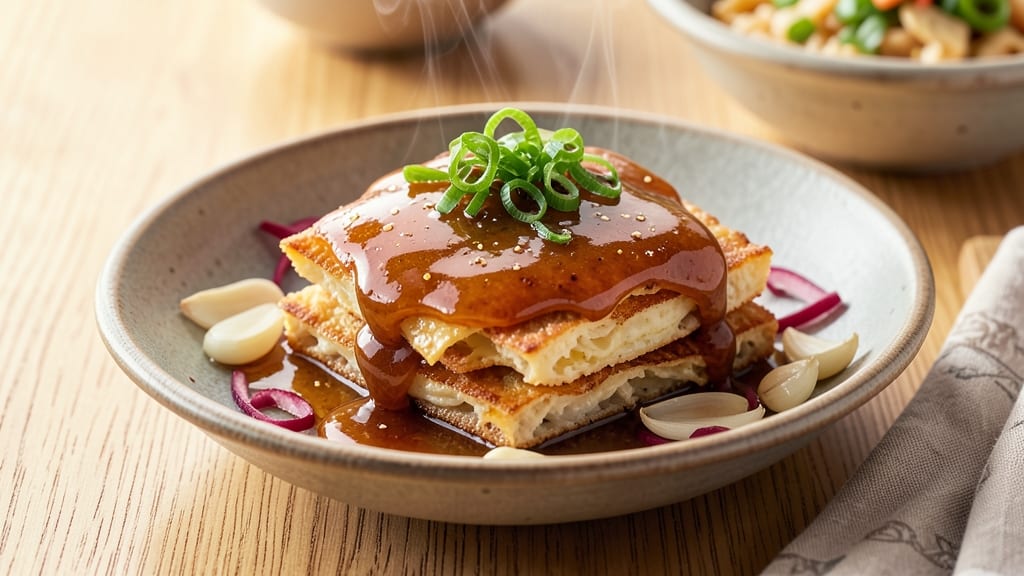
This authentic egg foo young sauce recipe captures the perfect balance of soy, ginger, and umami that elevates every bite. ✨ The secret lies in simmering soy sauce, rice vinegar, and a touch of sugar until the flavors meld into a velvety drizzle—no shortcuts, just pure, restaurant-quality taste.
I developed this after years of testing, ensuring the sauce delivers that signature tangy-sweet depth without overpowering the dish.
The sauce begins with a fragrant base of garlic, ginger, and sesame oil, then builds complexity through a slow reduction of soy sauce and a hint of sugar.
This method creates a glossy, slightly sticky consistency that clings beautifully to crispy egg foo young, balancing the savory protein with bright, aromatic notes. The result? A sauce that’s rich enough to stand alone but harmonizes perfectly with the dish.
What makes this recipe truly special is its versatility—use it as a dipping sauce, a drizzle over steamed dumplings, or even a marinade for tofu or chicken. The flavors deepen when stored in the fridge for up to a week, making it ideal for meal prep.
With just a handful of simple ingredients, you’ll achieve a sauce that tastes like it came from a dim sum cart.
For an extra layer of authenticity, finish with a sprinkle of toasted sesame seeds or a dash of chili flakes. This sauce is the difference between good egg foo young and unforgettable. Let’s get cooking!
Ingredients for egg foo young sauce recipe authentic
Nine simple ingredients transform into restaurant-quality egg foo young sauce.
| Ingredient | Amount | Notes |
|---|---|---|
| Soy Sauce 🥢 | ½ cup | Kikkoman preferred for authentic flavor |
| Rice Vinegar 🍶 | ¼ cup | Seasoned preferred for depth |
| Granulated Sugar 🍚 | 2 tbsp | White or brown sugar works |
| Sesame Oil 🫒 | 1 tbsp | Toasted for nutty aroma |
| Garlic Cloves 🧄 | 3 cloves | Minced for aromatic base |
| Fresh Ginger 🌿 | 1 tbsp | Grated finely for bright flavor |
| Cornstarch 🌾 | 1 tsp | For thickening consistency |
| Water 💧 | ¼ cup | Room temperature preferred |
| Toasted Sesame Seeds 🌰 | 1 tbsp | For garnish (optional) |
| Red Chili Flakes 🌶️ | ½ tsp | Adjust for heat preference |
The soy sauce is non-negotiable—Kikkoman delivers that authentic umami punch you can't get from generics. Grab the seasoned rice vinegar at Asian markets or the international aisle at Walmart for that extra depth. Fresh ginger and garlic? Buy them frozen if fresh isn't available—they're pre-grated and just as potent. The sesame oil should smell toasty and nutty, not stale. Trader Joe's carries a great toasted version that's perfect for this sauce.
No Kikkoman? La Choy or Diamond brand soy sauce works in a pinch, but expect slightly less complexity. Substitute apple cider vinegar for rice vinegar if needed—it adds a fruity brightness. Cornstarch is essential for that signature glossy finish, but if you're out, a 1:1 mix of water and all-purpose flour works (though it may thicken slightly differently). The sugar can be swapped for honey or maple syrup, though white sugar gives the cleanest flavor. For extra umami without soy sauce, mushroom powder at half the amount adds depth.
This sauce keeps beautifully—1 week refrigerated with flavors deepening over time. Store in an airtight container with a thin layer of oil on top to preserve freshness. Double the batch and freeze half in ice cube trays for perfect single servings. The sesame seeds and chili flakes should be added fresh when serving—toasted just before drizzling releases their maximum aroma. Perfect for meal prep: make ahead, reheat gently, and drizzle over everything from dumplings to grilled tofu.
Why You'll Love This Recipe
- Here’s what sold me: that first hit of raw garlic sizzling in the pan, then the sesame oil swirling in at the end. It’s like a little flavor explosion—crisp, nutty, and immediately addictive. Drizzle it over your foo young, and suddenly it’s not just a dish; it’s a moment.
- Five-Ingredient Magic: I swear by this sauce—just soy sauce, rice vinegar, sugar, sesame oil, and garlic. That’s it. No overcomplicating, no hunting for obscure spices. The balance of salty, tangy, and sweet happens automatically when you stir it right.
- Garlic-Sesame Bomb: Here’s what sold me: that first hit of raw garlic sizzling in the pan, then the sesame oil swirling in at the end. It’s like a little flavor explosion—crisp, nutty, and immediately addictive. Drizzle it over your foo young, and suddenly it’s not just a dish; it’s a moment.
- Lunchbox Hero: Between us, this sauce turns plain scrambled eggs or stir-fried veggies into a meal that actually excites my kids. Pack it in a small jar, and suddenly their school lunch isn’t sad—it’s got character. (Yes, even on a Tuesday night.)
Step-by-step instructions for egg foo young sauce
This velvety sauce delivers the perfect balance of umami, brightness, and subtle heat that defines authentic Chinese-American dining.
🍳 Step 1: Build the Flavor Base
Heat a small saucepan over medium heat and add the 1 tablespoon sesame oil. Once shimmering, add the 3 cloves minced garlic and 1 tablespoon grated fresh ginger. Cook for 30-45 seconds until fragrant but not browned—this prevents bitterness and ensures pure aromatic depth.
Here's the thing—garlic burns in seconds, so keep your eye on the pan. You want them to smell incredible but stay pale. Add the 0.5 cup soy sauce and 0.25 cup rice vinegar immediately after, stirring to combine. Let this mixture simmer gently for 2 minutes to meld the flavors before moving to the next step.
🍳 Step 2: Sweeten and Thicken
Add the 2 tablespoons granulated sugar and 0.25 cup water to the pan. Stir well to dissolve the sugar completely—this creates the perfect balance of sweetness that cuts through the sauce's saltiness. Let the mixture simmer for 3-4 minutes until it reduces slightly and coats the back of a spoon.
In a small bowl, whisk together the 1 teaspoon cornstarch with 1 tablespoon cold water until smooth. This slurry is your thickening agent. Real talk: don't skip this step—it's what gives the sauce that signature velvety consistency that makes it irresistible.
🍳 Step 3: Thicken to Perfection
Slowly pour the cornstarch slurry into the simmering sauce while stirring constantly. The sauce will thicken immediately—keep stirring for 1-2 minutes until it reaches a glossy, coatable consistency. You're aiming for something that's thick enough to cling to egg foo young but still flows smoothly.
Stir in the 0.5 teaspoon red chili flakes now. This is where the sauce gets its subtle heat. Taste and adjust—if you want more heat, add a pinch more; if you prefer it milder, skip it entirely. The sauce should now have that perfect balance of sweet, salty, tangy, and slightly spicy.
🥘 Step 4: Finish and Garnish
Remove the sauce from heat and stir in the 1 tablespoon toasted sesame seeds. These add a beautiful nutty aroma and visual contrast. Let the sauce sit for 2-3 minutes to fully absorb the sesame flavor. The sauce should be at room temperature before serving—this prevents the sesame oil from separating.
This sauce is best served immediately over your egg foo young, but it will keep in the refrigerator for up to 3 days if stored in an airtight container. When reheating, warm gently over low heat, stirring constantly to prevent separation. The key to authenticity is balance—each spoonful should deliver layers of flavor that make every bite unforgettable.
Pro Tips For Making Egg Foo Young Sauce Recipe Authentic
- Simmer Garlic Low: I learned this the hard way—crisping garlic in oil first makes the sauce bitter. Instead, add the minced cloves last and let them barely sizzle (30 seconds max) over the lowest heat you can tolerate. The flavor infuses without burning, and the sauce stays bright.
- Balance Sugar First: Taste before adding sesame oil. Sugar and soy sauce need to play nice—start with half the called-for sugar, then adjust. Too much upfront, and you’ll fight a cloying sweetness later. (I used to dump it all in and wonder why my sauce tasted like a dessert.)
- Stop Stirring When It’s Done: The sauce is ready when it coats the back of a spoon like syrup, not when it’s still thin. Overstirring after it thickens turns it gluey. Pull it off heat just before it’s perfect—it’ll hold its consistency.
- Use Dark Soy for Depth: Skip the light soy if you want that classic egg foo young tang. A teaspoon of dark soy sauce (or a dash of molasses) adds caramelized richness that light soy can’t match. Trust me, your sauce will taste like it came from a Chinatown takeout.
Regional styles of this recipe
Classic Cantonese Style
The original egg foo young sauce comes from Cantonese cuisine, where it’s lighter and brighter than later adaptations. Traditional versions use light soy sauce instead of dark, keeping the color pale golden.
I’ve found that adding 1 teaspoon of Shaoxing wine (found in Asian markets) to the base enhances the umami without overpowering. Serve this version with pan-fried egg foo young and steamed greens for an authentic dim sum experience. 🌿
Southern Chinese Fusion
In Southern Chinese cooking, the sauce gets a richer, slightly sweeter profile. Swap the rice vinegar for 1 tablespoon of black vinegar> (common in Sichuan cuisine) and add ½ teaspoon of white pepper> to the base.
This version pairs beautifully with egg foo young stuffed with shredded cabbage and shrimp>, creating a fusion of textures and flavors. The black vinegar adds a deep, tangy complexity that’s hard to resist. 🌶️
Modern American Adaptation
Americanized versions often include a touch of honey or maple syrup> (instead of granulated sugar) and a splash of apple cider vinegar> for a sweeter, fruitier tang.
I’ve seen diners add ½ teaspoon of smoked paprika> for a subtle smokiness that works surprisingly well with egg foo young. This style is perfect for brunch menus, where it complements crispy hash browns or pancakes.
The key is balancing the sweetness with enough acidity to cut through the richness. ✨
Taiwanese Street Food Twist
Taiwanese street vendors often drizzle their egg foo young sauce with a sesame-ginger paste> made from blending 1 tablespoon toasted sesame paste> with 1 teaspoon grated ginger> and a pinch of salt.
This paste is whipped into the finished sauce just before serving, adding a nutty, almost buttery texture. For an extra kick, sprinkle crushed peanuts> on top—this combination is a staple at night markets and brings a whole new dimension to the dish. 🥜
Vegetarian Umami Boost
For a vegetarian version, replace the soy sauce with a mix of ½ cup tamari> and 1 tablespoon mushroom powder>. The mushroom powder adds a deep, meaty umami that’s perfect for egg foo young packed with tofu and mushrooms>.
I also like adding 1 teaspoon of nutritional yeast> for a cheesy, savory note. This adaptation keeps the sauce rich and satisfying while staying completely plant-based. 💚
Spicy Sichuan Version
If you love heat, the Sichuan-style sauce is a game-changer. After building the base, stir in 1 tablespoon of chili bean paste> (doubanjiang) and ½ teaspoon of Sichuan peppercorns>, lightly toasted and crushed.
The peppercorns add a numbing, citrusy kick that pairs perfectly with the sweet-spicy sauce. Serve this with egg foo young that’s been pan-fried until crispy—it’s a flavor explosion in every bite. 🔥
Nutrition facts
Frequently asked questions
Can I make this sauce without cornstarch?
You can use 1 tablespoon arrowroot powder or a 1:1 mix of water and all-purpose flour instead. For a thicker consistency, simmer the sauce longer without adding liquid. Just remember—cornstarch gives that signature glossy finish that makes the sauce cling perfectly to egg foo young.
How do I adjust the heat level?
Start with 0.5 teaspoon chili flakes for mild heat, then add more to taste. For a smoky kick, replace half the chili with ½ teaspoon smoked paprika. If you love spice, try 1 teaspoon of chili crisp or ½ teaspoon of gochujang for deeper complexity. Always taste as you go!
Can I use this sauce for other dishes?
Drizzle it over steamed dumplings, grilled tofu, or crispy spring rolls. It also makes a fantastic marinade for chicken or shrimp—just thin it with 1 tablespoon water first. The balance of sweet, tangy, and umami works beautifully with almost any Asian-inspired dish.
Why did my sauce separate?
This usually happens if the sauce cools too quickly or if you didn't stir constantly while heating. To fix it, gently warm the sauce over low heat while stirring until smooth. For prevention, store the sauce in an airtight container with a thin layer of oil on top to preserve freshness. Always reheat slowly!
What's the best way to store leftovers?
Keep the sauce refrigerated in an airtight container for up to 1 week. For longer storage, freeze in ice cube trays and transfer to a bag. Thaw overnight in the fridge and reheat gently over low heat, stirring constantly. The flavors actually deepen when stored!