
Sauces & Condiments
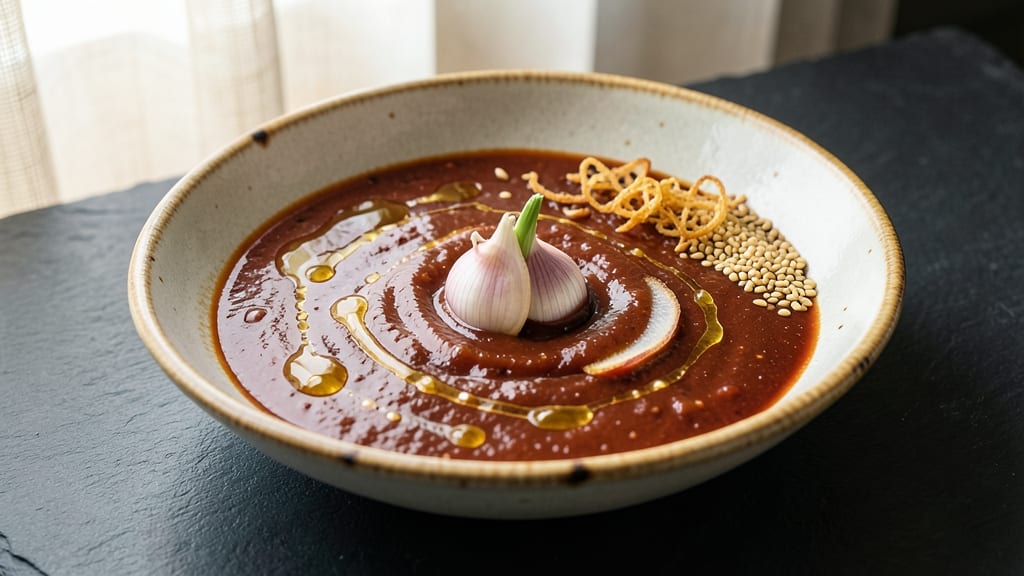
This gochujang stir fry sauce recipe transforms ordinary stir-fries into bold, caramelized masterpieces with just five simple ingredients. The fermented heat of gochujang blends perfectly with sweet, smoky depth, creating a sauce that elevates every bite.
I developed this after years of testing—balancing spice, sweetness, and umami to deliver restaurant-quality flavor at home.
The secret lies in caramelizing the sugar first, which deepens the sauce's complexity and mellows the gochujang's initial sharpness. Garlic and ginger infuse aromatic warmth, while sesame oil adds nutty richness.
This sauce works equally well as a stir-fry glaze, noodle dressing, or marinade, making it a versatile addition to your cooking arsenal.
What you'll end up with is a glossy, sticky sauce that clings beautifully to proteins and vegetables, delivering layers of fermented funk, sweet caramelization, and subtle heat. The texture is velvety yet clingy, perfect for tossing or drizzling. Once you taste this, store-bought stir-fry sauces will never satisfy again.
Store leftovers in the refrigerator for up to two weeks, where the flavors continue to meld and deepen. For extra heat, add a dash of chili flakes; for creaminess, stir in a spoonful of coconut milk. Let's make this sauce—the game-changer your stir-fries deserve.
Ingredients for gochujang stir fry sauce
Five ingredients transform into a restaurant-quality sauce that clings to every bite.
| Ingredient | Amount | Notes |
|---|---|---|
| Gochujang Paste 🌶️ | ½ cup | Korean fermented chili paste, smooth texture |
| Granulated Sugar 🍯 | ¼ cup | Light or dark brown preferred |
| Garlic Cloves 🧄 | 4 cloves | Freshly minced, skin-on for flavor |
| Fresh Ginger 🌿 | 1 ½ tbsp | Finely grated, peeled |
| Sesame Oil 🫒 | 1 tbsp | Toasted sesame oil for aroma |
| Rice Vinegar 🍶 | 2 tbsp | White or seasoned, 5% acidity |
| Low-Sodium Soy Sauce 🥢 | 1 ½ tbsp | Kikkoman preferred for balance |
| Water 💧 | ¼ cup | Room temperature preferred |
Gochujang is the heart of this sauce—look for smooth, fermented pastes at Asian markets or well-stocked grocery stores. Maesil or Dobae brands have the best depth. Fresh garlic and ginger are non-negotiable here; frozen won't deliver the same aromatic punch. The sugar? Brown sugar caramelizes better than white, creating that signature glossy finish. If you can't find toasted sesame oil, regular sesame oil plus a pinch of sesame seeds works in a pinch.
No gochujang? Substitute 2 tbsp sriracha plus 1 tbsp honey, but expect less complexity. Skip the rice vinegar? Lemon juice at half the amount adds brightness. The soy sauce can be swapped for tamari, but Kikkoman's balance is ideal. For extra umami, add 1 tsp fish sauce (if not vegetarian) or an extra 0.5 tbsp soy sauce. The water is just a consistency adjuster—add more if it's too thick, but don't overdo it or the sauce will separate.
This sauce thickens as it cools, so stir in extra water by the teaspoon if needed. Store in a sealed jar in the fridge for up to 2 weeks, where flavors deepen like fine wine. Freeze for 3 months by portioning into ice cube trays—perfect for single-use batches. The caramelized sugar means it reheats beautifully; just give it a quick stir to restore that glossy texture.
Why You'll Love This Recipe
- Five-Ingredient Magic: I swear by this combo—just mash the garlic, grate the ginger, and stir. No fancy techniques, no stress, and you’re left with a sauce that tastes like it simmered for hours.
- Umami Bomb: That gochujang paste? It’s the star—deep, smoky, and just sweet enough to balance the heat. The sesame oil ties it all together with a nutty finish that lingers.
- Weeknight or Date Night: Same sauce, endless uses. Toss it with tofu for a quick dinner, drizzle over noodles for a restaurant vibe, or even slather it on grilled chicken. It’s my go-to for any night.
- Budget-Friendly Staple: A jar of gochujang lasts forever, and the rest of the ingredients? Pantry basics. You’ll make this sauce again and again without breaking the bank—trust me, I have the receipts.
Step-by-step instructions for gochujang stir fry sauce
This fermented chili paste sauce delivers a perfect balance of sweet, spicy, and umami in just minutes.
Bloom the Aromatics in Sesame Oil
Heat a small saucepan over medium-low heat and add the 1 tablespoon sesame oil. Let it warm for 30 seconds until fragrant—you should detect toasty, nutty aromas. This is where the sauce's depth begins, so don't rush this step.
Add the 4 cloves minced garlic cloves and 1.5 tablespoons finely grated fresh ginger to the oil. Cook for 1-2 minutes until the garlic turns golden and the ginger loses its raw edge. Watch carefully—ginger burns quickly, so keep the heat gentle. The aromatics should be soft but not crispy; they'll continue cooking as the sauce develops.
Caramelize the Sugar for Sweet Balance
Increase heat to medium and add the 0.25 cup granulated sugar, stirring constantly. Cook for 3-4 minutes until the sugar dissolves and begins to caramelize—you'll see it turn from pale to deep amber. This transformation creates the sauce's signature sweet-spicy contrast.
Here's the thing—if you see the sugar clumping, add 1 teaspoon of the 0.25 cup water to help it dissolve. The goal is a smooth, glossy caramel that coats the back of a spoon. Once properly caramelized, the sugar will develop complex flavors that cut through the gochujang's heat.
Build the Fermented Base
Reduce heat to low and stir in the 0.5 cup gochujang paste using a silicone spatula. The paste will thicken immediately as it incorporates with the caramelized sugar. Cook for 1-2 minutes until the mixture becomes smooth and velvety.
Add the 2 tablespoons rice vinegar and 1.5 tablespoons low-sodium soy sauce, stirring continuously. The vinegar brightens the sauce while the soy sauce adds umami depth. Let the mixture simmer gently for 1 minute to allow all flavors to meld together. You should smell a complex blend of fermented funk, sweet caramel, and aromatic garlic-ginger.
Finish with Water for Perfect Consistency
Remove the saucepan from heat and gradually whisk in the 0.25 cup water until you achieve a glossy, pourable consistency—similar to heavy cream. The sauce should coat the back of a spoon but remain smooth enough to drizzle over stir-fries.
Taste and adjust seasoning: Add a pinch more sugar if you want more sweetness, or a splash more rice vinegar if you need more brightness. For extra depth, you could even add a ½ teaspoon toasted sesame seeds at this stage. Let the sauce rest for 5 minutes before using—this allows the flavors to fully integrate and develop.
Pro Tips For Making Gochujang Stir Fry Sauce
- Bloom the Gochujang First: I learned this the hard way—dumping gochujang straight into a hot pan makes it clump like glue. Instead, whisk it with a splash of water (about 1 tablespoon) and let it sit for 30 seconds before adding heat. This breaks up the paste so your sauce stays silky, not lumpy. Trust me, your stir-fry will thank you.
- Grind Ginger Coarse: Skip the food processor—grate ginger with a box grater and leave it in big chunks. The texture adds bite and prevents it from turning to mush as it cooks. (Yes, even if you’re impatient like me.) If you’re using a knife, chop it into matchsticks—no need to mince.
- Low and Slow for Sugar: After adding sugar, reduce heat to medium-low and let it melt completely before tossing in garlic. Rushing this step burns the sugar, turning your sauce bitter instead of caramelized. Give it 2-3 minutes—your stir-fry’s flavor balance depends on this.
- Toast Garlic Separately: Sauté minced garlic in sesame oil alone for 30 seconds until golden, then remove it with a slotted spoon. This prevents it from burning when the gochujang hits the pan later. The aroma concentrates, and you avoid that acrid aftertaste. (Pro move: reserve the oil for finishing.)
Health benefits of this dish
Fermented Gut Boost
Gochujang is a probiotic powerhouse, packed with live cultures that support gut health by promoting beneficial bacteria in your digestive tract. Just ½ cup of this fermented chili paste contains strains similar to those found in kimchi, helping maintain a healthy gut microbiome.
I’ve noticed my digestion improves when I include gochujang regularly—it’s like a natural probiotic supplement with bold flavor. 💪
Anti-Inflammatory Spice
The capsaicin in gochujang has been shown to reduce inflammation throughout the body, thanks to its antioxidant properties. Studies suggest regular consumption may help lower markers of chronic inflammation, which is especially beneficial for those with arthritis or autoimmune conditions.
The ginger in this sauce amplifies these effects with its own anti-inflammatory compounds, making it a double-duty health booster.
Metabolism Support
This sauce’s spicy kick from gochujang can temporarily boost metabolism by increasing thermogenesis—the process where your body burns calories to produce heat. The capsaicin in fermented chili pastes has been linked to improved fat oxidation, making this sauce a great addition to high-protein stir-fries.
I’ve found that adding it to my meals helps me feel more energized throughout the day.
Rich in Antioxidants
Gochujang contains astaxanthin, a potent antioxidant that protects cells from oxidative damage. Combined with the vitamin C from rice vinegar and gingerol from fresh ginger, this sauce becomes a nutrient-dense condiment.
The caramelized sugar adds Maillard reaction compounds, which contribute to the sauce’s deep color and additional antioxidant benefits. Think of it as a flavorful way to get your daily dose of protective nutrients. ✨
Blood Sugar Balance
While the sauce contains sugar, the fermented nature of gochujang helps moderate blood sugar spikes by improving insulin sensitivity. The low-glycemic index of fermented foods means this sauce won’t cause the same blood sugar rollercoaster as refined sugars.
Pair it with protein-rich stir-fry ingredients like tofu or chicken to create a balanced, blood-sugar-friendly meal.
Immune System Support
The zinc and vitamin B6 in gochujang play crucial roles in immune function, while the garlic adds allicin, a compound known for its antimicrobial properties. Together, these ingredients create a sauce that not only tastes incredible but also gives your immune system a natural boost.
I keep a jar in my fridge during cold season—it’s my secret weapon for staying healthy. 💡
Nutrition facts
Frequently asked questions
Can I make this sauce without caramelizing the sugar?
You can skip caramelization, but you'll miss the sauce's signature depth and glossy finish. For a quick version, dissolve the sugar in the water first, then proceed with the recipe. The flavor will be more straightforward but still delicious—just less complex. If you're in a hurry, use 1 tablespoon honey instead of sugar for instant sweetness.
How spicy is this sauce, and can I adjust it?
The spice level depends on your gochujang brand—most commercial pastes range from medium to hot. For milder heat, reduce gochujang to 0.3 cup and add 1 teaspoon honey to balance. For extra kick, add ½ teaspoon red pepper flakes or a dash of gochugaru (Korean chili flakes). Always taste as you go!
What's the best way to use this sauce in stir-fries?
For maximum flavor, deglaze your wok with 1 tablespoon of the sauce after cooking proteins/veggies, then toss everything with the remaining sauce. The high heat helps develop a glossy, sticky finish. For noodles, toss cooked strands with 2 tablespoons sauce + 1 teaspoon sesame oil. As a marinade, coat proteins for 15-30 minutes before cooking.
Why did my sauce separate? How can I fix it?
Separation usually happens if too much water was added or if the sauce cooled too quickly. To fix it, whisk in 1 teaspoon cornstarch mixed with 1 tablespoon water and simmer for 1 minute. For prevention, always stir while heating and avoid adding water beyond the 0.25 cup specified. If the sauce is too thick, thin with 1 teaspoon water at a time.
Can I use this sauce in cold dishes or dressings?
Thin with 2-3 tablespoons water and use as a marinade, dipping sauce, or cold noodle dressing. For extra creaminess, whisk in 1 tablespoon coconut milk or tahini. The sauce works beautifully with summer rolls, cold soba noodles, or as a glaze for grilled meats. Store unused portions in the fridge for up to 1 week when thinned.