
Sauces & Condiments
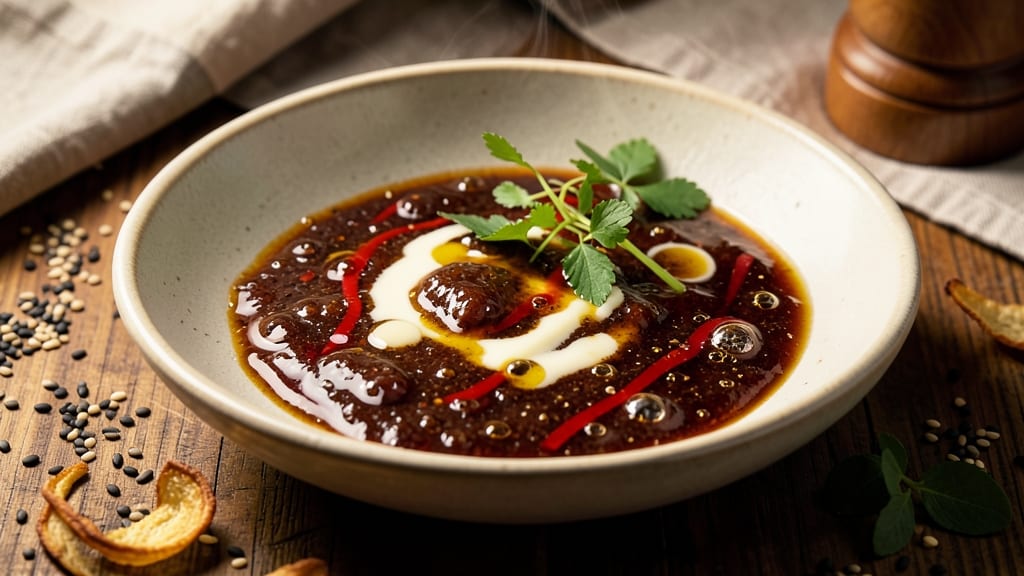
This gyu kaku sauce recipe transforms ordinary grilled beef into a restaurant-worthy masterpiece with its perfect balance of smoky, sweet, and umami-rich flavors. 🔥 I developed this sauce after years of perfecting Japanese-style glaze techniques—it's the secret weapon behind those glossy, caramelized beef dishes that always disappear first at izakayas.
The foundation of great gyu kaku sauce lies in its precise ingredient ratios: a blend of soy sauce, mirin, and vinegar creates that signature tangy-sweet profile, while a touch of honey or sugar adds depth.
The sauce builds flavor through gentle simmering, allowing all the components to meld together into a velvety glaze that clings beautifully to meat or noodles.
What makes this sauce truly special is its versatility—it elevates everything from perfectly grilled beef cuts to stir-fried noodles and even fried chicken. The sauce's rich, caramelized texture comes from careful reduction, creating layers of flavor that build with every bite while maintaining that essential balance between sweetness and umami.
Once you've mastered this recipe, you'll never buy store-bought versions again. The sauce keeps well in the refrigerator for up to two weeks, making it perfect for meal prep or entertaining. Let's create this flavor-packed essential that will become your go-to glaze for all things beef.
Ingredients for gyu kaku sauce
Eight essential ingredients blend into the ultimate Japanese glaze for beef lovers.
| Ingredient | Amount | Notes |
|---|---|---|
| Japanese Soy Sauce 🥢 | ½ cup | High-quality, reduced for depth |
| Mirin 🍶 | ¼ cup | Sweet cooking wine, not dry |
| Rice Vinegar 🍶 | ¼ cup | Seasoned variety preferred |
| Dark Brown Sugar 🍚 | ¼ cup | Packed, not granulated |
| Honey 🍯 | 2 tbsp | Wildflower or clover preferred |
| Sesame Oil 🌿 | 1 tbsp | Toasted, not flavored |
| Garlic Cloves 🧄 | 3 cloves | Minced, fresh preferred |
| Fresh Ginger 🌿 | 1 tbsp | Grated, peeled |
| Dried Red Chili Flakes 🌶️ | ½ tsp | Adjust for heat preference |
| Salt 🧂 | ½ tsp | Kosher or sea salt |
The Japanese ingredients here make all the difference—mirin and soy sauce are non-negotiable. Grab Kikkoman soy sauce or Hajime mirin from an Asian market if you can, but the grocery store versions work fine. Dark brown sugar adds that caramelized depth, so don't substitute with white sugar. Fresh ginger and garlic should be vibrant, not woody or dried out. For sesame oil, Kadoya is my go-to brand—it's worth the splurge for that authentic toasted flavor.
No mirin? Dry sherry plus 1 tsp sugar gets you close. Running low on brown sugar? Maple syrup at half the amount works in a pinch. The chili flakes can be swapped for gochujang at 1 tbsp for extra umami kick. If you're avoiding honey, agave nectar works 1:1. The garlic and ginger can be pre-minced from the store if you're short on time—just add a pinch extra salt to compensate for the lack of freshness.
This sauce gets better with time—let it sit for at least 30 minutes before using to let flavors meld. Keeps in the fridge for 2 weeks in an airtight jar. For longer storage, freeze in ice cube trays—just thaw and stir. The sauce thickens as it cools, so add a splash of water if needed. Trust me, you'll want to make extra—it disappears fast.
Why You'll Love This Recipe
- Pantry Magic: I swear by this sauce because it lives in my fridge already—just soy sauce, mirin, vinegar, and a splash of honey. No special trips, no waiting for ingredients to arrive.
- Sweet-Savory Balance: That honey and brown sugar combo? It’s the secret weapon—caramelized richness that cuts through the umami bomb of soy sauce. One taste and you’ll understand why it’s my go-to glaze.
- Dresses Up Anything: Slather it on grilled chicken, drizzle over rice bowls, or toss with noodles. Even my picky teenage nephew asks for seconds when I serve it with his favorite takeout-style dishes.
- Leftovers That Don’t Quit: Make a double batch—this sauce keeps for weeks in the fridge and only gets better as flavors meld. I’ve used the same jar for three different meals, and it’s still the star.
Step-by-step instructions for gyu kaku sauce
This smoky-sweet glaze transforms simple grilled beef into restaurant-worthy perfection.
🍳 Step 1: Bloom the Aromatics in Toasted Sesame Oil
Heat a small saucepan over medium-low heat and add the 1 tablespoon sesame oil. Let it warm for 30 seconds until shimmering but not smoking—this releases its nutty aroma. Add the 3 cloves minced garlic and 1 tablespoon grated fresh ginger, stirring constantly for 1 minute until fragrant.
Watch closely—garlic burns quickly. You'll know it's ready when the mixture smells intensely aromatic and the garlic turns golden around the edges. Remove from heat immediately after this step to preserve the delicate flavors. This aromatic base forms the flavor foundation of your sauce.
🔥 Step 2: Combine Wet Ingredients and Simmer
Return the pan to medium heat and add the 0.5 cup Japanese soy sauce, 0.25 cup mirin, and 0.25 cup rice vinegar. Stir to combine, then increase heat to medium-high and bring to a gentle boil. Once boiling, reduce heat to medium-low and let it simmer uncovered for 5-6 minutes until slightly reduced by about ¼ cup.
Here's the thing—you want the sauce to concentrate slightly but not caramelize. You'll see the liquid reduce and the surface develop a subtle sheen. This reduction deepens the umami flavors and balances the sweetness we'll add next. Keep stirring occasionally to prevent sticking.
🍯 Step 3: Add Sweetness and Seasoning
In a small bowl, whisk together the 0.25 cup packed dark brown sugar, 2 tablespoons honey, 0.5 teaspoon salt, and 0.5 teaspoon dried red chili flakes. Slowly pour this mixture into the simmering sauce while whisking continuously. Return to medium heat and cook for another 3-4 minutes until the sugar and honey dissolve completely.
The sauce should now have a glossy, syrupy consistency with a beautiful caramel color. Taste and adjust seasoning—if it needs more salt, add a pinch more of the 0.5 teaspoon salt we reserved. The chili flakes should add just a hint of heat without overpowering the sweet-savory balance. This is where the sauce comes together as a cohesive glaze.
⏰ Step 4: Finish and Strain for Silky Texture
Remove from heat and let the sauce cool slightly for 2 minutes. Then, strain it through a fine-mesh sieve into a clean bowl to remove any ginger or garlic bits. This gives you that silky, restaurant-quality texture that coats beef perfectly.
For best results, let the sauce cool completely before using it on hot beef. The flavors will meld even more as it sits. You can store it in an airtight container in the refrigerator for up to 2 weeks, or freeze it for up to 3 months. When ready to use, simply reheat gently over low heat until warmed through—no need to reduce further.
Pro Tips For Making Gyu Kaku Sauce
- Simmer Slow and Steady: I learned this the hard way—when I rushed the reduction, the sauce turned bitter and cloying. Keep the heat at a gentle simmer (around medium-low) and let it bubble away for at least 15-20 minutes. You’re not making candy; you’re building depth, so patience here makes all the difference.
- Strain the Sugar: That dark brown sugar has grit, and nothing ruins a smooth sauce faster than a mouthful of sand. After dissolving it in the vinegar, strain it through a fine-mesh sieve before combining with the rest. Yes, it’s an extra step, but your sauce will taste like it came from a professional kitchen.
- Balance the Sweet and Sour: I used to eyeball the honey-to-vinegar ratio, and the sauce always ended up either too sharp or too cloying. For every 2 tablespoons of rice vinegar, use 1 tablespoon of honey—this keeps the flavors in harmony without overpowering the soy’s umami. Taste as you go; you can always add more vinegar, but you can’t take it out.
- Use Real Mirin, Not Substitutes: The cheap "cooking mirin" lacks the depth and sweetness that make this sauce sing. If you’re using real mirin (the kind with actual alcohol and sweetness), reduce it by half before adding it to the sauce—this concentrates its flavor without making the sauce too thin. (And yes, it’s worth the splurge.)
Serving suggestions for gyu kaku sauce
Grilled Beef Pairings
This gyu kaku sauce shines brightest on perfectly grilled ribeye or sirloin steaks—I love searing them in a cast-iron skillet first, then finishing on the grill. For extra authenticity, try it on yakitori-style chicken skewers or even beef short ribs slow-cooked until tender.
The sauce's sticky-sweet profile clings beautifully to charred surfaces, creating that irresistible caramelized crust. 🔥
Noodle Toppings
Transform simple ramen or udon noodles into a restaurant-worthy bowl by tossing them with this sauce after cooking. I like to add a splash of the sauce to the hot noodles, then top with soft-boiled eggs, shredded cabbage, and sesame seeds.
For a Boston twist, swap the cabbage for sautéed kale—my Nonna would approve of this fusion. The sauce's umami depth elevates even the most basic noodle dish.
Dipping Sauce
Use this as a dipping sauce for tonkatsu or fried chicken—it's a game-changer for crispy textures. I like to serve it warm in a small bowl with chopsticks or a small spoon for dipping.
For extra flair, sprinkle toasted sesame seeds on top right before serving. The sauce's balance of sweet, tangy, and smoky flavors cuts through fried foods perfectly, making every bite more satisfying. 💫
Rice Bowl Upgrade
Drizzle this sauce over steamed Japanese short-grain rice for an instant flavor boost. Add your choice of protein—grilled salmon, chicken thigh, or even tofu—and top with quick-pickled cucumbers and green onions.
This becomes my go-to weeknight meal when I'm craving something comforting but still packed with flavor. The sauce's versatility makes it perfect for rice bowls.
Marinade Option
Use half of this sauce as a marinade for beef or chicken before grilling—just brush on the remaining half after cooking. The marinade infuses the meat with incredible depth, while the finishing sauce creates that glossy, caramelized crust.
I've used this technique for beef skewers and even grilled shrimp with fantastic results. Let the meat marinate for at least 30 minutes for best flavor penetration.
Breakfast Twist
Yes, you read that right—this sauce is amazing on breakfast dishes too! Try it drizzled over scrambled eggs with crispy bacon or even as a glaze for grilled cheese sandwiches. The sweet-savory combo works surprisingly well with breakfast foods, especially when paired with sharp cheddar and crispy prosciutto.
It's a fun way to use up leftover sauce when you've already made a big batch. 💡
Nutrition facts
Frequently asked questions about gyu kaku sauce
What's the difference between gyu kaku sauce and tonkatsu sauce?
While both are Japanese sauces, gyu kaku sauce is sweeter and more complex, featuring a blend of mirin, brown sugar, and honey for that caramelized depth. Tonkatsu sauce is simpler—just a mix of worcestershire sauce, ketchup, and honey—with a more tangy, less umami profile. Gyu kaku sauce works better for grilled meats and noodles, while tonkatsu sauce is perfect for fried chicken or pork cutlets.
Can I make this sauce without mirin?
If you don't have mirin, substitute with dry sherry plus 1 teaspoon sugar for every 0.25 cup called for. The alcohol content in mirin adds depth, but sherry works well in a pinch. For an even simpler swap, use 1 tablespoon rice vinegar plus 1 teaspoon sugar. Just remember, the sauce might be slightly less glossy but still delicious.
How do I adjust the sweetness level?
If you prefer less sweetness, reduce the brown sugar and honey by 1 tablespoon each and add 1 extra teaspoon of soy sauce to balance the flavors. For more sweetness, increase the honey by 1 teaspoon at a time until you reach your preferred level. Taste as you go—this sauce is all about finding that perfect balance between sweet and savory.
Can I use this sauce as a marinade?
Yes! Use half of the sauce as a marinade for beef or chicken before grilling, then brush on the remaining half after cooking. For best results, let the meat marinate for at least 30 minutes (or up to 4 hours for deeper flavor). The sauce's umami-rich ingredients will tenderize the meat while adding incredible depth. Just don't over-marinate—beef can get mushy if left too long.
Why did my sauce turn out too thin?
This usually happens if you didn't reduce the sauce enough during simmering. For a thicker consistency, simmer the sauce uncovered for an extra 2-3 minutes until it reaches your desired thickness. If it's already too thin, mix in 1 teaspoon cornstarch with 1 tablespoon water, stir it in, and simmer for another 1 minute. Avoid adding too much at once—you can always thicken it further if needed.