
Sauces & Condiments
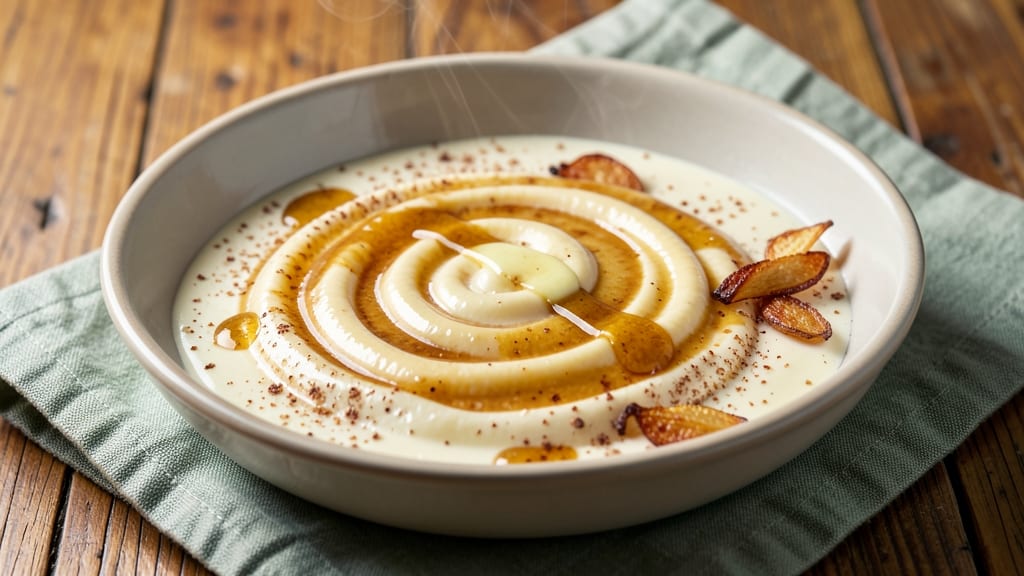
This Kraft cheese sauce recipe transforms processed cheese into velvety perfection—no lumps, no fuss, just creamy magic in minutes. 💛 I remember my grandmother making something similar, though her version required constant stirring to avoid clumps.
This method eliminates that struggle entirely, delivering a smooth sauce that clings beautifully to pasta, dips, or grilled meats.
The secret lies in the right ratio of cheese to milk and a touch of cornstarch for thickening. You'll start with shredded Kraft cheese (or similar processed cheese) melted over medium heat, then whisk in milk and cornstarch until it reaches that signature velvety consistency.
The sauce should coat the back of a spoon, ready to elevate any dish without overpowering flavors.
What makes this sauce truly special is its versatility—use it as a mac and cheese base, a dip for veggies or fries, or even a topping for baked potatoes. The sauce keeps well in the refrigerator for up to 5 days, making it perfect for meal prep.
Just reheat gently on the stove, stirring constantly to maintain that creamy texture.
For extra flavor, consider adding a pinch of garlic powder, onion powder, or a dash of mustard powder. These simple additions take the sauce from basic to restaurant-quality without complicating the process. Let's get started—this sauce is about to become your new kitchen staple.
Ingredients for kraft cheese sauce
Nine ingredients transform basic Kraft cheese into velvety perfection—no lumps, just creamy magic.
| Ingredient | Amount | Notes |
|---|---|---|
| Kraft Singles Processed Cheese 🧀 | 16 oz | Shredded, pre-shredded works fine |
| Whole Milk 🥛 | 1 ½ cups | 2% or whole for creaminess |
| Cornstarch 🌾 | 1 tbsp | For silky texture, not flour |
| Butter 🧈 | 2 tbsp | Unsalted preferred for flavor control |
| Garlic Powder 🧄 | ½ tsp | Optional for extra flavor |
| Onion Powder 🧅 | ½ tsp | Optional depth enhancer |
| Mustard Powder 🌶️ | ¼ tsp | For subtle tang, optional |
| Salt 🧂 | ¼ tsp | Adjust to taste, kosher preferred |
| Black Pepper 🌶️ | ⅛ tsp | Freshly ground for best flavor |
The Kraft Singles are the star here, so grab the big block—those little orange bags of pre-shredded cheese work, but they get gummy. Walmart or Kroger always have the big blocks on sale, and they last forever in the fridge. The milk matters too—whole or 2% gives the best creaminess. I keep a gallon of Great Value whole milk on hand for this exact reason. Cornstarch is your secret weapon for that restaurant-quality smoothness—don't substitute flour, trust me on this. The butter adds richness, so use unsalted if you're adding extra salt later.
No cornstarch? Arrowroot powder at the same amount works just as well. Short on milk? Heavy cream at half the quantity gives you that ultra-rich texture. The powders are totally optional but make a world of difference—garlic and onion powders add depth, mustard powder gives a subtle tang. Want to skip them? No problem—just add a pinch more salt. The sauce works with any processed cheese, but Kraft Singles give the best melt. Velveeta works too, though it's a bit more expensive. Pre-shredded cheese? Use it, but don't overfill the measuring cup—it packs differently than blocks.
This sauce keeps beautifully—5 days in the fridge sealed in an airtight container. For longer storage, freeze portions in ice cube trays—6 months and they thaw perfectly. Reheat gently on low heat, stirring constantly to avoid lumps. I always make extra because it disappears fast—mac and cheese, baked potatoes, or veggie dips all become instant crowd-pleasers. The sauce thickens as it cools, so add a splash of milk if it gets too thick when reheating.
Why You'll Love This Recipe
- Five-Ingredient Magic: I swear, this sauce is the kind of recipe where you look at the list and think, "How can this be good?"—then taste it and realize you’ve been missing out. The Kraft Singles melt into something richer than you’d expect, and that little pinch of garlic powder? Total game-changer for just a few seconds of work.
- One-Pot Wonder: No blender, no fuss—just a saucepan, a whisk, and 15 minutes of your time. The cornstarch slurry thickens it smoothly (no lumps, I promise), and the butter at the end? That’s when it gets good—creamy, velvety, and ready to coat whatever you’re craving.
- Mac Attack Ready: Between us, this sauce is my go-to for mac and cheese, but it’s also the secret weapon in my loaded baked potato game or as a dip for veggie sticks when the kids are being picky. Honestly, I’ve even drizzled it over grilled cheese sandwiches—don’t judge.
- Budget-Friendly Leftovers: A block of Kraft, a splash of milk, and a handful of pantry staples cost less than takeout, and the leftovers? They keep for days in the fridge (or freeze beautifully). My college self would’ve cried happy tears over this—my current self just stashes extra in the freezer for lazy nights.
Step-by-step instructions for Kraft cheese sauce
Here's how to make the creamiest, clump-free cheese sauce that's ready in minutes.
🍳 Step 1: Melt Butter and Mix Dry Ingredients
In a medium saucepan, melt the 2 tbsp Butter over medium heat. Once the butter has fully melted and is foaming gently, reduce the heat to low—this prevents burning while we build the sauce base. In a small bowl, whisk together the 1 tbsp Cornstarch, 0.5 tsp Garlic Powder, 0.5 tsp Onion Powder, 0.25 tsp Mustard Powder, 0.25 tsp Salt, and 0.125 tsp Black Pepper. This dry blend is your secret weapon for that velvety texture.
Here's the thing—cornstarch is key. It creates that silky consistency instead of the grainy texture you'd get with flour. Don't skip this step, even if it seems like overkill. Trust me, your sauce will thank you later.
🥘 Step 2: Gradually Add Milk and Cheese
Slowly pour in the 1.5 cups Whole Milk while whisking constantly. You want to avoid lumps at all costs, so go slow—about ¼ cup at a time—letting each addition blend completely before adding more. After the milk is fully incorporated, sprinkle in the 16 oz Kraft Singles Processed Cheese all at once. Stir continuously until the cheese is completely melted and the mixture reaches a smooth, creamy consistency.
This is where patience pays off. If you see any cheese clumps forming, don't panic—just keep stirring vigorously for another 30 seconds to 1 minute. The heat from the pan will work with your whisking to break up any resistance. You'll know you're on the right track when the sauce begins to thicken slightly and coat the back of a spoon.
⏰ Step 3: Simmer to Perfect Thickness
Continue cooking on low heat for 3-5 minutes, stirring frequently, until the sauce reaches your desired thickness. It should coat the back of a spoon but still be pourable—not so thick it resembles glue. Here's your sensory checkpoint: when you lift the spoon, the sauce should leave a smooth, even trail that doesn't break or separate. If it's too thick, whisk in 1-2 tablespoons of hot milk to loosen it.
Real talk: don't walk away. This sauce thickens fast once it starts to come together. Every 30 seconds after the initial 3 minutes, give it a quick stir to prevent sticking or burning at the bottom. You're aiming for that restaurant-quality consistency where it's creamy but not heavy.
🍽️ Step 4: Finish and Serve Immediately
Once your sauce reaches that perfect thick, velvety texture, remove it from heat immediately. The residual heat will keep it warm while you serve, but it's crucial to take it off the stove at the right moment—any longer and it can start to separate. Taste and adjust seasoning if needed, adding a pinch more salt or black pepper if desired. The sauce should be rich, slightly tangy from the mustard powder, and perfectly seasoned.
Serve your cheese sauce immediately over mac and cheese, hot dogs, broccoli, or grilled cheese sandwiches. The sauce will thicken slightly more as it sits, so don't wait too long before serving. If you need to reheat leftovers, do so over low heat while stirring constantly to prevent clumping. Store any unused sauce in an airtight container in the fridge for up to 5 days, or freeze for up to 3 months. Just add a splash of milk when reheating to restore that creamy texture.
Pro Tips For Making Kraft Cheese Sauce
- Shred First, Then Melt: Cut those Kraft Singles into tiny, even pieces before melting—think rice-sized, not matchsticks. I learned this the hard way after ending up with clumps that looked like melted cheese lava. Smaller pieces melt faster and smoother, so your sauce won’t have texture surprises.
- Whisk the Cornstarch: Mix that cornstarch with cold milk first—no lumps, ever. I used to just toss it in dry, and half the time, I’d end up with a gluey mess instead of a silky sauce. A quick whisk with cold milk before adding to the pot guarantees a smooth finish.
- Low and Slow Wins: Once the cheese starts melting, drop the heat to medium-low. I’ve burned more cheese sauces than I’ll admit by keeping it too hot, and the result? A sad, grainy, slightly burnt disaster. Let it simmer gently—it’ll thicken without fighting you.
- Butter Last, Not First: Add the butter at the very end, just as the sauce finishes. Stirring it in too early can make the sauce split or turn greasy. A pat of butter at the end gives that rich, velvety finish—like a hug for your taste buds.
Best sauces and condiments for this kraft cheese sauce
Mac and Cheese Base
This sauce transforms into the ultimate mac and cheese when paired with elbow pasta and a sprinkle of breadcrumbs. Cook 12 oz elbow macaroni according to package instructions, then drain and mix directly in the saucepan with the warm cheese sauce.
For extra richness, stir in ½ cup shredded cheddar cheese at the end. Top with 2 tbsp butter-flavored breadcrumbs and broil for 2-3 minutes until golden. My Boston family would fight over this version—it’s the one I still make for Thanksgiving leftovers. 🧀
Nacho Dip Perfection
Turn your cheese sauce into a crowd-pleasing nacho dip by mixing in ½ cup sour cream and ¼ cup chopped green onions after removing from heat. Serve warm with tortilla chips, jalapeños, and sliced black olives. For a smoky twist, add ½ tsp smoked paprika while cooking.
I first tried this at a neighborhood block party in Somerville—it disappeared in 15 minutes. The secret? Keep the sauce warm in a slow cooker on low heat all night. 🌶️
Baked Potato Topping
Baked potatoes become a gourmet side when smothered with this sauce. Cut open a medium russet potato baked at 400°F for 60 minutes, then spoon over ½ cup cheese sauce. Top with 2 tbsp crumbled bacon and a sprinkle of chives.
The sauce’s creamy texture clings perfectly, and the mustard powder adds just enough tang to cut through the richness. I learned this trick from my grandmother—she called it "Irish comfort food." ⚡
Grilled Cheese Upgrade
Elevate your grilled cheese by spreading 2 tbsp cheese sauce between two slices of sourdough bread with 2 slices American cheese. Cook in a buttered skillet over medium heat for 3-4 minutes per side until golden and melty.
The sauce adds an extra layer of creaminess that kids (and adults) go crazy for. For a grown-up version, add thinly sliced tomato and provolone cheese. This became my go-to lunch after moving into my first apartment. 🥪
Broccoli and Cheese
Steamed broccoli florets become a comfort food classic when tossed in this sauce. Blanch 2 cups broccoli for 3 minutes, then drain and mix with 1 cup cheese sauce in a skillet. Add ¼ cup grated Parmesan and a pinch of nutmeg for depth.
The sauce clings beautifully, and the broccoli stays tender. I first made this for my roommate during a late-night snack attack—it’s now a staple in my freezer for quick weeknight dinners. 🥦
Hot Dog Sauce
Skip the ketchup and mustard—this sauce turns hot dogs into a New England classic. Simmer 8 hot dogs in a pot of water for 10 minutes, then drain and serve on buns with ½ cup cheese sauce per dog.
Add chopped dill pickles and sliced white onions** for that classic ballpark flavor. I perfected this for my neighborhood cookout last summer—it disappeared faster than the lemonade. The sauce’s creaminess balances the smokiness of the dogs perfectly. 🌭
Nutrition facts
Frequently asked questions
Can I use Velveeta instead of Kraft Singles?
Velveeta works perfectly—it melts just as smoothly and gives a slightly richer flavor. Just use the same 16 oz amount. The cornstarch trick still applies for that velvety texture. My Italian neighbor swears by Velveeta for her lasagna, and it's become my backup when Kraft's not on sale.
Why did my sauce get grainy?
Graininess usually means the cheese didn't melt completely or the heat was too high. Always melt the cheese over low heat and stir constantly. If it happens, whisk in 1 tbsp cold milk and heat gently—this often dissolves the clumps. I've ruined batches this way, but now I keep a whisk handy and never walk away from the stove.
How do I make this sauce spicier?
Add ½ tsp cayenne pepper or 1 tsp hot sauce while cooking, or stir in ¼ cup diced jalapeños at the end. For smoky heat, try ½ tsp chipotle powder instead of mustard powder. My neighbor makes a killer nacho dip this way—she adds both cayenne and jalapeños for double heat. Always taste as you go!
Can I make this sauce without cornstarch?
Yes, but it won't be as silky. Use 1 tbsp flour instead, but whisk it with cold milk first to prevent lumps. The sauce will be slightly thicker and less velvety. I've done this in a pinch, but I always go back to cornstarch for that restaurant-quality finish. The difference is noticeable!
How do I reheat leftover sauce?
Gently reheat over low heat while stirring constantly with a whisk. If it thickens too much, add 1-2 tbsp milk to loosen. Microwaving can cause separation, so always use the stovetop. I reheat portions in a small saucepan—it takes about 2 minutes at low heat. Never reheat to boiling, or you'll risk clumping.