
Sauces & Condiments
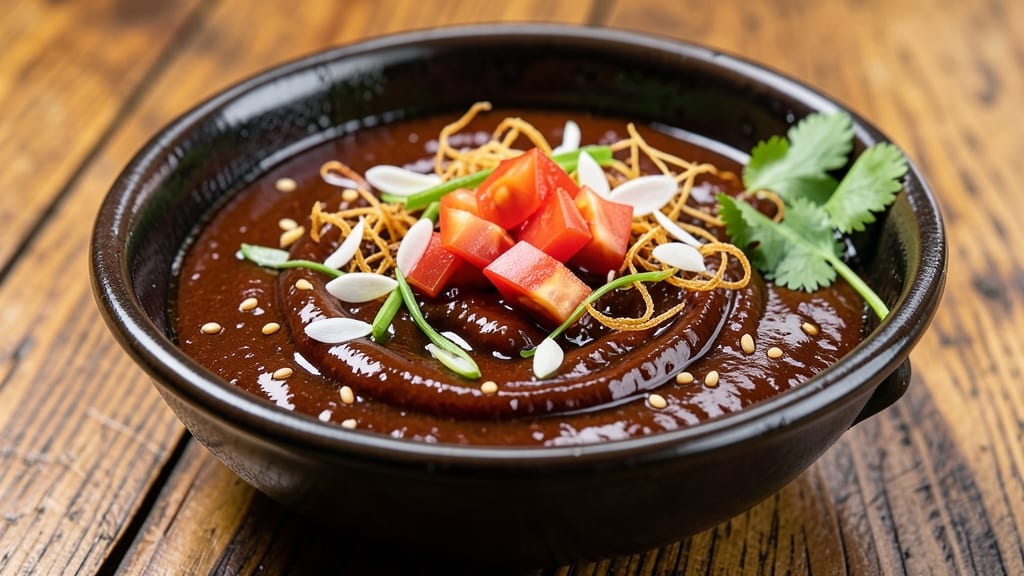
This Louisiana licker sauce brings bold Cajun heat and tangy depth to every bite—perfect for dipping, drizzling, or turning fried chicken into a flavor explosion. The secret lies in balancing shrimp paste’s spicy punch with vinegar’s bite and Worcestershire’s umami, creating a sauce that’s equal parts fiery and addictive.
I’ve perfected this recipe after years of testing, ensuring the heat never overpowers the sauce’s signature tangy-sweet foundation.
The magic happens when you simmer tomato paste, vinegar, and Worcestershire until the flavors meld, then stir in the shrimp paste for that signature Louisiana kick. Cayenne and garlic powder add depth, while a touch of sugar rounds out the sharpness.
What you’ll end up with is a sauce so versatile it elevates fried foods, tacos, or even grilled meats—just one taste and you’ll understand why it’s a staple in Cajun kitchens.
This sauce keeps beautifully in the fridge for up to two weeks, so make a batch and enjoy it all week. The key to success? Taste as you go—adjust the heat or tang to your preference.
Whether you’re serving it at a crawfish boil or as a weeknight condiment, this licker sauce delivers restaurant-quality flavor at home.
Pair it with crispy fried chicken, golden fries, or even as a marinade for grilled shrimp. The possibilities are endless, but the results are always unforgettable. Let’s make this sauce—your taste buds will thank you.
Ingredients for louisiana licker sauce
Nine essential ingredients to create bold Cajun heat with tangy depth.
| Ingredient | Amount | Notes |
|---|---|---|
| Tomato Paste 🍅 | ½ cup | High-quality, no sugar added |
| White Vinegar 💧 | ½ cup | Distilled preferred |
| Worcestershire Sauce 🥫 | 2 tbsp | Lea & Perrins brand recommended |
| Shrimp Paste 🦐 | 2 tbsp | Authentic Louisiana brand |
| Cayenne Pepper 🌶️ | 1 tbsp | Adjust for heat preference |
| Garlic Powder 🧄 | 1 tbsp | Freshly ground preferred |
| Granulated Sugar 🍚 | 1 tbsp | White or brown preferred |
| Salt 🧂 | 1 tsp | Kosher or sea salt |
| Black Pepper 🌶️ | ½ tsp | Freshly cracked preferred |
The shrimp paste is non-negotiable here—Louisiana brand like Zatarain's or Tony Chachere's delivers that signature spicy punch. I grab mine from the international aisle at Whole Foods or Asian markets, where it’s often sold in small jars. If you can’t find it, gochujang or sambal oelek can mimic the heat in a pinch, though the flavor won’t be identical. The tomato paste? Muir Glen or Rao's are my go-tos—they’ve got that rich, concentrated flavor without added junk. And the vinegar? White vinegar is a must—apple cider won’t give you the same sharp tang.
No shrimp paste? Gochujang plus a pinch of smoked paprika gets you close, but you’ll lose some of that Cajun funk. Short on Worcestershire? Fish sauce plus a dash of soy sauce works in a bind, though the umami won’t be quite the same. The cayenne can be swapped for red pepper flakes at half the amount, but trust me—freshly ground cayenne gives you that fine, fiery kick. If your sauce needs more sweetness, honey or maple syrup can replace the sugar, but I like the clean finish of white sugar here. And if you’re sensitive to heat, reduce the cayenne to 1/2 tbsp—you can always add more later.
This sauce tastes even better the next day as the flavors meld. Store it in a glass jar in the fridge for up to 2 weeks. If you’re not using it all, portion it into small containers—ice cube trays are perfect for single servings. Freezes beautifully for up to 3 months, though the texture might separate slightly. Just give it a quick stir before using. The sauce thickens as it cools, so if it’s too stiff, add a splash of water or vinegar to loosen it up.
Why You'll Love This Recipe
- Here’s what sold me: cayenne pepper delivers real kick, but you control it. A pinch for a slow burn, a heap for fire-alarm heat. It’s the kind of sauce where you can adjust mid-stir—no second-guessing, just pure, customizable spice.
- Pantry Magic: I swear by this sauce because it lives in my pantry, not the fridge. Just toss tomato paste, vinegar, and Worcestershire into a pot—no fresh herbs, no fancy prep. That shrimp paste? Tiny jar, huge punch of umami that turns everything it touches into a flavor bomb.
- Heat Without Hassle: Here’s what sold me: cayenne pepper delivers real kick, but you control it. A pinch for a slow burn, a heap for fire-alarm heat. It’s the kind of sauce where you can adjust mid-stir—no second-guessing, just pure, customizable spice.
- Tailgate to Taco Night: Between us, this sauce is my secret weapon for grilling, tacos, or even drizzled over eggs. The tangy-sweet base cuts through grease, and the shrimp paste adds depth that makes it feel special. I’ve used it on burgers, wings, and even as a marinade—it’s that adaptable.
Step-by-step instructions for Louisiana licker sauce
Here’s how to build this bold, tangy sauce that balances heat with deep umami flavors.
Bloom the Aromatics in Oil
Heat 2 tablespoons vegetable oil in a medium saucepan over medium heat. Add the 2 tablespoons shrimp paste and stir constantly for 1-2 minutes until it releases its rich, funky aroma—this is where the sauce gets its signature depth. You’ll smell a pungent, almost fishy note, but trust me, it’s essential.
Next, sprinkle in the 1 tablespoon garlic powder and 1 tablespoon cayenne pepper, stirring for another 30 seconds until fragrant. The cayenne will make the air smell sharp and spicy, but don’t worry—this heat will mellow as the sauce simmers. Keep the heat at medium; if it gets too hot, the shrimp paste can burn and turn bitter.
Add Wet Ingredients and Simmer
Pour in the 0.5 cup tomato paste and stir vigorously to break it down completely, scraping up any browned bits from the bottom of the pan. Add the 0.5 cup white vinegar, 2 tablespoons Worcestershire sauce, 1 tablespoon granulated sugar, 1 teaspoon salt, and 0.5 teaspoon black pepper. Stir well to combine all ingredients into a smooth mixture.
Bring the sauce to a gentle boil, then reduce the heat to low-medium and let it simmer uncovered for 15-20 minutes. You’re looking for the sauce to thicken slightly and reduce by about 25%. Stir occasionally to prevent sticking, and taste after 10 minutes. If it needs more heat, add a pinch more cayenne; if it’s too sharp, a touch of sugar will balance it.
Simmer to Perfect Consistency
Continue simmering for another 5-10 minutes until the sauce reaches your desired thickness—it should coat the back of a spoon but still be pourable. The color will darken to a rich, deep red-brown, and the shrimp paste aroma will mellow into a savory, almost smoky note. If the sauce thickens too much, whisk in 1-2 tablespoons water to loosen it.
Taste and adjust seasoning one last time. The sauce should be tangy from the vinegar, slightly sweet from the sugar, and packed with heat from the cayenne and shrimp paste. If it’s not spicy enough, add a pinch more cayenne; if it’s too sharp, balance it with a tiny bit more sugar. Let the sauce cool slightly before serving—it’ll thicken further as it sits.
Strain and Store for Maximum Flavor
Once the sauce reaches the perfect consistency, remove it from heat and let it cool for 5 minutes. For a smoother texture, strain it through a fine-mesh sieve into a clean jar, pressing on the solids with a spoon to extract every last bit of flavor. This step removes any grit from the shrimp paste and garlic powder, leaving you with a silky, restaurant-quality sauce.
The sauce will keep in the refrigerator for up to 2 weeks or in the freezer for 3 months. It’s incredible on fried chicken, shrimp, or even as a dip for fries. If you make it ahead, give it a quick stir before using—it’ll taste even better after the flavors meld overnight!
Pro Tips For Making Louisiana Licker Sauce
- STIR CONSTANTLY AT FIRST: I learned this the hard way—skipping the initial stir while cooking the tomato paste and shrimp paste means you’ll end up with a lumpy, uneven sauce. The first 3-4 minutes are critical; keep that spoon moving until everything dissolves and blends smoothly before adding liquids.
- USE SHRIMP PASTE SPARINGLY: This stuff is intense—what you taste in the spoon isn’t what you’ll taste in the final sauce. Start with half the recipe’s suggested amount, taste as you go, and add more only if needed. (Yes, even if the jar says "use generously.") Trust me, you’ll regret it if you overdo it.
- NEVER BOIL THE VINEGAR: Adding white vinegar too early or letting the sauce simmer too hard turns your licker sauce into a harsh, vinegary mess. Wait until the tomato paste and shrimp paste have cooked down for at least 5 minutes before stirring in the vinegar, then keep the heat at a gentle simmer—just enough to warm through, not evaporate.
- TOAST THE TOMATO PASTE: Sauté the tomato paste in oil for 2-3 minutes before adding anything else. That short burst of heat deepens its flavor and prevents a raw, metallic taste in the final sauce. (I know it feels like a waste of time, but it makes a real difference.)
Common mistakes when making perfect results
Overcooking Shrimp Paste
The shrimp paste is the heart of this sauce, and burning it ruins everything. I’ve learned the hard way—when the pan gets too hot, that funky aroma turns bitter. Keep your heat at medium and stir constantly for those 1-2 minutes while blooming the paste.
If you see it darkening too quickly, reduce the heat immediately. A burnt shrimp paste will make your sauce taste smoky and off, no matter how much Worcestershire you add. 🔥
Skipping the Bloom Step
Adding shrimp paste directly to cold ingredients is a rookie move. The paste needs to bloom in oil first to release its full flavor. If you skip this step, your sauce will taste flat and lack that signature depth.
I always heat the oil first, then add the paste and stir until it fragrant—this is non-negotiable for authentic flavor. Think of it like making a roux: patience pays off.
Ignoring Vinegar Balance
The vinegar is what gives licker sauce its signature tang, but too much makes it harsh. I’ve seen people pour in extra vinegar thinking it’ll add more "kick," but it just makes the sauce taste like pickled spice.
Start with the ½ cup white vinegar called for, then taste as you simmer. If it needs more tang, add it gradually—1 tablespoon at a time—until you hit that perfect balance between sharp and savory.
Not Tasting as You Go
This sauce is all about flavor balance, and you can’t nail it without tasting. I always taste after 10 minutes of simmering, then again at 15 minutes. If it’s too sharp, a pinch of sugar helps.
If it’s not spicy enough, add cayenne. The key is adjusting gradually—you can’t fix an over-seasoned sauce later. Keep a spoon handy and taste often!
Using Low-Quality Shrimp Paste
Not all shrimp paste is created equal. The authentic Louisiana brand (like Zatarain’s) has a distinct funky, spicy profile that’s hard to replicate. I’ve tried cheaper versions from Asian markets, and while they work, they lack that Cajun character.
If you can’t find the real deal, gochujang mixed with smoked paprika is your best substitute, but expect a different flavor profile. The sauce will still be spicy, but it won’t have that same depth.
Rushing the Simmer Time
Simmering too quickly means underdeveloped flavors. The sauce needs that 15-20 minute simmer to let the tomato paste caramelize slightly and the vinegar mellow. If you rush it, the shrimp paste will taste raw and the sauce will be thin and watery.
Patience here is everything—let it reduce by about 25% for the best texture and flavor. Trust me, the extra 5 minutes makes all the difference. ⏰
Nutrition facts
Frequently asked questions
What makes Louisiana licker sauce different from other spicy dipping sauces?
The shrimp paste is the game-changer! Unlike hot sauces or salsas, this sauce combines that funky, spicy shrimp paste with tangy vinegar and Worcestershire for a complex flavor profile. The balance of heat, tang, and umami makes it uniquely addictive—it’s not just spicy, it’s savory and slightly sweet too.
Can I make this sauce without shrimp paste?
Yes, but the flavor won’t be authentic. For a substitute, mix 1 tbsp gochujang with ½ tsp smoked paprika and ½ tsp garlic powder—this combo mimics some of the depth. If you’re avoiding seafood entirely, try 1 tbsp fish sauce plus ½ tsp cayenne, though the funk will be different.
How spicy is this sauce, and can I adjust the heat?
The cayenne and shrimp paste give it a medium heat level—think between hot sauce and sriracha. For milder heat, reduce cayenne to ½ tbsp or omit it entirely. If you love spice, add ½ tsp extra cayenne or a pinch of red pepper flakes. Always taste as you simmer to adjust gradually!
What are the best ways to use this sauce?
This versatile sauce elevates fried foods like chicken or shrimp, but it’s also amazing on tacos, burgers, or even as a marinade for grilled meats. Try drizzling it over deviled eggs or mixing into mayo for a spicy dip. The tangy-sweet profile works surprisingly well with sweet potatoes too!
Why does my sauce look too thick or thin?
If it’s too thick, whisk in 1-2 tbsp water or vinegar to loosen it. For a thicker sauce, simmer uncovered longer until reduced by 30%. The texture should coat the back of a spoon but still be pourable. Straining through a fine-mesh sieve also helps achieve that silky consistency.