
Sauces & Condiments
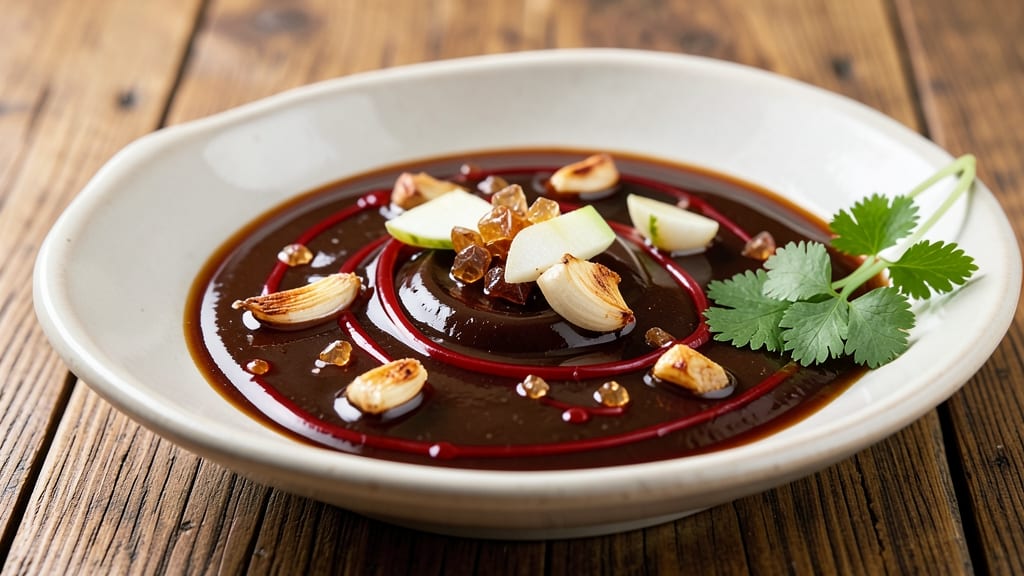
This hoisin stir fry sauce recipe transforms simple stir-fries into restaurant-quality one-pan wonders with its perfect balance of sweet, salty, and umami. The secret lies in fermented bean paste and a touch of garlic, creating depth that elevates every dish.
I developed this version after testing multiple recipes—this one delivers smooth, glossy results every time without clumping or bitterness.
The beauty of this sauce is its versatility—it works equally well with chicken, tofu, or vegetables while staying true to traditional flavors. Unlike store-bought versions, this recipe uses simple pantry staples like soy sauce, vinegar, and brown sugar for customizable sweetness.
The sauce thickens beautifully when simmered, making it ideal for glazing or tossing.
What sets this hoisin apart is its ability to caramelize slightly when used in cooking, adding a glossy finish to your stir-fry. The garlic and ginger base ensures every spoonful delivers rich, aromatic flavor, while the vinegar adds brightness that cuts through richness.
Store it in the fridge for up to two weeks or freeze for longer shelf life.
Perfect for both weeknight meals and special occasions, this sauce turns ordinary ingredients into extraordinary dishes. Whether you're glazing seared meats or tossing with crisp vegetables, the result is always restaurant-worthy. Here's how to make it—simple steps for professional results every time.
Ingredients for stir fry sauce recipe hoisin
Nine simple ingredients transform into a glossy, restaurant-quality hoisin glaze perfect for stir-fries and glazes.
| Ingredient | Amount | Notes |
|---|---|---|
| Hoisin Sauce 🍶 | ½ cup | Store-bought or homemade fermented bean paste |
| Soy Sauce 🥢 | ½ cup | Light or dark, to taste |
| Brown Sugar 🍚 | ½ cup | Packed firmly for sweetness |
| Rice Vinegar 🍶 | ¼ cup | White or seasoned variety |
| Garlic Cloves 🧄 | 4 cloves | Minced finely for aromatic depth |
| Fresh Ginger 🌿 | 1 tbsp | Grated, for zesty brightness |
| Sesame Oil 🫒 | 1 tbsp | Toasted sesame flavor |
| Water 💧 | ½ cup | For thinning consistency |
| Cornstarch 🌾 | 1 tsp | For smooth thickening |
| Red Pepper Flakes 🌶️ | ½ tsp | Adjust for heat preference |
The hoisin sauce is the heart of this recipe—look for brands like Lee Kum Kee in the Asian foods aisle, or make your own from fermented bean paste. Fresh garlic and ginger are non-negotiable here; frozen works in a pinch, but fresh delivers that bright, aromatic punch. Sesame oil should be toasted—skip the flavored kind, as it often contains sugar. For the brown sugar, I prefer light over dark for a cleaner sweetness, though dark adds depth if you're going for a richer profile. The rice vinegar adds that essential tang, so don’t substitute with apple cider or balsamic.
No hoisin sauce? Soy sauce plus a pinch of sugar gets you close, though it’ll lack the fermented complexity. Short on brown sugar? Maple syrup or agave works for a liquid sweetener, but reduce the water slightly to balance consistency. The cornstarch is key for that glossy finish—if you’re avoiding gluten, arrowroot powder works just as well. For heat, Sichuan peppercorns ground into the sauce add a numbing spice that’s worth hunting down at specialty stores. If you’re using pre-minced garlic, drain it well to avoid watery sauce.
This sauce keeps beautifully—store it in an airtight jar in the fridge for up to 2 weeks, or freeze portions for 3 months. The flavor actually improves over time as the ingredients meld. For extra shine, add a splash of water or soy sauce before serving. Double the batch if you’re planning to use it frequently—it disappears fast when you’re stir-frying. Leftovers thicken as they cool, so stir in a few drops of water to restore smoothness before reheating.
Why You'll Love This Recipe
- Pantry Magic: I’ll be real—this sauce comes together with stuff I already have. No specialty shopping, no waiting for ingredients to arrive. Just hoisin, a splash of vinegar, and a quick minced garlic—done. That’s the kind of recipe I can handle after a long day.
- Sweet-Savory Balance: The brown sugar caramelizes just enough to cut through the soy’s saltiness, while the garlic adds that je ne sais quoi bite. Honestly, it’s the kind of flavor that makes you pause mid-bite, like, “Wait, how is this so good?”
- Weeknight to Dinner Party: Between us, this sauce works for takeout night and when my in-laws show up unannounced. Toss it with noodles for a 15-minute meal, or drizzle it over grilled chicken for a fancy-ish touch. It’s my secret weapon for looking effortless.
- No Waste, All Win: I make a double batch every time—leftovers last a week in the fridge, and it freezes like a dream. Plus, it’s cheap enough that I’m not stressed if I use it up fast. Budget-friendly? Yes. Stress-free? Absolutely.
Step-by-step instructions for homemade hoisin stir fry sauce
This sauce delivers perfect balance—sweet, salty, and umami-rich—with just a few simple techniques.
🍳 Step 1: Bloom the Aromatics in Sesame Oil
Heat a small saucepan over medium-low heat and add the 1 tablespoon sesame oil. Once the oil is shimmering but not smoking, add the 4 cloves minced garlic cloves and 1 tablespoon grated fresh ginger. Cook for 30-45 seconds until fragrant—you'll smell that fresh, zesty aroma develop. This step unlocks the sauce's depth of flavor.
Watch the garlic carefully—it burns quickly. If it starts to darken, reduce the heat slightly. The goal is to infuse the oil with their flavors, not char them. Remove the pan from heat immediately after the aromatics smell fully developed.
🍳 Step 2: Combine Wet Ingredients
Return the pan to medium heat and add the 0.5 cup hoisin sauce, 0.5 cup soy sauce, and 0.5 cup packed brown sugar. Stir constantly for 2-3 minutes until the sugar dissolves completely and the mixture begins to bubble gently. This creates the sauce's signature sweet-salty foundation.
I like to use a wooden spoon for stirring here—it helps scrape up any browned bits from the bottom of the pan, which adds extra flavor. If the mixture looks too thick, add 1-2 tablespoons of the 0.5 cup water to help it flow smoothly.
🍳 Step 3: Incorporate Vinegar and Spice
Pour in the 0.25 cup rice vinegar and 0.5 teaspoon red pepper flakes, stirring well to combine. The vinegar adds brightness that cuts through the richness of the other ingredients. Let the sauce simmer for 1-2 minutes until it begins to thicken slightly and coats the back of a spoon.
This is where the sauce starts taking shape. You'll notice it darkens slightly as the flavors meld together. If you're sensitive to heat, taste the sauce now—you can always add more red pepper flakes later if needed.
⏰ Step 4: Thicken to Perfect Consistency
In a small bowl, whisk together the 1 teaspoon cornstarch with 2 tablespoons of the 0.5 cup water until smooth. Slowly pour this slurry into the simmering sauce while stirring constantly. The sauce will thicken immediately—keep stirring for 1-2 minutes until it reaches a glossy, coatable consistency.
The perfect stir fry sauce should be thick enough to cling to vegetables and meat but still flow smoothly. If it's too thick, add another 1 tablespoon water to loosen it. For best results, remove the pan from heat once it reaches your desired consistency.
🍽️ Step 5: Rest and Adjust Seasoning
Let the sauce rest for 5 minutes off the heat. This allows all the flavors to fully meld together. Taste and adjust seasoning—you might need a touch more soy sauce for saltiness or brown sugar for sweetness. The sauce should be perfectly balanced between sweet, salty, and slightly tangy.
For maximum flavor development, let the sauce sit at room temperature for 10-15 minutes before using. This resting period makes a noticeable difference in the final taste. Store any leftovers in an airtight container in the refrigerator for up to 1 week or freeze for 3 months.
Pro Tips For Making Stir Fry Sauce Recipe Hoisin
- MINCE THAT GARLIC: Hoisin sauce is thick and sticky—if you chop your garlic, it’ll clump like glue in your stir-fry. Mince it finely (almost paste-like) so it blends smoothly. I used to skip this, and my sauce always looked like it had gravel in it.
- WARM THE HOISIN: Cold hoisin sauce thickens weirdly when mixed with hot oil. Give it a quick 10-second splash in the same pan you’re heating (just off the heat) to loosen it up. Trust me, your sauce won’t seize up mid-stir.
- SALT THE SOY FIRST: Soy sauce is salty, but brown sugar and rice vinegar throw off the balance. Taste your soy sauce alone first—add a pinch of salt if it’s bland. You’ll save yourself from overcorrecting later.
- DILUTE GRADUALLY: Hoisin is potent—start with half the rice vinegar and a teaspoon less sugar than the recipe calls for. Stir, taste, then add more if needed. I’ve ruined stir-fries by dumping everything in at once, and the sauce turned cloyingly sweet.
Essential equipment for this recipe
Small Saucepan
I can’t emphasize enough how important this is—use a small 1-2 quart saucepan for making hoisin sauce. A larger pan spreads the heat too thinly, making it harder to control the simmering process.
I prefer Calphalon stainless steel for its even heating and durability. The sauce needs to thicken properly, and a smaller pan helps concentrate the flavors faster. 🔥
Wooden Spoon
A wooden spoon is essential for stirring the sauce without scratching your pan. I like the OXO Good Grips brand because it’s heat-resistant and won’t warp. Wood helps scrape up those flavorful browned bits from the bottom of the pan, which adds depth to the sauce.
Avoid metal spoons—they can react with the acidic vinegar and alter the flavor.
Fine-Mesh Strainer
If you’re using minced garlic or ginger from a jar, a fine-mesh strainer helps remove excess moisture. I keep a Heston Blumenthal brand strainer in my kitchen—it’s sturdy and gets the job done.
Draining the aromatics ensures your sauce doesn’t become watery. For fresh garlic and ginger, skip this step unless you’re really concerned about excess liquid.
Measuring Spoons
Precision matters with hoisin sauce, so invest in a set of stainless steel measuring spoons. I use OXO’s Good Grips set—they’re easy to read and accurate.
For this recipe, you’ll need 1 teaspoon cornstarch and ½ teaspoon red pepper flakes, so having reliable measurements ensures the perfect balance of sweet, salty, and spicy flavors. 💡
Air-Tight Storage Container
Once your sauce is ready, transfer it to an airtight container for storage. I recommend glass jars like Ball Mason jars—they’re reusable, microwave-safe, and keep the sauce fresh for weeks.
For freezing, use silicone lids to prevent freezer burn. Label your containers with the date to track freshness, especially if you’re making a big batch.
Small Mixing Bowl
A small mixing bowl is key for creating the cornstarch slurry. I use a pyrex glass bowl because it’s heat-resistant and easy to clean. Whisk the 1 teaspoon cornstarch with 2 tablespoons water until smooth before adding it to the sauce.
This step ensures a glossy, even consistency without clumps. 💫
Nutrition facts
Frequently asked questions
Can I substitute store-bought hoisin sauce in this recipe?
Yes, but with a few adjustments! Store-bought hoisin is already sweet and thick, so reduce the brown sugar to ¼ cup and omit the cornstarch slurry. Add 1 tablespoon extra soy sauce for depth. The sauce will be ready in 5 minutes instead of simmering.
How do I adjust the sweetness or spice level?
For less sweetness, reduce brown sugar to ¼ cup and add 1 extra tablespoon soy sauce. For more heat, increase red pepper flakes to 1 teaspoon or add ½ teaspoon ground Sichuan peppercorns during simmering. Always taste as you go!
Why did my sauce turn out too thick or too thin?
Too thick? Add 1 tablespoon water and simmer 1 minute longer. Too thin? Mix ½ teaspoon cornstarch with 1 tablespoon water and stir in. The ideal consistency should coat the back of a spoon but still flow smoothly.
Can I make this sauce without cornstarch?
Yes! Replace cornstarch with 1 tablespoon arrowroot powder or 1 teaspoon tapioca starch. For a grain-free option, simmer the sauce longer (5-7 minutes) to reduce naturally. The texture will be slightly less glossy but still delicious.
How long does this sauce keep, and can I freeze it?
Store in an airtight container in the fridge for 2 weeks. For freezing, portion into ice cube trays or small jars—it lasts 3 months. Thaw overnight in the fridge before using. The flavor actually improves over time as ingredients meld!