
Sauces & Condiments
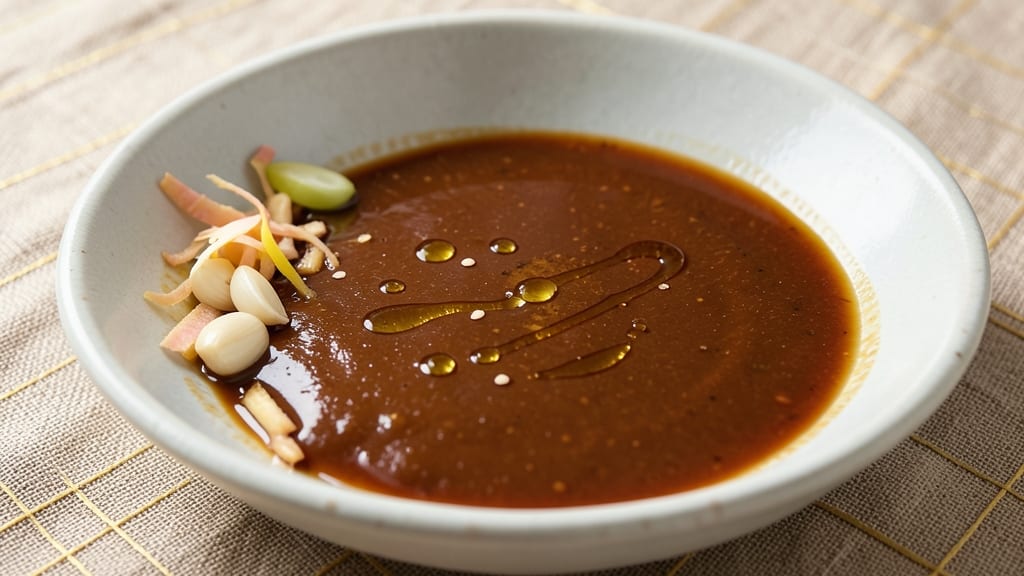
This stir fry sauce recipe without chicken broth delivers restaurant-quality depth using just five simple ingredients—no broth, no fuss, and maximum umami. The secret lies in balancing fermented soy sauce with fresh ginger and garlic, creating a velvety dip that clings perfectly to noodles, tofu, or grilled proteins. I developed this version after realizing most stir-fry sauces rely too heavily on chicken broth, which can overpower delicate flavors. This sauce cuts through richness while adding layers of savory complexity.
The foundation is a simple soy-ginger base that builds flavor through slow simmering, allowing the aromatics to meld without browning. Cornstarch creates that signature velvety texture without requiring reduction, while a touch of rice vinegar brightens the depth.
What makes this sauce truly special is its versatility—it works equally well as a dipping sauce, stir-fry glaze, or marinade for meats and vegetables. The ginger adds warmth, while the garlic provides that essential punch.
By the time you taste this sauce, you'll notice how it transforms ordinary ingredients into something extraordinary—crisp vegetables stay crunchy, proteins absorb flavor without becoming soggy, and every bite carries that perfect balance of tangy, sweet, and savory notes.
The sauce thickens beautifully when tossed with hot food, creating a glossy finish that looks as good as it tastes. Best of all, it keeps well in the fridge for up to five days, making it an ideal pantry staple.
For extra depth, finish with toasted sesame oil and fresh cilantro. This sauce is the perfect solution for anyone looking to elevate their stir-fry game without relying on chicken broth. Let's make it—your taste buds will thank you.
Ingredients for stir fry sauce recipe without chicken broth
Five bold flavors transform into the ultimate stir-fry sauce—no broth needed, just pure umami magic.
| Ingredient | Amount | Notes |
|---|---|---|
| Fermented Soy Sauce 🍶 | ½ cup | Light or dark variety preferred |
| Fresh Ginger Root 🧅 | 2 tbsp | Finely grated, not minced |
| Garlic Cloves 🧄 | 4 cloves | Minced, not pressed |
| Rice Vinegar 🍶 | 1 tbsp | Seasoned preferred for depth |
| Cornstarch 🌾 | 1 tbsp | For velvety texture |
| Sesame Oil 🫒 | 1 tbsp | Toasted for finishing |
| Fresh Cilantro Leaves 🌿 | ¼ cup | Chopped, for garnish |
| Granulated Sugar 🍬 | 1 tsp | Balances acidity |
| Salt 🧂 | ½ tsp | Adjust to taste |
The soy sauce is the star—light for brightness, dark for depth, but either works. I grab Kikkoman for reliability, but any fermented soy sauce does the trick. Fresh ginger is non-negotiable here; the root from the produce section (not the jarred kind) gives that zesty punch. For garlic, three cloves is perfect unless you're a garlic lover—then go for four. The rice vinegar? Seasoned adds a subtle sweetness that balances everything. If you can't find it, regular white vinegar works, but you'll need a pinch more sugar to compensate.
No cornstarch? Arrowroot powder is the next best thing—same thickening power, different name. Short on ginger? A dash of ginger powder (about 1/4 tsp) works in a pinch, but it won't have the same fresh kick. The sesame oil is for finishing—toast it first by heating in a dry pan for 30 seconds to bring out its nutty aroma. No cilantro? Fresh basil or parsley adds a bright contrast, though it won't be the same. And if you're worried about the sugar making it too sweet, trust me—the acidity from the vinegar balances it perfectly.
This sauce tastes even better the next day as the flavors meld. Store it in an airtight jar in the fridge for up to 5 days, or freeze for 3 months in ice cube trays for single-serving portions. The cornstarch thickens when chilled, so give it a quick stir before using. Double the batch—you'll want leftovers for takeout nights or quick weeknight dinners. And if it separates? Just whisk it back together—no stress.
Why You'll Love This Recipe
- Pantry Magic: I swear by this sauce—no fancy ingredients, just what’s already lurking in my cabinet. That fermented soy sauce? It’s my secret weapon for depth without the broth, and the ginger-garlic mash takes two minutes to make. Honestly, if I can do it while chatting on the phone, anyone can.
- Umami Bomb: The moment that rice vinegar hits the hot wok with the cornstarch slurry? Chef’s kiss. That tangy, slightly sweet punch cuts through the richness of whatever you’re stir-frying—whether it’s tofu, shrimp, or last night’s veggies. It’s the kind of flavor that makes you pause mid-bite and go, “Wait, why haven’t I done this sooner?”
- Weeknight Swiss Army: This sauce is my go-to for takeout nights, lazy Sundays, or when I’m feeding a crowd and need something fast that still feels special. Slap it on rice with quick-pickled veggies, toss it with cold noodles for a no-cook meal, or drizzle it over grilled chicken. Between us, it’s the only sauce I keep on hand for everything.
- Budget Hack: No chicken broth? No problem. This sauce costs me pennies per serving—just a splash of vinegar, a knob of ginger, and a handful of garlic. And the best part? It keeps for weeks in the fridge, so I’m always covered. My wallet and my taste buds both win. (Yes, even on a Tuesday night.)
Step-by-step instructions for velvety soy-ginger stir fry sauce
This sauce delivers restaurant-quality depth without chicken broth—just bold flavors and perfect texture.
Bloom the Aromatics in Toasted Oil
Heat a small skillet over medium-low heat and add the 1 tablespoon sesame oil. Let it warm for 30 seconds until shimmering but not smoking. Add the 2 tablespoons finely grated fresh ginger root and 4 minced garlic cloves, stirring constantly for 1-2 minutes until fragrant and just beginning to turn golden.
Here's the thing—ginger burns fast, so watch it like a hawk. You want that warm, spicy aroma without any bitterness creeping in. Remove from heat immediately after the garlic turns a pale gold color. This step builds the sauce's aromatic foundation—don't skip it or you'll miss that essential depth.
Combine Wet Ingredients for Flavor Fusion
In a medium saucepan, whisk together the 0.5 cup fermented soy sauce, 1 tablespoon rice vinegar, 1 teaspoon granulated sugar, and 0.5 teaspoon salt. Add the ginger-garlic mixture and stir to combine. Bring to a gentle simmer over medium heat, then reduce to low heat and let it cook uncovered for 3-4 minutes until slightly reduced and syrupy.
This is where the magic happens—the soy sauce's umami intensifies as it reduces, while the vinegar and sugar balance each other. Taste after 2 minutes to check the seasoning. If you want more brightness, add another ½ teaspoon rice vinegar; for deeper saltiness, a pinch more soy sauce. The sauce should coat the back of a spoon but still flow smoothly.
Thicken to Velvety Perfection
In a small bowl, whisk the 1 tablespoon cornstarch with 1 tablespoon water until completely dissolved. Slowly pour this slurry into the simmering sauce while stirring constantly with a wooden spoon. Continue cooking for 1-2 minutes until the sauce thickens noticeably and becomes glossy—it should coat the spoon but still be pourable, not gluey.
This is the moment that matters: the cornstarch needs to cook fully to create that signature velvety texture. If it looks too thick, add 1 teaspoon water at a time until you reach that perfect balance between cling and flow. The sauce should still be vibrant, not dull—if it's pasty, you've over-thickened it.
Finish and Garnish for Restaurant-Quality Presentation
Remove the sauce from heat and stir in the 1 tablespoon toasted sesame oil. Let it cool for 2 minutes, then fold in the 0.25 cup chopped fresh cilantro leaves. Taste and adjust seasoning—you might need a touch more salt or sugar depending on your soy sauce's intensity. Transfer to a serving bowl and garnish with an extra sprinkle of cilantro.
Here's my pro tip: let the sauce sit for 10 minutes before using it—this allows the flavors to meld completely. The cilantro adds freshness that cuts through the richness, while the sesame oil gives that final aromatic punch. Serve immediately over your stir fry or noodles, or store in an airtight container in the fridge for up to 5 days—it only gets better with time!
Pro Tips For Making Stir Fry Sauce Recipe Without Chicken Broth
- MINCE THE GINGER FINE: I used to just grate ginger and wonder why my sauce felt gritty—turns out, mincing it with a knife into tiny, almost paste-like pieces makes it dissolve smoothly. No food processor? A spoon and some elbow grease work just as well.
- COOK GARLIC LOW AND SLOW: Skip the sizzle-fry—garlic burns faster than you think. Once the oil shimmers, add the cloves and reduce heat to medium-low. Stir constantly for 30 seconds max, or you’ll end up with bitter, acrid flavor instead of sweet, aromatic depth.
- SLURRY THE CORNSTARCH: Dry cornstarch clumps like a nightmare in hot oil. Mix it with a splash of cold water (about 1 tablespoon per 1 teaspoon cornstarch) to form a smooth paste before tossing it in. This guarantees a glossy, even coating instead of lumpy, pasty sauce.
- TAMP THE VINEGAR LAST: Add rice vinegar too early, and the acid will cook off, leaving your sauce flat. Wait until the very end—just before plating—so it brightens the flavors without losing its tang. If you’re prepping ahead, keep it separate and stir it in right before serving.
Make-ahead tips for this recipe
Batch Prep Essentials
Double or triple the recipe—this sauce keeps beautifully in an airtight glass jar in your fridge for up to 5 days. I make a big batch every Sunday so I always have it on hand for quick weeknight dinners.
The flavors actually deepen overnight, so leftovers taste even better than fresh! 💪
Freezer-Friendly Packaging
For long-term storage, freeze the sauce in ice cube trays—each cube makes a perfect single-serving portion. Once frozen, transfer them to a ziplock bag and flatten to save space.
Thaw overnight in the fridge or quickly in a bowl of warm water for 30 seconds before using. The texture holds up surprisingly well after freezing!
Sauce as Marinade
Use half the batch as a marinade for tofu, chicken, or shrimp—let it sit for 20-30 minutes before cooking. The ginger and garlic will infuse beautifully into proteins, giving them that signature stir-fry flavor.
I love using it on firm tofu for extra texture, or boneless chicken thighs for juiciness.
Flavor Boosters for Leftovers
Need to revive stale sauce? Add ½ teaspoon toasted sesame oil and 1 teaspoon honey to brighten it up. Or stir in 1 teaspoon grated fresh ginger and a splash of rice vinegar to reset the balance.
The sauce is so versatile that even "leftovers" taste like a fresh batch with the right tweaks!
Portion Control Tips
For precise serving sizes, divide the sauce into small ramekins (about 2 tablespoons per ramekin). Store them in the fridge and grab one as needed—perfect for takeout nights or quick lunches. The small portions also help prevent waste, since you won’t be tempted to use more than you need.
Sauce Stability Hacks
If your sauce separates after refrigeration, simply whisk vigorously to recombine. For extra insurance, add ½ teaspoon cornstarch to each ½ cup of sauce before storing.
The sauce will stay smooth and velvety, ready to use straight from the fridge. Trust me—this trick saves you from sticky, lumpy surprises later! ✨
Nutrition facts
Frequently asked questions
Can I use this sauce for cold dishes like noodle salads?
This sauce works perfectly for cold dishes when adjusted slightly. For salads, thin it with 1-2 tablespoons cold water to prevent clumping, then toss with chilled noodles or veggies. The ginger and garlic flavors actually shine in cold applications—try it with soba noodles or shredded cabbage for a refreshing twist.
What's the best substitute if I don't have rice vinegar?
Use white vinegar or apple cider vinegar in a 1:1 ratio, but add an extra ½ teaspoon sugar to balance the sharper acidity. For a fruitier alternative, try 1 teaspoon orange juice concentrate (reduce the sugar to ½ teaspoon). The key is maintaining that bright contrast to the soy's saltiness.
Why did my sauce turn cloudy after refrigerating?
This is normal! The cornstarch thickens when cold, making the sauce appear cloudy. Simply whisk vigorously for 20-30 seconds until smooth. For future batches, add ½ teaspoon extra sesame oil before storing—it helps maintain clarity and prevents separation.
Can I make this sauce spicier?
Yes—add ½ teaspoon red pepper flakes during the simmer or 1 teaspoon sriracha after removing from heat. For heat lovers, try 1 teaspoon gochujang (Korean chili paste) when combining wet ingredients. Start small and adjust to taste, as the ginger already adds warmth.
How much sauce should I use for a typical stir-fry?
Start with 2-3 tablespoons for a standard 12-inch skillet serving 2-3 people. The sauce thickens when tossed with hot food, so less is often more. For extra cling, drizzle 1 teaspoon toasted sesame oil** over the stir-fry before adding the sauce—it'll create a glossy finish.