
Sauces & Condiments
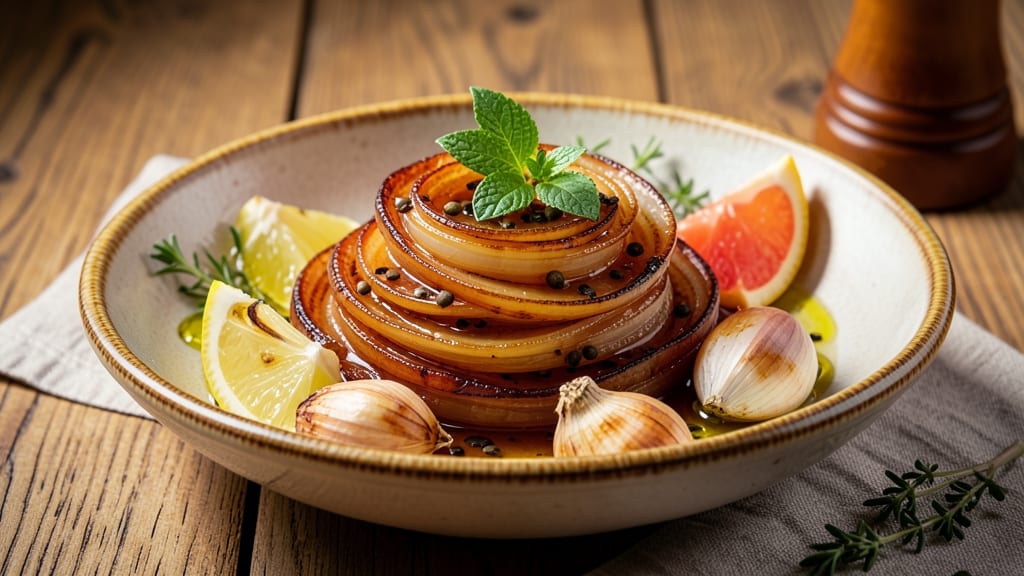
This Yassa onion sauce recipe transforms simple ingredients into a complex, tangy masterpiece that elevates any dish. The magic happens when caramelized onions meet mustard seeds and lemon juice, creating layers of heat and brightness that balance perfectly.
I developed this sauce after years of perfecting West African flavors—it’s the secret weapon behind restaurant-quality Yassa chicken, but it works just as well on fish, grilled meats, or even as a bold salad dressing.
The process is straightforward but requires patience: onions caramelize slowly for deep sweetness, garlic and mustard seeds toast until fragrant, and a splash of vinegar cuts through the richness. Simmering the sauce reduces it to a concentrated, glossy finish that clings beautifully to proteins.
What you’ll end up with is a sauce that’s tangy, slightly spicy, and rich with umami—each spoonful packed with layers of flavor.
This sauce is incredibly versatile—use it as a marinade for chicken or fish, a finishing drizzle over grilled meats, or a zesty dressing for salads. The optional addition of yogurt or fresh herbs can soften the heat or add freshness, depending on your preference.
Once you taste the difference between store-bought and homemade, you’ll never go back.
Best of all, the sauce keeps well in the refrigerator for up to a week, making it perfect for meal prep. Let’s get started—your taste buds will thank you.
Ingredients for yassa onion sauce
Nine ingredients transform into a restaurant-quality sauce with caramelized onions and bold citrus heat.
| Ingredient | Amount | Notes |
|---|---|---|
| Yellow Onions 🧅 | 4 large | Thinly sliced, caramelized slowly |
| Mustard Seeds 🌶️ | 1 tbsp | Yellow or brown preferred |
| Garlic Cloves 🧄 | 6 cloves | Minced finely for depth |
| Lemon Juice 🍋 | ½ cup | Freshly squeezed, strained |
| White Vinegar 💧 | ¼ cup | For tangy brightness |
| Olive Oil 🫒 | ½ cup | Extra-virgin for richness |
| Dried Mustard Powder 🌶️ | 1 tbsp | For extra depth (optional) |
| Salt 🧂 | 1 ½ tsp | Diamond Crystal preferred |
| Ground Black Pepper 🌶️ | ½ tsp | Freshly ground for heat |
| Honey 🍯 | 1 tbsp | For subtle sweetness |
The onions are the heart of this sauce—yellow onions caramelize to deep sweetness, while mustard seeds toast until fragrant. For the best onions, grab sweet yellows from Trader Joe's or your local farmers market—they're less pungent and caramelize beautifully. The mustard seeds should be whole and yellow if possible; brown seeds add a deeper, earthier note. If you're short on time, pre-sliced onions work, but they won't caramelize as evenly. The garlic? Fresh is non-negotiable—jarred minced garlic has no depth here. Toast the seeds in olive oil until they sizzle and smell incredible—that aroma is what makes this sauce sing.
No mustard seeds? Dried mustard powder at double the amount works in a pinch, though it won't have the same toasted depth. Running low on vinegar? Apple cider vinegar is a perfect swap—it adds subtle sweetness that complements the sauce beautifully. The honey can be swapped for maple syrup if you're avoiding it, though it'll change the flavor slightly. For extra richness, add 1 tbsp of tahini at the end—it gives that signature West African creaminess. The sauce thickens as it reduces, so if it feels too thin, simmer uncovered for another 5-10 minutes. Trust me, the longer you let it cook, the better it gets.
This sauce keeps for up to 1 week in the fridge, and honestly, it tastes even better the next day as the flavors meld. For longer storage, freeze in ice cube trays—thaw and warm gently when ready to use. The caramelized onions can be prepped ahead and stored separately for 3 days in the fridge, saving you time on cooking day. If you make a big batch, portion it into small jars—perfect for quick meals or as a marinade base. The sauce pairs especially well with grilled chicken or fish, but don't be afraid to drizzle it over roasted vegetables for a bold twist.
Why You'll Love This Recipe
- Pantry Magic: I swear by this sauce because it uses what I always have—yellow onions, vinegar, and a few spices. No shopping list, no stress, just flavor.
- Tangy Kick: That mustard seed sizzle in oil? It’s the secret weapon. The vinegar and lemon cut through everything, leaving a bright, addictive punch that makes even simple grilled chicken taste like a restaurant dish.
- Sunday Supper Hero: I make a big batch on Sundays—slather it on fish, toss it with pasta, or drizzle it over roasted veggies. It’s the one sauce that turns anything into a showstopper without extra effort.
- Budget-Friendly Staple: Mustard seeds and onions are cheap, and this sauce stretches forever. A little goes a long way, and I’ve had it last me two weeks in the fridge, saving me from takeout nights.
Step-by-step instructions for Yassa onion sauce
Here's how to build this vibrant West African sauce layer by layer—where caramelized onions meet mustard's fiery punch.
Caramelize the Onions Slowly
Heat the 0.5 cup olive oil in a heavy-bottomed saucepan over medium-low heat. Add the 4 large yellow onions, sliced paper-thin, and cook undisturbed for 10 minutes. This patience is key—the onions should soften and develop a deep golden hue before you stir them. I like to press down gently with a wooden spoon to encourage even cooking.
After 10 minutes, stir the onions occasionally, scraping up any browned bits from the bottom of the pan. You're aiming for a rich, jam-like consistency that forms the sauce's foundation. If the onions start to brown too quickly, reduce the heat slightly. This process should take 30-40 minutes total—don't rush it. The deeper the caramelization, the more complex the flavor.
Toast the Mustard Seeds and Garlic
Once the onions are beautifully caramelized, add the 1 tablespoon mustard seeds and stir constantly for 1-2 minutes until they begin to pop and release their nutty aroma. This step is crucial—mustard seeds burn quickly, so keep the heat at medium and watch them closely. You'll hear a distinct crackling sound when they're ready.
Immediately add the 6 cloves minced garlic and cook for another 30 seconds until fragrant. Garlic should sizzle gently but not brown. The combination of toasted mustard seeds and garlic will form the sauce's signature depth. If you notice the garlic turning golden, remove the pan from heat for 10 seconds to cool it slightly before continuing.
Build the Sauce with Acid and Sweetness
Pour in the 0.5 cup lemon juice and 0.25 cup white vinegar, stirring vigorously to combine. The mixture will bubble and foam as the acid reacts with the caramelized onions. Let it simmer gently for 5 minutes until the liquid reduces by about half and the sauce begins to thicken. This reduction is what concentrates the flavors and creates that signature Yassa tang.
Add the 1 tablespoon dried mustard powder, 1.5 teaspoons salt, and 0.5 teaspoon ground black pepper, stirring continuously until fully incorporated. The sauce should now have a vibrant yellow hue with a thick, almost paste-like consistency. If it's too thick at this stage, you can add 1-2 tablespoons of water to loosen it slightly, but the sauce will thicken further as it cools.
Finish with Honey and Balance Flavors
Remove the sauce from heat and stir in the 1 tablespoon honey. The honey will mellow the acidity slightly while adding a subtle sweetness that balances the mustard's heat. Let the sauce sit off the heat for 5 minutes to allow all the flavors to meld together. Taste and adjust the seasoning—you might need a touch more salt or lemon juice to achieve the perfect balance of tangy, sweet, and mustard-forward flavors.
This sauce is incredibly versatile. Serve it immediately over grilled chicken or fish, or let it cool slightly before using it as a marinade. The flavors will continue to develop as it sits, so if you're not using it right away, store it in an airtight container in the refrigerator for up to 5 days. When reheating, do so gently over low heat to preserve its texture and depth of flavor.
Pro Tips For Making Yassa Onion Sauce
- CRISPY ONIONS FIRST: Start with thin, even slices—no thicker than 1/8-inch—and cook them in a dry, hot pan for 8-10 minutes until deep golden. I learned this the hard way: skipping this step turns your sauce into a sad, watery onion mush instead of the rich, caramelized base yassa needs.
- TOAST THE SEEDS: Bloom the mustard seeds in 1 tablespoon of oil over medium heat until they pop audibly, then lower the heat immediately. After burning three batches, I finally realized: high heat for too long turns them bitter, and that’s the last thing you want in a bright, tangy sauce.
- ACID BALANCE MATTERS: Taste as you go—lemon juice and vinegar should play off each other, not overpower. Start with 1 tablespoon of each, then adjust: too sharp? Add a pinch of sugar. Too bland? A splash more vinegar. (Yes, even if you’re impatient like me.)
- GARLIC AFTER CARAMEL: Add the minced garlic after the onions have caramelized—around the 8-minute mark. Raw garlic burns fast, and that bitter hit ruins the sauce’s clean, bright finish. Wait for the onions to soften and deepen before tossing it in.
Flavor customization for this dish
Spicy Heat Adjustments
Want to dial up the heat? Add ½ teaspoon of cayenne pepper or 1 teaspoon of hot sauce (like Crystal or Tabasco) when simmering the sauce. For a smoky kick, stir in ½ teaspoon of smoked paprika at the end.
I love adding 2-3 thin slices of fresh chili like serrano or jalapeño—remove them before serving if you prefer less heat. 🌶️
Creamy Yogurt Twist
For a smoother, more balanced sauce, stir in ¼ cup plain Greek yogurt or sour cream at the very end. This softens the mustard's bite while adding a luxurious creaminess. I recommend using full-fat yogurt for the best texture. If you're vegan, substitute with coconut yogurt or cashew cream.
Herb Infusions
Fresh herbs elevate this sauce beautifully. Add 1 tablespoon chopped cilantro or parsley for brightness, or 1 teaspoon fresh thyme for an earthy note. For a more complex flavor, stir in ½ teaspoon dried tarragon or rosemary.
I often finish with a sprinkle of toasted sesame seeds for a nutty crunch. 🌿
Sweet Variations
Swap the honey for 1 tablespoon of date syrup or agave for a deeper caramelized sweetness. For a tropical twist, add ½ teaspoon of grated ginger or 1 teaspoon of orange zest when simmering. These additions work especially well with fish or grilled vegetables. 🍯
Umami Boosters
Enhance the sauce’s depth with 1 teaspoon of fish sauce (like Red Boat) or 1 tablespoon of soy sauce for umami richness. For a vegetarian option, add 1 teaspoon of miso paste or 1 tablespoon of tahini**. These additions pair perfectly with the mustard and citrus notes. 🍜
Nutrition facts
Frequently asked questions
Can I make this sauce without mustard seeds?
Yes! If you don't have mustard seeds, use 2 tablespoons of dried mustard powder instead. The flavor will be slightly different but still deliver that signature tangy kick. For extra depth, add ½ teaspoon of ground coriander to mimic the toasted seed aroma.
How long can I store this sauce?
This sauce keeps beautifully in an airtight container in the fridge for up to 1 week. For longer storage, freeze it in ice cube trays—thaw and warm gently before using. The flavors actually improve after 24 hours as the ingredients meld together.
What's the best way to use leftover sauce?
Use it as a marinade for chicken or fish, a bold salad dressing, or a finishing sauce for grilled meats. It also works wonders as a dip for crusty bread or a flavor booster for soups and stews. For extra richness, stir in 1 tablespoon of tahini before serving.
Why does my sauce taste too sharp?
Too much acid (lemon or vinegar) can make the sauce taste harsh. Balance it with 1 teaspoon of honey or ½ teaspoon of sugar to mellow the sharpness. If needed, add a splash of water to thin it out slightly. The sauce should have a bright tang, not a sour bite.
Can I make this sauce in a slow cooker?
Sauté the onions and mustard seeds in a skillet first, then transfer everything to a slow cooker on low heat for 3-4 hours, stirring occasionally. The slow cooking enhances the caramelization naturally. For best results, reduce the vinegar by 2 tablespoons since slow cooking intensifies flavors.