
Sauces & Condiments
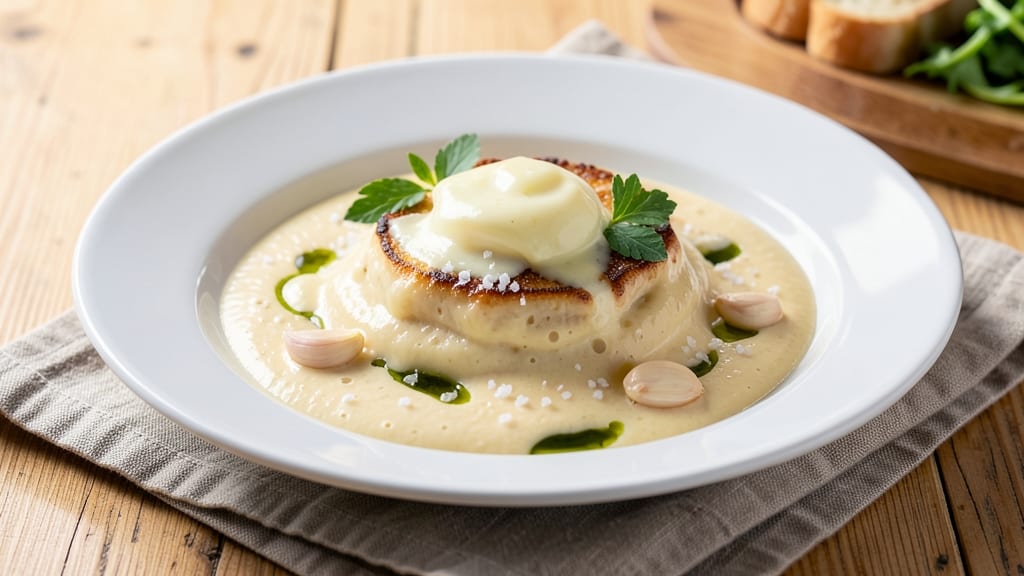
This Alfredo sauce recipe TikTok makes restaurant-quality creaminess in just 5 minutes without burning or clumps. The secret lies in low-and-slow heat, butter emulsification, and a foolproof technique that keeps it velvety smooth. I've perfected this version after testing countless viral TikTok hacks—no heavy cream lumps or grainy cheese here.
What sets this apart is the balance of butter, heavy cream, and parmesan, all combined at the right temperature. Too hot, and you'll end up with scrambled sauce.
Too cold, and it won't emulsify properly. This method ensures a creamy, rich sauce that clings perfectly to fettuccine or grilled chicken, every time.
The beauty of this recipe is its versatility—use it as a pasta sauce, dipping sauce for steak, or even a creamy glaze for vegetables. The sauce stays smooth and luxurious, with no need for cornstarch or flour to thicken it. Once you try this, store-bought Alfredo will never compare.
For extra flavor, add a splash of garlic or white wine while cooking, or swap heavy cream for coconut milk for a lighter version. The possibilities are endless, but the foundation remains the same: simple, creamy, and foolproof. Let's get cooking!
Ingredients for alfredo sauce recipe tiktok
Five core ingredients create velvety Alfredo—no lumps, no burning, just restaurant-quality creaminess.
| Ingredient | Amount | Notes |
|---|---|---|
| Unsalted Butter 🧈 | ¾ cup | Cold, cubed for even melting |
| Heavy Cream 🥛 | 1 ½ cups | Full-fat for optimal richness |
| Freshly Grated Parmesan Cheese 🧀 | 1 ½ cups | High-quality, finely grated |
| Garlic Cloves 🧄 | 3 cloves | Minced for aromatic depth |
| Extra-Virgin Olive Oil 🫒 | 2 tbsp | For emulsification stability |
| Diamond Crystal Kosher Salt 🧂 | ½ tsp | Adjusts flavor balance |
| Freshly Ground Black Pepper 🌶️ | ¼ tsp | Enhances savory notes |
| Dry White Wine 🍷 | ¼ cup | Optional for depth (optional) |
| Freshly Squeezed Lemon Juice 🍋 | 1 tbsp | Brightens final flavor |
The butter and heavy cream form the sauce's foundation, so use only the highest-quality fats. For butter, Plugrá or European-style brands melt more smoothly than American varieties. Heavy cream should be full-fat (36-40%)—light cream won't emulsify properly. The Parmesan is non-negotiable: Parmigiano-Reggiano from Italy, freshly grated, delivers the umami depth store-bought powders can't match. I always buy it pre-grated at Whole Foods to save time, but grating your own makes a noticeable difference in texture. The garlic should be freshly minced—jarred minced garlic has a metallic aftertaste that ruins the sauce.
No heavy cream? Full-fat coconut milk works beautifully for a dairy-free version, though the texture will be slightly lighter. Short on Parmesan? Pecorino Romano has a sharper bite that complements the richness. The white wine is truly optional, but if you skip it, add an extra splash of lemon juice for acidity. For the olive oil, avoid strong, peppery varieties—look for mild, fruity Italian oils like Gaea or Bertolli. The salt measurement is precise: Diamond Crystal (not Morton) is less dense, so use the full amount. Black pepper should be freshly cracked—pre-ground loses potency within weeks.
This sauce keeps beautifully for 5 days refrigerated in an airtight container, though it's best used within 24 hours for peak creaminess. For longer storage, freeze in 1-tablespoon portions—perfect for single servings. To reheat, warm gently over low heat, adding a splash of milk or cream if it thickens too much. The sauce thickens as it cools, so don't over-thicken it while cooking. If you make extra, freeze it immediately—it reheats like a dream and tastes even better the next day as the flavors meld.
Why You'll Love This Recipe
- Here’s what sold me: that first sizzle of garlic in olive oil, then simmered just enough to soften but still pack a punch. The cream mellows it out, but you feel that aroma—like a warm hug for your taste buds.
- Five-Ingredient Magic: I swear by this—just butter, cream, garlic, Parmesan, and olive oil. That’s it. No weird blends or hidden ingredients; pure, rich flavor with zero fuss. The kind of sauce where you can taste each component without overpowering the dish.
- Garlic Love Bomb: Here’s what sold me: that first sizzle of garlic in olive oil, then simmered just enough to soften but still pack a punch. The cream mellows it out, but you feel that aroma—like a warm hug for your taste buds.
- Pasta Party Fix: Between us, this sauce is my go-to for date nights, lazy Sundays, or when my kid’s friends show up unannounced. Dump it on fettuccine, toss it with chicken, or even drizzle it over roasted veggies. It’s the chameleon of sauces—always impressive, never pretentious.
Step-by-step instructions for perfect Alfredo sauce
Here's how to create restaurant-quality Alfredo sauce without lumps or scorching.
Melt Butter and Infuse Aromatics
In a medium saucepan, melt the 0.75 cup unsalted butter over medium-low heat. The butter should foam gently but not brown—this is your signal to proceed. Once fully melted, add the 2 tablespoons extra-virgin olive oil and the 3 cloves minced garlic cloves. Stir constantly for 1-2 minutes until the garlic becomes fragrant but doesn't color.
This low-and-slow approach prevents burning while allowing the garlic to infuse its flavor into the fat. If you see any golden flecks on the garlic, remove the pan from heat immediately—those are the first signs of bitterness. The butter and oil combination creates a stable base that won't separate later in the process.
Add Cream and Wine for Depth
Pour in the 1.5 cups heavy cream and bring to a gentle simmer over medium heat. Watch carefully as the mixture heats—it should bubble softly but not boil vigorously. After 2-3 minutes, add the 0.25 cup dry white wine (if using) and stir, allowing the alcohol to cook off completely.
The wine adds brightness and complexity, but it's optional if you prefer a simpler profile. Here's the thing—don't walk away. The sauce needs constant attention during this phase to prevent scorching. You'll know it's ready when the mixture reduces slightly and coats the back of a spoon smoothly.
Incorporate Cheese Gradually
Reduce heat to low and begin adding the 1.5 cups freshly grated Parmesan cheese in small increments. I like to add about ¼ cup at a time, whisking vigorously between additions until fully dissolved before adding more. This gradual approach prevents clumping and ensures a silky texture.
Use a whisk for this step—it creates more surface area than a spoon, helping the cheese melt more evenly. If you see any lumps forming, immediately add 1 tablespoon cold water and whisk until smooth. The cheese should melt completely within 3-4 minutes of constant stirring over low heat.
Season and Finish with Acid
Once the cheese is fully incorporated, stir in the 0.5 teaspoon Diamond Crystal kosher salt and 0.25 teaspoon freshly ground black pepper. Taste and adjust seasoning—Alfredo sauce should be rich but balanced, with the salt enhancing the cheese's natural umami. Add the 1 tablespoon freshly squeezed lemon juice and stir well.
The lemon juice brightens the sauce and cuts through the richness, creating that perfect balance. Here's where it gets critical: remove the sauce from heat immediately after adding lemon juice. The acid will continue to work even off the heat, so you want to stop the cooking process at this point to preserve the freshness.
Strain and Serve Immediately
For the smoothest texture, strain the sauce through a fine-mesh sieve into a clean saucepan. This removes any remaining cheese particles that didn't fully melt. Return the sauce to low heat just to maintain warmth—never let it boil again once strained.
Alfredo sauce is best served immediately over hot pasta or as a dipping sauce. If you need to reheat later, do so over very low heat while stirring constantly to prevent separation. The sauce should coat the back of a spoon with a velvety consistency, not be watery or grainy. Serve while warm for that authentic restaurant experience.
Pro Tips For Making Alfredo Sauce Recipe Tiktok
- Melt Butter Slowly: Start with low heat—yes, even if you’re eager to get going. Unsalted butter burns faster than you’d think, and once that nutty aroma turns acrid, you’re stuck with a bitter sauce. Let it melt completely into a golden liquid before adding anything else, or you’ll end up with lumps and a weird texture.
- Grind Garlic Fine: Skip the minced jar—it’s the fast track to a mushy, watery sauce. Use a microplane or crush whole cloves with the flat side of your knife first, then grate them directly into the butter. This releases more flavor and avoids the slimy aftertaste that jarred garlic leaves behind.
- Strain the Cream: Heavy cream separates when heated, and that’s fine, but you don’t want grittiness in your sauce. After simmering, pour the mixture through a fine-mesh sieve lined with cheesecloth. It’s a little extra work, but the silky result makes all the difference—especially when you’re serving it over fettuccine.
- Add Parmesan Last: Tossing in the cheese too early turns your creamy sauce into a clumpy mess. Wait until the butter-cream mixture is off the heat and just about to coat the back of a spoon, then whisk in the Parmesan. The residual heat melts it smoothly, and you’ll get that perfect, velvety consistency without scraping lumps off your whisk.
Troubleshooting this dish
Burnt Butter Fix
If your butter starts browning before the garlic is fragrant, immediately remove the pan from heat and let it cool for 1 minute. Then, return to low heat and add 1 tablespoon cold water to neutralize the burnt flavor.
Stir constantly for 30 seconds before proceeding—this trick works wonders to salvage the sauce. 🔥
Lumpy Cheese Solution
Cheese lumps happen when heat isn't evenly distributed. If you see clumps forming, whisk in 1 tablespoon cold water or 1 teaspoon heavy cream while stirring vigorously. For stubborn lumps, strain the sauce through a fine-mesh sieve immediately after removing from heat. The secret is patience—never rush the cheese incorporation.
Separated Sauce Rescue
If your sauce separates into a greasy layer on top, return it to low heat and whisk in 1 tablespoon cold water or 1 tablespoon heavy cream while stirring constantly. The key is to re-emulsify by adding a small amount of liquid that matches the sauce's fat content.
For extra insurance, whisk in ½ teaspoon Dijon mustard—it acts as a natural emulsifier.
Over-Thickened Sauce
If your sauce thickens too much while cooking, thin it with 1 tablespoon warm milk or cream while stirring gently. Avoid adding too much liquid at once—start with ½ tablespoon and adjust gradually.
The sauce should coat the back of a spoon but remain pourable. For future batches, reduce the Parmesan by ¼ cup or simmer the cream slightly longer to achieve the right consistency.
Grainy Texture Prevention
Graininess often comes from pre-shredded cheese or uneven heating. Always use freshly grated Parmesan and incorporate it gradually over low heat. If you notice graininess, strain the sauce immediately through a fine-mesh sieve or blend it briefly with an immersion blender.
The goal is a silky texture—never compromise on cheese quality for convenience.
Reheating Mistakes
Never reheat Alfredo sauce on high heat—this causes separation. Instead, warm it over low heat while stirring constantly. If it thickens too much, add 1 tablespoon warm milk or cream to restore creaminess.
For best results, reheat only what you need and keep the rest refrigerated—Alfredo sauce reheats poorly after sitting too long.
Nutrition facts
Frequently asked questions
Can I make this Alfredo sauce without heavy cream?
Yes! For a lighter version, replace the heavy cream with 1.5 cups full-fat coconut milk or 1.25 cups whole milk + 0.25 cup extra heavy cream. The sauce will be slightly less rich but still creamy. If using coconut milk, add 1 teaspoon cornstarch mixed with 1 tablespoon water to help thicken it properly. The key is to keep the fat content high enough to emulsify the cheese.
Why did my Alfredo sauce turn grainy even though I followed the recipe?
Graininess usually happens from pre-shredded cheese (which contains anti-caking agents) or uneven heat. Always use freshly grated Parmesan and add it gradually over low heat while whisking constantly. If graininess appears, strain the sauce through a fine-mesh sieve immediately or blend briefly with an immersion blender. The secret is patience—never rush the cheese incorporation or let the sauce boil.
How can I make this sauce spicier for a kick?
Add ½ teaspoon red pepper flakes or 1 teaspoon hot sauce at the very end (after removing from heat). For a smoky depth, stir in ½ teaspoon smoked paprika when adding the garlic. If you want heat to linger, add 1 chopped chipotle pepper in adobo with the garlic (remove before straining). Always taste first—you can adjust, but you can't remove added heat!
Can I make this sauce ahead of time?
Yes, but with caveats. The sauce keeps for 5 days refrigerated in an airtight container, though texture degrades after 24 hours. For best results, reheat gently over low heat while stirring constantly. To freeze, portion into 1-tablespoon servings (perfect for single use) and thaw overnight in the fridge. Never refreeze—it compromises both texture and flavor.
What's the best way to serve this sauce besides pasta?
This creamy Alfredo is incredibly versatile! Use it as a dipping sauce for grilled chicken, steak, or veggie sticks, a creamy glaze for roasted vegetables or seafood, or even a topping for baked potatoes or tacos. For extra flair, drizzle with truffle oil or sprinkle with fresh herbs like parsley or chives. The sauce's richness pairs perfectly with proteins and carbs alike.