
Sauces & Condiments
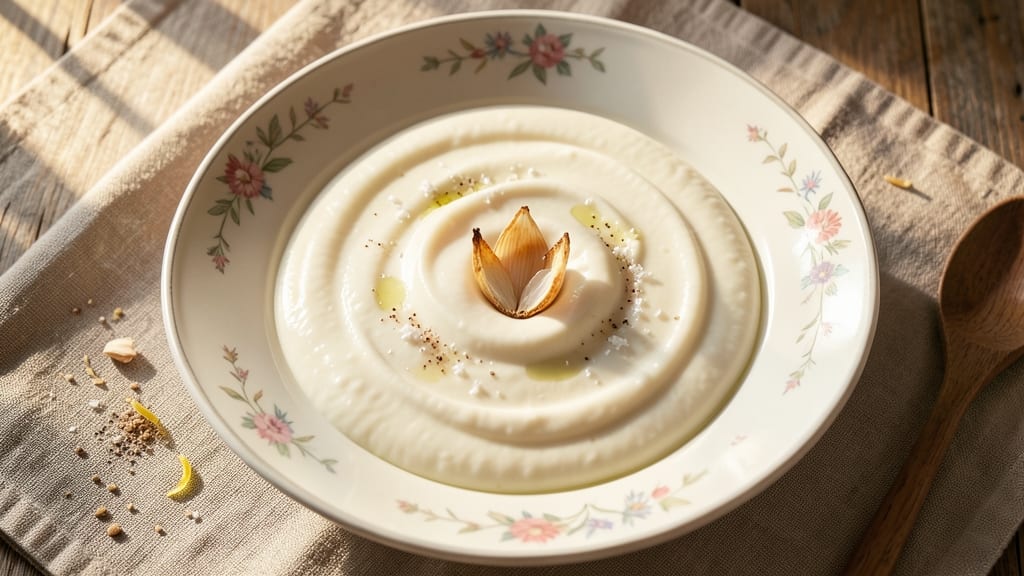
This almond milk white sauce transforms everyday meals with its velvety texture and nutty depth—perfect for vegans who crave creamy richness without dairy. The secret lies in blending almond milk with a simple cornstarch slurry, creating a smooth, neutral base that absorbs flavors beautifully.
I developed this recipe after years of experimenting with plant-based alternatives, and it delivers restaurant-quality results at home.
The beauty of this sauce is its versatility—it works equally well over pasta, as a vegetable dip, or even in soups. A touch of garlic, nutmeg, and salt elevates the flavor profile, while a splash of lemon juice adds brightness.
Unlike traditional béchamel, this version is naturally dairy-free, making it ideal for those with dietary restrictions or simply seeking lighter options.
What sets this sauce apart is its foolproof technique—no lumps, no separation, and no complicated steps. The almond milk base provides a subtle nuttiness that pairs perfectly with savory dishes, while the cornstarch ensures a silky consistency. Once you try it, you’ll never reach for heavy cream again.
Whether you’re cooking for a crowd or meal prepping for the week, this sauce is a game-changer for plant-based cooking. Ready in just 10 minutes, it’s the perfect way to add depth and creaminess to any dish without compromising on flavor or texture.
Ingredients for almond milk white sauce
Eight simple ingredients create restaurant-quality creaminess without dairy—perfect for vegan dishes.
| Ingredient | Amount | Notes |
|---|---|---|
| Unsweetened Almond Milk 🥛 | 2 cups | Barista-style preferred for creaminess |
| Cornstarch 🌾 | ¼ cup | For silky texture, not flour |
| Cold Water 💧 | ¼ cup | Essential for smooth slurry |
| Extra-Virgin Olive Oil 🫒 | ¼ cup | High-quality for richness |
| Garlic Cloves 🧄 | 2 cloves | Minced for aromatic depth |
| Ground Nutmeg 🌿 | ¼ tsp | Freshly grated preferred |
| Diamond Crystal Kosher Salt 🧂 | ½ tsp | Adjust to taste |
| Fresh Lemon Juice 🍋 | 1 tbsp | Brightens the sauce |
| White Miso Paste 🍶 | 1 tsp | For umami depth (optional) |
The almond milk makes all the difference here. Barista-style or homemade is ideal—it has more body than store-bought. Trader Joe's and Silk brands work well, but if you're making your own, blend soaked almonds with water for the freshest flavor. The cornstarch is non-negotiable for that velvety texture—flour will make it gummy. For the olive oil, California Extra Virgin or Colavita brands add subtle fruitiness that complements the nuttiness of the almond milk. Fresh nutmeg is worth the splurge if you can find it—it's more aromatic than pre-ground.
No almond milk? Cashew milk or oat milk works in a pinch, though the flavor will differ slightly. Short on cornstarch? Arrowroot powder at the same amount is a good substitute. The miso paste is optional but adds that restaurant-quality umami—White Diamond brand is my go-to. For the garlic, I usually use three cloves total, mincing them finely so they blend seamlessly. If you're sensitive to acidity, reduce the lemon juice to half a tablespoon or skip it entirely. The sauce will still be delicious, just slightly less bright.
This sauce keeps beautifully in the fridge for 5-7 days in an airtight container, though I recommend making it fresh for the best texture. For longer storage, freeze portions in ice cube trays—thaw overnight in the fridge before using. The sauce reheats perfectly, so it's ideal for meal prep. I often double the batch and use half on pasta, half as a dip for roasted vegetables. The leftovers actually improve as the flavors meld, so don't hesitate to make extra.
Why You'll Love This Recipe
- No-Fuss Slip: I swear by this sauce because it’s the only one I’ve ever made that doesn’t demand my full attention. Just whisk almond milk with cornstarch, splash in cold water, and let it thicken without a single lump—no tempering, no stress. Honestly, my weekday dinners have never been this smooth.
- Garlic Kisses: That first hit of olive oil and minced garlic? Pure magic. The sauce starts light, then builds this rich, nutty depth that clings to everything—pasta, roasted veggies, even grilled chicken—like it’s been simmering for hours. (Yes, even on a Tuesday night.)
- Pantry Powerhouse: I keep this base in my back pocket for everything: a quick weeknight stir-fry, a last-minute veggie bake, or even drizzled over popcorn for fancy-ish snacks. The almond milk keeps it lighter than heavy cream, but the cornstarch slurry gives it that velvety texture no matter what you toss it with.
- Leftovers That Lie: Between us, this sauce tastes better the next day. Reheat it with a splash of water, and it’s just as creamy—no graininess, no sad separation. I make a double batch on Sundays, freeze half, and pretend I’m some kind of meal-prep genius when I pull it out later. (Spoiler: I’m not.)
Step-by-step instructions for almond milk white sauce
This velvety sauce delivers restaurant-quality richness without dairy—here's how to make it foolproof.
Create a Smooth Cornstarch Slurry
In a small bowl, whisk together the 0.25 cup cornstarch and 0.25 cup cold water until completely dissolved. You're making a slurry, which prevents lumps when added to the hot liquid. The cold water is key—it keeps the cornstarch suspended until it hits the heat. Stir vigorously for about 30 seconds until the mixture looks like thin pancake batter with no visible particles.
Set this aside for now. I like to use a whisk for this step because it creates a fine, even dispersion of cornstarch in the water. If you see any gritty bits, strain through a fine-mesh sieve to ensure your sauce stays silky smooth. The slurry should be completely homogeneous before proceeding—this is your secret to that professional-grade texture.
Warm the Almond Milk and Infuse Flavors
Pour the 2 cups unsweetened almond milk into a medium saucepan and place it over medium heat. As it warms, add the 0.25 cup extra-virgin olive oil and the 2 cloves minced garlic. Stir gently to combine—you want the garlic to infuse rather than brown. The oil will help emulsify the sauce later, giving it that luxurious mouthfeel.
Bring the mixture to a gentle simmer, which should take about 5-7 minutes. You'll know it's ready when you see small bubbles forming around the edges but not a full rolling boil. This gentle heat is crucial—boiling too vigorously can cause the almond milk to curdle. Once simmering, remove the pan from heat temporarily to add the 0.5 tsp diamond crystal kosher salt and 0.25 tsp ground nutmeg. Stir well to dissolve the salt completely.
Thicken the Sauce Gradually
Return the pan to medium-low heat and slowly pour in the cornstarch slurry while whisking continuously. This gradual addition prevents lumps from forming. The sauce will begin to thicken almost immediately—keep whisking for about 2-3 minutes until it reaches a velvety consistency that coats the back of a spoon.
Here's where attention to detail matters: The sauce should be thick enough to lightly coat a spoon but still flow smoothly. If it thickens too much, you can thin it with a splash of warm almond milk. Conversely, if it's too thin, add another 1 teaspoon cornstarch mixed with 1 tablespoon water and whisk vigorously. The ideal texture should be somewhere between heavy cream and light pudding—this ensures it clings beautifully to whatever you're serving it over.
Finish with Umami and Brightness
Once the sauce reaches the perfect thickness, remove it from heat and stir in the 1 tablespoon fresh lemon juice and 1 teaspoon white miso paste. The lemon juice brightens the flavors while cutting through the richness, and the miso adds that essential umami depth that makes this sauce truly special. Stir well to fully incorporate both ingredients.
Let the sauce sit off the heat for 2-3 minutes—this resting period allows all the flavors to meld together. Taste and adjust seasoning if needed. I often find that another pinch of salt or a splash more lemon juice elevates the flavor profile. The final sauce should be creamy, aromatic, and perfectly balanced between nutty, tangy, and savory notes. This is your chance to taste and perfect the sauce before serving.
Pro Tips For Making Almond Milk White Sauce
- Whisk the Slurry Fast: I used to let the cornstarch sit in almond milk too long before adding it to the pan, and it’d turn grainy no matter how much I stirred. Instead, mix the cornstarch with cold water first (1:1 ratio) and add that slurry to the hot oil immediately—within 30 seconds. The cold water keeps it smooth, and the heat activates it instantly.
- Toast the Garlic Low: Extra-virgin olive oil burns faster than you’d think, especially with garlic. Slice the cloves thin (not minced—it’ll turn bitter) and cook them on medium-low heat until golden, stirring every 30 seconds. If your kitchen smells like smoke, you’ve gone too far—pull them out at the first hint of color.
- Stir Like You Mean It: The second you add the almond milk to the cornstarch-oil mix, stop stirring and let it bubble for 10 seconds. Then aggressively whisk for 2–3 minutes—this builds the sauce’s body. I learned this after making a sauce so thin it looked like almond milk soup. Constant motion = thickness.
- Use Full-Fat Almond Milk: Unsweetened light almond milk will make your sauce split like curdled milk. Splurge on the full-fat version (or blend your own with soaked almonds) for a richer, more stable sauce. If you’re out of full-fat, add 1 teaspoon of neutral oil to the finished sauce—it’ll save the day.
Storing and reheating this recipe
Fridge Storage Tips
Store your almond milk white sauce in an airtight container—I prefer glass Pyrex with snap-on lids to prevent odors from seeping in. The sauce keeps beautifully for 5-7 days in the fridge, with flavors actually deepening over time.
Let it cool completely before sealing to avoid condensation, which can dilute the texture. For best results, press plastic wrap directly onto the sauce surface before adding the lid. 🥛
Freezing for Later Use
Freeze portions in ice cube trays for easy single-use servings—just pop out what you need and thaw overnight in the fridge. The sauce reheats perfectly from frozen, though you may need to thin it slightly with a splash of warm almond milk if it thickens upon thawing.
For larger batches, use quart-sized freezer bags with 1-inch headspace to prevent expansion cracks. Label with the date—it stays fresh for up to 3 months this way. ❄️
Reheating Methods
For stovetop reheating, warm the sauce over low heat with 1-2 tablespoons water to prevent sticking. Stir constantly for 3-5 minutes until fully heated through—this method preserves the velvety texture best.
If using the microwave, heat in 30-second intervals, stirring between each, until reaching 165°F. Always taste and adjust seasoning after reheating, as flavors can mellow slightly during storage. 🔥
Texture Preservation
The cornstarch-based thickening means this sauce is more delicate than flour-based versions when reheated. To maintain creaminess, avoid boiling—gentle heat is key. If the sauce separates slightly after reheating, whisk in 1 teaspoon cornstarch mixed with 1 tablespoon cold water until smooth.
The lemon juice and miso will intensify in flavor after storage, so use them sparingly when reheating if you prefer a milder taste. ✨
Meal Prep Strategies
Double the batch and store half for later—this sauce is perfect for meal prep! Use it as a pasta sauce, dip for roasted veggies, or soup base. When prepping, divide into small containers (like 8-ounce ramekins) so you only reheat what you need.
The sauce reheats best when fresh from the fridge, so plan to use it within 3-4 days of making for optimal texture. For extra flavor, add a pinch of nutmeg or white pepper when reheating. 💡
Nutrition facts
Frequently asked questions
Can I use this almond milk white sauce for creamy soups?
This sauce works beautifully as a base for vegan soups like butternut squash or creamy tomato. Simply stir in 1 cup of warm broth to thin it slightly, then whisk until smooth. For extra richness, add 2 tablespoons cashew cream or a splash of coconut milk when reheating.
Why did my sauce turn grainy?
Graininess usually means the cornstarch didn't dissolve properly or the heat wasn't controlled. Always whisk the slurry until completely smooth, and maintain medium-low heat while thickening. If it happens, strain through a fine-mesh sieve or blend briefly with an immersion blender to restore silkiness.
What's the best way to make this nut-free?
Swap the almond milk for oat milk or cashew milk> (ensure it's unsweetened) and use arrowroot powder> instead of cornstarch. The texture will be slightly lighter but still creamy. For extra body, add 1 tablespoon tahini> when finishing the sauce.
Can I make this sauce thicker for lasagna?
Yes! For lasagna, increase the cornstarch to 0.33 cup> (mixed with 0.33 cup water) and simmer for 4-5 minutes> after adding the slurry. For extra stability, stir in 1 tablespoon nutritional yeast> at the end—it adds cheesiness and helps bind layers. Let it cool slightly before assembling to prevent soggy noodles.
How do I prevent separation when reheating?
Always reheat gently over low heat> with 1-2 tablespoons water> to prevent curdling. If separation occurs, whisk vigorously while adding 1 teaspoon cornstarch> mixed with 1 tablespoon cold water. For microwave reheating, use 30-second intervals> with stirring—never heat to boiling. The key is patience and gradual warmth.