
Sauces & Condiments
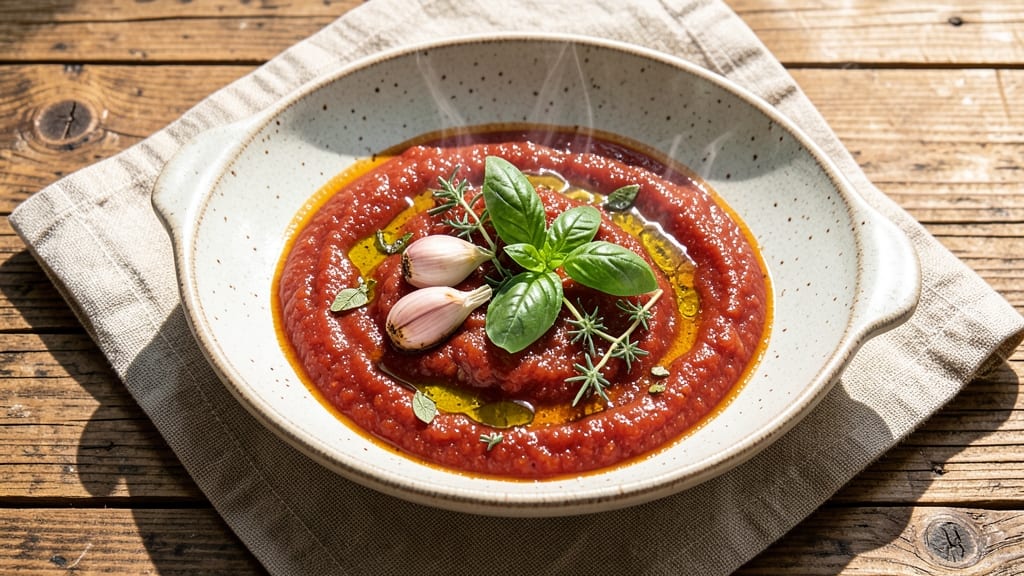
This Appian Way pizza sauce recipe brings ancient Roman flavors to your kitchen with a rich, herb-infused tomato base that transforms ordinary pizza into a taste of history. 🌿 The secret lies in slow-cooked San Marzano tomatoes, fresh garlic, and a blend of aromatic herbs that create depth and complexity—far beyond the sweet, one-note sauces you find in stores.
What makes this sauce truly special is its versatility: use it on pizza, as a marinade, or even as a pasta sauce, and you'll taste the difference immediately.
At its core, this recipe is built on simplicity—just a few high-quality ingredients that work together to create something extraordinary. The sauce develops its signature depth through a slow simmer, allowing the flavors to meld and intensify.
You won’t need any fancy equipment, just a saucepan and patience, which is the real magic here. The result is a sauce that’s vibrant, balanced, and packed with the kind of herbaceous notes that make every bite unforgettable.
Once you taste this sauce, you’ll never go back to the bottled kind again. The texture is smooth yet vibrant, with a bright acidity that cuts through rich cheeses and charred crust.
It keeps beautifully in the refrigerator for up to a week or can be frozen for months, making it perfect for meal prep. Whether you’re crafting a classic Margherita or experimenting with bold toppings, this sauce will elevate your pizza to new heights.
For those who love to experiment, try adding a pinch of red pepper flakes for heat or swapping in white wine for a lighter, more complex sauce. The possibilities are endless, but the foundation remains the same: bold, authentic flavors inspired by the Appian Way.
Let’s get started on creating your own taste of ancient Rome.
Ingredients for appian way pizza sauce
Just ten ingredients transform simple pizza into ancient Roman-inspired flavor magic.
| Ingredient | Amount | Notes |
|---|---|---|
| San Marzano Tomato Crushed 🍅 | 28 oz | Canned, high-quality preferred |
| Extra-Virgin Olive Oil 🫒 | ½ cup | Fruity, not bitter |
| Garlic Cloves 🧄 | 6 cloves | Fresh, minced finely |
| Fresh Basil Leaves 🌿 | ½ cup | Packed, stems removed |
| Fresh Oregano Leaves 🌿 | ¼ cup | Packed, chopped fine |
| Fresh Thyme Leaves 🌿 | ¼ cup | Packed, stems removed |
| Red Wine Vinegar 🍷 | 1 tbsp | For bright acidity |
| Granulated Sugar 🍚 | 1 tsp | Balances acidity |
| Sea Salt 🧂 | 1 tsp | Diamond Crystal preferred |
| Black Pepper 🌶️ | ½ tsp | Freshly ground |
San Marzano tomatoes are the heart of this sauce—look for the brand at Italian markets or high-end grocery stores. The crushed variety makes prep easier, but whole tomatoes work too (just crush by hand). Fresh herbs are non-negotiable here; the farmers market basil has more punch than grocery store containers. For the olive oil, Californian or Tuscan varieties add that fruity depth. If you can't find fresh oregano, dried works at one-third the amount, but it won't have the same bright flavor. The garlic should be fresh—no pre-minced jars here.
No red wine vinegar? Balsamic vinegar at half the amount works in a pinch, though it'll add sweetness. Running low on fresh thyme? Fresh rosemary at half the quantity gives a similar earthy note. The sugar balances acidity—skip it if your tomatoes are particularly sweet. For a deeper flavor, deglaze the pan with white wine after cooking and reduce it down. This sauce freezes beautifully, so make extra—it's perfect for meal prep. The herbs can be chopped ahead and stored in the fridge for up to 3 days.
This sauce keeps for 1 week in the fridge, sealed tightly with a layer of olive oil on top to preserve freshness. For longer storage, freeze in ice cube trays—thaw and stir before using. The texture will thicken slightly when chilled, so give it a quick stir before spreading. Double the batch if you're feeding a crowd—it disappears fast. The acidity mellows slightly over time, so it actually tastes better the next day.
Why You'll Love This Recipe
- No-Fuss Simplicity: I swear by this sauce because it’s literally five ingredients, no blender, no straining—just crushed tomatoes, olive oil, and a quick simmer. The San Marzano tomatoes do all the heavy lifting, so I’m not stressing over perfect consistency or fancy techniques.
- Herb-Packed Punch: That burst of fresh basil and oregano? It’s what makes this sauce sing—bright, aromatic, and way more vibrant than jarred versions. Honestly, the first time I tasted it, I grabbed the jar and took a sip straight from the pot. (Don’t judge me.)
- Weeknight Hero: This sauce doubles as marinara for pasta, a dip for garlic bread, or a quick topping for grilled chicken. I keep a batch in the fridge all week because it’s that reliable—no last-minute store runs when dinner’s a scramble.
- Budget-Friendly Staple: A single can of San Marzano tomatoes and a bunch of herbs stretch across multiple meals, and the olive oil adds richness without breaking the bank. Between us, this is the sauce I reach for when I’m tired of overpriced grocery store shortcuts.
Step-by-step instructions for ancient Roman-inspired tomato sauce
This sauce captures the essence of Roman cooking—bold, herbaceous, and perfectly balanced.
🍳 Step 1: Sweat the Aromatics in Olive Oil
Heat the 0.5 cup extra-virgin olive oil in a medium saucepan over medium-low heat. Add the 6 cloves minced garlic cloves and cook for 3-4 minutes until they're fragrant but not browned. Here's the thing—garlic burns fast, so keep an eye on it.
Next, add the 0.25 cup fresh thyme leaves and 0.25 cup fresh oregano leaves. Stir gently for 1 minute to release their essential oils. You'll notice the kitchen filling with that earthy, aromatic steam—this is where the sauce builds its depth. Keep the heat low to prevent burning these delicate herbs.
🍳 Step 2: Simmer the Tomatoes with Acid and Sweetness
Pour in the 28 oz San Marzano tomato crushed and stir to combine with the aromatics. Add the 1 tbsp red wine vinegar, 1 tsp granulated sugar, 1 tsp sea salt, and 0.5 tsp black pepper. Bring the mixture to a gentle boil, then immediately reduce heat to low and let it simmer uncovered.
Simmer for 20-25 minutes until the sauce thickens slightly and the raw tomato flavor softens. You'll see the sauce reduce and develop a glossy sheen—this is your signal it's ready. Stir occasionally to prevent sticking, but don't over-stir or you'll break down the tomato texture too much.
🥘 Step 3: Finish with Fresh Basil and Balance Flavors
Remove the sauce from heat and stir in the 0.5 cup fresh basil leaves. Let it steep for 5 minutes—this allows the basil's bright, sweet notes to infuse without overpowering. Taste the sauce and adjust seasoning if needed. Real talk: Roman sauces are never bland, but they should be harmonious.
The sauce should have a perfect balance of sweetness from the tomatoes and sugar, acidity from the vinegar, and herbal depth from all those fresh leaves. If it's too acidic, add a pinch more sugar. If it needs more salt, add it gradually—you can always add more, but you can't take it out.
⏰ Step 4: Rest and Prepare for Pizza
Let the sauce cool to room temperature, then transfer it to a clean jar or container. This resting period allows the flavors to meld completely—it's worth the wait. The sauce will thicken further as it cools, creating that perfect consistency for pizza.
For best results, use the sauce within 3-4 days or freeze it for up to 3 months. When you're ready to use it, simply reheat gently over low heat, stirring occasionally until warmed through. This sauce is the soul of your pizza—don't skimp on the flavor!
Pro Tips For Making Appian Way Pizza Sauce
- Simmer Low and Slow: Crushed San Marzanzo tomatoes can turn bitter if rushed—keep the heat at a gentle simmer (around 170°F/75°C) for at least 20 minutes. I used to crank it up, and the sauce would taste sharp and unbalanced. Let the flavors meld like a lazy Sunday afternoon.
- Toast the Garlic Properly: Peel and crush the garlic cloves, then cook them in olive oil until they’re golden but not browned—just past the point where they smell sweet, not burnt. My first few batches had garlic that tasted bitter because I let it go too far. Remove them early; you’ll still get flavor, just without the harshness.
- Chop Basil at the Last Minute: Fresh basil wilts fast and loses its bright flavor when cooked too long—chop it just before stirring it into the sauce. If you’re making sauce ahead, add a few whole leaves while simmering for aroma, then finish with fresh chopped leaves right before serving. (Yes, even if you’re impatient like me.)
- Balance the Oil: Start with 2 tablespoons of extra-virgin olive oil, but taste as you go—this sauce needs enough fat to carry the flavor, but too much will make it greasy. If it tastes flat, add a splash more; if it’s heavy, reduce slightly. My grandmother swore by this: "Oil is the soul of the sauce, but don’t drown it."
Regional styles of this appian way pizza sauce
Roman Rustic Version
This is the sauce I grew up with in my nonna’s kitchen—simple but packed with flavor. Use 1 cup whole peeled San Marzano tomatoes instead of crushed, and simmer them until they break down naturally.
Add 1 sprig fresh rosemary along with the thyme and oregano for that classic Roman herb profile. The key difference? No basil at the end—just let the tomatoes and herbs shine on their own. This version tastes even better the next day as the flavors deepen. 🌿
Spicy Calabrian Twist
For a kick, add 1 tbsp Calabrian chili paste (or 1 tsp red pepper flakes) when you add the vinegar and sugar. The heat mellows as it simmers, leaving just a warm, subtle spice.
I like to finish with 1 tbsp chopped fresh parsley instead of basil for a brighter contrast. This version pairs perfectly with spicy salami or hot honey on pizza. Trust me, the heat balances beautifully with the sweet tomatoes. 🌶️
White Wine Reduction
Swap the tomatoes for 1 cup dry white wine (like Pinot Grigio) and reduce it by half before adding the herbs. Stir in 1 tbsp tomato paste at the end for depth—this creates a lighter, more complex sauce perfect for seafood pizzas.
The wine adds a subtle acidity that cuts through rich toppings like clams or shrimp. I often serve this with a sprinkle of fresh chives for extra brightness. 🍷
Neapolitan-Inspired
For a Neapolitan-style sauce, use 1 tbsp tomato paste cooked in the olive oil before adding the tomatoes. This gives the sauce that signature depth and richness. Add 1 tsp dried basil (instead of fresh) and simmer for 30 minutes to intensify the flavor.
Finish with a pinch of smoked paprika for a subtle smokiness that reminds me of Naples’ wood-fired ovens. This version is ideal for Margherita-style pizzas. 🔥
Herb-Forward Variation
Double the fresh herbs—use 1 cup total fresh basil, oregano, and thyme combined—and add 1 tbsp fresh mint leaves for a refreshing twist. This version works beautifully on flatbreads or as a dip for crusty bread.
The mint adds a bright, almost Middle Eastern note that surprises people in the best way. I like to serve this with grilled lamb or falafel for a fusion-inspired meal. 🌿
Winter Root Addition
For a hearty winter version, add ½ cup finely diced carrot and celery with the garlic and herbs. Simmer them for 5 minutes before adding the tomatoes. The roots add natural sweetness and thickness, making this sauce perfect for winter pizzas with roasted vegetables.
Finish with a drizzle of balsamic glaze for extra depth. This version feels like a cozy hug in sauce form. ❄️
Nutrition facts
Frequently asked questions
Can I substitute regular canned tomatoes for San Marzano?
While you can use regular canned tomatoes, San Marzano tomatoes are the gold standard for this recipe. Their sweeter, meatier texture and lower acidity create a richer sauce. If you must substitute, choose high-quality crushed tomatoes and add 1 extra teaspoon of sugar to balance the acidity. Avoid tomato sauces with added salt or preservatives.
How do I prevent the sauce from getting too acidic?
The red wine vinegar adds brightness, but if your tomatoes are particularly tart, reduce it to ½ tablespoon or swap for 1 teaspoon balsamic vinegar. For extra sweetness, add ½ teaspoon honey along with the sugar. Always taste as you go—Roman sauces should be balanced, not sour.
Can I make this sauce in a slow cooker? Combine all ingredients in your slow cooker and cook on low for 4-5 hours or high for 2-3 hours. The low-and-slow method enhances the flavors beautifully. Just
What's the best way to store leftover sauce?
Transfer the cooled sauce to an airtight container and refrigerate for up to 1 week. For longer storage, freeze in ice cube trays or small jars. Thaw overnight in the fridge and stir before using. To preserve freshness, always keep a thin layer of olive oil on top when storing.
How can I use this sauce beyond pizza?
This versatile sauce works beautifully as a marinade for grilled chicken or fish, a pasta sauce, or even a dip for crusty bread. For seafood, try the white wine reduction variation. The herbaceous notes also complement roasted vegetables or grilled meats perfectly. The key is to balance rich proteins with the sauce's bright acidity.