
Sauces & Condiments
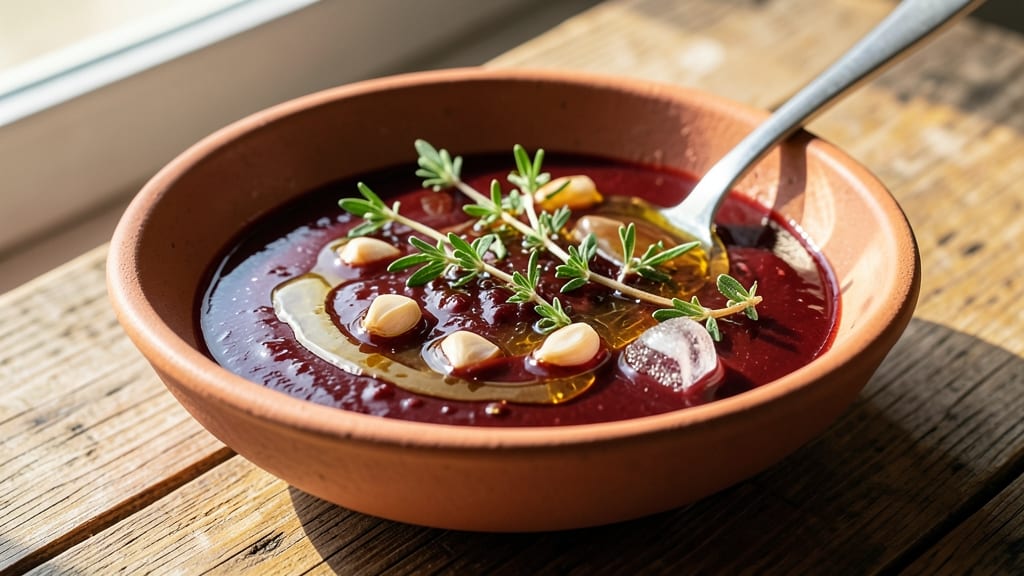
This apple cider vinegar sauce recipe transforms simple roasted vegetables and meats into restaurant-worthy dishes with just a few pantry staples. The secret lies in balancing tangy apple cider vinegar with sweet honey and aromatic herbs, creating a glaze that caramelizes beautifully while adding depth to every bite.
I developed this sauce after years of experimenting with vinegar-based marinades, and it’s become my go-to for adding brightness to both weeknight dinners and special occasions.
The magic happens when you simmer vinegar, honey, and spices until thickened—no fancy equipment required. A splash of water keeps the sauce glossy, while fresh thyme or rosemary adds an herbal note that elevates everything from roasted carrots to grilled chicken.
What you’ll end up with is a versatile, tangy-sweet glaze that’s easy to make, stores well, and turns ordinary dishes into standout meals.
This sauce works as a marinade, finishing glaze, or even a salad dressing, making it a must-have in your culinary toolkit. The balance of acidity and sweetness cuts through richness while enhancing natural flavors, and the process takes less than 10 minutes.
Whether you’re roasting vegetables, searing meats, or drizzling over a fresh salad, this glaze adds a professional touch without the complexity.
Once made, it keeps in the refrigerator for up to two weeks, so you can batch-prep and use it whenever inspiration strikes. The key to success?
Patience while simmering—let it reduce until it coats the back of a spoon, and you’ll have a sauce that’s foolproof, flavorful, and impossible to resist. Let’s get started!
Ingredients for apple cider vinegar sauce
Pantry staples meet fresh herbs for this restaurant-worthy glaze that transforms ordinary dishes into showstoppers.
| Ingredient | Amount | Notes |
|---|---|---|
| Apple Cider Vinegar 🍏 | ½ cup | Raw, unfiltered preferred |
| Raw Honey 🍯 | ⅓ cup | Wildflower or clover variety |
| Fresh Thyme Leaves 🌿 | ¼ cup | Stems removed, loosely packed |
| Garlic Cloves 🧄 | 3 cloves | Peeled, roughly chopped |
| Extra-Virgin Olive Oil 🫒 | ¼ cup | Peppery, fruity variety |
| Water 💧 | ¼ cup | Room temperature preferred |
| Diamond Crystal Kosher Salt 🧂 | ½ tsp | Fine grain preferred |
| Fresh Rosemary Sprigs 🌿 | 2 sprigs | Tender stems included |
| Ground Black Pepper 🌶️ | ¼ tsp | Freshly cracked preferred |
| Pure Maple Syrup 🍁 | 1 tbsp | Grade A for subtle flavor |
The apple cider vinegar is the heart of this sauce—Bragg or Texas Pete are my go-tos for their deep apple flavor. Look for raw, unfiltered varieties at Whole Foods or Trader Joe's for that extra complexity. Fresh thyme and rosemary are non-negotiable here; dried will work in a pinch but lacks that bright herbal punch. The honey should be raw and unprocessed—Manuka or wildflower varieties add subtle floral notes that elevate everything. For the olive oil, splurge on a peppery, fruity extra-virgin like California Gold or Bertolli—it makes all the difference when you drizzle that final touch.
No fresh thyme? Dried thyme at one-third the amount works, but you'll miss that fresh aroma. Short on rosemary? Fresh oregano or a bay leaf adds depth, though rosemary's piney notes are signature here. Running low on honey? Agave nectar or light corn syrup are neutral substitutes (though honey's floral notes are ideal). The maple syrup can be swapped for date syrup or light molasses if you prefer a deeper caramel flavor. For a quicker version, skip the fresh herbs entirely and use 1 tsp dried thyme plus 1 tsp dried rosemary—just remember to toast the dried herbs first for better flavor.
This sauce keeps beautifully in a glass jar in the fridge for up to 2 weeks, with the flavors actually deepening over time. For longer storage, freeze in ice cube trays—perfect for single-use portions. The glaze thickens as it cools, so always stir in a splash of water or vinegar before using if it seems too stiff. I double the batch every time—one for immediate use, one to stash in the freezer for lazy weeknights. The key to reheating? Low heat only—just warm through gently to preserve that glossy finish.
Why You'll Love This Recipe
- Five-Ingredient Magic: I swear by this one—just vinegar, honey, thyme, garlic, and olive oil. No fancy techniques, no last-minute grocery runs. Honestly, I keep the ingredients in a jar in my pantry and toss them together when I’m too tired to think.
- Tangy-Sweet Balance: That first bite? The vinegar cuts through the honey’s sweetness while the garlic and thyme add depth. It’s bright, not bitter, and the olive oil ties it all together—like a hug in sauce form.
- Dresses Any Meal: Drizzle it over roasted veggies, toss it with pasta, or slather it on grilled chicken. I’ve even used it as a marinade for tofu. Between us, it’s my go-to for when I’m bored of the same old dressings.
- Pantry Goldmine: No waste here—this sauce keeps for weeks in the fridge, and the ingredients are cheap. I make a big batch on Sundays, and by Thursday, I’m still finding reasons to use it up. Budget-friendly doesn’t mean boring.
Step-by-step instructions for apple cider vinegar glaze
This bright, tangy glaze comes together in minutes with simple techniques.
Bloom the Herbs and Aromatics
In a small saucepan, combine the 0.25 cup fresh thyme leaves and 2 sprigs fresh rosemary sprigs with the 0.25 cup extra-virgin olive oil over low heat. Let them steep for 2-3 minutes until you can smell their fragrant oils releasing. This gentle heating draws out their essential flavors without burning them.
Add the 3 peeled garlic cloves and cook for another 30 seconds until they're just beginning to turn golden around the edges. Remove from heat immediately—garlic burns quickly, and you want to preserve its sweet, mellow flavor rather than let it turn bitter. The pan should smell rich and aromatic at this stage, with the herbs infusing the oil beautifully.
Build the Base with Vinegar and Honey
Return the saucepan to medium heat and add the 0.5 cup apple cider vinegar and 0.33 cup raw honey. Stir to combine, then increase heat to medium-high until the mixture reaches a gentle simmer. Let it cook for 3-4 minutes until it thickens slightly and begins to coat the back of a spoon.
Here's where the magic happens: the acidity of the vinegar cuts through the honey's sweetness, creating that perfect balance we're after. Watch for small bubbles forming at the edges—this tells you the liquid is reducing properly. If it starts to bubble vigorously, reduce heat slightly to maintain a steady simmer rather than a boil.
Finish with Water and Seasonings
Pour in the 0.25 cup water and 1 tablespoon pure maple syrup, then add the 0.5 teaspoon diamond crystal kosher salt and 0.25 teaspoon ground black pepper. Stir well to combine all ingredients. The sauce should now have a glossy sheen and be slightly syrupy in consistency—if it's too thick, add another 1 tablespoon water and simmer for another minute.
Taste and adjust seasoning if needed. I usually find the honey provides enough sweetness, but if you prefer more tartness, you can add a splash more vinegar. The key is balancing the bright acidity with the rich honey and subtle maple notes. This glaze should coat your tongue with equal parts tang and sweetness, finishing with herbal depth.
Strain and Cool for Perfect Texture
Remove the saucepan from heat and strain the mixture through a fine-mesh sieve into a clean bowl, pressing gently on the herbs with a spoon to extract every last drop of flavor. Discard the solids. Let the glaze cool to room temperature—this allows the flavors to meld completely and the texture to thicken slightly as it cools.
If you're using this glaze immediately, you can proceed while it's still warm, but I find it develops even better flavor when allowed to rest for 30 minutes before using. The cooling process also lets you adjust the consistency—if it's too thick, thin with a splash of water; if too thin, simmer briefly to reduce.
Use Immediately or Store
This versatile glaze works beautifully drizzled over roasted vegetables, grilled meats, or even as a marinade. For best results, use it within 3 days when stored in an airtight container in the refrigerator. To reheat, warm gently in a saucepan over low heat, stirring occasionally until just warmed through—never boil, as this can alter the delicate balance of flavors.
The glaze should coat your food with a glossy sheen and deliver that perfect balance of sweet, tangy, and herbal notes in every bite. The acidity cuts through rich meats, while the honey and maple syrup add just the right amount of caramelized depth. For extra shine, brush it on just before serving—it'll transform even simple dishes into something special.
Pro Tips For Making Apple Cider Vinegar Sauce
- Simmer Slow and Low: This sauce isn’t a race—keep the heat at a gentle simmer (think tiny bubbles, not rolling). I used to crank it up, and the vinegar would just evaporate into thin air, leaving a sad, cloying syrup. Let it work its magic at medium-low for 8-10 minutes, stirring occasionally, so the flavors meld instead of fighting.
- Toast the Garlic First: Whole garlic cloves in this sauce? Crush them lightly with the flat of a knife first, then sauté in olive oil until they’re golden and fragrant—about 3 minutes. Raw garlic will overpower the dish; toasted garlic adds depth without bitterness. (Yes, even if you’re impatient like me.)
- Balance the Vinegar: Apple cider vinegar is bold, and raw honey is sweet—taste as you go. If the sauce tastes harsh, add a splash more honey. If it’s too sweet, a pinch of salt or a squeeze of lemon juice cuts through. I learned this the hard way after making a batch that tasted like a baker’s mistake.
- Strain the Thyme: Fresh thyme leaves are great, but strained thyme makes the sauce silky. After simmering, press the leaves against the side of a fine-mesh strainer to extract every bit of flavor, then discard them. (This isn’t the prettiest method, but it’s the tastiest.)
Regional styles of this dish
New England Apple Cider Tradition
In New England, this glaze takes center stage during fall harvest festivals, where it’s drizzled over roasted pork tenderloin or brushed onto cornbread. The region’s love for apple cider vinegar (thanks to orchards like those in Vermont) makes this sauce a staple.
I’ve seen it used as a glaze for maple-glazed ham at Thanksgiving, where the vinegar’s acidity cuts through the richness of the cured meat. 🍎
For an authentic touch, swap the rosemary for fresh sage—a classic pairing in New England cooking. The sage’s earthy notes complement the apple cider beautifully, especially when drizzled over roasted Brussels sprouts or grilled chicken thighs.
Locally sourced honey from New England beekeepers adds depth, but any raw honey works in a pinch.
Southern BBQ Twist
In the South, this glaze becomes a smoky-sweet BBQ sauce when combined with ½ cup tomato paste and a dash of smoked paprika. It’s perfect for brushing onto pulled pork or as a dipping sauce for fried chicken.
I’ve made this version at summer cookouts, and it’s a crowd-pleaser—especially when served with cornbread and collard greens. 🍗
For extra smokiness, add 1 tablespoon of liquid smoke or a dried chipotle pepper (soaked in vinegar) to the simmering sauce. The Southern adaptation keeps the tangy-sweet balance but adds a bold, smoky kick that pairs perfectly with grilled ribs or brisket.
Use a cast-iron skillet for grilling to enhance the smoky flavor.
Pacific Northwest Herb Infusion
The Pacific Northwest version swaps rosemary for fresh cedar tips (if available) and adds a splash of blackberry balsamic vinegar for depth. This works beautifully with grilled salmon or roasted beets.
I first tried this adaptation at a Seattle farmers' market, where foragers shared their love for wild herbs like Oregon grape leaves—though thyme still anchors the flavor. 🌲
For a local touch, use Pacific Northwest honey (like Willamette Valley wildflower) and finish with a sprinkle of toasted hazelnuts for crunch. The cedar’s piney aroma pairs surprisingly well with the apple cider’s brightness, making it a unique twist on the classic glaze.
Serve it over grilled asparagus or seared scallops for a restaurant-worthy dish.
Midwest Farmhouse Comfort
In the Midwest, this glaze is a weeknight staple for roasted pork chops or mashed potatoes. The region’s love for apple cider (think Michigan orchards) makes this sauce a natural fit.
I’ve used it as a pan sauce for pan-seared chicken, deglazing the pan with vinegar and scraping up the browned bits for extra flavor. 🥔
For a comfort-food twist, stir in 1 teaspoon of Dijon mustard and a pinch of ground mustard seeds to add a tangy kick. The Midwest version is all about simplicity and heartiness—perfect for family dinners.
Store it in a mason jar on the fridge shelf for easy access during meal prep.
Nutrition facts
Frequently asked questions
Can I make this sauce without honey?
Swap the honey for agave nectar or maple syrup in equal amounts. For a lower-sugar option, try monk fruit sweetener (use half the amount) or even date syrup for a caramel-like depth. The key is maintaining that sweet-tart balance—just adjust to taste after simmering.
How long can I store this glaze, and how do I reheat it?
Store in an airtight glass jar in the fridge for up to 2 weeks. For longer storage, freeze in ice cube trays (perfect for single-use portions). To reheat, warm gently in a saucepan over low heat, stirring constantly until just warmed through—never boil, or it may lose its glossy finish. Stir in a splash of water or vinegar if it thickens too much while cooling.
What’s the best way to use this sauce on vegetables?
For maximum shine and flavor, brush it on roasted vegetables like carrots, Brussels sprouts, or asparagus in the last 5 minutes of cooking. The acidity helps tenderize tougher veggies while adding a caramelized crust. For leafy greens (like kale), toss with a light drizzle and massaged for 10 minutes before serving—it’ll wilt beautifully while infusing flavor.
Can I make this sauce spicier?
Yes! Add ½ teaspoon of red pepper flakes or 1 chopped fresh chili pepper (like jalapeño) to the simmering mixture. For smoky heat, stir in ½ teaspoon smoked paprika or a dash of liquid smoke. Always taste before serving—vinegar-based sauces can make spice taste more intense than expected.
Why did my sauce turn cloudy or separate?
Cloudiness usually means the sauce cooled too quickly. Reheat gently to restore clarity. Separation happens if you didn’t strain the herbs properly or if the oil/honey ratio was off. Fix it by whisking in 1 tablespoon of warm water and reheating until smooth. For future batches, ensure all ingredients are at room temperature before combining to prevent separation.