
Sauces & Condiments
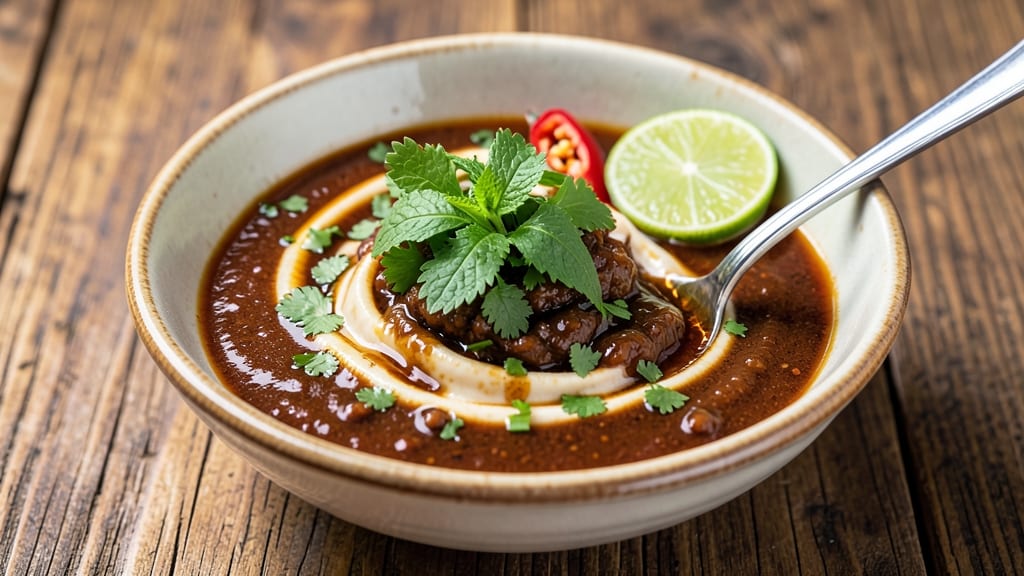
This banh cuon dipping sauce recipe delivers the perfect balance of fermented shrimp paste heat, bright lime, and chili zing that makes every bite of your delicate rice rolls unforgettable.
The secret lies in fermented shrimp paste (mắm ruốc), which adds that signature umami depth that separates homemade sauce from store-bought versions. I've perfected this recipe over years of Vietnamese cooking, ensuring a smooth yet complex flavor profile that complements the delicate texture of banh cuon.
The process is straightforward but requires patience—blending fish sauce, lime juice, and chili creates a vibrant base, while fresh herbs like mint and cilantro add freshness that brightens every spoonful.
What sets this sauce apart is the 30-minute resting period, allowing flavors to meld into a cohesive, tangy-savory experience that enhances rather than overpowers your dish. This isn't just a dipping sauce; it's the soul of your meal.
What you'll achieve is a sauce that's bold yet balanced, with the right amount of heat to cut through the rice rolls' softness while maintaining a smooth, velvety texture.
The lime keeps it refreshing, the chili adds just enough kick, and the fermented shrimp paste delivers that unmistakable Vietnamese depth. This recipe makes enough for multiple servings, so you can enjoy the full experience without rushing.
Perfect for pairing with banh cuon, fresh spring rolls, or even grilled meats, this sauce elevates any dish it touches. The best part? It stays fresh in the refrigerator for up to a week, making it an ideal prep-ahead condiment for your next Vietnamese feast.
Let's get started on creating this essential companion to your favorite Vietnamese dishes.
Ingredients for banh cuon dipping sauce
Nine vibrant ingredients blend into a sauce that transforms simple rice rolls into an unforgettable feast.
| Ingredient | Amount | Notes |
|---|---|---|
| Fermented Shrimp Paste (Mắm Ruốc) 🦐 | 2 tbsp | Authentic Vietnamese variety preferred |
| Fish Sauce 🐟 | ¼ cup | Red Boat preferred for quality |
| Fresh Lime Juice 🍋 | ½ cup | Freshly squeezed for brightness |
| Fresh Chili Peppers 🌶️ | 2 whole | Bird's eye or Thai chili, finely chopped |
| Fresh Cilantro Leaves 🌿 | ¼ cup | Stems removed, loosely packed |
| Fresh Mint Leaves 🍃 | ¼ cup | Loosely packed, stems removed |
| Granulated Sugar 🍬 | 1 tbsp | Adjust to taste for sweetness |
| Garlic Cloves 🧄 | 2 cloves | Minced for aromatic depth |
| Water 💧 | ¼ cup | Room temperature preferred |
| Salt 🧂 | ½ tsp | Diamond Crystal preferred |
The fermented shrimp paste is non-negotiable—authentic Vietnamese mắm ruốc delivers that signature umami depth you can't replicate. Vietnamese markets or specialty Asian grocery stores like H Mart carry the best quality; avoid imitation products that lack complexity. For fish sauce, Red Boat is a game-changer, but any reputable brand works. Fresh lime juice is essential—bottled juice lacks the bright acidity that cuts through the richness. Chili peppers should be fresh and vibrant, not wilted or dried out. The cilantro and mint add freshness, so use the freshest you can find—wilted herbs will make the sauce taste dull.
No fermented shrimp paste? Shrimp paste from Asian markets is your best bet, but in a pinch, anchovy paste at half the amount adds umami depth. Substitute bottled lime juice if needed, but add a pinch of salt to mimic freshness. Running low on fresh chili peppers? Red pepper flakes at one-third the amount will add heat, though it won't have the same complexity. Fresh herbs missing? Dried cilantro or mint at one-quarter the amount can work, but the texture and flavor won't be the same. For a sweeter profile, honey or agave can replace sugar, though it adds a different nuance. The garlic and water are flexible—garlic powder at half the amount works if you're in a rush, and ice water can be used in a pinch.
This sauce is best made fresh, but it keeps beautifully in the fridge for up to 1 week when stored in an airtight container. The flavors deepen over time, so it actually improves with a day or two of resting. For longer storage, freeze in ice cube trays—thaw and whisk back to perfection. The sauce pairs perfectly with banh cuon, fresh spring rolls, or grilled meats. Double the batch—you'll want to make more once you taste how it elevates your dishes. Serve chilled or at room temperature for the best experience.
Why You'll Love This Recipe
- Five-Ingredient Magic: I swear by this combo—just mash the shrimp paste, mix in fish sauce, and hit it with lime. No fancy techniques, no stress, and it still packs a punch.
- Umami Bomb: That fermented shrimp paste? It’s the secret weapon—salty, funky, and addictive. One taste and you’ll be reaching for more, even if you’re not usually a fan of bold flavors.
- Party in a Bowl: Works for brunch with banh cuon, as a quick noodle dipping sauce, or even drizzled over grilled meats. Honestly, I’ve used it for all three this month and never regretted it.
- Budget-Friendly Staple: Fish sauce and lime juice are cheap, and a little shrimp paste goes a long way. I make a big batch, store it in the fridge, and it lasts weeks—no waste, just flavor.
Step-by-step instructions for authentic banh cuon dipping sauce
This vibrant sauce balances funky fermented shrimp paste with bright lime and herbal freshness.
Bloom the Fermented Shrimp Paste
In a small saucepan, combine the 2 tbsp fermented shrimp paste (mắm ruốc) with the 0.25 cup water over low heat. Stir gently for 2-3 minutes until the paste dissolves completely and releases its umami depth. You'll notice a rich, salty aroma—this is the foundation of your sauce.
I like to use a heat diffuser or very low flame here to prevent the paste from burning. If it starts to darken too quickly, reduce the heat immediately. The goal is to create a smooth, aromatic base without any graininess. Once fully incorporated, remove from heat and let cool slightly.
Build the Flavor Base
Return the pan to low heat and add the 0.25 cup fish sauce, 1 tbsp granulated sugar, 0.5 tsp salt, and 2 minced garlic cloves. Stir constantly for 3-4 minutes until the mixture thickens slightly and the garlic becomes fragrant but doesn't brown.
This is where the magic happens—the fish sauce deepens in flavor while the sugar begins to caramelize just enough to balance the saltiness. You'll smell that distinctive funky yet savory aroma that defines Vietnamese dipping sauces. Taste occasionally to monitor seasoning—you can always adjust with more sugar or salt later, but you can't remove excess fish sauce.
Incorporate the Lime and Chili
Remove the pan from heat and stir in the 0.5 cup fresh lime juice and the 2 finely chopped fresh chili peppers. The lime will brighten everything instantly, cutting through the richness. Let the mixture sit for 5 minutes to allow the flavors to meld.
Here's the thing—don't rush this step. The lime juice needs time to fully integrate with the other components. You'll see the sauce become slightly cloudy as the lime acid reacts with the other ingredients. The chili should infuse heat gradually rather than all at once. If you're sensitive to spice, you can remove the chili seeds before chopping.
Finish with Herbs and Adjust
Gently fold in the 0.25 cup fresh cilantro leaves and 0.25 cup fresh mint leaves using a silicone spatula. The herbs should be added last to preserve their vibrant color and freshness. Taste and adjust the balance—you want equal parts funky, sweet, sour, and spicy.
If the sauce needs more brightness, add a splash more lime juice. Need more depth? A touch more fish sauce or shrimp paste. The ideal sauce should coat the back of your spoon with a glossy sheen while maintaining distinct layers of flavor. Serve immediately while the herbs are still crisp and the sauce is at its peak intensity.
Pro Tips For Making Banh Cuon Dipping Sauce
- Bloom the Cilantro: Tear the cilantro leaves by hand—don’t chop them—then sprinkle them over the sauce and let them sit for 2 minutes before blending. This releases their oils and aroma without turning the sauce into a green sludge. I used to pulse them in, and the flavor just didn’t hit the same.
- Toast the Shrimp Paste: Warm the mắm ruốc in a dry pan over medium-low heat for 30 seconds until it smells nutty and slightly smoky. This cuts the raw fish funk and deepens the umami—skip it, and your sauce will taste flat. (Yes, even if you’re impatient like me.)
- Balance with Lime Gradually: Add lime juice in two batches: first half while blending, then taste and adjust. Too much upfront kills the fermented shrimp’s complexity. I learned this the hard way after making a batch that tasted like a sad ceviche.
- Blend Chili with Skin On: Leave the seeds and membrane in the chilies when blending—this adds natural heat without overpowering. Remove them only if you’re serving kids or sensitive eaters. (Your future self will thank you for not straining this step.)
Best sauces and condiments for this banh cuon dipping sauce
Classic Vietnamese Nuoc Cham
The traditional nuoc cham version swaps fermented shrimp paste for fish sauce and adds rice vinegar instead of lime. Use 3 tbsp fish sauce, 2 tbsp rice vinegar, 1 tbsp sugar, and 1 tsp salt in the base.
The result is a lighter, more refreshing sauce perfect for summer gatherings. I often serve this with goi cuon or grilled shrimp skewers. 🌿
Spicy Mango Dipping Sauce
For a tropical twist, blend ½ cup mango puree with the finished sauce and add 1 tbsp honey to balance the acidity. The mango adds natural sweetness while keeping the chili's kick.
This version works beautifully with shrimp banh cuon or fresh fruit platters. Store any extra in the fridge for up to 5 days. 🥭
Sweet Chili Glaze
Create a sweeter version by reducing the chili to 1 tbsp finely chopped Thai chilies and adding 2 tbsp honey to the base. Simmer the sauce for an extra 5 minutes to caramelize the flavors.
This glaze pairs perfectly with grilled pork banh cuon or as a dipping sauce for spring rolls. The sweetness balances the umami perfectly. 🍯
Herb-Forward Variation
Double the herbs to ½ cup each cilantro and mint and add 1 tbsp chopped Thai basil for an aromatic boost. This version is ideal for those who love fresh, herbal flavors.
The extra herbs make the sauce more vibrant and perfect for seafood dishes. Keep this version in the fridge for no more than 3 days to preserve freshness. 🌱
Smoky Chili Oil Version
Infuse the sauce with smoky depth by adding 1 tbsp chili oil (made with toasted chili flakes and neutral oil) to the finished mixture. This adds a rich, smoky dimension that complements the funky shrimp paste.
Serve this version with grilled meats or hearty banh cuon fillings. The smoky notes elevate the sauce to new heights. 🔥
Sweet and Tangy Adaptation
Balance the funk with sweetness by adding 1 tbsp hoisin sauce to the base before incorporating the lime. This adaptation creates a sweeter, tangier sauce that still maintains the signature umami.
It’s a crowd-pleaser for those who prefer a milder flavor profile. Store this variation in the fridge for up to 7 days. 🍶
Nutrition facts
Frequently asked questions
Can I make this dipping sauce without fermented shrimp paste?
Yes, but you'll lose that signature funky depth. Use 1 tbsp shrimp paste or ½ tbsp anchovy paste instead, then boost the fish sauce to 3 tbsp to compensate. For a completely paste-free version, add 1 tsp soy sauce to enhance umami. The flavor will be milder but still delicious!
How do I adjust the spice level for kids or sensitive eaters?
Remove the chili seeds before chopping, or reduce to 1 chili pepper instead of 2. For a completely mild version, omit the chili entirely and add ½ tsp sugar to balance the tang. You can always add more lime juice later if needed for brightness.
Can I prepare this sauce ahead of time?
Make it 1-2 days ahead for deeper flavor development. Store in an airtight container in the fridge. The herbs will wilt slightly but the sauce's core flavors improve with time. For best texture, stir in fresh herbs just before serving if making more than 2 days ahead.
What's the best way to serve this sauce?
Serve chilled in small bowls alongside your banh cuon for dipping. For an elegant presentation, drizzle lightly over the rice rolls before serving. The sauce also works beautifully with spring rolls, grilled shrimp, or even as a marinade for tofu. Keep extra in the fridge for up to 1 week.
Why does my sauce look cloudy after adding lime juice?
This is completely normal! The lime acid reacts with the fish sauce and shrimp paste proteins, creating a slight cloudiness. It doesn't affect flavor—just stir gently and let it sit for 5 minutes before adding herbs. For a clearer sauce, strain through a fine-mesh sieve before serving if you prefer a smoother texture.