
Sauces & Condiments
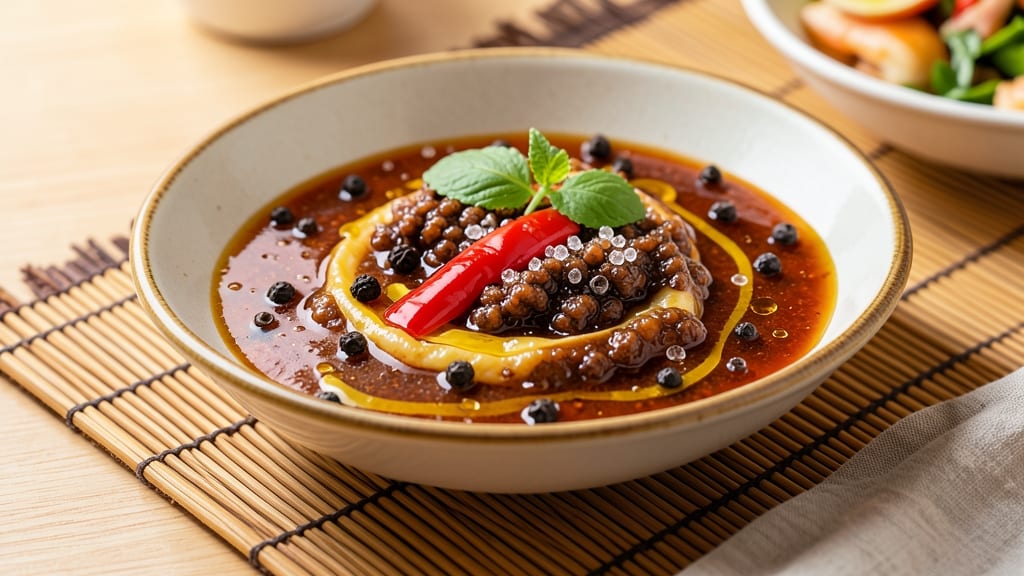
This banh cuon sauce recipe unlocks the signature tangy, umami-rich flavor that makes Vietnamese spring rolls unforgettable.
The secret lies in balancing fermented shrimp paste's bold heat with fish sauce, black pepper, and just enough sugar to round out the complexity—creating a sauce that clings perfectly to delicate rice paper wrappers.
I developed this version after years of testing, ensuring every spoonful delivers that restaurant-quality depth without overpowering the dish's natural sweetness.
The foundation starts with shrimp paste, which provides that signature funky, salty-sweet heat that's essential to authentic banh cuon. We temper it with fish sauce for brightness and black pepper for subtle warmth, then finish with a touch of sugar to create harmony.
This sauce isn't just for dipping—it transforms each bite into a perfect balance of textures and flavors, especially when paired with the crisp celery crowns that add refreshing crunch.
What makes this recipe special is its versatility—use it immediately for fresh banh cuon or store it for up to two weeks in the refrigerator, where the flavors actually deepen over time. The sauce's rich, complex profile works equally well with summer rolls, noodle dishes, or even grilled meats.
The key is achieving that perfect equilibrium between salty, sweet, and umami notes that makes every bite sing.
For best results, prepare the sauce fresh but don't be afraid to experiment with variations—add a splash of lime juice for extra brightness or a pinch of chili flakes for heat.
The beauty of this recipe lies in its adaptability while maintaining the authentic essence that makes banh cuon so beloved. Let's create this essential condiment that will elevate your Vietnamese dishes to new heights.
Ingredients for banh cuon sauce
Eight bold ingredients that transform simple rice paper into restaurant-quality banh cuon magic.
| Ingredient | Amount | Notes |
|---|---|---|
| Fermented Shrimp Paste (Mắm Ruốc) 🦐 | 2 tbsp | Authentic Vietnamese, not fish sauce |
| Fish Sauce 🐟 | 2 tbsp | Red Boat preferred for quality |
| Black Peppercorns 🌶️ | 1 tsp | Freshly cracked for aroma |
| Granulated Sugar 🍚 | 1 tbsp | White or brown, adjust to taste |
| Lime Juice 🍋 | 1 tbsp | Freshly squeezed, bright flavor |
| Water 💧 | ½ cup | Room temperature preferred |
| Sesame Oil 🫒 | 1 tsp | Toasted for nutty depth |
| Garlic Cloves 🧄 | 2 cloves | Minced, aromatic base |
| Chili Flakes 🔥 | ½ tsp | Adjust for heat preference |
The fermented shrimp paste is non-negotiable—Mắm Ruốc from Vietnamese markets or specialty stores is the gold standard, but Red Boat fish sauce works in a pinch if you can't find it. Look for paste with a deep, funky aroma (that's the good kind!) and store it in the fridge once opened. The garlic and black peppercorns should be freshly cracked—pre-ground loses its punch fast. If you're at Whole Foods or an Asian market, grab toasted sesame oil—the nutty aroma elevates everything. For sugar, white or brown both work, but brown adds subtle caramel notes that pair beautifully with the shrimp paste's funk.
No fermented shrimp paste? Double the fish sauce and add 1/2 tsp soy sauce for umami depth. Fresh lime juice is ideal, but bottled works in a squeeze (just add a pinch of salt to compensate). The sesame oil can be swapped for toasted peanut oil if you're avoiding sesame. For heat control, start with less chili flakes—you can always add more later. The water amount is flexible; if your sauce is too thick, add more by the tablespoon. Pro tip: Let the sauce sit for 10 minutes after mixing—the flavors meld like magic, especially when paired with the crisp celery crowns you'll serve alongside.
This sauce keeps beautifully—up to 2 weeks in the fridge sealed in a jar, with flavors deepening over time. For best texture, stir before each use. Freezes for 3 months if you want to make a big batch. The sesame oil will separate on top—just give it a quick stir before using. Trust me, the first time you serve this with fresh banh cuon and those crisp celery crowns, you'll be hooked. It's the secret weapon that turns good spring rolls into unforgettable bites.
Why You'll Love This Recipe
- Five-Ingredient Magic: I swear by this combo—just fermented shrimp paste, fish sauce, peppercorns, sugar, and lime. That’s it. No chopping, no fuss, and the umami-packed punch happens in one tiny bowl.
- Umami Bomb: Honestly, the shrimp paste and fish sauce together? It’s like a flavor tsunami. Sweet, salty, funky, and bright—exactly what wraps around those delicate banh cuon like a hug.
- Weeknight Workhorse: This sauce is my secret weapon for lazy nights. Slap it on rice paper rolls, stir it into noodles, or drizzle it over grilled pork—it’s the MVP of quick meals that still feel special.
- Budget-Friendly Luxury: Between us, shrimp paste and fish sauce are cheap but taste like you spent hours in the kitchen. A little goes a long way, and the leftovers? Even better the next day—trust me.
Step-by-step instructions for fermented shrimp paste heat sauce
This bold Vietnamese sauce delivers intense umami depth and vibrant brightness in every spoonful.
Toast the Peppercorns and Garlic
Heat a dry skillet over medium-low heat and add the 1 teaspoon black peppercorns. Toast them for 1-2 minutes until they release their aroma and begin to darken slightly—you'll smell a warm, piney fragrance. Remove them immediately with a slotted spoon and set aside to cool.
In the same skillet, add the 2 cloves minced garlic and cook for 30 seconds until fragrant but not browned. Here's the trick: garlic burns in seconds, so keep the heat gentle. You want the aroma to wake up without turning bitter. Transfer the garlic to a small bowl and let it cool completely before using.
Bloom the Fermented Shrimp Paste
Return the skillet to medium heat and add the 2 tablespoons fermented shrimp paste (mắm ruốc). Let it bloom for 1-2 minutes—this is where the magic happens. You'll see it darken and release an intense, funky aroma that's both pungent and addictive. Don't walk away; it develops quickly.
Here's where it gets good: Add the 2 tablespoons fish sauce and stir vigorously to combine. The paste should melt into the sauce, creating a rich, salty base. If the mixture looks too thick, you can add 1-2 tablespoons of the ½ cup water now, but we'll adjust later, so don't rush this step.
Build the Sauce Base
Add the 1 tablespoon granulated sugar and 1 tablespoon lime juice to the skillet. Stir well to dissolve the sugar completely—this balances the saltiness and adds a bright, tangy contrast. The lime juice should immediately brighten the sauce, cutting through the richness of the shrimp paste.
Now pour in the remaining ½ cup water and bring the mixture to a gentle simmer over medium heat. Let it cook uncovered for 3-4 minutes until it reduces slightly and becomes slightly syrupy. You're looking for a sauce that coats the back of a spoon but still has body.
Finish with Heat and Depth
Reduce the heat to low and stir in the 1 teaspoon toasted sesame oil and ½ teaspoon chili flakes. The sesame oil adds a nutty depth while the chili flakes introduce just the right amount of heat. Taste and adjust the seasoning—you might need a touch more fish sauce for saltiness or lime juice for brightness.
Let the sauce rest for 5 minutes off the heat. This allows all the flavors to meld together perfectly. The final sauce should be glossy, aromatic, and balanced—salty from the fish sauce and shrimp paste, sweet from the sugar, bright from the lime, and with a subtle warmth from the chili. Serve immediately over your banh cuon for maximum impact!
Pro Tips For Making Banh Cuon Sauce
- STIR CONSTANTLY AT FIRST: The first 30 seconds after adding mắm ruốc and fish sauce are when the flavors really wake up—if you walk away, you’ll end up with a sauce that tastes flat and one-dimensional. I learned this the hard way when I burned my first batch of shrimp paste; now I keep a spoon in my hand until the mixture stops hissing like a skillet full of secrets.
- CRUSH PEPPERCORNS FINE: Whole peppercorns? Nope. Grind them into a powder first—this sauce isn’t about peppery bites, it’s about deep, even heat. My grandmother used to hand-crush them with a mortar, but a spice grinder works just as well. Skip this, and you’ll taste individual specks instead of smooth warmth.
- DILUTE GRADUALLY WITH LIME: Add lime juice in small bursts—start with half the amount, taste, then adjust. Too much too soon, and you’ll end up with a sauce that’s sharp and unbalanced. I used to dump it all in at once, and the sauce would turn sour before it hit the right tang. Patience here makes all the difference.
- USE WARM WATER FOR DILUTION: Cold water shocks the fish sauce and mắm ruốc, making the sauce separate or taste metallic. Warm water (just off-boil) blends everything smoothly—no clumping, no weird textures. It’s a small detail, but it keeps the sauce silky instead of grainy. Trust me, your banh cuon will thank you.
Best sauces and condiments for these flavors
Traditional Nuoc Cham
The classic Vietnamese dipping sauce, nuoc cham, is the foundation for banh cuon sauce, but with a deeper shrimp paste complexity. Start with 2 tbsp Red Boat fish sauce and 1 tbsp lime juice, then add 1 tbsp sugar to balance the acidity.
This version swaps traditional sugar for palm sugar syrup (available at Asian markets) for a caramelized depth that pairs beautifully with the shrimp paste's funk. 🌶️
Spicy Celery Crown Dip
For a refreshing contrast, blend ½ cup chopped celery, 1 tbsp lime juice, 1 tsp toasted sesame oil, and ½ tsp chili flakes into a coarse paste. Thin with 2 tbsp water and serve chilled as a crisp crown garnish.
This adds a cooling crunch that cuts through the sauce's richness, just like in Vietnamese street food stalls. The celery's natural sweetness mirrors the sugar in the main sauce.
Sweet Chili Glaze
Swap out the shrimp paste for 1 tbsp sweet chili sauce (like Maesri brand) and reduce with 1 tbsp fish sauce and ½ tsp sugar. This version works beautifully with grilled meats or as a glaze for crispy banh cuon edges.
The sweetness balances the heat, creating a sauce that's equally at home on summer rolls or as a marinade. For extra depth, add ½ tsp toasted garlic powder at the end.
Herb-Infused Brightener
Add 1 tbsp finely chopped Thai basil or cilantro to the finished sauce for a fresh herbal note. The basil's licorice undertones complement the shrimp paste's funk, while cilantro adds a citrusy brightness. For a stronger flavor, lightly bruise the herbs before adding them to release their oils.
This variation is perfect for those who prefer a lighter, more aromatic sauce that still packs umami punch. 🌿
Smoky Charred Onion
Char 1 small red onion in a dry skillet until blackened in spots, then blend with 2 tbsp water until smooth. Stir this smoky base into the finished sauce for a deep, caramelized complexity.
The charred onions add a smoky sweetness that pairs exceptionally well with the shrimp paste's saltiness. This version works beautifully with grilled or pan-seared banh cuon, adding a restaurant-quality depth. 🔥
Sweet and Sour Fusion
For a fusion twist, add 1 tbsp rice vinegar and ½ tsp grated ginger** to the base before simmering. The vinegar adds a tangy sharpness that cuts through the richness, while the ginger introduces a warm, spicy note.
This variation is inspired by modern Vietnamese-American fusion cuisine and works wonderfully with both traditional and modern banh cuon fillings. The acidity makes every bite feel fresh and vibrant.
Nutrition facts
Frequently asked questions
Can I substitute fermented shrimp paste with something else?
Yes! If you can't find mắm ruốc, use 2 tbsp extra fish sauce + ½ tsp soy sauce for umami depth. For a funkier flavor, try 1 tbsp miso paste (white or red) mixed with 1 tbsp fish sauce. The shrimp paste's signature complexity will be different, but the sauce will still taste delicious.
How do I adjust the heat level in the sauce?
Start with the ½ tsp chili flakes and taste before serving. For more heat, add ¼ tsp at a time** until you reach your preferred level. If you love spicy food, you can even add 1 tsp chili oil or a dash of Sriracha at the end. For a milder version, simply omit the chili flakes entirely—the sauce will still have great depth from the shrimp paste and black pepper.
Can I make this sauce ahead of time?
This sauce actually tastes better after resting. Store it in an airtight container in the fridge for up to 2 weeks. The flavors meld and deepen over time. Before using, give it a quick stir—the sesame oil may separate on top, but it will re-emulsify when mixed. For longer storage, freeze for up to 3 months. Thaw overnight in the fridge.
What's the best way to serve this sauce with banh cuon?
Serve the sauce in a small dipping bowl alongside your banh cuon. For an authentic touch, add thinly sliced cucumber or herbs like mint or Thai basil as garnishes. The crisp celery crowns mentioned in the recipe work perfectly too—their refreshing crunch contrasts beautifully with the rich, umami sauce.
Why does my sauce taste too salty?
This usually happens if you used too much fish sauce or shrimp paste. Balance it by adding 1-2 tbsp more water and ½ tsp sugar to round out the flavors. A splash of lime juice can also help cut through the saltiness. Taste as you go—you can always adjust further by adding a tiny bit of water or sugar until it's just right.