
Sauces & Condiments
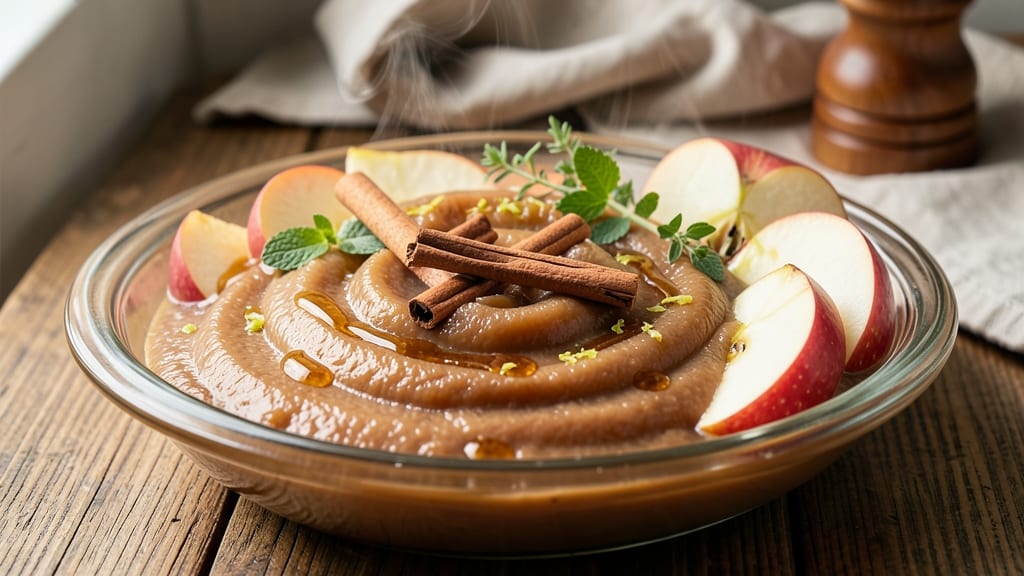
This applesauce recipe without peeling apples transforms simple fruit into a velvety, naturally sweet spread with minimal effort. The secret lies in using whole apples—no peeling, no waste—while preserving their vibrant texture and rich flavor.
Whether you prefer smooth perfection or rustic chunks, this method delivers restaurant-quality results in under 30 minutes with just a few pantry staples.
The process is straightforward: core and quarter the apples, then simmer them with a touch of water, apple cider, or even broth until tender. A splash of lemon juice brightens the flavor, while cinnamon or vanilla extract adds warmth.
The skins soften naturally during cooking, releasing their natural sweetness and fiber for a healthier, more authentic sauce than store-bought versions.
What sets this recipe apart is its versatility. Use it as a topping for oatmeal, a spread for toast, or a natural sweetener in baked goods.
The texture stays chunky and inviting, packed with natural fiber and antioxidants, while the aroma of simmering apples fills your kitchen with nostalgic comfort. No peeling means no mess, no waste, and no compromise on flavor.
For extra depth, try adding a pinch of nutmeg or a drizzle of honey at the end. This applesauce keeps well in the fridge for up to a week, making it the perfect make-ahead condiment. Ready to create a batch that’s fresher, healthier, and faster than anything from a jar?
Ingredients for applesauce recipe without peeling apples
Whole apples, minimal prep, and pantry staples create velvety applesauce without peeling.
| Ingredient | Amount | Notes |
|---|---|---|
| Apples (Mixed Varieties) 🍎 | 4 lb | Cored and quartered, skin-on |
| Apple Cider 🍏 | 1 ½ cups | Or unsweetened apple juice |
| Water 💧 | ½ cup | For simmering liquid |
| Granulated Sugar 🍚 | ¼ cup | Adjust to taste, optional |
| Fresh Lemon Juice 🍋 | 2 tbsp | Brightens flavor |
| Ground Cinnamon 🌿 | 1 tsp | For warmth |
| Vanilla Extract 🥄 | ½ tsp | Optional depth |
| Salt 🧂 | ¼ tsp | Enhances flavor |
The apples are the star—mix varieties like Granny Smith and Gala for balance. Local markets often have fresh, firm apples at better prices than grocery stores. Look for apples that are firm but not rock-hard—this ensures they'll soften evenly during cooking. If you're using organic apples, no need to wash them before coring. For a quicker option, pre-cut frozen apples work too, just skip the coring step and add them straight to the pot.
No apple cider? Unsweetened apple juice or even white grape juice works in a pinch. Skip the sugar if your apples are naturally sweet, but add it back if you prefer a sweeter sauce. Fresh lemon juice is ideal, but bottled lemon juice works fine. Want extra depth? Pinch of nutmeg or cardamom adds complexity without overpowering. The vanilla extract can be swapped for almond extract if you prefer a nutty note, but vanilla's warmth is classic here.
Store in an airtight container in the fridge for up to 1 week. For longer storage, portion into ice cube trays and freeze—perfect for smoothies or baking later. The texture thickens as it cools, so add a splash of water or apple juice if it's too stiff. This reheats beautifully—just warm on the stove or microwave until steaming. Leftovers make great overnight oatmeal topping or a quick toast spread.
Why You'll Love This Recipe
- No Peel, No Problem: I swear by this trick—just toss whole apples (cores and all) into the pot with apple cider and water. The skins soften into the sauce, and honestly? You’d never know they were there. The cider adds this deep, warm sweetness that cuts through the tartness of the apples.
- Sweet-Tart Balance: That splash of fresh lemon juice at the end? It’s the magic touch. The sugar caramelizes just enough to round out the flavors, but the acidity keeps it bright and refreshing—not cloying, not boring. Between us, this is the kind of applesauce that makes you reach for a second spoonful without even thinking.
- Weeknight Workhorse: I make this when I’m too tired to fuss, and it’s always there when I need it. Use it as a topping for oatmeal, mix it into yogurt, or even drizzle it over pancakes. (Yes, even on a Tuesday night.) The best part? It keeps for days in the fridge, so you’re never stuck without a backup.
- Budget-Friendly Staple: Mixed apples on sale? Perfect. A little sugar and cider stretch it further than store-bought. I’ll be real: this recipe saved me $20 last month alone by skipping the pre-packaged jars. Plus, the lemon juice adds a fancy touch without breaking the bank.
Step-by-step instructions for homemade applesauce
Here's the straightforward method for creating chunky, skin-on applesauce that preserves all the natural goodness.
Prepare the Apples for Cooking
Begin by coring and quartering the 4 lb apples (skin-on) using a sharp knife or apple corer. I like to work on a cutting board with a damp paper towel underneath to prevent slipping. The skin adds beautiful color and extra fiber to your applesauce, so leave it intact.
As you cut, you'll notice the apples release some juice. This is normal and actually helps create a more flavorful sauce. Arrange the apple quarters in a single layer on a baking sheet. This prevents them from steaming instead of browning when we cook them later. If you're short on time, you can skip this step and proceed directly to the pot.
Sauté the Apple Quarters
In a large, heavy-bottomed pot with a lid, combine the apple quarters with 1.5 cups apple cider and 0.5 cup water. Place the pot over medium-high heat and bring the liquid to a gentle boil. Once boiling, reduce the heat to medium and let the apples cook uncovered for 10 minutes.
During this time, the apples will begin to soften at the edges and develop a beautiful golden color from the caramelization. Stir occasionally to ensure even browning. This step develops the deep, complex flavors that make homemade applesauce so special. You'll see the liquid reduce slightly and the apples release more juice as they cook.
Add Sweetness and Seasonings
After 10 minutes, add the 0.25 cup granulated sugar, 2 tbsp fresh lemon juice, 1 tsp ground cinnamon, 0.5 tsp vanilla extract, and 0.25 tsp salt to the pot. Stir well to combine all ingredients thoroughly. The lemon juice will brighten the flavors while preventing the apples from turning brown too quickly.
Here's the thing—taste the mixture now. You might find the apples need more sweetness or acidity. Adjust the sugar or lemon juice to your preference, remembering that the apples will continue to soften and release more juice as they cook. The cinnamon and vanilla will infuse beautifully during the remaining cooking time, creating warm, comforting aromas that fill your kitchen.
Simmer Until Perfectly Soft
Cover the pot and let the applesauce simmer over low heat for 20-25 minutes, stirring occasionally. You're looking for the apples to become fork-tender but still hold their shape—this gives you that perfect chunky texture. The sauce should thicken slightly as the apples break down and release their juices.
To check doneness, pierce an apple quarter with a fork. If it slides in easily but the apple still has some resistance, it's ready. If you prefer smoother applesauce, continue cooking for another 5-10 minutes until the apples are completely tender. The skin will soften and blend into the sauce, adding natural sweetness and color without any peeling required.
Finish and Serve Warm
Once the apples are perfectly tender, remove the pot from heat and let the applesauce sit covered for 5 minutes. This resting period allows the flavors to meld together and the sauce to thicken slightly. Use an immersion blender or regular blender to achieve your desired texture if you prefer smoother applesauce, or leave it chunky for that rustic appeal.
Transfer the warm applesauce to serving bowls or jars. The aroma alone will make your kitchen smell like autumn. Serve it warm with cinnamon sprinkled on top, alongside pork dishes, or enjoy it as a comforting snack. This applesauce keeps well in the refrigerator for up to 5 days or can be frozen for longer storage. The natural sweetness and spiced flavors make it a versatile addition to any meal.
Pro Tips For Making Applesauce Recipe Without Peeling Apples
- CUT APPLES SMALLER THAN YOU THINK: The skins won’t break down if chunks are bigger than a dime—you’ll end up with a lumpy mess. Aim for quarter-inch pieces, even if it takes a minute longer. Trust me, your sauce will be silky smooth.
- USE COLD APPLE CIDER: I learned this the hard way—adding warm cider to the pot makes the apples release too much liquid at once, turning your sauce into watery applesauce soup. Stir in the cider after the apples soften, or chill it first.
- STIR IN SUGAR GRADUALLY: Dumping all the sugar at once can make the applesauce taste cloyingly sweet. Taste as you go, adding just a tablespoon at a time, especially if you’re using tart apples like Granny Smiths. The lemon juice will balance it, but you’ll still want control.
- SIMMER UNTIL IT’S THICKER THAN YOU EXPECT: I used to pull the pot off the heat when the apples were soft, only to have sauce that was still runny. Let it cook another 5–10 minutes until it coats the back of a spoon—this is when the flavors meld and the texture becomes perfect. Patience here makes all the difference.
Regional styles of this dish
German Apfelmus
In Germany, applesauce—called Apfelmus—is a beloved staple, especially during autumn and winter. The traditional method uses peeled apples, but I’ve adapted it to keep the skins for extra fiber and color.
The Germans often add cinnamon and cloves for warmth, but I keep it simple with just cinnamon and vanilla for a more approachable flavor. Serve it warm with brötchen (German bread rolls) or as a side for pork dishes like schnitzel. 🍎
American Classic
This is the version most Americans grew up with—a sweet, spiced applesauce that pairs perfectly with turkey or ham at Thanksgiving. The key difference here is using skin-on apples for a rustic texture. I love adding a pinch of nutmeg for extra depth, which gives it that nostalgic holiday vibe.
It’s also a great make-ahead dish for potlucks, as it keeps well in the fridge for up to a week. 🍂
British Spiced Version
In the UK, applesauce often gets a ginger or allspice twist, giving it a slightly spicier kick. I’ve incorporated this by adding ½ tsp ground ginger alongside the cinnamon for a unique flavor profile.
The British also love serving it with sausages or bacon, making it a hearty breakfast or brunch option. For extra authenticity, use British cooking apples like Bramley if you can find them—they’re tart and perfect for cooking. 🌶️
Scandinavian Rustic Style
Nordic countries like Sweden and Norway prefer their applesauce thicker and chunkier, almost like a compote. To achieve this, I reduce the liquid slightly by simmering uncovered for an extra 5 minutes at the end.
They also often add a splash of cloudberry jam for a fruity tang, but I stick with lemon juice for brightness. This version is fantastic with open-faced sandwiches or as a topping for cardamom buns. ❄️
French-Style Applesauce
The French take applesauce to an elegant level by incorporating dried fruit like apricots or figs into the mix. For this version, I add ¼ cup chopped dried apricots during the final 5 minutes of cooking.
The result is a sweet-tart sauce with a luxurious texture, perfect for drizzling over cheese boards or pairing with foie gras. A sprinkle of toasted hazelnuts on top adds crunch and sophistication. 🥜
Modern Fusion Twist
For a contemporary take, I blend in ½ cup Greek yogurt at the end for a creamy, tangy twist. This version works beautifully as a dip for apple slices or a sweet spread for pancakes.
You can also add a dash of maple syrup for extra richness. It’s a fun way to elevate traditional applesauce while keeping it light and refreshing—perfect for brunch or dessert. 🍯
Nutrition facts
Frequently asked questions
Why does keeping the apple skins make the sauce better?
The skins add natural sweetness, fiber, and vibrant color without any extra effort! They also soften beautifully during cooking, releasing their nutrients and creating a more authentic, rustic texture. Plus, it eliminates food waste—no peeling means using the whole fruit.
Can I make this applesauce without sugar?
Many modern recipes skip added sugar by using naturally sweet apples like Gala or Fuji. Just taste the cooked apples first—if they're tart, add a splash of apple cider or lemon juice instead. For extra depth, try a pinch of cinnamon or vanilla.
How do I get smoother applesauce without peeling?
Simmer the apples 5-10 minutes longer until completely tender, then blend with an immersion or regular blender. For extra smoothness, add 1-2 tbsp water or apple cider while blending. The skins will blend right in, creating a velvety texture without any grit.
What's the best way to store leftover applesauce?
Transfer to an airtight container and refrigerate for up to 5 days. For longer storage, freeze in ice cube trays or jars—thaw overnight in the fridge. The texture thickens when chilled, so stir in a splash of liquid if needed before reheating.
Can I use frozen apples instead of fresh?
Yes! Frozen apples work perfectly—just skip coring and add them directly to the pot. They'll thaw quickly and release moisture, so reduce the liquid by ½ cup. Watch closely to prevent overflow, and simmer 5 minutes less since frozen apples start softer.