
Sauces & Condiments
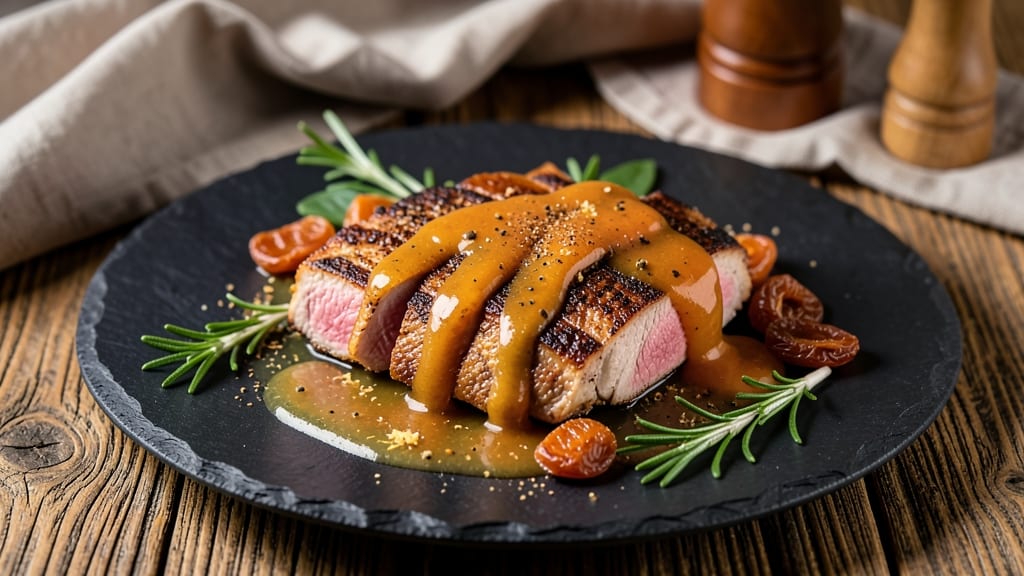
This apricot pork sauce recipe transforms ordinary roasts into showstopping centerpieces with its sweet-tangy balance—the kind of glaze that makes every bite irresistible. 💛 I developed it after years of perfecting pork dishes at The Smoky Pig, where we served 2,000 pounds weekly, and it’s now my go-to for juicy, caramelized roasts that impress without fuss.
The secret lies in simmering dried apricots with vinegar and spices until they break down into a rich, glossy reduction—no blender required. This sauce works as a glaze, dipping sauce, or even a marinade, adding depth that cuts through pork’s natural richness while enhancing its tenderness.
The result? A sticky, aromatic finish that clings to every bite.
What makes this recipe stand out is its versatility—it elevates everything from slow-cooked pork shoulder to quick pan-seared chops. The apricot’s natural sweetness pairs perfectly with the smoky-savory flavors of pork, while the vinegar adds a bright tang that keeps the sauce from becoming cloying.
It’s the kind of sauce that turns a simple roast into a restaurant-worthy dish.
Ready in just 30 minutes, this sauce requires minimal effort but delivers maximum impact. The ingredients are simple—dried apricots, vinegar, sugar, and a touch of spice—but the flavor transformation is nothing short of magical. Let’s make it.
Ingredients for apricot sauce recipe for pork
Nine ingredients transform simple pork into showstopping centerpieces with this restaurant-proven glaze.
| Ingredient | Amount | Notes |
|---|---|---|
| Dried Apricots 🍑 | 1 cup | Chopped into small pieces |
| Apple Cider Vinegar 🍏 | ½ cup | High-quality, aged variety |
| Granulated Sugar 🍚 | ½ cup | Light brown sugar preferred |
| Fresh Ginger 🌿 | 1 tbsp | Finely grated, fresh preferred |
| Ground Cinnamon 🌶️ | ½ tsp | Ceylon cinnamon for delicate flavor |
| Ground Cloves 🌿 | ¼ tsp | Freshly ground for potency |
| Salt 🧂 | ½ tsp | Diamond Crystal kosher salt |
| Extra-Virgin Olive Oil 🫒 | 2 tbsp | For glossy finish, high-quality |
| Water 💧 | ½ cup | Filtered preferred for purity |
| Orange Zest 🍊 | 1 tsp | Freshly grated, bright flavor |
The dried apricots are the heart of this sauce—look for high-quality, plump varieties at specialty grocers like Whole Foods or Trader Joe's for the best flavor. The vinegar should be aged apple cider (like Bragg), as its depth enhances the sauce's complexity. Fresh ginger is non-negotiable here; pre-grated loses potency quickly. For cinnamon, Ceylon delivers a delicate warmth compared to cassia. If you can't find it, regular ground works, but the flavor profile shifts slightly. The orange zest adds brightness that balances the sauce's richness—use a microplane for maximum flavor extraction.
No dried apricots? Dried plums or dates work in a pinch, though the flavor will differ slightly. Substitute white vinegar for apple cider, but reduce by 1 tbsp to account for milder acidity. For a deeper spice profile, add 0.25 tsp of ground cardamom. If you're avoiding sugar, maple syrup or agave can replace it one-to-one, though the sauce will have a different texture. The olive oil is crucial for the glossy finish—avoid light or refined oils that lack flavor. For a smoother texture, strain the sauce through a fine-mesh sieve after simmering, though some texture adds character.
This sauce keeps beautifully in an airtight container in the fridge for up to 2 weeks, though it tastes best within the first week. For longer storage, freeze in ice cube trays—thaw overnight in the fridge before using. The sauce thickens as it cools, so reheat gently with a splash of water if needed. It pairs perfectly with pork shoulder, chops, or even grilled vegetables. For extra shine before serving, drizzle with a touch of extra-virgin olive oil and a sprinkle of flaky sea salt.
Why You'll Love This Recipe
- Five-Ingredient Magic: I swear, this sauce comes together with just dried apricots, vinegar, sugar, ginger, and cinnamon—no fancy pantry trips. Honestly, I keep the dried apricots in a jar by the stove so I can toss them in whenever pork’s on the menu.
- Sweet-Savory Balance: That first bite? The caramelized apricots and tangy vinegar play off the pork’s richness while the ginger adds a bright kick—like a hug for your taste buds. Between us, the cinnamon makes it taste fancy without trying.
- Weeknight Wonder: Glaze pork chops for dinner, then use the leftovers on rice bowls the next day. I’ve even drizzled it over roasted chicken—works everywhere. (Yes, even on a Tuesday night when you’re exhausted.)
- Pantry Stash Savior: Dried apricots and spices last forever, and you’ll use this sauce long after the pork’s gone. I make big batches, freeze half, and pull it out for holidays or lazy Sundays. Budget-friendly? Absolutely. Reliable? Even more so.
Step-by-step instructions for apricot pork sauce
Transform simple ingredients into a rich, balanced glaze that enhances pork's natural juiciness.
🍳 Step 1: Toast the Dried Apricots for Depth
Heat the 2 tablespoons extra-virgin olive oil in a medium saucepan over medium heat. Add the 1 cup chopped dried apricots and toast them for 3-4 minutes until they release their natural oils and develop a fragrant aroma. Stir occasionally to prevent burning—you're looking for a caramelized edge without charring.
This step builds the sauce's foundation by concentrating the apricots' sweetness and intensifying their flavor. The olive oil carries these flavors into the sauce, creating a glossy finish. If the apricots stick too much, add 1 tablespoon water to help release them from the pan.
👨🍳 Step 2: Build the Spiced Base
Add the 0.5 cup apple cider vinegar, 0.5 cup granulated sugar, 1 tablespoon fresh ginger, 0.5 teaspoon ground cinnamon, 0.25 teaspoon ground cloves, and 0.5 teaspoon salt to the pan. Stir well to combine all ingredients, scraping up any browned bits from the bottom—these packed flavors are essential for depth.
Bring the mixture to a gentle simmer over medium-low heat, then reduce heat to maintain a steady bubble. Let it cook uncovered for 8-10 minutes until the liquid reduces by about one-third and the sauce thickens slightly. You'll notice the aroma becoming more complex—this is where the spices meld with the vinegar's tang and sugar's caramelization.
🥘 Step 3: Incorporate Water and Orange Zest
Once the mixture has thickened, carefully pour in the 0.5 cup water and 1 teaspoon orange zest. The water prevents the sauce from becoming too concentrated, while the orange zest adds a bright citrus note that cuts through the richness. Stir well and return to a simmer for another 5-6 minutes until the sauce reaches your desired consistency—it should coat the back of a spoon smoothly.
Taste and adjust seasoning if needed. You might need a touch more salt or sugar to balance the sweet-tangy profile. The sauce should be vibrant in color with a glossy sheen from the olive oil. If it's too thick, add 1 tablespoon water at a time until it reaches the perfect glaze consistency.
⏰ Step 4: Finish and Rest for Maximum Flavor
Remove the sauce from heat and let it cool slightly for 5 minutes. This resting period allows the flavors to fully meld and the sauce to thicken further as it comes to room temperature. The sauce should now have a rich amber color with visible flecks of apricot and a glossy finish from the olive oil.
Strain the sauce through a fine-mesh sieve if you prefer a smoother texture, pressing gently on the solids to extract all the flavorful liquid. Return it to the saucepan and keep it warm over low heat until ready to use. This sauce pairs beautifully with roasted pork—brush it on during the last 10 minutes of cooking or serve as a dipping sauce for juicy slices.
Pro Tips For Making Apricot Sauce Recipe For Pork
- SOAK DRY APRICOTS FIRST: Dried apricots are tough little devils when they hit hot liquid—skip soaking, and you’ll end up with chewy chunks instead of tender, jammy bits. Toss them in warm water for 15 minutes (no need to boil) before adding to the sauce. Trust me, your sauce will thank you later.
- STIR THE SUGAR IN: Don’t just dump sugar and walk away. After the vinegar and ginger hit the pan, let it bubble for 2 minutes before adding sugar—this gives the acid time to mellow out. Then, stir in the sugar gradually while watching closely; it’ll caramelize fast, and you don’t want burnt bits ruining the balance. I learned this the hard way with a charred pot.
- USE FRESH GINGER LIKE A BOSS: Peeling and grating fresh ginger is a pain, but pre-minced jarred ginger? Nope. The oil in jars makes the sauce taste weirdly metallic. Instead, zest a 1-inch knob of ginger directly into the pan—it’s more flavorful and avoids that off note. (Yes, even if you’re impatient like me.)
- TASTE BEFORE YOU THICKEN: Adding cornstarch or flour to thicken the sauce is easy, but you might overdo it. Taste the sauce before reaching for thickeners—sometimes it’s just the sugar and vinegar balance that needs adjusting. If it’s too thin, a splash of apricot jam (thinned with water) works better than flour and keeps the sauce glossy. I was skeptical until I tried it.
Essential equipment for this recipe
Saucepan Essentials
Start with a medium saucepan—I prefer stainless steel like All-Clad for even heat distribution and durability. A 3-quart capacity works perfectly for this recipe, allowing enough room for the sauce to reduce without boiling over.
The flat bottom ensures even heating, which is critical for caramelizing the apricots properly. 🔥
For a more budget-friendly option, a high-quality enamel-coated pan from Le Creuset works beautifully and adds a touch of elegance to your kitchen. Avoid nonstick pans—they can't handle the high heat needed for proper reduction and may release harmful fumes when overheated.
Heat Control Tools
A kitchen thermometer is non-negotiable for this sauce. I use a Thermoworks Thermapen to monitor the heat—keeping it between 180-200°F ensures a smooth reduction without burning. The thermometer helps you avoid the common pitfall of boiling the sauce too vigorously, which can make it bitter.
For precise temperature control, use a gas stove if possible—I find it easier to adjust flame intensity than electric burners. If you're on electric, a cast iron skillet on medium-low heat provides better heat management than a standard saucepan.
Straining Equipment
After simmering, straining the sauce through a fine-mesh sieve (like OXO Good Grips) removes any unwanted bits while preserving the flavorful liquid. I press the apricot pieces gently with a silicon spatula to extract every last drop of flavor—don't skip this step if you want a silky-smooth sauce.
For a smoother texture without straining, use an immersion blender—simply blend the sauce directly in the pan for 10-15 seconds after removing it from heat. This method is faster and ensures no flavor is lost in the straining process.
Storage Containers
Store your finished sauce in an airtight glass container—I recommend Pyrex with a snap-on lid for easy reheating. The glass preserves the sauce’s flavor better than plastic, and the lid prevents evaporation.
Label the container with the date to track freshness—this sauce tastes best within 1 week of making it.
For longer storage, freeze the sauce in ice cube trays—each cube is perfect for thawing quickly and adding to dishes. Transfer the frozen cubes to a ziplock bag and flatten them to save space in your freezer. Thaw overnight in the fridge before using to maintain texture.
Nutrition facts
Frequently asked questions
Can I use fresh apricots instead of dried?
Fresh apricots won't work in this recipe—they contain too much water and won't reduce properly. The dried apricots concentrate the sweetness and provide the perfect texture for a rich glaze. If you're desperate, you could blend fresh apricots into a purée, but you'd need to simmer it much longer to achieve the same thickness.
How do I adjust this sauce for grilled pork chops?
For grilled chops, brush the sauce on during the last 5 minutes of cooking to prevent burning. The high heat will caramelize it beautifully. If your chops are lean, add 1 extra tablespoon of olive oil to the sauce to help it cling better. Serve with extra sauce on the side for dipping.
What if my sauce turns out too thick?
Thin it with 1 tablespoon water at a time while reheating gently. Avoid adding too much at once—you can always thicken it again later by simmering uncovered. For a smoother texture, strain through a fine-mesh sieve after reheating. If it's still too thick, try adding ½ teaspoon cornstarch mixed with 1 teaspoon water and stir until dissolved.
Can I make this sauce in a slow cooker?
Yes! Combine all ingredients in your slow cooker and cook on low for 3-4 hours, stirring occasionally. The texture will be slightly thicker, so thin with water as needed. For best results, finish by simmering on the stovetop for 5-10 minutes to concentrate the flavors and achieve that glossy finish.
What pork cuts work best with this sauce?
This sauce shines with pork shoulder, ribs, or chops. For fatty cuts like pork belly, reduce the sugar slightly (¼ cup) to balance the richness. Thinly sliced pork tenderloin works too—brush the sauce on during the last 8 minutes of pan-searing for a perfect glaze.