
Sauces & Condiments
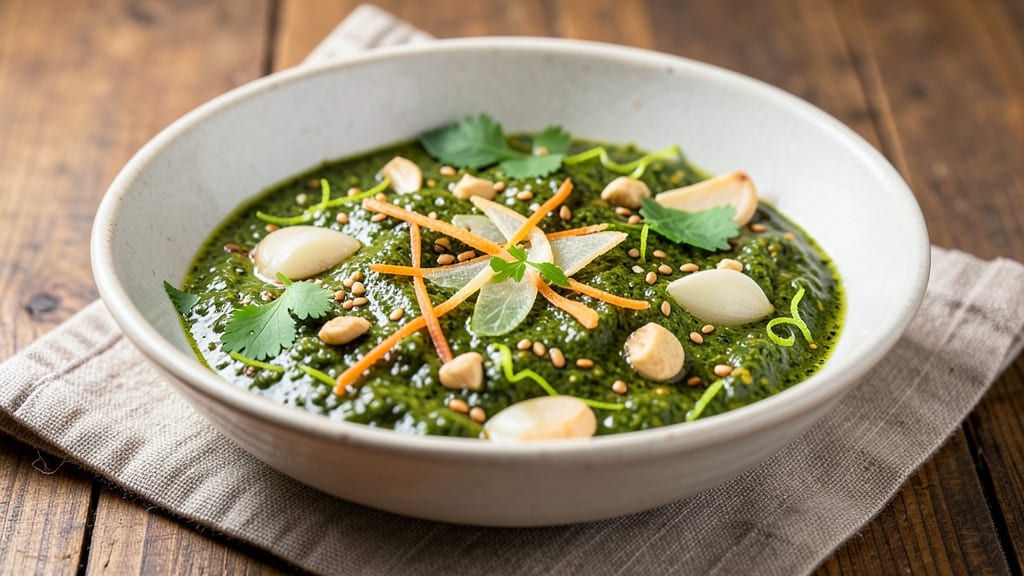
This Asian pesto sauce recipe transforms stir-fries from ordinary to extraordinary with its nutty sesame and tangy lime profile. The secret lies in balancing toasted sesame seeds, fresh herbs, and a bright citrus kick that elevates any dish.
I developed this recipe after craving the bold flavors of Asian cuisine without the complexity of traditional pesto—it’s smooth yet vibrant, with just the right texture for dipping, drizzling, or tossing.
The foundation starts with toasted sesame seeds and peanuts for depth, blended with garlic, ginger, and lime juice for that signature zing. A touch of soy sauce and a drizzle of sesame oil tie everything together, creating a sauce that’s both versatile and restaurant-quality.
Unlike its Italian counterpart, this version skips heavy cheese in favor of umami-rich ingredients that shine in stir-fries, noodles, or even as a sandwich spread.
What makes this sauce truly special is its adaptability—it stays fresh in the fridge for up to a week or freezes perfectly for later use. The lime zest and fresh herbs ensure brightness, while the sesame seeds add a satisfying crunch.
Whether you’re tossing it with noodles, drizzling over grilled chicken, or using it as a dipping sauce for spring rolls, the flavor is consistently bold and balanced.
For best results, blend the ingredients until smooth but leave a few seeds and herbs for texture. Store in an airtight container, and let it sit for 10 minutes before using to deepen the flavors. This isn’t just a sauce—it’s a flavor multiplier that turns simple meals into standout dishes.
Ingredients for asian pesto sauce
Nine bold ingredients blend into a sauce that transforms stir-fries into vibrant, restaurant-quality dishes.
| Ingredient | Amount | Notes |
|---|---|---|
| Toasted Sesame Seeds 🌰 | ½ cup | Lightly toasted for nuttiness |
| Raw Peanuts 🥜 | ½ cup | Toasted until golden |
| Garlic Cloves 🧄 | 4 cloves | Freshly minced for aroma |
| Fresh Ginger 🌿 | 1 tbsp | Finely grated, not powdered |
| Lime Juice 🍋 | ¼ cup | Freshly squeezed, strained |
| Lime Zest 🍋 | 1 tbsp | Brightens the sauce |
| Fresh Cilantro Leaves 🌿 | ½ cup | Stems removed, loosely packed |
| Light Soy Sauce 🍶 | 1 ½ tbsp | Kikkoman preferred |
| Sesame Oil 🫒 | 1 ½ tbsp | Toasted for flavor |
| Water 💧 | ¼ cup | Adjust for desired consistency |
| Salt 🧂 | ½ tsp | Kosher or sea salt |
| Black Pepper 🌶️ | ¼ tsp | Freshly ground |
The sesame seeds and peanuts are the flavor anchors here. Toast them separately in a dry pan until golden—this deepens their nuttiness dramatically. Trader Joe's carries pre-toasted sesame seeds, but toasting your own makes all the difference. The peanuts should be raw and unsalted; Costco's bulk bin is the best price. Fresh ginger and garlic are non-negotiable—powdered versions lack the bright punch. For the lime, use organic limes if possible; their zest is more vibrant. The cilantro should be fresh, not wilted—look for stems still attached at Whole Foods or your local Asian market.
No sesame seeds? Toasted sunflower seeds work in a pinch, though they lack the authentic flavor. Running short on peanuts? Cashews or almonds toasted to the same golden stage substitute nicely. Fresh ginger powdered isn't ideal, but if you must, use half the amount of fresh. The soy sauce can be tamari for gluten-free, but Kikkoman light soy is the standard. Sesame oil? Don't confuse it with regular cooking oil—it's distinct and potent. Need more thickness? Add 1 tsp water at a time until you reach the perfect drizzle consistency. For extra zing, add a pinch of red pepper flakes if you enjoy heat.
This sauce keeps beautifully—1 week in the fridge sealed in a glass jar with a thin layer of oil on top to preserve freshness. For longer storage, freeze in 1-tbsp portions in ice cube trays, then transfer to a bag. Thaw overnight in the fridge before using. The flavors actually deepen after 10 minutes of resting, so always let it sit before serving. I make double batches because it disappears fast—great for noodles, grilled proteins, or even as a sandwich spread. The texture should be smooth but with slight crunch from reserved seeds and herbs.
Why You'll Love This Recipe
- No-Fuss Blender Magic: I swear by this—just toss in peanuts, garlic, and ginger, hit pulse, and boom. No straining, no fuss, and the toasted sesame seeds add that nutty crunch without extra work. The lime juice ties it all together while I’m still wiping my hands.
- Umami Bomb: That first bite? The raw peanuts bring nutty richness, the garlic cloves hit with sharp heat, and the ginger adds a zesty kick—like a warm hug for your taste buds. Honestly, I’ve made pesto before, but this one actually sticks to everything.
- Weeknight Swiss Army Knife: Slather it on noodles, toss it with grilled chicken, or drizzle it over cold rice bowls—this stuff works. I keep a jar in the fridge for lazy nights when I need flavor fast, and it never lets me down. (Yes, even on a Tuesday night.)
- Budget-Friendly Pantry Hero: Peanuts and sesame seeds are cheap, and a lime lasts forever if you use the rest for drinks. I make big batches because it stretches across meals, and the leftovers? Still taste fresh after five days. My wallet and my taste buds thank me.
Step-by-step instructions for Asian pesto sauce
This vibrant sauce comes together in minutes with bold flavors that elevate any stir-fry.
Toast the Peanuts and Sesame Seeds
Heat a dry skillet over medium heat. Add the 0.5 cup raw peanuts and toast for 3-4 minutes, stirring constantly, until they turn a light golden color and release their nutty aroma. Remove them immediately to prevent burning—overcooked peanuts taste bitter and ruin the sauce.
In the same skillet, add the 0.5 cup toasted sesame seeds and toast for 1-2 minutes until they darken slightly and smell deeply nutty. Let both cool for 2 minutes before transferring to a food processor. This toasting step is crucial—it deepens the flavors and prevents the sauce from tasting raw.
Process the Nut and Seed Base
Add the cooled peanuts and sesame seeds to the food processor along with the 4 cloves garlic cloves and 1 tbsp fresh ginger. Pulse 3-4 times until the mixture resembles coarse crumbs. Stop before it turns into a fine powder—you want texture for that authentic pesto bite.
Scrape down the sides of the processor bowl to ensure even blending. Here's the thing—if you skip this step, the motor will overheat and burn the delicate flavors. Take your time and let the machine cool between pulses if needed.
Add Aromatics and Wet Ingredients
With the processor running, add the 0.5 cup fresh cilantro leaves, 0.25 cup lime juice, 1 tbsp lime zest, 1.5 tbsp light soy sauce, 1.5 tbsp sesame oil, 0.25 cup water, 0.5 tsp salt, and 0.25 tsp black pepper. Process continuously for 1-2 minutes until completely smooth, stopping occasionally to scrape down the sides.
The sauce should be vibrant green with a thick, creamy consistency. If it's too thick after processing, add 1-2 tablespoons water at a time until it reaches a pourable but still clingy texture. This sauce is designed to coat proteins and vegetables beautifully, so aim for a balance between thickness and flow.
Taste and Adjust Seasoning
Transfer the sauce to a bowl and taste immediately. The balance should be bright from the lime, nutty from the peanuts and sesame, with a subtle heat from the ginger. If it needs more acidity, add another 1 teaspoon lime juice. For more umami depth, add ½ teaspoon soy sauce. Adjust salt and pepper to taste—this is where the sauce truly comes alive.
This sauce keeps well in the refrigerator for up to 5 days in an airtight container. For best results, stir before each use as the flavors meld over time. It's perfect for drizzling over noodles, tossing with grilled proteins, or using as a dipping sauce for spring rolls.
Pro Tips For Making Asian Pesto Sauce
- Toast Peanuts First: I learned this the hard way—raw peanuts in the food processor just make a gritty mess. Dry-toast them in a skillet over medium heat for 3-4 minutes until golden and fragrant. They’ll release their oil and flavor way better than roasting them later.
- Peel Ginger Like a Pro: Skip the knife and use a spoon. Press the ginger root against the edge of a spoon to pop off the skin—no peeling, no waste. Then, finely grate it (about 1 tablespoon) and let it sit for 5 minutes before blending. This softens the fibers and keeps the sauce smooth.
- Blitz Garlic in Batches: Garlic burns faster than you think. Pulse 2-3 cloves at a time in the food processor, then stop to scrape down the sides. Add the rest only after the first batch is finely chopped but not pasty. This keeps the flavor bright, not bitter.
- Finish with Lime Last: Add lime juice after blending everything else—it’s the only way to control the acidity. Start with half the juice, taste, then adjust. If you blend it in early, the pesto can turn sharp or separate. (Yes, even if you’re impatient like me.)
Creative variations of these flavors
Spicy Thai Chili
Swap the cilantro for ½ cup fresh Thai basil and add 1 tbsp Thai bird's eye chili paste (like Maesri) for a fiery kick. Use fish sauce instead of soy sauce—about 1 tbsp—and finish with 1 tsp palm sugar to balance the heat.
This version pairs perfectly with grilled shrimp or pad Thai. 🌶️
Creamy Peanut
Replace sesame seeds with ½ cup roasted peanuts and add 2 tbsp smooth peanut butter to the food processor. Use 1 tbsp honey instead of lime zest and reduce the lime juice to 2 tbsp.
The result is a rich, creamy sauce ideal for dipping spring rolls or drizzling over satay chicken. 🥜
Green Onion & Chili
Add ½ cup chopped green onions and 1 tbsp chopped Thai chilies to the base before blending. Use 1 tbsp rice vinegar instead of lime zest for a tangier twist.
This variation works beautifully as a dipping sauce for dumplings or a marinade for grilled meats. The green onions add a fresh, oniony crunch that contrasts the nuttiness. 💚
Sweet Sesame
For a dessert-friendly version, reduce the lime juice to 1 tbsp and add 1 tbsp honey or agave syrup. Use ½ cup toasted white sesame seeds instead of black for a milder flavor.
This sauce pairs wonderfully with mochi, fruit skewers, or even drizzled over vanilla ice cream for a sweet-savory surprise. 🍯
Umami Mushroom
Boost the umami with ½ cup sautéed shiitake mushrooms (finely chopped) added to the nut base before blending. Use 1 tbsp dark soy sauce instead of light for deeper color and flavor. This earthy variation elevates grilled vegetables, tofu, or noodle dishes with a rich, savory depth. 🍄
Herb-Forward Basil
Replace cilantro with ½ cup fresh basil leaves and add 1 tbsp toasted pine nuts for a Mediterranean-Asian fusion. Use 1 tbsp balsamic vinegar instead of lime zest to create a sweet-tangy balance. This version shines as a drizzle for grilled chicken or a spread for sandwiches. 🌿
Nutrition facts
Frequently asked questions
Can I make this Asian pesto sauce without sesame seeds?
Swap sesame seeds for toasted sunflower seeds or white sesame seeds for a milder flavor. For extra depth, add ½ cup roasted peanuts instead of sesame seeds while keeping the same quantity. The texture will be slightly different but still delicious.
How do I adjust the spice level for sensitive eaters?
Reduce the ginger to ½ tablespoon and omit the black pepper entirely. For extra mildness, replace lime zest with 1 teaspoon honey to balance acidity. This version works well for kids or those avoiding spicy flavors while keeping the nutty, tangy profile intact.
Can I use this sauce as a marinade?
Yes! Thin the sauce with 2 tablespoons water per ½ cup pesto to create a pourable consistency. Marinate chicken, tofu, or shrimp for 30-60 minutes before cooking. The lime and ginger tenderize the protein while adding vibrant flavor—just avoid over-marinating delicate fish.
Why did my sauce turn out too thick?
This usually happens when the water ratio is off. Thin with 1 tablespoon water at a time until it reaches a smooth, pourable consistency. If you prefer a thicker texture for dipping, add just enough water to make it spreadable. Always taste as you go—this sauce should coat the back of a spoon without being gluey.
What's the best way to store leftovers?
Transfer to an airtight container and refrigerate for up to 5 days. For longer storage, freeze in 1-tablespoon portions in ice cube trays. Thaw overnight in the fridge and stir well before using. The flavors actually improve over time, especially if you let it sit at room temperature for 10 minutes before serving.