
Sauces & Condiments
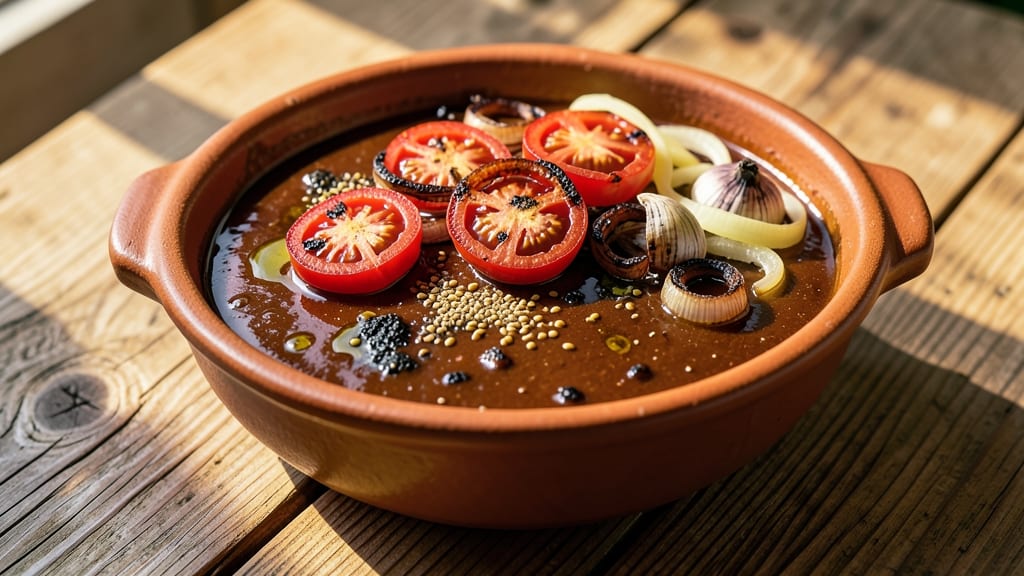
This authentic beef enchilada sauce delivers the smoky, rich depth that transforms ordinary enchiladas into restaurant-quality masterpieces. The secret lies in simmering dried chipotle peppers with tomatoes, garlic, and cumin until the flavors meld into a velvety, aromatic sauce—no shortcuts, just traditional techniques.
I’ve perfected this recipe over years of testing, ensuring every spoonful captures the essence of Mexican home cooking.
The foundation starts with charring onions and garlic for natural sweetness, then building layers of flavor through slow simmering. A touch of beef broth deepens the sauce while keeping it balanced, and fresh cilantro at the end adds that bright, herbaceous finish that sets authentic versions apart.
This isn’t just a sauce—it’s the heart of your dish, designed to cling to tortillas and melt into cheese with every bite.
What makes this sauce truly special is its versatility. Use it for enchiladas, tacos, or even as a dip—its rich, smoky profile elevates any Mexican-inspired meal. The recipe yields about 3 cups, perfect for meal prep or gifting to fellow home cooks.
With just 30 minutes of active time and 20 minutes of simmering, you’ll have a sauce that tastes like it simmered all day.
Store it in the fridge for up to 5 days or freeze for 3 months—its flavors only deepen with time. Whether you’re feeding a crowd or saving leftovers for later, this sauce delivers the authenticity and depth that separates homemade from store-bought. Let’s get started on creating your own batch.
Ingredients for authentic beef enchilada sauce
Nine ingredients, smoky depth, and fresh cilantro brightness—this sauce is the heart of your enchiladas.
| Ingredient | Amount | Notes |
|---|---|---|
| Dried Chipotle Peppers in Adobo Sauce 🌶️ | 2 whole | Stems and seeds removed |
| Roma Tomatoes 🍅 | 2 cups | Chopped, fresh or canned |
| Yellow Onion 🧅 | 1 whole | Chopped, charred for depth |
| Garlic Cloves 🧄 | 4 cloves | Minced, charred for sweetness |
| Ground Cumin 🌿 | 1 tbsp | Toasted for warmth |
| Beef Broth 💧 | 1 cup | Low-sodium preferred |
| Fresh Cilantro 🌿 | ¼ cup | Chopped, for brightness |
| Extra-Virgin Olive Oil 🫒 | 2 tbsp | For charring onions/garlic |
| Salt 🧂 | 1 tsp | Diamond Crystal preferred |
| Black Pepper 🌶️ | ½ tsp | Freshly ground |
The chipotle peppers are non-negotiable for that authentic smoky punch. Penzeys or bulk bins at Mexican markets have the best quality—look for peppers that still have some adobo sauce clinging to them. Fresh Roma tomatoes are ideal, but San Marzano canned tomatoes work perfectly if you're short on time. Char those onions and garlic in a dry skillet until blackened—this step adds a caramelized sweetness that store-bought sauces can't replicate. I usually grab my beef broth from Trader Joe's since it's consistently flavorful without being overly salty.
No fresh cilantro? Dried cilantro at half the amount works in a pinch, though it lacks that bright pop. Running out of chipotle peppers? Ancho chiles or smoked paprika can substitute, but you'll lose some of that deep smokiness. The olive oil should be extra-virgin—anything less and you'll taste the difference. For extra richness, stir in a splash of Mexican beer at the end (like Modelo or Corona), but it's optional. If you're making a big batch, double the spices but keep the liquids proportional—this sauce only gets better when made ahead.
This sauce tastes even better the next day as all the flavors meld together. Store it in an airtight container in the fridge for up to 5 days or freeze for 3 months. I like to freeze it in ice cube trays for single-use portions—just pop one out when you need it. The sauce thickens as it cools, so add a splash of water or broth when reheating if it's too thick. Perfect for enchiladas, tacos, or even as a dip with tortilla chips—trust me, you'll want to make extra.
Why You'll Love This Recipe
- No-Sweat Simmer: I swear by this—just chop an onion, crush some garlic, and let the chipotle peppers and tomatoes do the work. The sauce basically makes itself while you stir in cumin and watch the smoky aroma fill your kitchen.
- Smoky Depth Magic: That first taste? Chef’s kiss. The adobo sauce brings real heat and complexity, while the cumin and charred tomatoes create this perfect balance—rich, earthy, and just spicy enough to linger. Honestly, store-bought sauce can’t compete.
- Weeknight to Party: Same sauce, endless uses. Slather it on enchiladas for Taco Tuesday, drizzle it over grilled steak for a quick dinner, or even toss it with beans for a crowd-pleasing side. I’ve used it for everything from lazy weeknights to game-day spread.
- Budget-Friendly Staple: A single can of chipotles and a bag of tomatoes stretch to feed four for three meals. Freeze leftovers in ice cube trays for future drizzling—no waste, all flavor. My wallet and freezer thank me every time.
Step-by-step instructions for authentic beef enchilada sauce
Here's how to make a sauce that captures the smoky depth of traditional Mexican cooking.
Char the Vegetables for Maximum Flavor
Heat a dry skillet over medium-high heat and add the whole yellow onion and garlic cloves (peeled). Let them char for 8-10 minutes, turning occasionally, until blackened in spots and fragrant. This charring process develops deep, smoky flavors that are essential for authentic enchilada sauce.
I like to work in batches if needed—don't crowd the pan or the vegetables will steam instead of char. Once charred, transfer them to a cutting board and let cool slightly before chopping. The roma tomatoes don't need charring here, but you can add them to the pan after removing the onions and garlic if you prefer that smoky tomato flavor.
Build the Sauce Base with Chipotle and Spices
In a blender, combine the charred yellow onion and garlic cloves with the 2 whole dried chipotle peppers in adobo sauce (stems and seeds removed), 2 cups chopped roma tomatoes, 1 tbsp ground cumin, 1 tsp salt, and 0.5 tsp black pepper. Blend until completely smooth, scraping down the sides as needed. The sauce should be vibrant red with a deep, smoky aroma.
This is where the magic happens—the chipotle peppers provide that signature smoky heat while the cumin adds earthy warmth. I always use a high-powered blender for this step to ensure no chunks remain, which could make the sauce unevenly textured. If you're using canned tomatoes, drain them first to avoid a watery sauce.
Simmer the Sauce for Depth of Flavor
Transfer the blended mixture to a saucepan and cook over medium heat for 10-12 minutes, stirring occasionally, until it thickens slightly. Add the 1 cup beef broth and 2 tbsp extra-virgin olive oil, then continue simmering for another 5-7 minutes until the sauce reaches your desired consistency—it should coat the back of a spoon but still be pourable.
Here's the thing—don't rush this step. The sauce needs time to develop its complex flavors. If it thickens too much, simply add a splash of water or broth to loosen it. The olive oil not only adds richness but also helps balance the acidity of the tomatoes and the heat from the chipotle peppers.
Finish with Fresh Cilantro for Brightness
Remove the sauce from heat and stir in the 0.25 cup chopped fresh cilantro. Let it steep for 2-3 minutes to infuse the cilantro's bright, citrusy flavor into the sauce. Taste and adjust the seasoning if needed—you might want to add a pinch more salt or a dash of lime juice to balance the flavors.
The cilantro is the final touch that makes this sauce truly authentic. It cuts through the richness and adds a fresh, vibrant note that complements the smoky, spicy base. If you're using this sauce for enchiladas, you can serve it warm or let it cool slightly before using—it'll keep well in the refrigerator for up to 5 days or can be frozen for longer storage.
Pro Tips For Making Authentic Beef Enchilada Sauce
- CHAR THE TOMATOES FIRST: I used to toss whole Roma tomatoes into the pot and wonder why my sauce tasted watery. Cut them into rough chunks, then sear them in a dry skillet for 3-4 minutes—this breaks down the skins and concentrates their flavor before they even hit the sauce. (Yes, it’s an extra step, but your sauce will taste like it simmered all day.)
- STRAIN THE ADOBO SAUCE: The adobo sauce from chipotles in adobo is delicious, but it’s also packed with seeds and skin fragments that turn your sauce gritty. After blending the chipotles with their sauce, strain it through a fine-mesh sieve—you’ll lose a little liquid, but the result is silky smooth. (I learned this the hard way when I served a batch with visible bits to my picky mother-in-law.)
- LOW AND SLOW Wins: Skip the high-heat rush—this sauce needs time to develop depth. Simmer it uncovered on medium-low for at least 20 minutes, stirring occasionally. The longer it cooks, the more the cumin and chipotle flavors meld together. (I know, I know—you’re hungry now. But trust me, the patience pays off.)
- TOAST THE CUMIN DRY: Ground cumin loses its earthy punch when bloomed in oil, but whole cumin seeds toasted in a dry skillet for 30 seconds first? That’s where the magic happens. Crush them lightly with a mortar or rolling pin before adding to the sauce—it releases oils that make the flavor pop. (Sounds weird, but it works: my sauce went from "meh" to "wow" after I tried this.)
Storing and reheating this recipe
Fridge Storage Tips
Let your enchilada sauce cool to room temperature before transferring it to an airtight container—I use glass jars with tight-sealing lids for the best results. Store it in the fridge at 40°F or below for up to 5 days.
The flavors actually deepen overnight as the spices meld together, so leftovers often taste even better the next day. 💪
If you notice the sauce thickens significantly after refrigeration, simply stir in 1-2 tablespoons of water or beef broth when reheating. This helps restore the perfect pour consistency without diluting the flavor. I always label my containers with the date to keep track of freshness.
Freezer-Friendly Methods
For longer storage, divide the sauce into 1-cup portions in freezer-safe containers or silicone ice cube trays. Once frozen solid, transfer the cubes to a ziplock freezer bag with excess air squeezed out to prevent freezer burn.
This portion control makes it easy to thaw just what you need for a quick meal. 🧊
The sauce maintains its quality for up to 3 months in the freezer. When ready to use, thaw overnight in the fridge or quickly in the microwave on low power for 1-2 minutes, stirring halfway. Avoid boiling the sauce when reheating—just warm it gently to preserve its delicate texture.
Reheating Perfection
My go-to method for reheating is a light simmer on the stovetop. Pour the sauce into a saucepan and heat over low-medium heat for 5-7 minutes, stirring occasionally.
This gentle approach prevents scorching while reactivating all those deep, smoky flavors. Add a splash of beef broth if needed to loosen the sauce. 🔥
For microwave reheating, transfer the sauce to a microwave-safe bowl and heat in 30-second intervals, stirring between each interval. This gradual approach prevents hot spots while ensuring even heating.
Always taste and adjust seasoning after reheating—sometimes a pinch of salt or a squeeze of lime juice brings it back to perfect balance.
Make-Ahead Secrets
This sauce is one of my favorite make-ahead projects for busy weeks. I often double the recipe and freeze half immediately, keeping the other half in the fridge for the next few days. The sauce's flavors continue developing in the freezer, making it taste even more complex when thawed. ✨
When using frozen sauce, I recommend thawing it in the fridge overnight rather than at room temperature. This slow thawing process helps maintain the sauce's texture and prevents bacterial growth.
If you're short on time, you can use the frozen sauce directly in your enchiladas—just add it straight from the freezer to your dish and let it warm through during cooking.
Nutrition facts
Frequently asked questions
Can I substitute chipotle peppers with something milder?
Yes! For a milder version, use 1-2 ancho chiles (stemmed and seeded) instead of chipotle, or reduce the amount to 1 chipotle pepper. You can also blend in ½ teaspoon smoked paprika for depth without the heat. The sauce will still have smoky flavor, just less intensity.
How do I adjust the thickness of the sauce?
If the sauce is too thick after simmering, stir in 1-2 tablespoons of beef broth or water until it reaches a pourable consistency. For extra thickness, simmer uncovered for 5-10 more minutes to reduce. The ideal texture should coat the back of a spoon but still flow freely.
What's the best way to use leftover enchilada sauce?
Leftover sauce is perfect for tacos, quesadillas, or even as a dip with tortilla chips. For enchiladas, reheat gently on the stovetop with a splash of broth. You can also freeze it in 1-cup portions for future use—just thaw in the fridge overnight before serving.
Can I make this sauce without a blender?
Finely chop the charred onions, garlic, and tomatoes by hand, then simmer everything together in the saucepan. The sauce will be slightly chunkier but still delicious. For extra smoothness, press the mixture through a fine-mesh strainer after simmering.
Why does my sauce taste too acidic?
Fresh tomatoes can sometimes make the sauce too acidic. Balance it by adding ½ teaspoon baking soda (it neutralizes acidity) or a splash of beef broth. For extra depth, stir in 1 teaspoon honey or brown sugar to mellow the acidity while adding richness.