
Sauces & Condiments
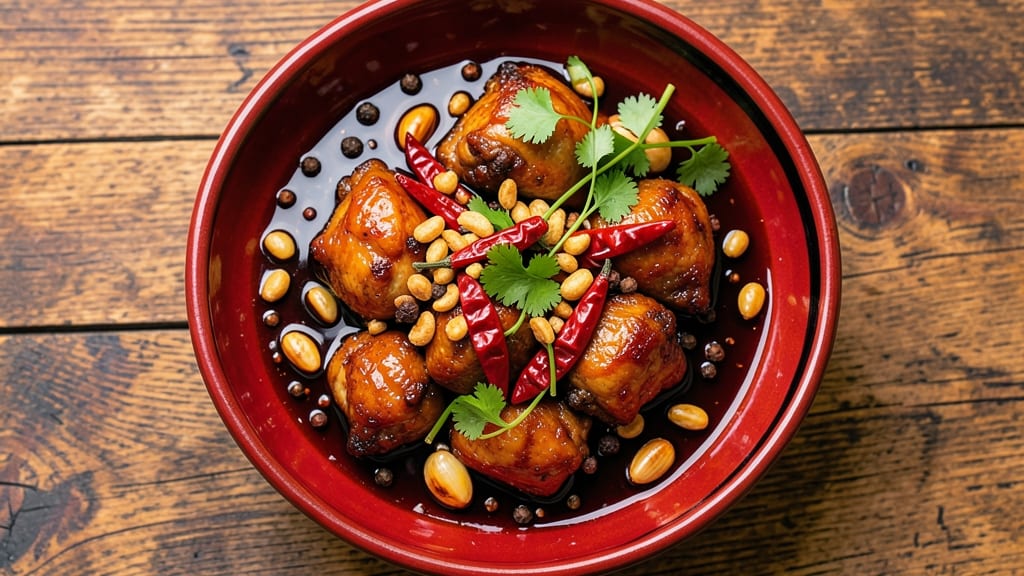
This authentic kung pao sauce delivers the bold, complex flavors of Sichuan cuisine with fermented shrimp paste and crispy chili crunch. The key lies in balancing sweet, spicy, and umami notes through careful toasting of Sichuan peppercorns and chili oil.
I developed this recipe after years of refining the perfect harmony between heat and depth—no shortcuts here. The sauce begins with a fragrant base of garlic, ginger, and fermented shrimp paste, which adds that signature funky umami.
Toasting whole Sichuan peppercorns releases their signature tingling heat and citrusy aroma, while dried chilies contribute smoky depth. A touch of soy sauce and vinegar bridges the gap between sweet and savory, creating a sauce that’s as versatile as it is authentic.
What sets this apart is the crispy chili crunch—fresh red chilies quickly fried until blistered and crispy, then tossed in. This adds texture that elevates every dish, from stir-fries to noodles. The sauce keeps well in the refrigerator for up to 2 weeks, allowing flavors to deepen over time.
For those sensitive to heat, reduce the chili oil or fermented shrimp paste, but never compromise on the toasting step—it’s what makes this sauce truly authentic. Let’s get started on creating this flavor-packed essential for your kitchen.
Ingredients for authentic kung pao sauce
Nine bold ingredients for a sauce that packs Sichuan heat and umami punch.
| Ingredient | Amount | Notes |
|---|---|---|
| Fermented Shrimp Paste 🦐 | 1 tbsp | Key for umami depth |
| Sichuan Peppercorns 🌶️ | 1 tbsp | Whole, lightly toasted |
| Dried Red Chilies 🔥 | 2 pieces | Stemmed, not seeded |
| Garlic Cloves 🧄 | 6 cloves | Freshly minced |
| Fresh Ginger 🌿 | 1 tbsp | Finely grated |
| Light Soy Sauce 🍶 | 2 tbsp | For balance |
| Dark Soy Sauce 🍶 | 1 tbsp | For color depth |
| Rice Vinegar 🍶 | 1 tbsp | White or seasoned |
| Dark Brown Sugar 🍯 | 1 ½ tbsp | For caramelized sweetness |
| Sesame Oil 🫒 | 1 tbsp | Toasted for aroma |
| Fresh Red Chilies 🌶️ | 3 pieces | For crispy crunch |
| Vegetable Oil 🫒 | ¼ cup | For frying chilies |
The fermented shrimp paste is non-negotiable—Asian markets carry the best, or check the international aisle at Whole Foods. Look for a deep red, funky aroma—this is your umami bomb. Sichuan peppercorns? Toast them in a dry pan for 2 minutes until fragrant—don't skip this step. The dried chilies should be vibrant red, not dull. If they're dusty, soak in warm water for 10 minutes to revive. Fresh red chilies for the crunch? Thai bird's eye or Fresno peppers work best—just don't use the tiny ones unless you want nuclear heat.
No fermented shrimp paste? Fish sauce plus a pinch of sugar gets you close, but it won't have that same funk. Short on Sichuan peppercorns? Black pepper plus a dash of citrus zest mimics the tingling heat. The soy sauces matter—La Choy or Pearl River Bridge brands are reliable. For the sugar, palm sugar or coconut sugar adds deeper caramel notes than white sugar. And that crispy chili crunch? Fry them in small batches until blistered and crisp—don't overcrowd the pan or they'll steam instead of crisp.
This sauce tastes better the next day as flavors meld. Store in an airtight jar in the fridge for up to 2 weeks. The crispy chilies stay crunchy for 3-4 days if kept separate. Double the batch—I always do. Freeze extras in ice cube trays for easy portioning. When reheating, add a splash of water to restore the glossy texture. And if you're feeling fancy, toss in a handful of toasted peanuts for extra crunch.
Why You'll Love This Recipe
- Pantry Magic: I swear by this sauce because it turns fridge scraps into gold. That leftover ginger? Toss it in. Extra garlic? No problem. The fermented shrimp paste alone adds this umami punch that makes everything taste like you slaved over it—even when you didn’t.
- Numb & Spicy Bliss: Honestly, the Sichuan peppercorns and dried chilies create a flavor explosion—tingling heat that lingers in the best way. It’s not just spicy; it’s a full-body experience, and I’ll fight anyone who says otherwise. (Yes, even my picky roommate.)
- Weeknight Hero: Between us, this sauce is my secret weapon for lazy nights. Stir-fry some chicken, toss it in, and boom—dinner’s done. It even freezes like a dream, so I make a big batch and save it for when I’m too tired to think.
- Budget Booster: Fermented shrimp paste and dried chilies last forever, and a little goes a long way. I’ve fed four people for under $10 with this sauce, and they’ve never complained about the leftovers—because they’re always gone by Wednesday.
Step-by-step instructions for authentic kung pao sauce
Here's how to build this bold, balanced sauce with deep umami and perfect chili crunch.
Toast the Sichuan Peppercorns and Dry Chilies
Heat a dry skillet over medium heat and add the 1 tbsp Sichuan peppercorns. Toast them for 1-2 minutes until fragrant and lightly browned—you'll smell that signature numbing aroma. Immediately transfer to a bowl and set aside.
In the same skillet, add the 2 pieces dried red chilies (stemmed but not seeded) and toast for 30 seconds until they darken slightly. This step develops their smoky depth. Let them cool completely before handling—they'll be hot to the touch.
Build the Umami Base with Fermented Shrimp Paste
In a clean bowl, combine the 1 tbsp fermented shrimp paste with the 1 tbsp finely grated fresh ginger and 6 cloves minced garlic. Mix well—this paste is potent, so work quickly. The shrimp paste adds that signature funky umami that defines authentic Kung Pao.
Let this mixture sit for 5 minutes while you prepare the rest. The paste will soften slightly, making it easier to incorporate later. Don't skip this step—it ensures even distribution of that complex shrimp flavor.
Fry the Fresh Chilies for Crunch
Heat 0.25 cup vegetable oil in a wok or deep skillet over medium-high heat until shimmering. Add the 3 pieces fresh red chilies and fry for 2-3 minutes until they blister and turn deep red—this creates that essential crispy crunch. Remove with tongs and drain on paper towels.
Here's the thing—if you skip frying these chilies, you lose that signature texture. They should be crisp enough to hear a slight crackle when you bite them. Set them aside on a wire rack to keep them crisp.
Create the Sauce Base
In the same wok (with leftover oil), add the toasted Sichuan peppercorns and cook for 10 seconds until aromatic. Immediately add the shrimp paste-ginger-garlic mixture and stir for 30 seconds until fragrant.
Pour in the 2 tbsp light soy sauce, 1 tbsp dark soy sauce, and 1 tbsp rice vinegar. Add the 1.5 tbsp dark brown sugar and stir vigorously. The sauce should bubble gently—this is when the flavors start to meld together.
Finish with Sesame Oil and Balance
Cook the sauce for 2-3 minutes until it thickens slightly and coats the back of a spoon. Remove from heat and stir in the 1 tbsp toasted sesame oil. This adds that nutty aroma that completes the sauce.
Taste and adjust—you want a balance of sweet, salty, and spicy. The sauce should be vibrant red with a glossy sheen. If it's too thick, add 1 tsp water at a time until it reaches a pourable consistency. Serve immediately over your protein of choice, garnished with the crispy fried chilies.
Pro Tips For Making Authentic Kung Pao Sauce
- STIR-FRY IN STAGES: Don’t dump everything in at once—start with garlic, ginger, and chilies in a dry pan until fragrant (about 30 seconds), then add oil and shrimp paste. This keeps the aromatics from burning while building flavor layer by layer. I learned this the hard way after a batch tasted bitter from overcooked garlic.
- TOAST PEPPERCORNS FIRST: Lightly toast whole Sichuan peppercorns in a dry pan for 10 seconds before grinding—this deepens their citrusy aroma. Crush them with the flat side of a knife afterward for even distribution. (Yes, even if you’re impatient like me, skip the blender.)
- SKIP THE WATERY PASTE: Fermented shrimp paste is potent—use just ½ to 1 teaspoon, not the "generous spoonful" some recipes suggest. If it smells too strong, dilute it with 1 teaspoon of the sauce’s liquid (like soy or vinegar) before adding. Trust me, your nose isn’t lying.
- SAVE TIME WITH FROZEN GINGER: Peel and grate frozen ginger directly into the wok—it’s pre-concentrated and won’t bleed like fresh. Just toss in 1 tablespoon (about 1-inch fresh equivalent) with the garlic. No thawing, no mess. I was skeptical until I tried it.
Troubleshooting this recipe
Uneven Heat Distribution
If your sauce tastes unevenly spicy, the fermented shrimp paste and Sichuan peppercorns likely weren’t fully incorporated. Stir the paste into the oil for 30-45 seconds before adding other ingredients—this ensures even distribution. For extra insurance, blend the paste with 1 tbsp water first to create a smoother emulsion. 🌶️
Sauce Too Thin or Watery
This usually happens when too much liquid (like vinegar or water) is added. Simmer the sauce uncovered for 5-7 minutes to reduce excess moisture. If it’s still too thin, mix ½ tsp cornstarch with 1 tsp cold water, stir into the sauce, and cook for 1 more minute.
Never skip the simmering step—patience is key here.
Lack of Crispy Chili Crunch
Overcrowding the pan or using the wrong chili variety kills that signature crunch. Fry 1-2 chilies at a time in ¼ cup hot oil for 2-3 minutes until blistered.
Use Thai bird’s eye or Fresno peppers—they hold their shape better than delicate jalapeños. Keep them separate until serving to maintain crispness.
Sauce Loses Gloss After Refrigeration
Store the sauce in an airtight jar with a thin layer of oil on top (about ½ tsp sesame oil). This prevents the surface from drying out.
When reheating, add 1 tsp water per ¼ cup sauce and simmer for 2 minutes to restore the glossy texture. Avoid microwaving—it breaks down the sauce’s integrity.
Fermented Shrimp Paste Overpowering
If the funk is too strong, balance it with ½ tsp fish sauce or 1 tsp extra sugar. For a milder version, reduce the paste to ½ tbsp and boost the garlic to 8 cloves.
Remember, the paste should enhance, not dominate—think of it as a flavor amplifier, not the star of the show.
Sauce Too Sweet or Salty
Taste as you go! If it’s too sweet, add ½ tsp rice vinegar and a pinch of salt. For excessive saltiness, dilute with 1 tsp water and add ¼ tsp sugar.
The ideal balance should be: 20% sweet, 30% salty, and 50% spicy/umami**. Adjust incrementally—you can always add more, but you can’t take it out.
Nutrition facts
Frequently asked questions
Can I substitute fermented shrimp paste in this recipe?
Yes, but the flavor will change. For a milder version, use 1 tbsp fish sauce plus ½ tsp sugar to mimic the umami. For a vegetarian option, try ½ tbsp miso paste or 1 tsp soy sauce with an extra pinch of garlic powder. The shrimp paste adds that signature funky depth, so substitutions won't be identical.
How do I adjust the heat level in this sauce?
For less heat, reduce the fresh red chilies to 1-2 pieces and omit the dried chilies. For extra spice, add 1 extra dried chili and fry 1 extra fresh chili. You can also increase the Sichuan peppercorns to 1.5 tbsp for more tingling heat. Always taste as you go!
Can I make this sauce without Sichuan peppercorns?
Replace them with ½ tsp black pepper plus ¼ tsp lemon zest to mimic the tingling sensation. For a closer flavor, add ½ tsp ground star anise (it's in the same botanical family). The sauce will still be delicious—just with a slightly different aromatic profile.
How long will this sauce keep in the fridge?
The sauce stays fresh for up to 2 weeks when stored in an airtight jar. For best quality, keep the crispy fried chilies separate until serving. The flavors actually improve over time as the ingredients meld together. If you notice the surface drying out, add a thin layer of oil before sealing.
What's the best way to use this sauce?
This versatile sauce works perfectly on stir-fries, noodles, or as a dipping sauce for spring rolls. For stir-fries, add ¼ cup sauce at the end and toss with your protein. For noodles, mix 2 tbsp sauce with 1 tbsp oil for a glossy coating. The crispy chilies add amazing texture to any dish!