
Sauces & Condiments
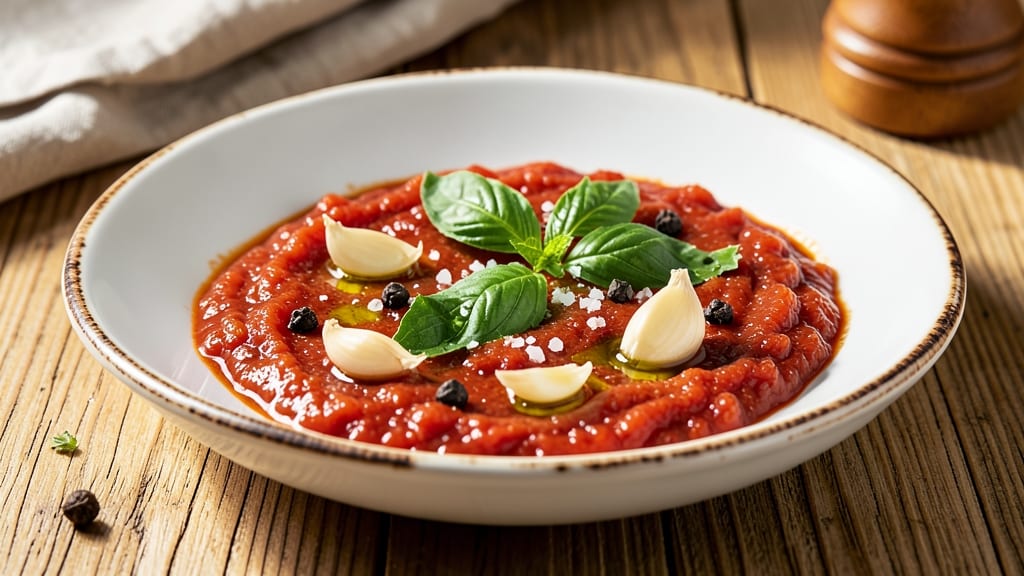
This authentic Neapolitan sauce captures the soul of Italian cooking in every spoonful, where San Marzano tomatoes simmer low to develop deep, sweet complexity. The secret lies in patience—no rushing, just time and heat working magic to transform simple ingredients into something extraordinary.
I’ve perfected this recipe over years of testing, ensuring the balance of acidity, sweetness, and umami that defines true Neapolitan flavor.
The foundation starts with crushed tomatoes, garlic, and olive oil, simmered gently to let flavors meld without breaking down. Fresh basil and a touch of salt brighten the sauce at the end, adding that signature freshness that makes it unforgettable.
This isn’t just marinara—it’s a sauce that builds layers of taste, one slow simmer at a time.
What you’ll end up with is a rich, velvety sauce that clings perfectly to pasta, pizza, or meatballs, delivering that restaurant-quality depth at home. The texture is smooth yet vibrant, with just enough body to coat without overwhelming.
It’s the kind of sauce that makes you want to savor every bite, not just eat it.
Best of all, it keeps beautifully in the fridge for up to a week, so you can make a big batch and enjoy it throughout the week. Whether you’re dressing al dente pasta or drizzling over grilled chicken, this sauce will elevate any dish to something special.
Let’s get started on creating something truly authentic.
Ingredients for authentic neapolitan sauce
San Marzano tomatoes and fresh basil—this is where Neapolitan magic begins.
| Ingredient | Amount | Notes |
|---|---|---|
| San Marzano Crushed Tomatoes 🍅 | 28 oz | High-quality, whole peeled |
| Extra-Virgin Olive Oil 🫒 | ½ cup | Fruity, low acidity preferred |
| Garlic Cloves 🧄 | 4 cloves | Fresh, peeled, minced fine |
| Fresh Basil Leaves 🌿 | ¼ cup | Packed, stems removed |
| Diamond Crystal Kosher Salt 🧂 | 1 ½ tsp | Adjust to taste |
| Ground Black Pepper 🌶️ | ¼ tsp | Freshly cracked |
| Red Wine Vinegar 🍷 | 1 tbsp | Dry, aged variety |
| Freshly Grated Parmesan Cheese 🧀 | ¼ cup | From Parmigiano-Reggiano block |
The San Marzano tomatoes are non-negotiable here. Look for the 28-ounce cans—they're sweeter and less acidic than regular crushed tomatoes. Rao's or Mutti are my go-tos, but any reputable brand with 'San Marzano' on the label works. The olive oil should be extra-virgin with fruity notes—none of that cheap stuff. I grab mine from Whole Foods or Trader Joe's where they have good selections. Fresh basil is ideal, but if you're using dried, cut the amount to one-third—it's way more concentrated. The garlic? Fresh only. Jarred minced garlic has a metallic aftertaste that ruins everything.
No San Marzano tomatoes? High-quality crushed tomatoes are your next best bet—just add 1/2 tsp sugar to mimic the natural sweetness. Running low on olive oil? Avocado oil works in a pinch, but it won't have that same fruity depth. Fresh basil wilting? Spinach or parsley can stretch it, but reduce to 1/4 cup for balance. The red wine vinegar adds brightness—no vinegar? Fresh lemon juice at the same amount does the trick. And if you're avoiding dairy, skip the Parmesan or use nutritional yeast for a cheesy note. The Parmigiano-Reggiano needs to be freshly grated—pre-shredded has anti-caking agents that make it taste off.
This sauce tastes even better the next day as flavors meld. Store it in an airtight container with a thin layer of olive oil on top to preserve freshness. Keeps in the fridge for 5-7 days or freeze for up to 3 months—just thaw overnight in the fridge. I always make double batches because it disappears so fast. The texture gets even richer after the first day, so don't rush it. If you're prepping for a big meal, freeze individual portions in ice cube trays for easy use later.
Why You'll Love This Recipe
- 20-Minute Magic: I swear by this sauce—just crush the tomatoes, simmer with garlic and olive oil, and let the basil finish it off. No chopping, no fuss, just pure flavor that happens while you chop salad or set the table.
- Sunshine in a Jar: That first taste of San Marzano tomatoes—sweet, rich, with just a hint of acid—is like summer in a spoonful. The garlic softens into something golden, and the basil? It’s the cherry on top, bright and fresh.
- Weeknight Swiss Army Knife: This sauce works with pasta, grilled chicken, or even toasted bread—no need to reinvent the wheel. I’ve used it for dinner, packed it for lunch, and even drizzled it on pizza crusts. It’s my go-to for anything that needs a little je ne sais quoi.
- Budget-Friendly Pantry Hero: Honestly, the ingredients cost next to nothing, but the flavor? Unreal. A can of San Marzano tomatoes and a bulb of garlic stretch across multiple meals, and the olive oil and salt are staples you already own. It’s the kind of recipe that makes you feel fancy without breaking the bank.
Step-by-step instructions for authentic Neapolitan sauce
This is how Neapolitan cooks transform simple ingredients into sauce that tastes like summer in Italy.
Bloom the Garlic in Olive Oil
Heat the 0.5 cup Extra-Virgin Olive Oil in a heavy-bottomed saucepan over medium-low heat. The oil should shimmer gently—if it smokes, reduce the heat immediately. Add the 4 cloves Garlic Cloves and cook for 2-3 minutes until they turn a pale golden color and release their aroma.
This slow cooking prevents burning, which would make the sauce bitter. You'll know it's ready when the garlic smells sweet and nutty, not sharp or pungent. Keep the pan uncovered so any moisture evaporates—this helps the garlic develop flavor without steaming.
Add Tomatoes and Simmer Gently
Pour in the 28 oz San Marzano Crushed Tomatoes, stirring to combine with the garlic and oil. Bring to a gentle simmer over low heat, then reduce to the lowest setting possible. The sauce should bubble softly—never boil vigorously. Partially cover the pan and let it cook for 45-60 minutes, stirring occasionally.
This long, slow cook time is essential for developing deep tomato flavor. You're looking for a sauce that thickens naturally as moisture evaporates. If it starts to stick, add 1-2 tablespoons of water to keep it moving. The sauce should reduce by about one-third by the end of this time.
Season and Brighten the Sauce
Stir in the 1.5 tsp Diamond Crystal Kosher Salt, 0.25 tsp Ground Black Pepper, and 1 tbsp Red Wine Vinegar. Taste and adjust the salt if needed—Neapolitan sauce should be well-seasoned but not salty. Add the 0.25 cup Fresh Basil Leaves and let them wilt into the sauce for 5 minutes. Remove the basil leaves before serving if you prefer a cleaner presentation.
The vinegar brightens the tomatoes' natural sweetness while adding acidity that cuts through the richness. This is where the sauce transforms from good to extraordinary. If you're using fresh basil, tear the leaves rather than chopping them—their oils will infuse more gently into the sauce.
Finish with Parmesan and Rest
Remove the sauce from heat and stir in the 0.25 cup Freshly Grated Parmesan Cheese. Let it sit off the heat for 10-15 minutes, stirring occasionally. This resting period allows the flavors to meld completely. The sauce should be smooth, glossy, and deeply aromatic, with a consistency somewhere between chunky and smooth.
For best results, use this sauce immediately over al dente pasta or grilled meats. If storing, let it cool completely before refrigerating in an airtight container. It keeps well for 3-4 days, though it tastes best within 24 hours. The longer it sits, the more the flavors develop, but the texture may thicken slightly—just add a splash of water when reheating.
Pro Tips For Making Authentic Neapolitan Sauce
- Sweat Garlic Slowly: I learned this the hard way—crushing garlic into olive oil at high heat ruins its flavor fast. Instead, add minced cloves to the oil on medium-low and let them cook until just golden, about 3-4 minutes. That’s when the aroma deepens without burning.
- Use Whole San Marzano: Crushed tomatoes break down too fast, turning your sauce into mush. Tear open whole canned San Marzano tomatoes and drop them in—skin and all. They’ll soften evenly, keeping texture and sweetness intact.
- Salt in Stages: Dump all the salt at once and you’ll end up with a bland sauce later. Start with half the kosher salt upfront, then taste and adjust after 15 minutes of simmering. The acid in tomatoes needs time to balance.
- Finish with Cold Oil: Tossing in fresh basil at the end? Drizzle 1 tablespoon of extra-virgin olive oil right before removing the pot from heat. The cold oil coats the leaves, locking in their bright flavor instead of wilting them into oblivion.
Common mistakes when making this recipe
Overcooking the Tomatoes
Neapolitan sauce thrives on patience, so never boil it vigorously. When you see bubbles rolling over the sides of your pan, you're destroying the delicate tomato flavor and creating a mushy, one-dimensional sauce.
I've ruined more batches than I care to admit by letting it get too hot—always maintain a gentle simmer at low heat. The goal is to reduce the sauce by about one-third over 45-60 minutes, not to turn it into tomato paste. 🌡️
Skipping the Garlic Bloom
Many recipes just toss in minced garlic with the tomatoes, but that's a missed opportunity for depth. You need to bloom the garlic in olive oil for 2-3 minutes until it's pale golden and fragrant.
This step develops the sweet, nutty notes that become the sauce's foundation. I once made sauce without blooming the garlic—it tasted flat and one-dimensional. The difference is night and day when done right.
Using Low-Quality Tomatoes
This is where most homemade Neapolitan sauces fail—San Marzano tomatoes are non-negotiable. Their natural sweetness and low acidity create that perfect balance. I've tried using regular crushed tomatoes, and while they work in a pinch, they lack the depth and complexity.
If you can't find San Marzano, add ½ tsp sugar to regular tomatoes, but it won't be the same. The 28-ounce cans are ideal because they give you enough volume without watering down the flavor.
Adding Basil Too Early
Fresh basil should be added just before the end of cooking and removed immediately after. Adding it too early turns the sauce bitter as the leaves release their compounds prematurely. I learned this the hard way when I let basil steep too long—it ruined a perfectly good batch.
Add the basil leaves when you're ready to finish seasoning, let them wilt for 5 minutes, then strain them out if you prefer a cleaner presentation. The aroma alone will make your kitchen smell like a Neapolitan pizzeria.
Ignoring the Resting Period
The 10-15 minute resting period after adding Parmesan is crucial for flavor development. This is when the sauce comes together—its components meld and the flavors deepen. I've seen people skip this step and serve the sauce immediately, and while it's edible, it lacks that restaurant-quality depth.
Let it sit off the heat, stirring occasionally, and you'll notice how much richer and more cohesive the flavors become. Patience here makes all the difference.
Over-Salting or Under-Salting
Neapolitan sauce should be well-seasoned but not salty. Many home cooks either go too heavy with salt or hold back entirely. Taste as you go and adjust gradually—you can always add more salt, but you can't take it out.
I recommend starting with 1.5 tsp kosher salt and adjusting to taste. The vinegar also contributes to the overall seasoning, so balance both carefully. Remember, the salt should enhance the natural flavors, not overpower them.
Nutrition facts
Frequently asked questions
Why is San Marzano tomato the only choice for authentic Neapolitan sauce?
San Marzano tomatoes are the gold standard because their unique shape and growing conditions in Italy's volcanic soil create a naturally sweeter, less acidic flavor profile. Their thick flesh and lower water content mean more concentrated tomato flavor, which is essential for that perfect balance of sweetness and acidity in traditional Neapolitan sauce. The 28-ounce cans are especially prized for their consistency and volume.
Can I make this sauce without fresh basil?
You can substitute with 1/3 cup dried basil, but fresh is ideal for that bright, aromatic quality. If using dried, add it with the tomatoes and simmer for 15 minutes before removing. For a different herbal note, try oregano (1 tsp) or thyme (1 sprig)—both work well in Italian sauces, though they'll change the flavor profile slightly.
How do I know when the sauce is ready?
The sauce is done when it's reduced by about one-third (from 28 oz to roughly 18-20 oz) and has a glossy, velvety texture. It should coat the back of a spoon smoothly without being watery. The color should deepen to a rich, ruby red, and the aroma should be intensely aromatic with notes of garlic, tomato, and basil. Taste it—it should be balanced between sweet, acidic, and savory.
Can I use this sauce for pizza?
This sauce is perfect for pizza—its rich, balanced flavor and slightly thickened consistency work beautifully. Use about 1/2 to 3/4 cup per 12-inch pizza, spreading it thinly to avoid sogginess. The sauce's natural sweetness complements mozzarella perfectly, and the acidity helps cut through the richness of other toppings. Just add it right before baking to preserve its freshness.
What's the best way to reheat leftover sauce?
Gently reheat on the stovetop over low heat with a splash of water or pasta water to loosen the texture. Avoid high heat, which can make it too thick or develop a skin. For best results, stir frequently and add just enough liquid to reach your desired consistency. If the sauce seems too thick after reheating, thin it with a little more water or olive oil while it's warm.