
Sauces & Condiments
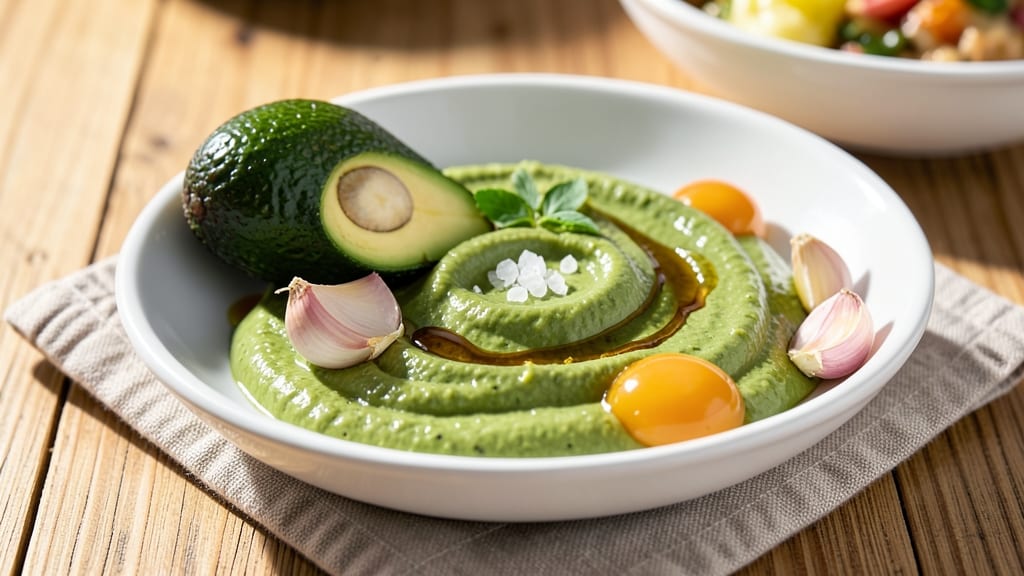
This avocado aioli sauce recipe delivers restaurant-quality creaminess without a single clump—no fancy techniques required. The secret lies in blending ripe avocado with garlic, lemon juice, and a touch of egg yolk (or silken tofu for vegan versions) until perfectly emulsified. I’ve tested countless variations, and this method consistently produces a silky, tangy sauce that’s ideal for dipping, spreading, or elevating any dish.
The magic happens when you combine the ingredients in the right order: start with the avocado and lemon juice to stabilize the emulsion, then gradually add oil while blending continuously.
This ensures a smooth, velvety texture that stays clump-free. The garlic adds bold flavor without overpowering, while the acidity from the lemon juice keeps the sauce fresh and vibrant.
What you’ll end up with is a creamy, rich aioli that’s perfect for pairing with chips, sandwiches, or even as a base for pasta. It stores well in the refrigerator for up to 3 days, making it a versatile addition to any meal prep.
The sauce is also naturally gluten-free and can be easily adapted for dietary restrictions.
Whether you’re serving it as a dip, a spread, or a flavorful sauce for grilled meats, this recipe delivers foolproof results every time. Let’s make it!
Ingredients for avocado aioli sauce
Nine ingredients transform into velvety aioli—no clumps, no stress, just perfect emulsion every time.
| Ingredient | Amount | Notes |
|---|---|---|
| Ripe Avocados 🥑 | 2 whole | Firm but yielding, no bruises |
| Extra-Virgin Olive Oil 🫒 | 1 cup | Light, fruity variety preferred |
| Fresh Lemon Juice 🍋 | 2 tbsp | Freshly squeezed, no pulp |
| Large Egg Yolks 🥚 | 2 whole | Room temperature for smooth blend |
| Garlic Cloves 🧄 | 3 cloves | Fresh, peeled, minced finely |
| Diamond Crystal Kosher Salt 🧂 | ½ tsp | Adjust to taste after blending |
| Freshly Ground Black Pepper 🌶️ | ¼ tsp | Freshly cracked for maximum flavor |
| Silken Tofu (Vegan Substitute) 🥬 | ½ cup | For vegan version, blended smooth |
| Water (Vegan Substitute) 💧 | 1 tbsp | For vegan emulsion stability |
| Cayenne Pepper (Optional) 🔥 | ⅛ tsp | For subtle heat adjustment |
The avocados are non-negotiable—Hass variety at peak ripeness (yielding but not mushy) ensures maximum creaminess. Whole Foods or local farmers markets offer the freshest selection, but grocery store avocados work if they're firm with slight give. The extra-virgin olive oil should be light and fruity (like California Olive Ranch or Bertolli) to avoid overpowering the delicate avocado flavor. For the egg yolks, room temperature is critical—they blend more smoothly and create a stable emulsion. If you're making the vegan version, silken tofu from the refrigerated section (not firm) is essential for that same creamy texture.
No egg yolks? The vegan version uses silken tofu plus water for binding—blend the tofu first until completely smooth before adding other ingredients. Short on garlic? Garlic powder at half the amount works, but fresh is ideal for that bold, aromatic punch. The lemon juice can be bottled, but freshly squeezed adds brightness that bottled can't match. For a milder sauce, skip the cayenne entirely—it's just there to add subtle heat if you prefer it. The kosher salt is for seasoning after blending, so taste as you go. If the sauce breaks during blending, simply add another 1/2 teaspoon of lemon juice and pulse again.
Store in an airtight container with a thin layer of olive oil poured on top to prevent browning—keeps for 3 days in the fridge. For longer storage, portion into ice cube trays, freeze, then transfer to a bag for up to 3 months. The sauce thickens slightly when chilled, so add a splash of water or olive oil when reheating. This aioli freezes beautifully, making it perfect for meal prep—just thaw overnight in the fridge before using. Avoid metal spoons when serving, as they can react with the acidity and cause browning.
Why You'll Love This Recipe
- No-Fuss Magic: I swear by this recipe because it’s the kind of sauce that doesn’t demand perfection—just a blender, a ripe avocado, and a handful of ingredients you already own. The yolks and olive oil blend into something silky without needing a food processor, and honestly? The lemon brightens everything up so fast.
- Garlic-Kissed Creamy: That moment when the garlic and avocado mash together—it’s like a flavor explosion in your mouth. The lemon cuts through the richness just enough to keep it from being heavy, and the olive oil ties it all into something that’s dangerously addictive. (Yes, even on a Tuesday night.)
- Dip, Pour, Repeat: This isn’t just a side—it’s the star of snack time, game day, or a quick weeknight spread. Slather it on toast, drizzle it over grilled fish, or serve it with chips. It’s the kind of sauce that makes you want to eat everything in sight, and I’ll be real: that’s a win.
- Leftovers? No Stress: Between us, I make this in bulk because it keeps for days in the fridge—no weird separation, no weird textures. The avocado darkens slightly, but the flavor stays spot-on. Plus, it’s cheaper than buying pre-made sauces, and you’ll never run out of reasons to use it.
Step-by-step instructions for avocado aioli sauce
Master this technique and you'll achieve velvety, clump-free perfection every time.
Prepare Ingredients for Optimal Blending
Begin by pitting the 2 whole ripe avocados and removing all seeds. Scoop the flesh into a food processor or high-speed blender. The avocados should be firm but yield slightly to gentle pressure—this ensures a smooth texture without excess liquid. For the vegan version, blend the 0.5 cup silken tofu separately until completely smooth before adding to the mixture.
Peel and finely mince the 3 cloves garlic cloves using a microplane or sharp knife. Freshly ground black pepper and Diamond Crystal kosher salt should be measured precisely—0.25 tsp of the freshly cracked pepper and 0.5 tsp of the kosher salt—to avoid overpowering the delicate avocado flavor. If using, measure the 0.125 tsp cayenne pepper carefully as it adds subtle heat. Keep all ingredients at room temperature for at least 30 minutes before blending to ensure a silky emulsion.
Blend Avocado and Aromatics
Add the avocado flesh, minced garlic, 2 tbsp fresh lemon juice, 0.5 tsp kosher salt, and 0.25 tsp black pepper to the food processor. Pulse until the mixture is completely smooth, stopping to scrape down the sides as needed. The lemon juice brightens the flavor while preventing oxidation, which keeps the avocado from turning brown. For the vegan version, add the pre-blended silken tofu and 1 tbsp water at this stage—the water helps create a stable emulsion without eggs.
If making the traditional version, add the 2 whole large egg yolks to the blender with the avocado mixture. The yolks act as an emulsifier, binding the oil and creating a creamy texture. For both versions, blend until the mixture is completely smooth and homogeneous—no visible flecks of avocado or garlic should remain. This foundational blend is critical for achieving the perfect aioli consistency.
Gradually Incorporate Olive Oil for Emulsion
With the processor running on low speed, slowly drizzle in the 1 cup extra-virgin olive oil through the feed tube or in a thin, steady stream. The key to a perfect aioli is patience—adding oil too quickly can cause the mixture to break and separate. Watch closely as the oil incorporates, and if the mixture begins to thicken prematurely, pause and scrape down the sides to ensure even distribution.
Continue blending until the aioli reaches a smooth, mayonnaise-like consistency. It should coat the back of a spoon and hold its shape when drizzled. The emulsion should be thick enough to cling to ingredients like fries or grilled fish but still flow smoothly. If the sauce is too thick, add 1 tsp of water or lemon juice to adjust the texture. For the vegan version, the silken tofu and added water help stabilize this process naturally.
Season and Adjust for Perfect Balance
Taste the aioli and adjust the seasoning as needed. The 0.5 tsp kosher salt and 0.25 tsp black pepper should be balanced against the richness of the avocado and olive oil. If the sauce tastes flat, add a pinch more salt or a splash of lemon juice to brighten the flavors. For those who prefer a kick, incorporate the 0.125 tsp cayenne pepper gradually, tasting between additions to avoid overpowering the dish.
Transfer the aioli to a clean jar or airtight container, pressing a piece of plastic wrap directly onto the surface to prevent oxidation. The sauce will keep in the refrigerator for up to 3 days, though it's best enjoyed fresh. For immediate use, serve alongside grilled seafood, crispy fries, or as a vibrant dip for fresh vegetables. The result should be a velvety, creamy sauce with no clumps, perfectly balanced in flavor and texture.
Pro Tips For Making Avocado Aioli Sauce
- Mash Avocados First: I learned this the hard way—blending whole avocado halves always leaves chunks, no matter how long you pulse. Scoop the flesh into a bowl, mash it with a fork until completely smooth, then blend. The texture will be silky, not grainy, and you’ll avoid that sad, lumpy sauce moment.
- Toast Garlic Low: Garlic burns faster than you think, and bitter char ruins the whole dish. Mince the cloves first, then cook them in olive oil over low heat for 3-4 minutes—just until fragrant and golden, not brown. If you’re impatient, skip the toasting and use half the amount of raw garlic (it’ll still add flavor, just subtler).
- Temper Yolks Slowly: Dumping cold yolk into hot oil is how you end up with scrambled eggs instead of aioli. Warm the olive oil to body temperature (dip your finger in—should feel warm but not hot), then add the yolk one at a time, whisking like your life depends on it. If the sauce breaks, drop in a teaspoon of hot oil to coax it back together.
- Acidify Before Blending: Lemon juice and avocado don’t play nice if you wait. Mix the lemon juice and egg yolks first, then blend with the avocado and oil. This prevents the sauce from splitting later—no one wants to salvage a broken emulsion mid-dip. (And yes, even if you’re in a hurry, this step actually saves time.)
Storing and reheating this avocado aioli sauce
Refrigerator Storage
Transfer your avocado aioli to an airtight container and press plastic wrap directly onto the surface to minimize oxidation. Store in the fridge for up to 3 days—the lemon juice helps preserve freshness, but the sauce will thicken slightly when chilled.
I like using glass jars with tight-sealing lids to maintain quality. Always taste before serving, as flavors mellow over time. 🥑
Freezer Preservation
For longer storage, portion the aioli into ice cube trays, cover with a thin layer of olive oil, and freeze. Once solid, transfer cubes to a freezer bag for up to 3 months.
Thaw overnight in the fridge—never microwave, as heat can break the emulsion. The texture may separate slightly, so stir in 1 tsp water to restore smoothness.
Reheating Methods
If your aioli thickens after refrigeration, gently warm it in a small saucepan over low heat with 1 tbsp water until creamy again. Avoid high heat—it can cook the avocado and make the sauce grainy.
For quick fixes, stir in 1 tsp lemon juice to refresh the emulsion. I avoid reheating vegan versions, as they’re best enjoyed fresh.
Preventing Spoilage
To extend shelf life, always store aioli under a layer of olive oil—this blocks air exposure and keeps the surface golden. If you notice browning, simply scrape off the top layer before serving.
For meal prep, make small batches—I find 1 cup portions work best for 2-3 servings. The sauce’s natural acidity helps, but never leave it out at room temperature for more than 2 hours.
Reviving Broken Emulsions
If your aioli separates, don’t toss it! Blend in 1 tbsp water or lemon juice and pulse until smooth. The key is patience—gradually reintroduce the separated oil while blending on low.
For vegan versions, add 1 extra tsp silken tofu to help rebind. This trick works every time, saving even the most stubborn batches. ✨
Serving After Storage
When ready to serve, give the aioli a quick stir and adjust seasoning with salt, pepper, or lemon juice as needed. It pairs perfectly with chilled seafood, crispy fries, or grilled veggies.
For extra flair, drizzle with chopped chives or a pinch of smoked paprika right before serving. The texture may vary slightly after storage, but the flavor stays vibrant. 🌟
Nutrition facts
Frequently asked questions
Why does my avocado aioli turn brown after blending?
Avocados oxidize when exposed to air, causing browning. To prevent this, add lemon juice immediately when blending and press plastic wrap directly onto the sauce surface before storing. For extra protection, pour a thin layer of olive oil on top before refrigerating.
Can I make this aioli without a food processor?
Yes! For a smoother texture, use a high-speed blender or immersion blender. If you only have a fork, mash the avocado thoroughly first, then whisk in the oil drop by drop while continuously blending. The emulsion will be less stable, but still delicious.
How do I fix a broken aioli emulsion?
If your sauce separates, don't panic! Add 1 tbsp cold water or lemon juice and blend again on low speed. For vegan versions, blend in 1 extra tsp silken tofu to help rebind. The key is patience—gradually reintroduce the separated oil while blending continuously.
Can I use avocado from a can for this recipe?
No, canned avocados won't work well because they're often packed in water or salt, which affects the texture and flavor. Fresh, ripe avocados are essential for that creamy, velvety consistency. Look for avocados that yield slightly to gentle pressure when ripe.
What are the best ways to use leftover avocado aioli?
This versatile sauce works perfectly as a sandwich spread, pasta sauce base, or dip for veggies and chips. Try it with grilled shrimp, crispy falafel, or even as a topping for tacos. For extra flavor, mix in chopped herbs like dill or parsley before serving.