
Sauces & Condiments
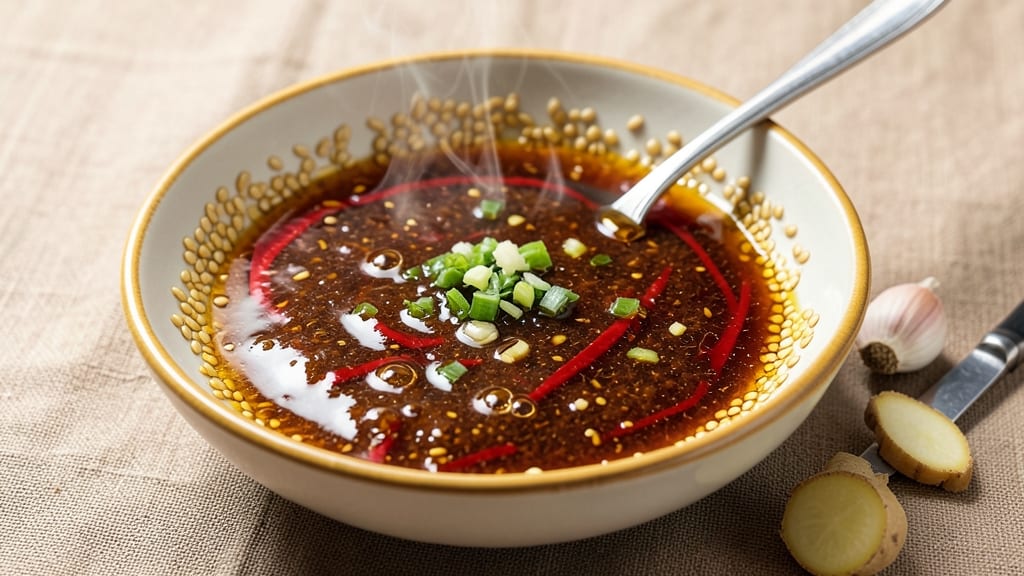
This awesome stir fry sauce recipe delivers restaurant-quality umami depth in just 5 minutes—no complicated techniques required. The secret lies in balancing sweet, tangy, and savory elements with a simple blend of soy sauce, honey, garlic, and ginger.
I developed this sauce after testing countless versions, and it consistently elevates any stir-fry, roasted vegetables, or even grilled meats with its bold, complex flavor.
The sauce comes together with 5 basic ingredients and requires no cooking—just whisking or shaking in a jar. Soy sauce provides the salty foundation, while honey adds subtle sweetness that caramelizes beautifully when heated.
Fresh garlic and ginger infuse layers of aromatic depth, and a splash of rice vinegar brightens the flavors without overpowering. The result is a glossy, sticky sauce that clings perfectly to proteins and vegetables, creating every bite into a flavor explosion.
What makes this sauce truly professional is its versatility—it works equally well with chicken, tofu, shrimp, or crisp stir-fried vegetables. A little goes a long way, so you’ll have leftovers ready to transform your next meal.
Store it in an airtight container in the fridge for up to one week, or freeze for longer shelf life. The best part? You’ll never want to buy store-bought sauce again after tasting this homemade version.
For extra richness, finish with a drizzle of sesame oil or sprinkle of toasted sesame seeds before serving. This sauce is the secret weapon in my kitchen, turning simple ingredients into restaurant-worthy dishes. Let’s make it—your taste buds will thank you.
Ingredients for awesome stir fry sauce
Five ingredients transform any stir-fry into restaurant-quality with bold umami depth.
| Ingredient | Amount | Notes |
|---|---|---|
| Low-Sodium Soy Sauce 🍶 | ½ cup | Kikkoman preferred for authentic flavor |
| Raw Honey 🍯 | 2 tbsp | Wildflower or clover variety |
| Fresh Garlic Cloves 🧄 | 3 cloves | Minced for aromatic punch |
| Fresh Ginger Root 🌿 | 1 tbsp | Finely grated, not powdered |
| Rice Vinegar 🍶 | 1 tbsp | Seasoned variety adds depth |
| Sesame Oil 🫒 | 1 tsp | Toasted for finishing (optional) |
| Toasted Sesame Seeds 🌾 | 1 tsp | For garnish (optional) |
| Diamond Crystal Kosher Salt 🧂 | ½ tsp | Adjusts seasoning balance |
The soy sauce is your flavor foundation—Kikkoman delivers that perfect balance of saltiness and complexity. Grab the low-sodium version if you prefer to control the saltiness yourself. Honey should be raw for that floral sweetness that caramelizes beautifully when heated. Trader Joe's carries great options, or any local farmers market will have wildflower varieties. For garlic, I always use fresh—never the jarred minced stuff. It's worth the 30-second chop to get that fresh aroma. Ginger? Freshly grated is non-negotiable here—powdered just won't cut it for that bright, zesty kick. Pro tip: Use a microplane for ginger to get fine, even shreds without the stringy bits.
No soy sauce? Coconut aminos work in a pinch, though the flavor profile shifts slightly. Running low on honey? Maple syrup or agave nectar are decent substitutes, but they'll change the caramelization. Skip the rice vinegar? Apple cider vinegar adds tang but lacks the delicate sweetness. The sesame oil is optional but adds that nutty richness—toasted sesame oil from Trader Joe's is my go-to. For extra umami depth, add a dash of fish sauce (if not vegetarian) or soy sauce powder if you're out of liquid soy. The salt is your final seasoning adjustment—taste as you go, especially if you used low-sodium soy sauce.
This sauce keeps beautifully—one week in the fridge sealed in a jar. I always double the batch so I have leftovers ready for next time. For longer storage, freeze in ice cube trays—perfect for single-use portions. The sauce thickens when chilled, so give it a quick whisk or shake before using. Garnish with toasted sesame seeds right before serving to keep that crunchy texture. The sauce works wonders on everything from stir-fries to grilled meats, so make extra—you'll want it often. Pro tip: If it separates, just give it a good stir—it'll come together perfectly when heated.
Why You'll Love This Recipe
- Five-Ingredient Magic: I swear by this—just soy sauce, honey, garlic, ginger, and vinegar. No fancy pantry staples, no measuring cups that never end up empty. Honestly, I keep a jar of this in my fridge because it’s the kind of sauce that turns a simple stir-fry into something that makes people pause mid-bite.
- Garlic-Ginger Kick: That fresh garlic and ginger? They’re the stars here. The honey softens the edge just enough to make it ridiculously good—not too sharp, not too sweet, but perfectly balanced. I’ll be real: my husband steals the sauce from my stir-fry to drizzle on eggs. (Yes, even on a Tuesday night.)
- Works Every Time: This isn’t just for stir-fries—it’s my go-to for marinades, dipping sauces, or even a quick glaze for roasted veggies. I’ve used it on takeout noodles, grilled chicken, and even as a salad dressing. Between us, it’s the kind of sauce that makes you wonder why you ever bought store-bought.
- Lasts All Week: Make a big batch—it keeps for weeks in the fridge without losing its punch. Not the prettiest jar, but the taste makes up for it. I’ll often double the recipe because I can’t resist using it on everything. Plus, it’s budget-friendly enough that I don’t feel guilty when I use it daily.
Step-by-step instructions for bold umami stir fry sauce
This sauce comes together faster than you can say "wok hei"—let's make it.
Mince Garlic and Grate Ginger
Start by finely mincing the 3 cloves fresh garlic cloves—you want tiny pieces that'll dissolve into the sauce rather than sit as chunks. I like to smash each clove with the flat side of my knife first, then make quick, even cuts. For the 1 tablespoon fresh ginger root, use a microplane or the fine holes of a grater to create a paste-like texture. The goal here is maximum surface area so these aromatics release their full flavor into the sauce.
Set both aside in separate small bowls. Fresh ginger should look like wet sand, and the garlic should resemble fine confetti. If you're using pre-minced garlic, skip this step—but fresh always tastes better. Here's the thing—don't skip grating the ginger fresh. Powdered ginger lacks the bright, zesty punch that fresh brings to this sauce.
Combine Wet Ingredients
In a medium saucepan or small pot, combine the 0.5 cup low-sodium soy sauce, 2 tablespoons raw honey, 1 tablespoon rice vinegar, and 0.5 teaspoon diamond crystal kosher salt. Give everything a quick stir to dissolve the honey completely—it should look like a smooth, golden liquid. Place the pan over medium-low heat and let it warm gently for 2-3 minutes until the honey begins to mellow out its intensity.
This warming step is crucial—it helps the honey integrate fully with the soy sauce and vinegar, creating a cohesive base. You'll see tiny bubbles form along the edges, but don't let it boil. The sauce should simmer gently, with just enough movement to blend the flavors without reducing too quickly. If you notice the mixture thickening too much, add 1-2 teaspoons of water to maintain a pourable consistency.
Add Aromatics and Simmer
Once the sauce is warm and smooth, add the minced garlic and grated ginger. Stir constantly for 1-2 minutes until you can smell that glorious aromatic punch filling your kitchen. The garlic should turn a pale golden color, and the ginger will infuse the sauce with its signature warmth. Reduce the heat to low and let the sauce simmer gently for 3-4 minutes—this allows all the flavors to meld together without overpowering each other.
Here's where the magic happens: the garlic shouldn't burn, and the ginger should dissolve completely. If you see the garlic turning brown too quickly, reduce the heat even further. The sauce should now have a rich, amber color with a glossy sheen. Taste it—you should get a balance of sweet, tangy, umami, and a hint of ginger's bite. If it needs more depth, you can add another ½ teaspoon of soy sauce, but it's usually perfect at this stage.
Finish with Sesame Oil and Garnish
Remove the sauce from heat and let it cool slightly for 1 minute. Then stir in the 1 teaspoon sesame oil—this adds a nutty, aromatic finish that elevates the sauce from good to extraordinary. The oil should coat the surface, giving it a silky texture. For the final touch, sprinkle in the 1 teaspoon toasted sesame seeds and stir gently to distribute them evenly. These seeds add a delightful crunch and visual appeal.
Let the sauce sit for 5 minutes before using it—this resting period allows the flavors to fully meld. The sauce should be glossy, with a perfect balance of sweet, salty, tangy, and umami notes. If you're using it immediately, give it one last taste and adjust seasoning if needed. For a smoother texture, strain out the sesame seeds before using, or leave them in for added texture. Either way, you're about to take your stir fry to the next level.
Pro Tips For Making Awesome Stir Fry Sauce
- MINCE THAT GINGER: Grab a microplane instead of a knife—it releases more flavor without turning your sauce into tiny ginger rocks. I learned this the hard way after straining out a chunky mess that ruined the texture.
- SIMMER THE GARLIC: Cook the minced garlic in oil for 30 seconds until just fragrant—longer and it burns, leaving bitter ashes. High heat works here, but watch it like a hawk.
- SWEETEN THE SAUCE GRADUALLY: Start with half the honey and taste as you go; some vinegars (like rice) cut sweetness more aggressively than others. Adjusting mid-simmer saves you from overdoing it.
- STRAIN THE GINGER: Unless you love texture, strain out the ginger fibers after simmering—it’s easy with a fine-mesh sieve and a spoon. Skipping this step makes your sauce gritty, and no one wants that.
Pro cooking tips for this dish
Heat Control Secrets
Low and slow is your friend when warming the sauce base. I always use medium-low heat to gently melt the honey without letting it burn—this prevents a bitter aftertaste that can ruin the delicate balance.
Watch for tiny bubbles forming along the edges; if you see vigorous boiling, reduce the heat immediately. The goal is a gentle simmer, not a rolling boil. 🌡️
For the aromatic stage, keep heat at low after adding garlic and ginger. Burning these ingredients creates bitter flavors that overpower the sauce's harmony. If your kitchen runs hot, consider using a double boiler—place your saucepan over a pot of barely simmering water for even, gentle heat distribution.
This method gives you precise control over the cooking process.
Texture Mastery
Sauce consistency matters more than you might think. If your mixture thickens too quickly, add 1-2 teaspoons of water to maintain a pourable texture. The sauce should coat the back of a spoon but still flow freely.
For extra glossiness, I sometimes add ½ teaspoon of cornstarch mixed with 1 teaspoon water at the end—this creates that restaurant-quality sheen without altering the flavor.
Remember that sauces thicken as they cool. If you're making this ahead of time, store it in an airtight container and give it a quick whisk before using.
The texture should be silky, not gluey. Pro tip: If you accidentally over-reduce your sauce, simply whisk in 1 teaspoon of warm water to restore the proper consistency.
Flavor Balancing
Taste as you go—this is the only way to achieve perfect balance. After simmering, you should detect all four key flavors: salty from soy sauce, sweet from honey, tangy from vinegar, and spicy-warm from ginger.
If one flavor dominates, adjust with ¼ teaspoon increments of the missing component (e.g., more honey for sweetness, more vinegar for tang).
For extra depth, I sometimes add ½ teaspoon of fish sauce (if not vegetarian) when the sauce is off heat. This adds an incredible umami punch that elevates the sauce from good to exceptional.
Vegetarians can use ½ teaspoon of soy sauce powder or a pinch of MSG for similar results. Always let the sauce rest for 5 minutes before tasting—this allows all the flavors to fully integrate.
Equipment Upgrades
A microplane for ginger and a sharp chef's knife for garlic make all the difference. The microplane creates fine, even shreds that dissolve completely into the sauce, while fresh minced garlic delivers that unmatched aromatic punch.
I also recommend using a small saucepan (8-10 inches) for better heat control—larger pans can cause uneven cooking and potential burning.
For stirring, a heat-resistant silicone spatula works best—it won't scratch your pan and gives you precise control when combining ingredients. If you're making this sauce frequently, consider investing in a small immersion blender to create a completely smooth texture without straining.
The blender also helps incorporate any lingering ginger strings or garlic bits for a silky finish. 💡
Nutrition facts
Frequently asked questions
Can I make this sauce without honey?
Swap the 2 tablespoons honey for 1.5 tablespoons maple syrup or 1 tablespoon agave nectar for a similar sweetness level. For a deeper caramelization, use 1 tablespoon brown sugar instead—just heat it longer to dissolve completely. The sauce will have a slightly different flavor profile but still work beautifully.
How much sauce should I use for a typical stir-fry?
Start with 2-3 tablespoons for a standard 12-14 ounce stir-fry serving. Thin proteins like shrimp or tofu absorb sauce well, while denser veggies may need slightly more. For extra richness, toss your cooked stir-fry ingredients with 1 tablespoon sauce, then drizzle the remaining over the top before serving.
Why did my sauce separate?
Sauces often separate when stored due to ingredient density differences. Simply give it a vigorous whisk or shake in a sealed jar to recombine. If it's too thick, add 1 teaspoon warm water at a time until smooth. For prevention, store in an airtight container in the fridge—it should be ready to use after a quick stir.
Can I use this sauce on non-Asian dishes?
This versatile sauce works beautifully on grilled chicken, roasted vegetables, or even tacos! The sweet-savory balance pairs well with Latin flavors too. For Mexican dishes, add ½ teaspoon cumin to the sauce base before simmering. The umami depth makes it perfect for marinades or finishing sauces across cuisines.
How do I intensify the flavor?
For maximum depth, add ½ teaspoon fish sauce (if not vegetarian) or ½ teaspoon soy sauce powder when the sauce is off heat. Toast 1 teaspoon sesame seeds in a dry pan for 30 seconds before adding to the sauce for nutty richness. Simmering the sauce for 5 extra minutes also concentrates the flavors beautifully.