
Sauces & Condiments
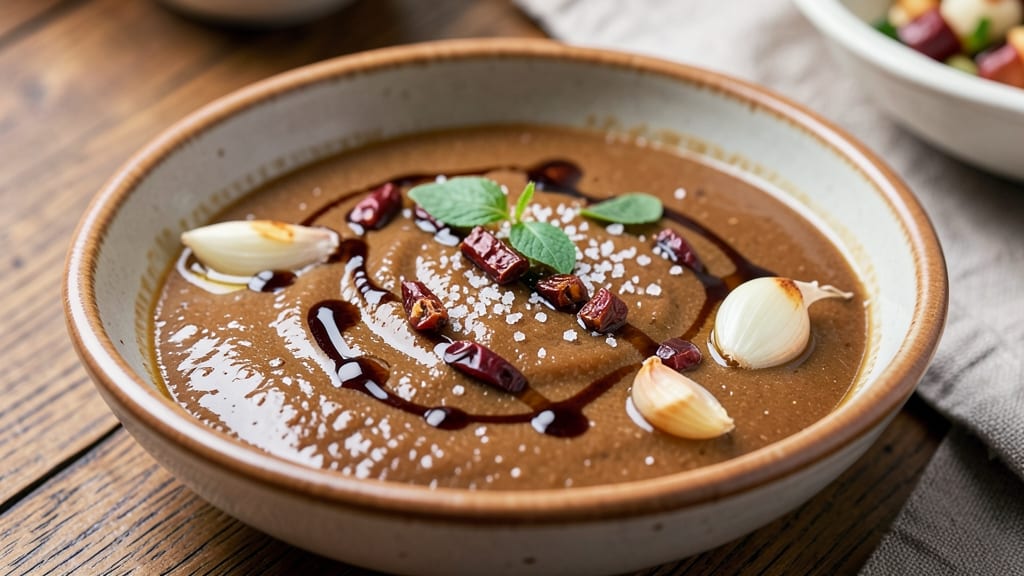
This bagnet sauce recipe transforms simple pantry staples into a smoky, tangy masterpiece that elevates grilled meats to restaurant-quality.
The perfect balance of sweet, spicy, and savory comes from a blend of brown sauce, vinegar, and chipotle peppers—creating a sauce that's bold enough for pulled pork but versatile enough for burgers or roasted vegetables.
What makes this sauce special is its depth of flavor, achieved through slow simmering that develops rich caramelized notes. The chipotle peppers add subtle heat without overpowering, while Worcestershire sauce brings umami complexity.
Unlike store-bought versions, this recipe delivers authentic taste with just five core ingredients—no artificial additives or shortcuts.
Once you taste this sauce, you’ll understand why it’s a staple in barbecue traditions. The smoky chipotle-tomato tang clings perfectly to grilled meats, while its tangy sweetness cuts through rich, fatty cuts.
It’s the kind of sauce that turns a simple meal into something unforgettable—foolproof, flavorful, and impossible to resist.
The best part? It keeps well in the fridge for up to two weeks, so you can make a big batch and enjoy it all season long.
Whether you’re serving it with bagnet, pulled pork, or even as a dipping sauce for fries, this recipe delivers restaurant-quality results every time.
Ingredients for bagnet sauce
Five bold ingredients—smoky, tangy, and packed with umami—that turn grilling into a flavor explosion.
| Ingredient | Amount | Notes |
|---|---|---|
| Brown Sauce 🍅 | 1 cup | High-quality, like HP or Lea & Perrins |
| Apple Cider Vinegar 🍎 | ½ cup | For tangy depth, not white vinegar |
| Chipotle Peppers in Adobo 🌶️ | 2 whole | Minced, plus 1 tbsp adobo sauce |
| Worcestershire Sauce 🍶 | 2 tbsp | Lea & Perrins preferred for umami |
| Granulated Sugar 🍚 | 2 tbsp | Balances acidity, not honey |
| Garlic Cloves 🧄 | 2 cloves | Fresh, minced for aromatic punch |
| Salt 🧂 | 1 tsp | Diamond Crystal preferred |
| Black Peppercorns 🌶️ | ¼ tsp | Freshly cracked for heat |
The chipotle peppers are the soul of this sauce. Look for canned adobo peppers at Latin markets or the international aisle—they're fresher than dried. Mincing them yourself (peel first!) gives you control over heat. If you can't find adobo sauce, substitute 1 tbsp tomato paste for depth. For brown sauce, HP or Lea & Perrins are non-negotiable—they've got that rich, molasses-like quality that makes this sauce sing. I always grab a bottle of each and keep them in my pantry for barbecue season.
No chipotle peppers? Smoked paprika at half the amount adds some smokiness, but you'll lose that deep, earthy heat. Running short on Worcestershire? Soy sauce works in a pinch, though it's more salty. The apple cider vinegar is key for that bright tang—substitute white vinegar if needed, but you'll lose some complexity. Fresh garlic is ideal, but if you're using powder, double the amount. For sugar, brown sugar gives caramel notes, but white works fine too. Just don't skip it—it balances the acid perfectly.
This sauce gets better with time, so make a big batch and store it in a sealed jar. Keeps for 2 weeks in the fridge—way longer than store-bought versions. For extra smokiness, add a dash of liquid smoke when reheating. I like to portion it into small containers so I can grab just what I need for grilling. Freezes beautifully for up to 6 months—perfect for prepping ahead of summer cookouts.
Why You'll Love This Recipe
- Pantry Powerhouse: I swear by this sauce because it’s made with things I always have—no extra shopping trips. Brown sauce, apple cider vinegar, and chipotle in adobo? That’s my pantry’s way of saying, “Hey, let’s make magic without stress.”
- Smoky-Sweet Magic: The chipotle peppers in adobo bring that deep, smoky heat, while the sugar and vinegar cut through it just enough to make it dangerously addictive. One taste, and you’ll be reaching for the bottle like it’s the last ketchup in the house.
- Game for Any Meal: Drizzle it on fries, toss it with roasted potatoes, or use it as a dip—this sauce doesn’t care what you throw at it. Honestly, I’ve even used it to glaze chicken thighs when I’m feeling fancy. (Yes, even on a Tuesday night.)
- Budget-Friendly Stretch: A little goes a long way, and the ingredients won’t break the bank. Between us, I’ve made this sauce last a full week in my fridge, and it still tastes fresh. That’s $5 well spent, every time.
Step-by-step instructions for smoky chipotle-tomato tang
Here's how to craft this bold, smoky sauce that'll elevate everything from grilled meats to roasted veggies.
Prep the Chipotle and Garlic
Start by removing the stems and seeds from the 2 whole chipotle peppers in adobo—this controls the heat while keeping all the smoky depth. Finely mince them with a sharp knife or pulse briefly in a food processor. Set aside 1 tablespoon of the adobo sauce from the can (you'll use this later) and reserve the minced peppers.
Next, peel and mince the 2 cloves garlic into a fine paste—this ensures even distribution and maximum aromatic punch. I like to use the flat side of my knife blade to press the minced garlic into the sauce later, which helps it dissolve completely. Keep both components at room temperature while you prepare the rest.
Build the Base with Heat and Acid
In a medium saucepan, combine the 1 cup brown sauce and 0.5 cup apple cider vinegar. Bring to a gentle simmer over medium heat, stirring occasionally to prevent scorching. The vinegar will make the sauce bubble vigorously at first—this is normal, but keep the heat steady so it doesn't boil over.
Once simmering, add the minced chipotle peppers and 1 tablespoon adobo sauce. Stir well and let it cook for 5 minutes, allowing the smoky flavors to meld into the base. You'll notice the sauce darken slightly as the chipotle oils infuse—this is exactly what you want for that deep, complex flavor profile.
Sweeten and Season
Add the 2 tablespoons Worcestershire sauce and 2 tablespoons granulated sugar, stirring constantly. The sugar will help balance the acidity from the vinegar while adding just enough sweetness to round out the flavors. Let the mixture simmer for another 3-4 minutes, until it begins to thicken slightly and the sugar fully dissolves.
Now's the time to add the 1 teaspoon salt and 0.25 teaspoon freshly cracked black peppercorns. The salt should be Diamond Crystal—it dissolves more completely than table salt and enhances all the other flavors. Give everything a final stir and taste—you're looking for a perfect balance of smoky, tangy, and slightly sweet notes.
Finish with Garlic and Reduce
Press the minced garlic into the sauce using the flat side of your knife blade (this prevents clumping) and stir in. Let the sauce simmer uncovered for 8-10 minutes, stirring occasionally, until it reduces by about 25% and reaches your desired consistency. You want it thick enough to coat the back of a spoon but still pourable—this ensures it clings beautifully to grilled foods.
For the perfect finish, taste and adjust the seasoning. If it needs more heat, add a pinch of the reserved adobo sauce. If it's too tangy, a tiny bit more sugar helps. Once balanced, remove from heat and let it cool slightly before using—this allows all the flavors to truly meld together.
Pro Tips For Making Bagnet Sauce
- Simmer Slow and Steady: Start low, then ramp up—brown sauce needs time to mellow. I used to blast it on high, and it’d turn bitter fast. Keep it at a gentle boil for the first 5 minutes, then let it simmer uncovered at medium-low. The vinegar and sugar will caramelize properly, giving you that deep, balanced flavor without the harshness.
- Strain the Adobo Carefully: Those chipotle peppers in adobo sauce are sneaky—they’ll make your bagnet sauce grainy if you don’t handle them right. Mash the peppers with a fork first, then strain the mixture through a fine-mesh sieve to catch seeds and skin. Trust me, skipping this step means you’ll be tasting texture instead of heat.
- Balance Sweet and Tang First: Add the sugar before the vinegar, and taste as you go. I learned this after making a batch that was either cloyingly sweet or painfully sharp. Start with half the sugar, simmer, then adjust with vinegar until it’s bright but not sour. The Worcestershire will tie it all together—just don’t dump it in last unless you want a funky aftertaste.
- Use a Splatter Screen: This sauce is aggressive when it hits the heat. No matter how steady your hand, the vinegar and chipotle peppers will fight back. Pop a splatter screen on your pot from the start—it’s the only way to keep your stove (and your sanity) intact. Cleanup is easier, and you won’t be scrubbing sauce off the ceiling fan.
Make-ahead tips for bagnet sauce
Batch Prep Essentials
Make a double batch of this sauce—it’s worth the extra effort. The flavors deepen as it sits, so 4 cups total (double the ingredients) gives you plenty for grilling season.
I store mine in amber glass jars (like Ball Mason jars) to protect from light, which can dull the color over time. Label with the date—trust me, you’ll forget how long it’s been sitting there. 🌟
Fridge Storage Secrets
This sauce keeps in the fridge for up to 2 weeks in an airtight container, but I’ve had it last 3 weeks without quality loss. The key is cooling it completely before sealing—hot sauce trapped in a jar creates condensation, which can dilute flavors.
Let it sit at room temperature for 10-15 minutes after cooking, then refrigerate. Stir before using, as the oils may separate slightly.
Freezer-Friendly Tips
For long-term storage, portion the sauce into ice cube trays (freeze, then transfer to a bag) or small silicone molds. This makes it easy to grab just what you need for a single grill session.
Thaw overnight in the fridge—never microwave directly, as it can make the sauce watery. If you need to use it frozen, add it to your dish cold and let the heat from cooking melt and incorporate it naturally.
Reheating Like a Pro
Gently reheat on the stovetop over low heat with a splash of water or broth to prevent scorching. I like to add ½ cup water to 1 cup sauce and simmer for 3-5 minutes until warmed through.
Avoid high heat—it can make the sauce too thin or develop a bitter edge. If it thickens too much while reheating, stir in 1 teaspoon water at a time until it reaches your desired consistency.
Flavor Boost After Storage
After refrigeration, the sauce might taste slightly muted. Revive it by adding ½ teaspoon freshly cracked black pepper or a pinch of smoked paprika while reheating. For extra depth, stir in 1 teaspoon of the adobo sauce from the can—it adds that smoky punch that fades over time.
A splash of apple cider vinegar (just ½ teaspoon) can also brighten up flavors if the sauce tastes flat.
Nutrition facts
Frequently asked questions
Can I make this sauce without chipotle peppers?
The chipotle peppers are key for that authentic smoky depth, but you can substitute 1 teaspoon smoked paprika plus ½ teaspoon cayenne pepper for heat. For a milder version, use 1 teaspoon liquid smoke and reduce the sugar slightly to balance the artificial smokiness. Just know the flavor will be less complex without the natural adobo oils.
How spicy is this sauce, and can I adjust it?
The recipe uses 2 whole chipotle peppers (mild heat level), giving a subtle smoky kick—not fiery. For more heat, add 1 extra chipotle pepper or ½ teaspoon cayenne. For less, remove the seeds completely or use only 1 pepper. Always taste as you go!
What's the best way to use leftover sauce?
This sauce is incredibly versatile! Drizzle it over grilled meats (pork, chicken, or beef), toss with roasted potatoes, or use as a marinade for 30 minutes before cooking. It also makes an amazing dipping sauce for fries, onion rings, or even spring rolls. The reduced consistency clings perfectly to everything!
Why did my sauce turn too thin after reheating?
Sauces thicken as they cool, so reheating can make them watery. Fix it by simmering uncovered for 2-3 minutes to reduce excess liquid, or stir in ½ teaspoon cornstarch mixed with 1 tsp water until thickened. For future batches, reduce the sauce 5-10% longer during initial cooking to prevent this.
Can I make this sauce in a slow cooker?
Yes! Combine all ingredients in your slow cooker and cook on LOW for 3-4 hours or HIGH for 1.5-2 hours, stirring occasionally. The low-and-slow method enhances the smoky flavors even more. Just monitor the liquid level—add 1-2 tbsp water if it reduces too quickly.