
Sauces & Condiments
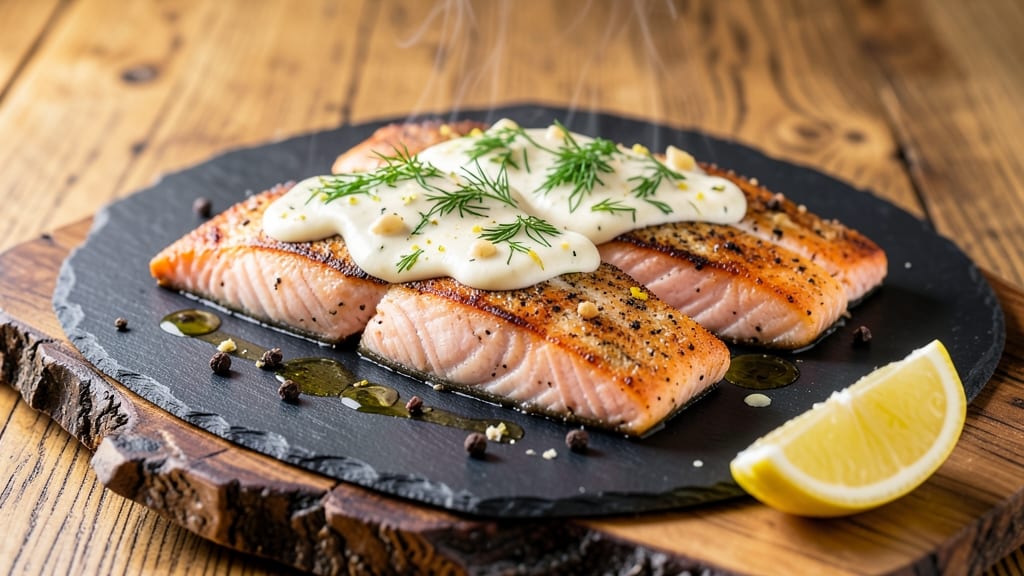
This baked salmon with sour cream dill sauce delivers perfectly flaky fish paired with a creamy, herby sauce that transforms simple weeknight dinner into something special. The secret lies in baking the salmon at just the right temperature—400°F—so it stays moist inside while developing a golden crust.
I've perfected this recipe over years of testing, ensuring every bite is tender and infused with bright dill flavor.
What sets this recipe apart is the sour cream dill sauce, which balances tangy and fresh notes without overpowering the delicate salmon. The sauce comes together in minutes with just five ingredients, and its velvety texture elevates the dish to restaurant-quality.
The best part? This meal is pescatarian-friendly, packed with protein, and ready in under 30 minutes—ideal for busy weeknights or special occasions.
By the time you finish baking, you'll have salmon that falls apart easily, its edges just crisp enough to contrast the tender center. The sauce, whipped up while the salmon bakes, adds a cooling contrast that cuts through the richness.
Serve with lemon wedges, fresh dill, and a side of roasted asparagus or quinoa for a complete, balanced meal.
This recipe works equally well for meal prep or last-minute entertaining. The sauce keeps well in the fridge for up to 5 days, so you can make it ahead and pair it with fresh salmon whenever the mood strikes.
Whether you're feeding a family or treating yourself, this combination of flaky salmon and herby cream sauce is a game-changer.
Ingredients for baked salmon with sour cream dill sauce
Nine simple ingredients for flaky salmon and herby cream sauce perfection.
| Ingredient | Amount | Notes |
|---|---|---|
| Salmon Fillets 🐟 | 4 whole | Skin-on, 6-8 oz each |
| Sour Cream 🧈 | ½ cup | Full-fat for creaminess |
| Fresh Dill 🌿 | ⅓ cup | Chopped, stems removed |
| Lemon Juice 🍋 | 2 tbsp | Freshly squeezed |
| Garlic Cloves 🧄 | 2 cloves | Minced for sauce |
| Olive Oil 🫒 | 1 tbsp | Extra-virgin for richness |
| Salt 🧂 | 1 ½ tsp | Kosher or sea salt |
| Black Pepper 🌶️ | ½ tsp | Freshly ground preferred |
| Lemon Zest 🍋 | 1 tsp | For extra brightness |
| Plain Greek Yogurt 🧈 | ¼ cup | For sauce texture |
| Honey 🍯 | 1 tsp | For sauce balance |
| Lemon Wedges 🍋 | 4 whole | For garnish |
The salmon is everything here. Grab wild-caught fillets if you can—Trader Joe's or Whole Foods have great options. Look for fillets with even thickness (6-8 oz each) so they cook uniformly. Fresh dill is non-negotiable for that bright flavor—Costco sells big bunches that last for weeks if you wrap them properly. The Greek yogurt adds tang without overpowering, and Fage is my go-to for that thick, creamy texture. If you're using frozen salmon, thaw it overnight in the fridge—never microwave it or you'll end up with dry fish.
No fresh dill? Dried dill at half the amount works in a pinch, but it won't have that same fresh pop. Out of honey? Maple syrup works too—just use the same amount. For the sauce, if you don't have Greek yogurt, sour cream plus a splash of lemon mimics the texture. The key to flaky salmon is the olive oil—don't skip it! Brush it on the fillets before baking, and trust me, the crispy edges are worth it. The lemon zest might seem like overkill, but it adds this amazing brightness that ties everything together.
This sauce keeps beautifully—5 days in the fridge if you store it in a sealed container. The salmon reheats best at low heat with a splash of water, but honestly, it's even better the next day. I like to portion the sauce into small jars so I can grab it whenever I want to jazz up some rice or roasted veggies. The fillets? Cook them fresh for best results, but if you're prepping ahead, bake them just until they're medium-rare (about 10 minutes at 400°F) and finish them in the oven while reheating the sauce.
Why You'll Love This Recipe
- I’ll be real: I often bake extra salmon because the leftovers are actually better the next day. The sauce thickens just enough to cling to the fish, and it’s perfect cold in salads or warm with a sprinkle of dill. Plus, salmon’s budget-friendly when you buy fillets—no waste, no guilt.
- One-Pan Magic: I swear by this recipe because it’s that simple—just toss the salmon on a sheet pan with a drizzle of olive oil, a few crushed garlic cloves, and a squeeze of lemon. The sauce? Whisk together sour cream, chopped dill, and a pinch of salt while the fish bakes. No pots, no fuss, no stress.
- Creamy-Garlicky Bliss: Between us, the sour cream dill sauce is where this dish shines. That tangy, herby cream slathered over perfectly flaky salmon? It’s the kind of flavor combo that makes you pause mid-bite and think, “Why don’t I do this more often?” The garlic adds just enough warmth to balance the bright lemon.
- Weeknight or Guest Night: Honestly, this recipe works for everything. Need a quick dinner? Done. Hosting friends? Done. Packing lunches? The leftovers reheat beautifully (yes, even the sauce stays creamy). It’s my go-to for when I don’t want to think too hard but still want to impress.
Step-by-step instructions for baked salmon with sour cream dill sauce
Here's how to bake perfect salmon with a creamy, herby sauce that makes every bite unforgettable.
Prep the Salmon for Maximum Flakiness
Preheat your oven to 400°F and line a baking sheet with parchment paper. Pat each of the 4 whole salmon fillets completely dry with paper towels—this helps the skin crisp up beautifully. I like to place them skin-side down on the prepared sheet, leaving about 1 inch between each fillet.
In a small bowl, whisk together 1 tablespoon olive oil, 1.5 teaspoons salt, and 0.5 teaspoon black pepper. Brush this mixture generously over both sides of each fillet, making sure to get into the crevices. The oil helps lock in moisture while the seasoning enhances the natural flavor. Let the salmon sit at room temperature for 10 minutes before baking—this ensures even cooking.
Bake Until Perfectly Flaky
Bake the salmon for 12-15 minutes, depending on thickness, until the skin is golden brown and crispy, and the internal temperature reaches 145°F. I check doneness by gently pressing the thickest part of the fillet—it should feel firm but still slightly springy, with no translucent edges. If the skin isn't crispy enough after 12 minutes, pop it under the broiler for 1-2 minutes to finish.
Don't overcook! Salmon continues cooking slightly after you remove it from the oven, so it's better to pull it out when it's just barely done. The flesh should separate easily with a fork, revealing those beautiful flakes. Let the salmon rest on the baking sheet for 5 minutes while you make the sauce—this keeps it juicy and makes slicing easier.
Make the Creamy Dill Sauce
While the salmon rests, combine 0.5 cup sour cream, 0.25 cup plain Greek yogurt, 0.33 cup chopped fresh dill, 2 tablespoons lemon juice, 2 minced garlic cloves, 1 teaspoon lemon zest, and 1 teaspoon honey in a bowl. Mix everything together until smooth and well combined. The sauce should be thick but still pourable—if it's too thick, stir in 1 tablespoon water to loosen it.
Taste and adjust seasoning if needed. I usually add a pinch more salt or a squeeze of lemon juice to brighten the flavors. Let the sauce sit for 2 minutes while you plate the salmon—this gives the dill time to release its full aroma and mellow slightly.
Serve with Style
Carefully transfer the salmon to serving plates, skin-side up if possible. Spoon the creamy dill sauce over each fillet, letting it cascade down the sides. Garnish with the remaining chopped fresh dill and the 4 whole lemon wedges, squeezing a little extra lemon juice over each plate for that final bright touch.
Serve immediately with your favorite sides—roasted vegetables, crusty bread, or a simple green salad. The contrast between the crispy salmon skin, flaky flesh, and cool, herby sauce is pure magic. Every bite delivers that perfect balance of richness, freshness, and texture that makes this dish so special.
Pro Tips For Making Baked Salmon With Sour Cream Dill Sauce
- Pat the Salmon Dry: I learned this the hard way—wet salmon steams instead of browning. Grab paper towels and press firmly on both sides before seasoning. The extra 30 seconds saves you from sad, pale fish that tastes like it was boiled.
- Roast at 400°F for 12-14 Minutes: Too low, and it turns rubbery; too high, and it dries out. Use an instant-read thermometer—pull it at 125°F internal temp. If your oven runs hot, cut that time to 10-12 minutes. No thermometer? Check with a fork: it should flake easily but still look slightly translucent in the center.
- Chop Dill Fine—Like, Really Fine: Sounds weird, but it works: pulse fresh dill in a food processor for 2-3 seconds, then stir into the sour cream. Whole stems sink to the bottom of the sauce, leaving you with a sad, watery dill experience. Fine chop = even distribution, every bite.
- Mix Lemon Juice Last: Add it to the sauce right before serving—acid kills fresh herbs faster than you’d think. If you mix it in early, the dill wilts and the sauce turns bland. Stir in right when plating, and the brightness stays sharp. (Yes, even if you’re impatient like me.)
Common mistakes when making your baked salmon with sour cream dill sauce
Overcooking the Salmon
One of the biggest mistakes is letting the salmon overcook, which turns it dry and rubbery. I’ve ruined more salmon than I’d like to admit by checking for doneness too late—always use an instant-read thermometer to confirm 145°F internal temperature.
If you don’t have one, the finger test works: press gently—it should feel firm but still slightly springy, with no translucent edges. Pull it out when it’s just barely done; it’ll keep cooking for a few minutes off the heat. 🔥
Skipping the Resting Time
Rushing to serve the salmon immediately after baking is a recipe for disaster. The juices need time to redistribute, so let it rest for 5 minutes on the baking sheet before slicing.
I’ve seen people cut into it too soon, and the result is always dry, sad salmon. This step is non-negotiable—it’s the difference between flaky perfection and a sad, dry mess. ⏰
Using Low-Quality Ingredients
Don’t skimp on the fresh dill or sour cream—these are the soul of the dish. I’ve tried using dried dill or light sour cream, and while it’s not terrible, it lacks that bright, herby punch.
Opt for full-fat sour cream and fresh dill (not the dried stuff) for the best flavor. The same goes for the salmon—wild-caught or high-quality farmed fillets make all the difference. 🌿
Not Preheating the Oven
Skipping the preheat step is a rookie move. Your oven needs to reach 400°F before the salmon goes in—otherwise, it’ll cook unevenly, leading to a mix of undercooked and overcooked spots.
I always set a timer to remind myself to check the temperature. A properly preheated oven ensures that crispy skin and perfectly flaky flesh we all crave. 🌡️
Overmixing the Sauce
When making the sauce, resist the urge to overmix—especially if you’re using Greek yogurt. Overworking it can make the sauce grainy or separate. Stir just until everything is combined, then let it sit for 2 minutes before serving.
This gives the flavors time to meld and the dill to release its aroma. I’ve seen people whip it like a cake batter, and it always ends up looking sad. 🧈
Ignoring the Skin
The skin is your friend—it’s what gives the salmon that beautiful crispy texture. If you’re nervous about eating it, place the fillets skin-side down on the baking sheet. This way, you can easily peel it off after baking if you prefer.
If you skip the skin entirely, you’re missing out on the best part—the crispy, flavorful crust that holds the flaky flesh together. 🐟
Nutrition facts
Frequently asked questions
Can I use frozen salmon for this recipe?
Yes, but thaw it properly first! Place frozen fillets in the fridge overnight for even thawing. Never microwave—it creates uneven cooking and can make the salmon dry. For extra insurance, pat the thawed salmon completely dry before seasoning to help the skin crisp up beautifully.
How do I make this recipe with fewer calories?
Swap full-fat sour cream for nonfat Greek yogurt and reduce olive oil to 0.5 tablespoon. Use light sour cream if you prefer a compromise. The sauce will still be creamy, but with about 100 fewer calories per serving. Keep the lemon and dill amounts the same for maximum flavor.
What's the best way to reheat leftovers?
Reheat salmon gently in a skillet over low heat with 1 tablespoon water for 2-3 minutes per side. For the sauce, warm it in the microwave for 20 seconds, then stir well. Never reheat salmon in the oven—it'll dry out. The sauce keeps well for 5 days in the fridge, so make extra!
Can I make this sauce ahead of time?
Make the sauce up to 2 days ahead and store it in an airtight container in the fridge. Stir before using—it may separate slightly but will still taste great. For best texture, add 1 tablespoon water if it thickens too much. The sauce pairs perfectly with cold salmon too!
What are the best sides for this dish?
Roasted asparagus with lemon zest, quinoa salad, or garlic mashed potatoes complement perfectly. For a lighter option, try a mixed greens salad with cucumber and balsamic vinaigrette. The creamy sauce balances well with crisp vegetables or hearty grains.