
Sauces & Condiments
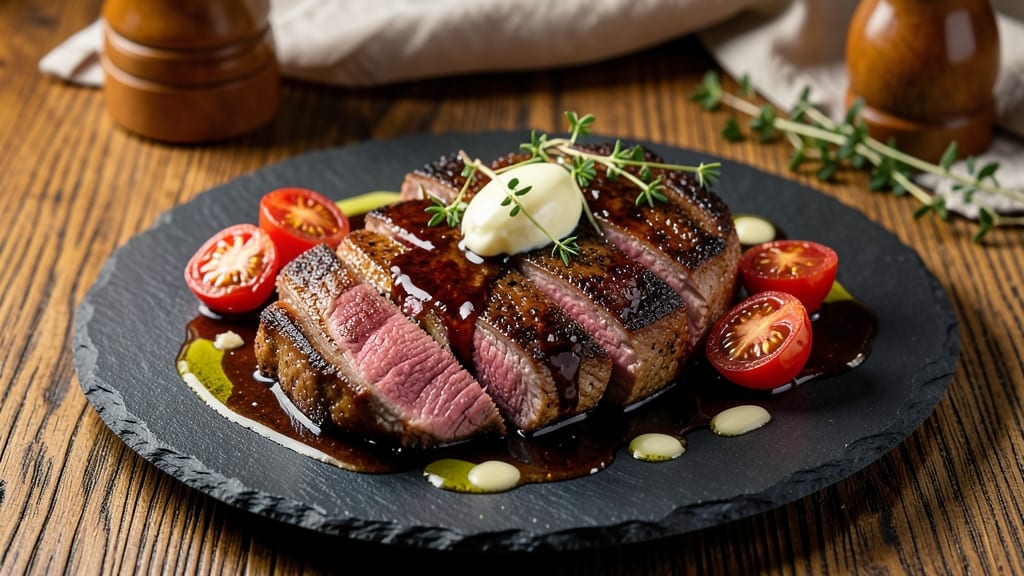
This balsamic glaze sauce recipe transforms simple pantry staples into a thick, velvety condiment that elevates everything from salads to desserts. The secret lies in slow reduction—simmering balsamic vinegar with sugar until it thickens into a glossy, caramelized sauce with deep umami richness.
I developed this version after years of testing, ensuring it's foolproof yet adaptable to any dish you drizzle it over.
The beauty of this sauce is its versatility—it works as a glossy finish on grilled meats, a tangy dressing for caprese salads, or even a drizzle over vanilla ice cream for a sophisticated dessert twist.
No special equipment is needed, just patience as the vinegar transforms into something luxurious. The sugar isn't just for sweetness; it helps create that signature glossy sheen and balances the acidity for a well-rounded flavor.
What you'll end up with is a deep amber sauce that's rich, slightly sweet, and intensely aromatic—far beyond store-bought versions. The reduction process concentrates the flavors, turning tart vinegar into something complex and irresistibly smooth.
This is the kind of sauce that makes even simple dishes feel restaurant-worthy with minimal effort.
Perfect for meal prep or last-minute drizzling, this glaze keeps well in the fridge for up to two weeks. Let's make it—your taste buds will thank you.
Ingredients for balsamic glaze sauce
Eight simple ingredients transform tart vinegar into a luxurious, velvety glaze.
| Ingredient | Amount | Notes |
|---|---|---|
| Balsamic Vinegar 🍷 | 1 cup | High-quality aged balsamic preferred |
| Granulated Sugar 🍚 | ½ cup | White or brown sugar works |
| Unsalted Butter 🧈 | 2 tbsp | Full-fat for best texture |
| Fresh Thyme Leaves 🌿 | ¼ cup | Or 1 tbsp dried thyme |
| Garlic Cloves 🧄 | 2 cloves | Minced for depth of flavor |
| Extra-Virgin Olive Oil 🫒 | 1 tbsp | For glossy finish |
| Red Wine Vinegar 🍷 | 1 tbsp | Adds complexity |
| Salt 🧂 | ¼ tsp | Kosher or sea salt |
The balsamic vinegar is the star—aged balsamic from Italy (like Giovanni Rossi) gives that deep, complex flavor, but even the regular stuff works in a pinch. Sugar isn't just for sweetness; it's what creates that signature glossy sheen and balances the acidity. Trader Joe's has a great bulk bin option if you're making this often. The butter adds richness, so don't skip it—trust me on the full-fat version. Fresh thyme is ideal, but dried works at one-third the amount if that's what you've got.
No aged balsamic? Regular balsamic vinegar plus 1 tbsp brown sugar gets you close. Short on butter? Olive oil at the same quantity keeps it rich. Want more depth? Add a pinch of black pepper or a splash of red wine at the end. The garlic can be pre-minced from a jar (the good stuff, not the pre-shredded kind), but fresh is always better. If you're using dried thyme, make sure it's labeled 'culinary'—some ornamental varieties taste bitter.
This sauce thickens as it cools, so don't worry if it looks runny right after simmering. Store in a clean glass jar in the fridge for up to 2 weeks. The flavors actually improve over time—it's worth making a double batch. For meal prep, portion into small containers so you can grab just what you need. If it crystallizes, just warm it gently and stir until smooth again.
Why You'll Love This Recipe
- Five-Ingredient Magic: I swear by this—just vinegar, sugar, butter, thyme, and garlic. That’s it. No fancy gadgets, no stress, no hunting for obscure spices. The sauce practically makes itself while you chop one clove of garlic and tear a few thyme leaves.
- Garlic-Thyme Bomb: The moment that butter melts into the reduced balsamic? Pure flavor explosion. The garlic adds a sharp, warm punch, while the thyme brings this earthy, herbal brightness that makes every bite feel like a little hug. It’s the kind of sauce that lingers in your memory longer than it does on your plate.
- Weeknight Wonder: Drizzle it over grilled chicken, toss it with roasted veggies, or dollop it on toasted bread—this stuff works everywhere. I’ve used it for breakfast (yes, really), lunch, and dinner, and it never fails to impress. Even my picky teenage nephew asked for seconds when I served it with his spaghetti.
- Pantry Goldmine: Between us, this recipe is a budget steal. Balsamic vinegar and sugar are cheap staples, butter’s already in your fridge, and a few sprigs of thyme last forever. Plus, it keeps for weeks in the fridge, so you’re always covered—no last-minute takeout runs when you’re too tired to cook.
Step-by-step instructions for crafting a thick, rich balsamic glaze
This method transforms simple pantry staples into a velvety glaze with depth and complexity.
Simmer the Balsamic and Sugar Base
Combine the 1 cup balsamic vinegar and 0.5 cup granulated sugar in a medium saucepan. Place it over medium-high heat and bring to a gentle boil, stirring occasionally to dissolve the sugar completely. This step is crucial—you want the sugar to fully incorporate before reduction begins.
Once boiling, reduce the heat to medium-low and let the mixture simmer uncovered for 15-20 minutes. You're looking for a reduction by about half, until the glaze thickens noticeably and coats the back of a spoon. The aroma will shift from vinegary to rich and caramelized—this is your signal to proceed. Be patient; rushing this step results in a thin, syrupy glaze that lacks body.
Incorporate Aromatics and Butter
While the balsamic reduces, finely mince the 2 cloves garlic and strip the leaves from the 0.25 cup fresh thyme. Add the garlic and thyme to the simmering glaze along with the 1 tbsp red wine vinegar. Stir gently and continue simmering for 3-4 minutes until the garlic is fragrant but not browned—this prevents bitterness from overcooking.
Reduce the heat to low and whisk in the 2 tbsp unsalted butter, one tablespoon at a time. The butter will create a luxurious silkiness in the finished glaze. Stir constantly for 1-2 minutes until fully melted and emulsified. If the mixture looks separated, add 1 tsp water at a time until smooth. The glaze should now have a glossy sheen and thick, syrupy consistency—this is the moment that matters.
Finish with Olive Oil and Season
Remove the saucepan from heat and let the glaze cool slightly for 2-3 minutes. This resting period prevents the butter from separating when you add the 1 tbsp extra-virgin olive oil. Slowly drizzle in the olive oil while whisking vigorously—this step emulsifies the glaze, giving it that signature glossy finish.
Taste and adjust seasoning with the 0.25 tsp salt, adding more if needed. For extra depth, you can also add a pinch of freshly cracked black pepper. The glaze should balance sweetness, acidity, and herbal notes perfectly. If it thickens too much as it cools, whisk in 1-2 tsp warm water to restore the ideal drizzling consistency.
Rest and Perfect the Texture
Transfer the glaze to a clean jar or bowl and let it sit at room temperature for 10 minutes. This resting period allows flavors to meld and the texture to stabilize. The glaze will thicken slightly as it cools—this is normal and actually enhances its versatility for drizzling.
Before using, give it one final whisk to ensure smoothness. The finished glaze should be thick enough to coat the back of a spoon but still fluid enough to drizzle gracefully. If you're not using it immediately, store it in an airtight container in the refrigerator for up to 2 weeks, or freeze for up to 3 months. To reheat, gently warm in a saucepan over low heat, stirring occasionally until smooth.
Pro Tips For Making Balsamic Glaze Sauce
- STIR CONSTANTLY AFTER BOILING: Once the balsamic and sugar hit a rolling boil, that’s when things can turn bitter fast. I learned this the hard way—after burning three batches, I finally realized you need to stir every 30 seconds until it thickens. Sounds tedious, but it’s the only way to keep the glaze from clumping or burning at the edges.
- USE COLD BUTTER: Cut that unsalted butter into small cubes and let it sit in the fridge while you cook the vinegar mixture. Adding cold butter at the end keeps the glaze from separating, and it creates those gorgeous ribbons when you swirl it in. (Yes, even if you’re impatient like me.)
- SKIP THE WHOLE THYME STEMS: I used to toss in whole thyme sprigs, thinking they’d infuse better. Turns out, they just sit there like little rubber bands. Bruise the leaves between your fingers first, then add them—this releases their oils faster and makes the flavor sing without the texture issue.
- MINCE GARLIC FINE: If you’re using fresh garlic, don’t just chop it—press it through a garlic press or mince it so fine it’s almost a paste. This way, it dissolves completely into the glaze instead of leaving chewy bits. (Your future self will thank you when you’re drizzling this over seared scallops.)
Wine and beer pairings for this balsamic glaze sauce
Wine Pairings
This glaze's rich, caramelized sweetness pairs beautifully with dry red wines that can stand up to its intensity. A Chianti Classico from Tuscany is my go-to—its bright acidity and cherry notes cut through the glaze's thickness while complementing its herbal thyme undertones.
For something lighter, a Pinot Noir from Oregon offers subtle earthiness that enhances the glaze's depth without overpowering it.
If you prefer white wine, opt for a dry Riesling with noticeable acidity—like a German Kabinett. The wine's crispness mirrors the glaze's balance of sweet and tart, creating a refreshing contrast. Avoid heavy, oaky whites or overly sweet dessert wines, as they'll clash with the glaze's complexity.
Pro tip: Chill your wine slightly before serving to refresh your palate between bites of glazed dishes. 🍷
Beer Pairings
For beer lovers, a Belgian witbier like Stella Artois or Hoegaarden works wonders. The beer's citrusy coriander and light effervescence cleanse your palate between rich, glazed bites—think grilled chicken or pork chops. The subtle sweetness in these beers also harmonizes with the glaze's caramel notes without competing.
A dry stout like Guinness offers a bold contrast, especially with savory applications like glazed steak or roasted vegetables. The roasted malt flavors in the beer complement the glaze's depth, while the stout's slight bitterness balances its sweetness.
For a lighter option, try a crisp lager like Peroni—its clean finish lets the glaze's flavors shine through. 🍺
Cocktail Enhancements
Elevate your drinks by incorporating this glaze into cocktails. A balsamic glaze margarita takes classic flavors to the next level—just drizzle 1 tsp over a traditional margarita mix for a sweet-tart twist.
I also love adding ½ tsp to a Negroni for a sophisticated depth that bridges the cocktail's herbal bitterness with the glaze's richness.
For non-alcoholic options, mix 1 tbsp of the glaze into sparkling water with a splash of San Pellegrino orange soda and a squeeze of lime. The effervescence cuts through the glaze's thickness, creating a refreshing, palate-cleansing drink.
Garnish with a fresh thyme sprig to tie back to the glaze's herbal notes. ✨
Nutrition facts
Frequently asked questions
Can I make this glaze without butter?
Yes! Replace the 2 tbsp butter with 2 tbsp olive oil or avocado oil for a dairy-free version. The texture will still be rich and glossy, though slightly lighter. For extra depth, add 1 tsp honey at the end to balance the acidity. The glaze will just need a few extra minutes of simmering to achieve the same thickness.
How do I know when the glaze is done reducing?
Your glaze is ready when it's reduced by about half (from 1 cup to roughly ½ cup) and coats the back of a spoon with a thick, syrupy consistency. The aroma should shift from vinegary to rich and caramelized. If it's still too thin, simmer uncovered for 5-10 more minutes, stirring occasionally to prevent burning.
Can I use this glaze on desserts?
This versatile glaze is perfect for desserts like panna cotta, vanilla ice cream, or even cheesecake. Drizzle it over warm fruit (like strawberries or peaches) or use it as a glaze for caramelized nuts. For a sweeter dessert version, increase the sugar to ⅔ cup and add ½ tsp vanilla extract while simmering. The balance of sweet and tangy makes it a crowd-pleaser!
Why did my glaze turn grainy or crystallize?
This happens when the sugar separates or the glaze cools too quickly. To fix it, gently reheat the glaze in a saucepan over low heat, stirring constantly until smooth. If it's still grainy, whisk in 1 tsp warm water at a time until fully dissolved. To prevent this, avoid stirring too vigorously while simmering—let the sugar dissolve naturally. For storage, keep the glaze in a glass jar and let it cool slowly at room temperature before refrigerating.
What’s the best way to store leftover glaze?
Store your glaze in an airtight glass jar in the fridge for up to 2 weeks. The flavors actually improve over time! If it thickens too much, whisk in 1-2 tsp warm water to restore the ideal drizzling consistency. For longer storage, freeze the glaze in ice cube trays**—thaw overnight in the fridge and whisk to smooth it out. Avoid metal containers, as they can react with the acidity over time.